If you own a 1995 Jeep and want to use its 4 wheel drive feature, you may feel confused at first. Many Jeep drivers do not use 4WD often, so they wonder: When do I use it?
How do I put my Jeep in 4 wheel drive? Is it safe for the vehicle?
If you want to get the most out of your Jeep, understanding these steps is important. This guide explains how to activate 4WD in a 1995 Jeep, what each setting does, and common mistakes to avoid.
You will also find practical tips, comparison tables, and real-world examples. By the end, you’ll feel confident using your Jeep’s four wheel drive system.
Understanding The 4 Wheel Drive System In A 1995 Jeep
Before you switch to 4 wheel drive, you should know how the system works. The 1995 Jeep models, including Cherokee, Wrangler, and Grand Cherokee, use different types of 4WD. Most have a part-time system, while some offer full-time 4WD.
- Part-time 4WD: Only use this mode on slippery surfaces. Driving on dry pavement can damage the system.
- Full-time 4WD: Can be used on all surfaces, but check your owner’s manual.
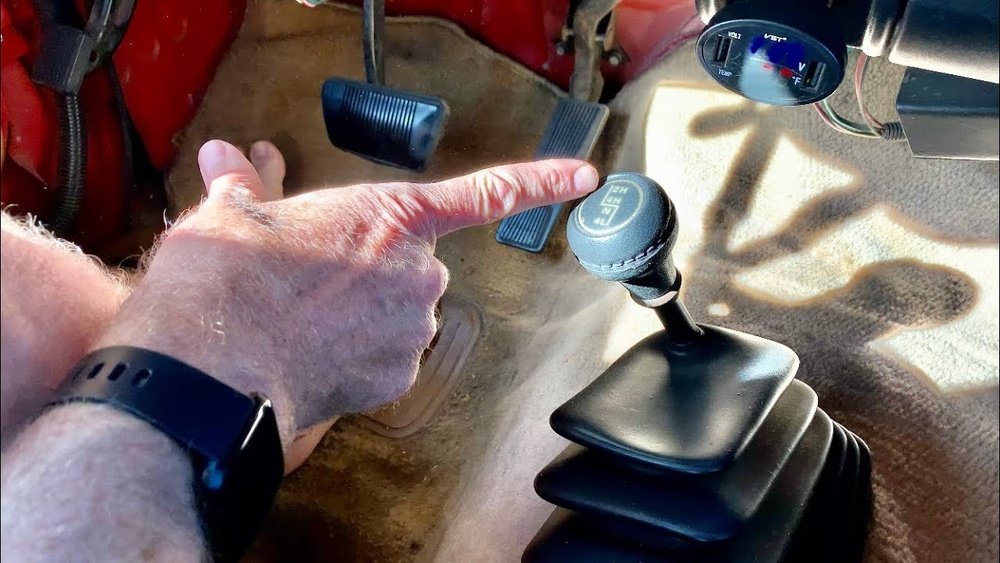
The transfer case is the main component. It shifts power between your Jeep’s front and rear wheels. You control this with a lever usually marked with four settings:
- 2H (Two High): Normal driving, rear wheels only.
- 4H (Four High): For slippery roads, sends power to all wheels.
- N (Neutral): Used for towing, disconnects wheels from engine.
- 4L (Four Low): For deep mud, snow, or steep hills.
Each setting is explained below, and you’ll learn how to use them step by step.
Item 1: 2h (two High) – Regular Driving Mode
The 2H setting is your Jeep’s default. It uses only the rear wheels for power. This is best for:
- Dry pavement
- Normal highway driving
- Everyday city use
Keeping your Jeep in 2H improves fuel economy and reduces wear on the drivetrain. Most drivers use this mode almost all the time.
How To Use 2h
- Make sure the transfer case lever is in the 2H position.
- Start the engine as usual.
- Drive normally; you do not need to do anything extra.
If your Jeep is in another mode (4H or 4L), slow down and shift back to 2H as explained in the next sections.

Item 2: 4h (four High) – For Slippery Conditions
4H is the mode for light off-roading, rain, snow, or gravel roads. In this mode, power is sent to all four wheels. This gives better traction and control.
When To Use 4h
- Wet roads
- Light snow or mud
- Loose gravel
- Mild off-road paths
How To Engage 4h
- Slow Down: Ideally, drive below 55 mph.
- Shift to Neutral: Not always required, but helps avoid grinding.
- Move the Lever: Pull the transfer case lever from 2H to 4H.
- Resume Driving: You can drive at normal speeds in 4H.
Most 1995 Jeeps allow you to shift into 4H while moving, as long as your speed is not too high. If you hear grinding or resistance, stop and shift while stationary.
Practical Example
Imagine you’re driving and hit a patch of ice. You should:
- Slow down below 55 mph.
- Shift the lever to 4H.
- Continue driving, feeling more stable.
Comparison Table: 2h Vs 4h
| Feature | 2H | 4H |
|---|---|---|
| Wheel Power | Rear only | All four |
| Fuel Efficiency | Higher | Lower |
| Best For | Dry pavement | Slippery roads |
| Speed Limit | No limit | Below 55 mph |
| Risk on Dry Road | None | Possible drivetrain damage |
Item 3: N (neutral) – Towing Mode
The N (Neutral) position is not used for driving. Instead, it disconnects the engine from the wheels. This is important for towing your Jeep behind another vehicle.
When To Use Neutral
- Flat towing (behind an RV)
- Moving the Jeep without starting the engine
- Service situations (mechanic needs to push Jeep)
How To Shift To Neutral
- Stop the Jeep completely.
- Press the brake pedal.
- Move the transfer case lever to N.
- Check that the vehicle rolls freely.
Never drive in Neutral. Always use it for towing or moving your Jeep when the engine is off.
Data Table: Neutral Use Cases
| Situation | Should You Use Neutral? | Risk If Used Wrong |
|---|---|---|
| Towing behind RV | Yes | Transmission damage if not set |
| Driving | No | No power to wheels |
| Push in garage | Yes | None |
| Hill descent | No | No engine braking |

Item 4: 4l (four Low) – Extreme Off-road Mode
4L is for tough situations: deep mud, heavy snow, rocky trails, or steep hills. In this mode, your Jeep slows down but gets more torque (pulling power).
When To Use 4l
- Deep mud or snow
- Steep hill climbs
- Large rocks
- Slow-speed off-road driving
How To Engage 4l
- Stop the Jeep or drive very slowly (below 5 mph).
- Shift transmission to Neutral.
- Move the transfer case lever from 4H to 4L.
- Wait for the system to engage (you may hear a click).
- Shift back to Drive or first gear, then continue driving slowly.
4L gives maximum control but should never be used for regular roads. It can damage the transfer case or tires.
Real-world Example
You’re crossing a muddy trail and your Jeep gets stuck. You should:
- Stop the vehicle.
- Shift to Neutral.
- Move the lever to 4L.
- Move forward slowly, using the extra torque to get out.
Comparison Table: 4h Vs 4l
| Feature | 4H | 4L |
|---|---|---|
| Speed | Up to 55 mph | Below 5 mph |
| Torque | Standard | High |
| Terrain | Light mud/snow | Deep mud/snow, rocks |
| Use on Pavement? | No | No |
| Best For | Slippery roads | Extreme off-road |
Step-by-step Guide: Putting Your 1995 Jeep In 4 Wheel Drive
Now that you know the four settings, here’s how to actually use them. Follow these steps for a smooth shift:
- Identify the Transfer Case Lever: Look for the lever marked with 2H, 4H, N, 4L.
- Check Your Speed: For 4H, slow to below 55 mph. For 4L, stop or drive very slowly.
- Shift Transmission if Needed: For 4L and N, shift your main gear lever to Neutral first.
- Move the Transfer Case Lever: Pull or push the lever to the desired setting.
- Wait for Engagement: You may hear a click or feel a change. Do not force the lever.
- Resume Driving: Shift back to Drive or first gear.
Common Mistakes
- Using 4WD on dry pavement: Can cause drivetrain damage.
- Trying to shift into 4L at high speed: May damage the transfer case.
- Forgetting to shift transmission to Neutral: Makes shifting harder or impossible.
- Not waiting for engagement: Forcing the lever can break the mechanism.
Non-obvious Insights And Tips
Many beginners miss these key points:
- Engage 4WD before you need it. If you wait until you’re stuck, it may not help as much.
- Practice shifting at home. Try moving the lever while parked so you understand how it feels.
- Check tire pressure and size. Uneven tires can strain the 4WD system.
- Service your transfer case. Change the fluid every 30,000 miles for best performance.
Another tip: If your Jeep has automatic hubs, you do not need to get out and lock the wheels. If you have manual locking hubs, you must turn them by hand before shifting.
Safety And Maintenance
To keep your Jeep’s 4WD system healthy:
- Use 4WD only when needed.
- Avoid sharp turns in 4H or 4L.
- Check for unusual noises.
- Have a mechanic inspect the system yearly.
If you hear grinding, clunking, or feel resistance, stop and check the system. Ignoring these signs can lead to costly repairs.
1995 Jeep Models: Differences In 4wd Operation
Different Jeep models may have small differences in their 4WD system:
- Cherokee (XJ): Uses a lever next to the main shifter, usually part-time 4WD.
- Grand Cherokee (ZJ): Some models offer full-time 4WD, so you can use 4H all the time.
- Wrangler (YJ): Most have part-time 4WD with manual or automatic hubs.
Always check your owner’s manual for exact instructions.
Data Table: 1995 Jeep 4wd Features
| Model | 4WD System Type | Lever Location | Hub Type |
|---|---|---|---|
| Cherokee (XJ) | Part-time | Next to shifter | Automatic |
| Grand Cherokee (ZJ) | Full-time/Part-time | Beside main shifter | Automatic |
| Wrangler (YJ) | Part-time | Floor-mounted | Manual/Automatic |
Frequently Asked Questions
Can I Use 4wd On Dry Roads In My 1995 Jeep?
No, you should not use 4WD (4H or 4L) on dry pavement. It can cause drivetrain damage and make steering harder. Only use 4WD when roads are slippery or when off-roading.
How Fast Can I Drive In 4h And 4l?
You can drive up to 55 mph in 4H. In 4L, keep your speed below 5 mph. Going faster in 4L can damage the transfer case and reduce control.
What Happens If I Forget To Shift To Neutral Before Engaging 4l?
If you try to shift into 4L without first moving your transmission to Neutral, the lever may not move, or you may hear grinding. Always shift to Neutral before moving the transfer case lever to 4L.
Do I Need To Lock The Hubs On My 1995 Jeep?
Most 1995 Jeeps have automatic hubs. If your model has manual hubs, you must get out and turn them to “lock” before using 4WD. Check your owner’s manual for your model.
How Often Should I Service The 4wd System?
Service the transfer case every 30,000 miles or as recommended by Jeep. This includes changing the fluid and checking for leaks or worn parts. Regular service keeps your 4WD working smoothly.
Using four wheel drive in a 1995 Jeep is simple once you know the steps. Each setting—2H, 4H, N, and 4L—has a clear purpose. Make sure to shift carefully, use the right mode for each situation, and avoid common mistakes. With practice, you’ll feel confident in any weather or terrain. For more details, check your owner’s manual or the official Jeep site. If you want to learn more about 4WD systems, visit Wikipedia.