If you own a 2018 Jeep, you probably love adventure and want to get the most out of your vehicle. One of the best features of a Jeep is its 4 wheel drive system. But using 4WD can be confusing, especially if you are new to it or switching from another car. Putting your 2018 Jeep in 4 wheel drive the right way can help you drive safely on snow, mud, sand, or rocky roads. However, mistakes can damage your car or leave you stuck. This guide gives you clear steps, practical advice, and answers to common questions about using 4WD in your 2018 Jeep.
Understanding The 2018 Jeep 4 Wheel Drive Systems
Not all Jeeps are the same. The 2018 Jeep models have different types of 4WD systems. The main ones are:
- Command-Trac
- Rock-Trac
- Selec-Trac
Each system has its own way of switching from 2WD to 4WD. Knowing which system your Jeep has is the first step.
Command-trac
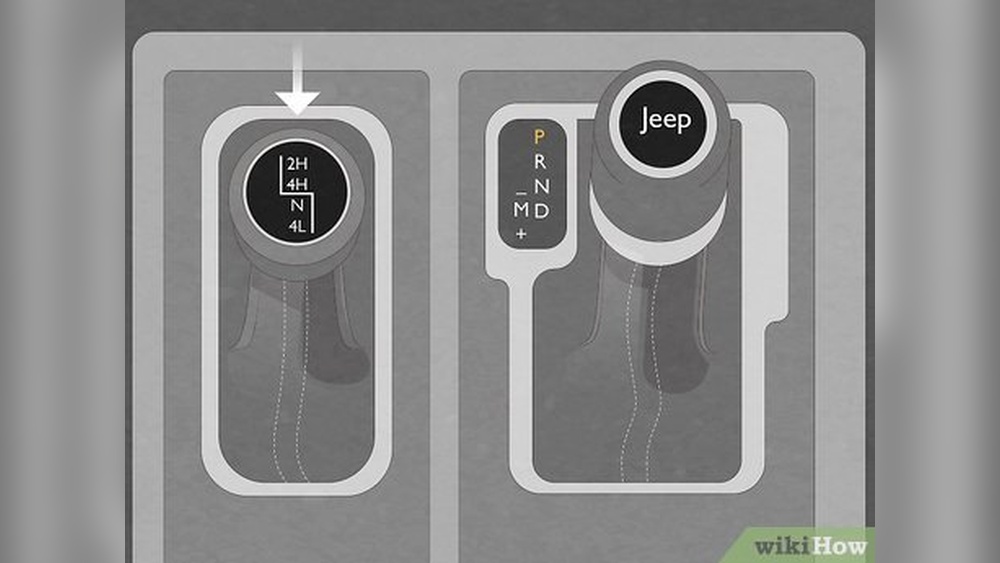
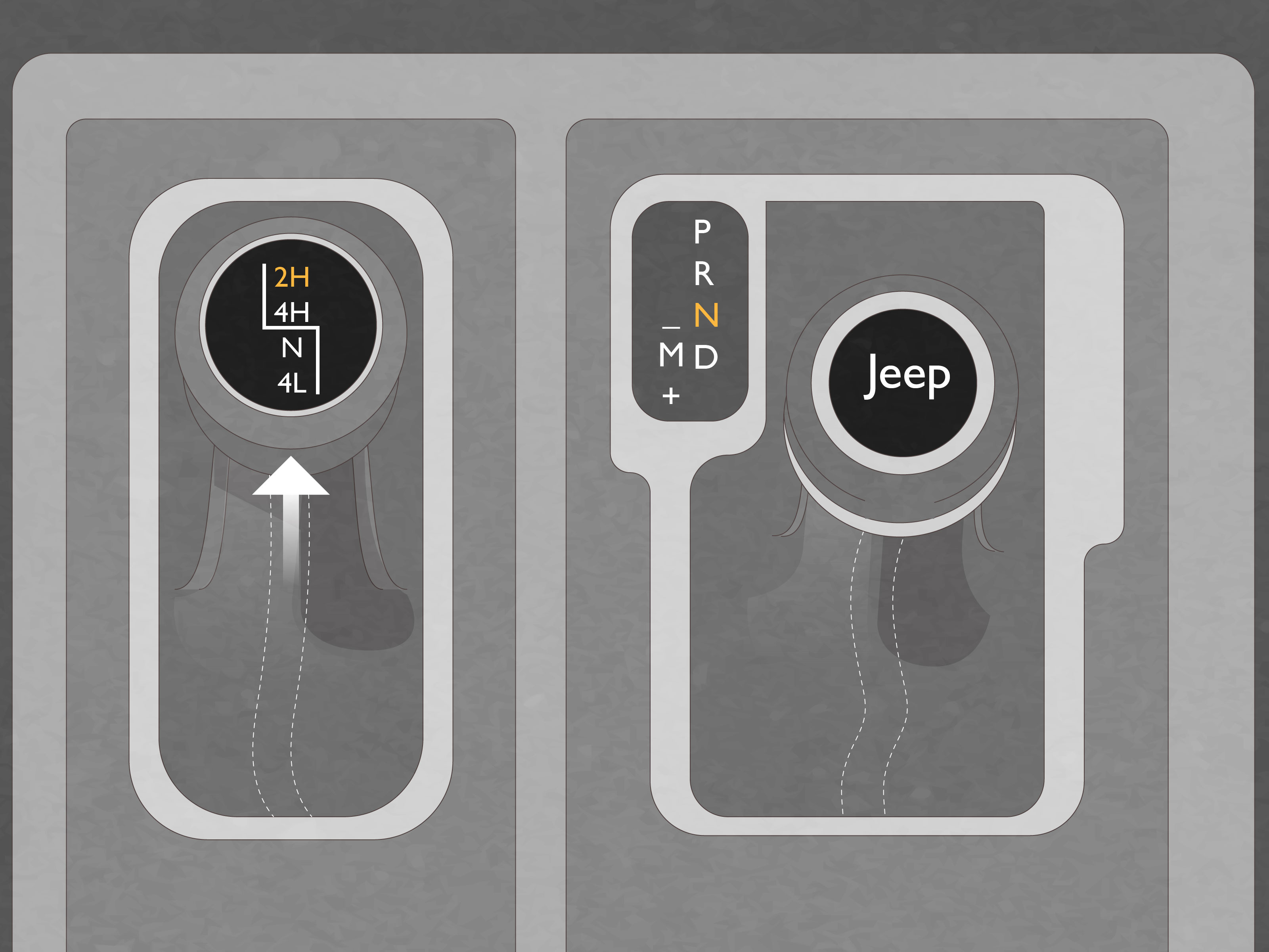
This is often found in the Jeep Wrangler Sport and some other models. It has a lever near the gear shift with these positions:
- 2H (2 Wheel Drive High)
- 4H (4 Wheel Drive High)
- N (Neutral)
- 4L (4 Wheel Drive Low)
Rock-trac
Usually in Rubicon models. It is similar to Command-Trac but is designed for tougher off-road driving.
Selec-trac
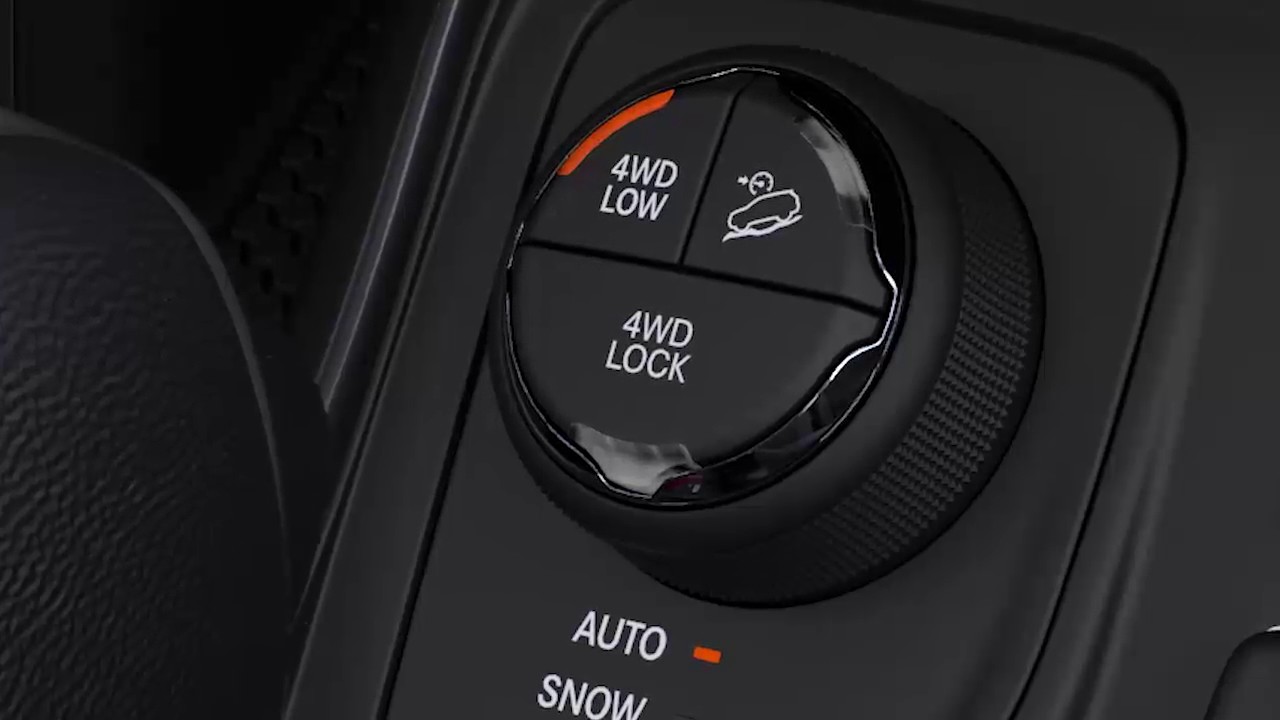
This is more advanced and found in some Cherokee and Grand Cherokee models. It has an electronic dial or switch instead of a lever and can automatically switch between 2WD and 4WD.
| 4WD System | Control Type | Main Use |
|---|---|---|
| Command-Trac | Manual Lever | General Off-Road |
| Rock-Trac | Manual Lever | Extreme Off-Road |
| Selec-Trac | Electronic Dial | Mixed/Automatic |
Tip: Check your owner’s manual or look for labels near the shift lever or dial if you are not sure which system you have.
When Should You Use 4 Wheel Drive?
It is important to use 4WD only when you need it. Using it on dry pavement can damage your Jeep.
- 4H (High): For snow, rain, loose gravel, or muddy roads.
- 4L (Low): For steep hills, deep mud, sand, or slow-speed rock crawling.
- 2H: For normal, dry road driving.
Non-obvious insight: 4WD does not help you stop faster. It only helps with traction when moving forward.
Steps To Put A 2018 Jeep In 4 Wheel Drive
The process will depend on which system your Jeep uses. Here are the steps for each.
Putting Command-trac Or Rock-trac In 4h
- Slow Down: Make sure you are driving below 45 mph.
- Keep Moving Straight: Do not turn the wheels sharply.
- Pull the Lever: Move the transfer case lever from 2H to 4H. You can do this while driving.
- Check the Dash: The 4WD light should come on.
Practical tip: If you feel resistance, stop the vehicle and try again gently. Never force the lever.
Switching To 4l
- Stop the Jeep: Come to a complete stop and keep your foot on the brake.
- Shift to Neutral: Place the main gear selector in neutral (N).
- Move the Lever: Firmly pull the transfer case lever from 2H or 4H to 4L.
- Return to Drive: Shift the main gear selector to drive and move slowly.
Non-obvious insight: Only use 4L at speeds below 25 mph. It is for power, not speed.
Using Selec-trac
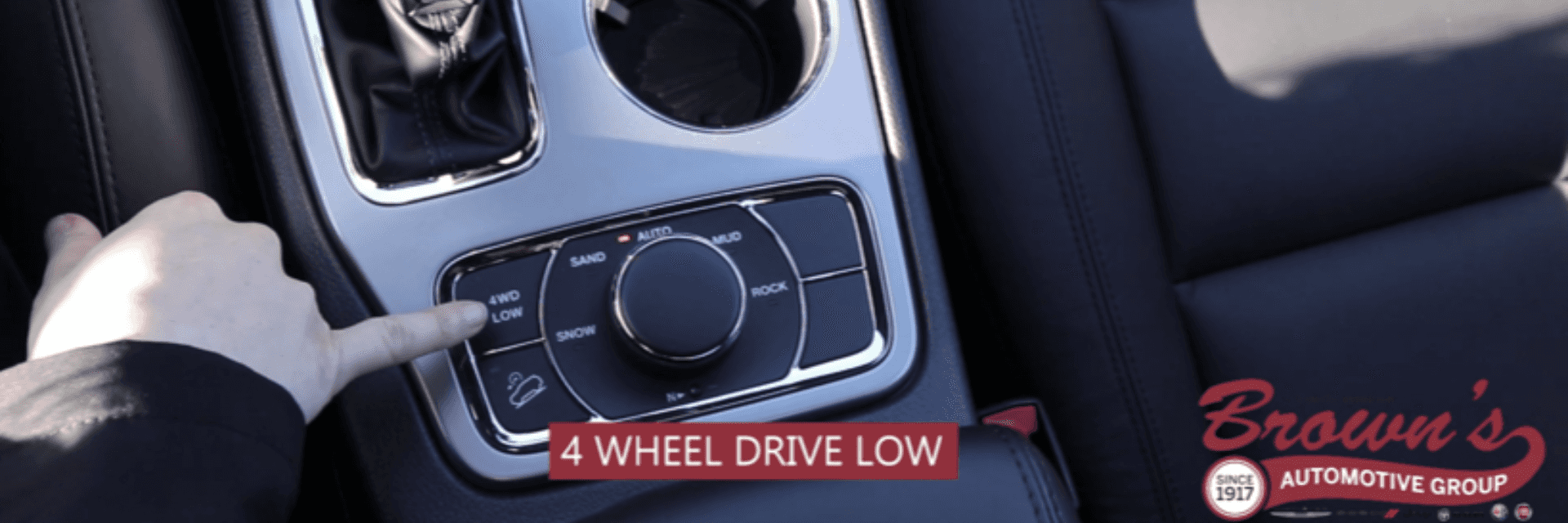
- Find the Dial/Switch: It may say “4WD Auto,” “4WD Low,” or “4WD High.”
- Select 4WD Auto/High: You can do this while moving, usually under 45 mph.
- For 4WD Low: Stop the vehicle, shift to neutral, then choose “4WD Low.”
- Wait for Indicator: The dashboard light will show the mode is active.
Example: If you are driving on a snowy street, use 4WD Auto/High. For deep sand or climbing rocks, use 4WD Low.
| Driving Condition | Best 4WD Mode | Speed Limit |
|---|---|---|
| Snowy Road | 4H / 4WD Auto | Below 45 mph |
| Deep Mud | 4L / 4WD Low | Below 25 mph |
| Dry Pavement | 2H | Any |
Common Problems And How To Fix Them
Even if you follow the steps, you might run into trouble. Here are some issues and what to do.
4wd Light Is Flashing
If the 4WD light blinks but does not stay on, the system might not be fully engaged. Try:
- Stopping the vehicle
- Shifting to neutral and repeating the process
- Making sure the wheels are straight
Hard To Move The Lever
Sometimes, the transfer case lever feels stuck. Do not force it. Try:
- Rolling the Jeep slowly back and forth
- Shifting the main gear from drive to neutral, then back
4wd Not Engaging
If you hear a grinding noise or nothing happens:
- Check for low transfer case fluid
- Look for warning messages on the dashboard
- Visit a Jeep dealer if the problem continues
Non-obvious insight: If you use 4WD rarely, the system can get stiff. Engage it briefly every few months to keep it working smoothly.
Tips For Safe 4wd Use
- Do not use 4WD on dry pavement—it can cause drivetrain damage.
- Do not turn sharply in 4WD mode; this stresses the gears.
- Check tire pressure—uneven tires can confuse the 4WD system.
- Practice in an empty lot before using 4WD on real trails or in bad weather.
Confidence tip: Trust your Jeep, but always drive slower than usual in 4WD mode. Traction helps you go, not stop.
Differences Between 4h And 4l
Many people mix up 4H (High) and 4L (Low). Here is a quick comparison:
| Feature | 4H (High) | 4L (Low) |
|---|---|---|
| Use Case | Snow, Rain, Gravel | Deep Mud, Sand, Steep Hills |
| Speed | Up to 45 mph | Below 25 mph |
| Power | Normal | Maximum Torque |
| How to Engage | While Moving | Must Stop, Shift to Neutral |
What Not To Do With 4wd
Mistakes can be costly. Here are common errors to avoid:
- Switching to 4L at high speed—this can break gears.
- Using 4WD on dry pavement—wears out tires and drivetrain.
- Ignoring warning lights—could lead to expensive repairs.
- Forgetting to return to 2H after leaving rough terrain.
- Mixing tire sizes—all tires should be the same size and pressure.
Practical advisor tip: Always shift back to 2H when you return to normal roads. This saves gas and reduces wear.
Maintenance And Care
To keep your 2018 Jeep 4WD system working well:
- Check transfer case fluid every 30,000 miles or as the manual says.
- Engage 4WD every few months to keep parts lubricated.
- Listen for noises—grinding or clunking means get it checked.
Real example: Some drivers only use 4WD in winter, but regular use—even for a few minutes—can prevent parts from seizing up.
2018 Jeep Models With 4wd
Not every Jeep has the same system. Here are popular 2018 models that offer 4WD:
- Jeep Wrangler
- Jeep Grand Cherokee
- Jeep Cherokee
- Jeep Compass
- Jeep Renegade
Each model may use Command-Trac, Rock-Trac, or Selec-Trac. Always check your specific Jeep’s manual.
Advanced Tips For Off-roaders
- Lower your tire pressure (by a few PSI) for better grip in sand or snow.
- Carry a tow strap, shovel, and small air compressor.
- Avoid deep water—4WD helps with mud but not with water over the axles.
Non-obvious insight: Some Jeep 4WD systems have electronic locking differentials—learn how to use them if you plan serious off-roading.
How Do I Know If My 4wd Is Working?
When 4WD is active, you should see a 4WD light on your dashboard. You may also feel the steering wheel get heavier, and the Jeep will handle differently, especially on slippery roads.
Can I Switch To 4wd While Driving?
Yes, for 4H (High) you can switch while moving, usually below 45 mph. For 4L (Low), stop the vehicle and shift the main gear selector to neutral first.
Does 4wd Help On Ice?
It helps with traction but not with stopping. Drive slowly, and remember that 4WD cannot beat the laws of physics—ice is always slippery.
What Happens If I Use 4wd On Dry Pavement?
This can cause drivetrain binding or even break parts. Only use 4WD on loose, wet, or slippery surfaces.
Where Can I Find More Information About My Jeep’s 4wd System?
Check your owner’s manual or visit the official Jeep Owners page for detailed guides and videos.
Using your 2018 Jeep’s 4WD system is easy once you understand the basics. The key is to know your Jeep’s 4WD type, use the right mode for the right road, and avoid common mistakes.
With practice, you will feel confident switching between 2WD and 4WD, making every trip safer and more fun.
Always treat your Jeep with care, and it will take you wherever adventure calls.