Driving in challenging weather or on rough terrain can be stressful. If you own a 2017 Jeep Compass, you have a powerful tool at your fingertips: 4 Wheel Drive (4WD). But many owners are unsure how to use it properly. This guide will make the process clear, simple, and safe. Whether you’re preparing for winter, heading off-road, or just curious, you’ll learn how to put your 2017 Jeep Compass in 4 wheel drive, plus some extra tips to protect your vehicle and drive with confidence.
Understanding 4 Wheel Drive In The 2017 Jeep Compass
The 2017 Jeep Compass comes with two main types of drivetrain systems: Jeep Active Drive and Jeep Active Drive Low. Both offer automatic 4WD engagement, but you can also manually select driving modes for better performance. Knowing which system you have is the first step.
- Jeep Active Drive: Standard on most models. It automatically switches between 2WD and 4WD as needed.
- Jeep Active Drive Low: Available on Trailhawk models. It includes a special “low range” for tougher off-road conditions.
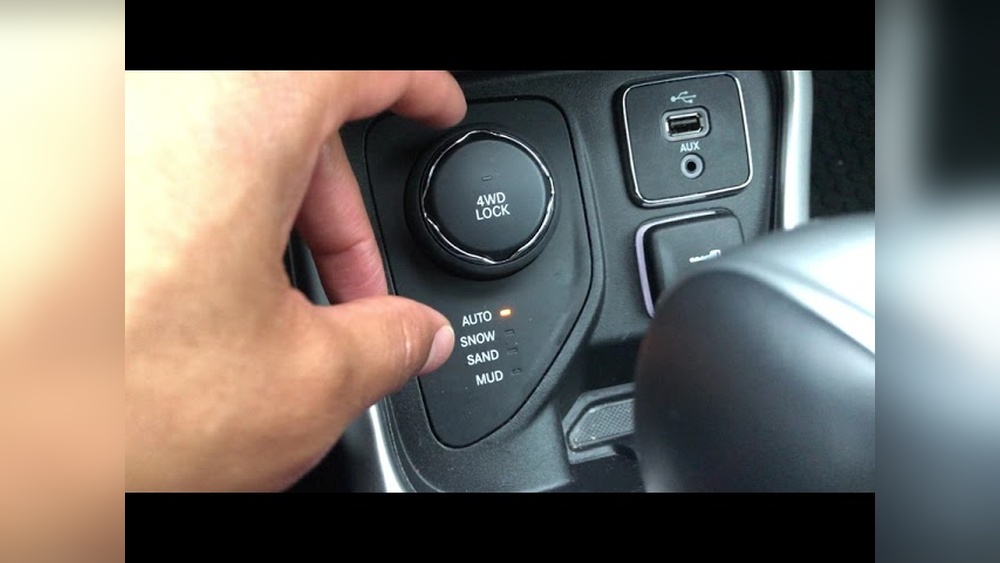
Both systems use a Selec-Terrain® Traction Management System. This system lets you choose modes like Auto, Snow, Sand, or Mud to match the road surface.
Checking Your Compass’s 4wd System
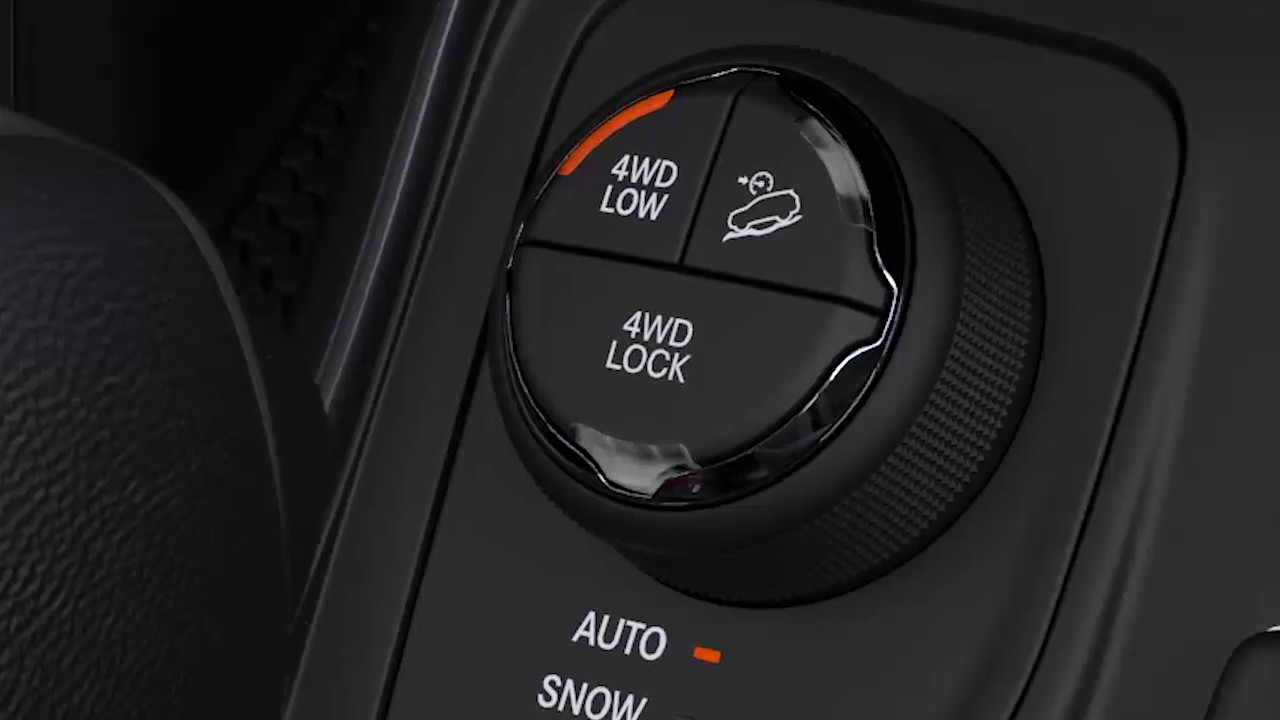
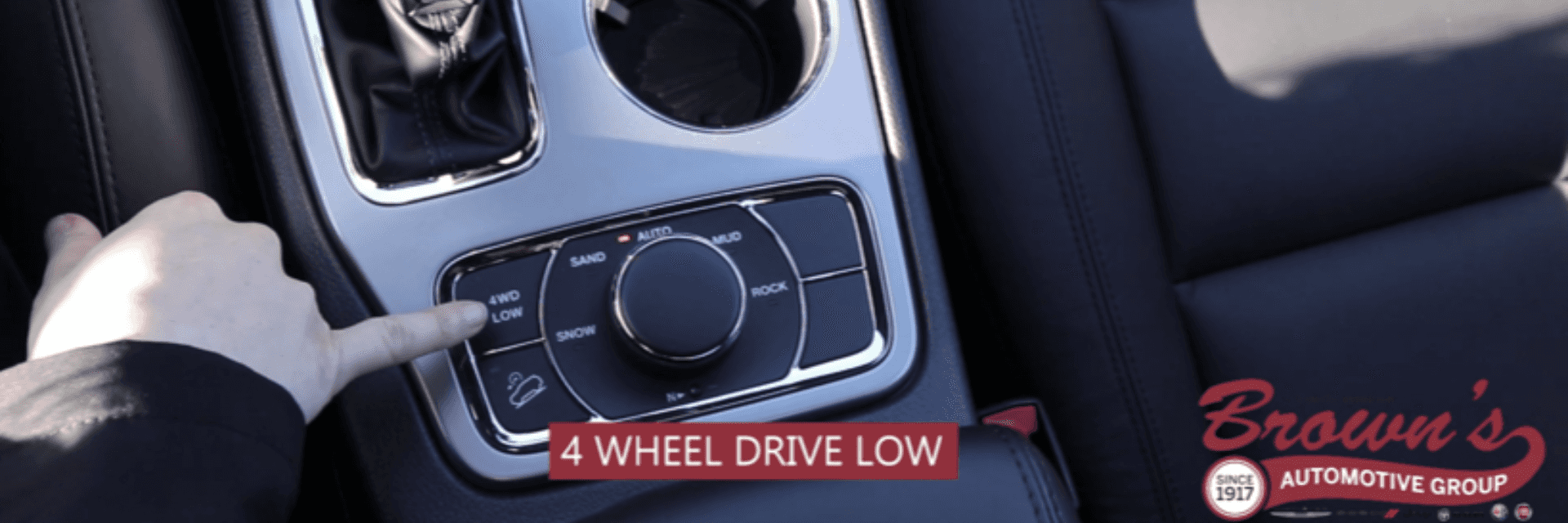
Before you try to use 4WD, you need to confirm which system your Compass has. Check your owner’s manual or look for badges on your vehicle. The Trailhawk badge means you have the Jeep Active Drive Low system with extra features. You can also check inside the vehicle for the Selec-Terrain® knob—this is how you control the modes.
How To Put Your 2017 Jeep Compass In 4 Wheel Drive
Let’s go through the steps. The process is easy, but following each one carefully will protect your vehicle and keep you safe.
1. Start Your Compass And Check The Dashboard
Make sure your engine is on and your vehicle is in “Park” or “Drive. ” Look for any warning lights.
If your check engine or 4WD warning lights are on, do not attempt to use the 4WD system. Get your Jeep checked by a professional.
2. Locate The Selec-terrain® Knob
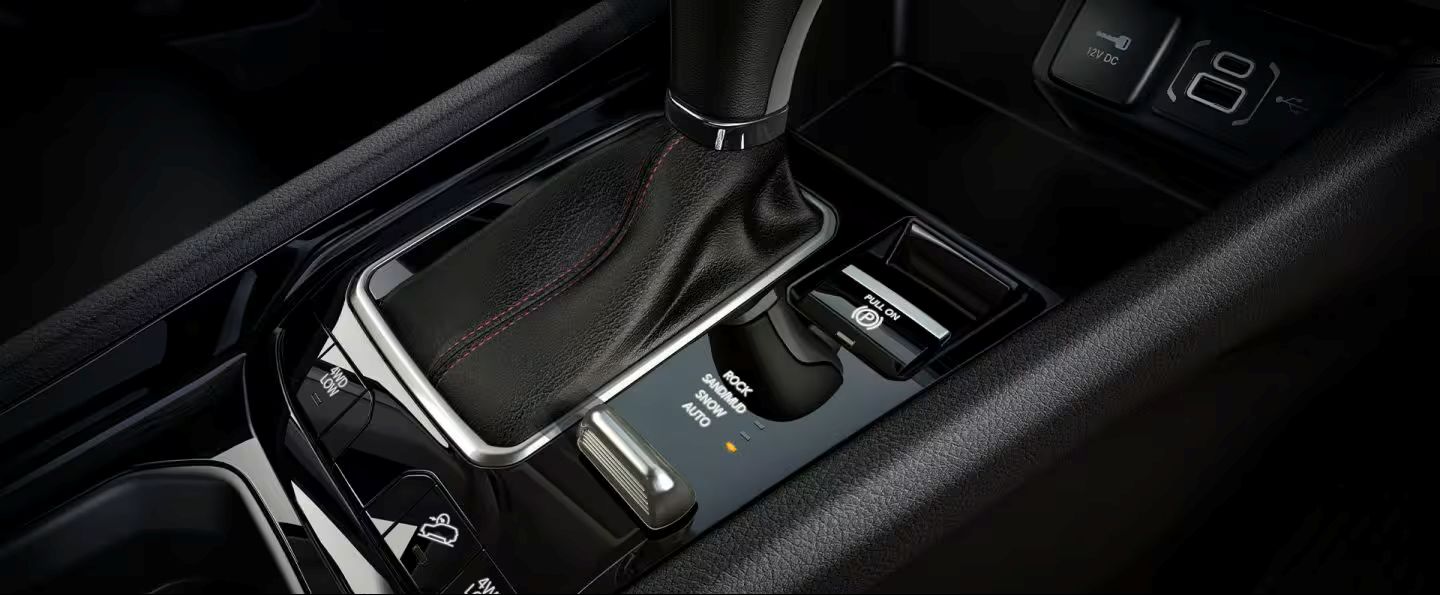
The Selec-Terrain® knob is usually on the center console, near the gear shifter. You’ll see several modes: Auto, Snow, Sand, Mud, and, for Trailhawk, Rock.
3. Choose The Right Mode
Turn the knob to the mode that matches your driving conditions:
- Auto: For everyday driving on dry roads. The system decides when to use 4WD.
- Snow: For icy, snowy, or slippery roads.
- Sand: For loose sand or soft dirt.
- Mud: For muddy, uneven surfaces.
- Rock (Trailhawk only): For rocky trails and steep climbs.
When you select a mode, you’ll hear a click and see the mode light up on your dashboard. This means the system is now active.
4. Wait For Confirmation
After turning the knob, wait a few seconds. The dashboard will show the selected mode.
Once the light is steady, your Compass is in 4WD mode. Do not try to change modes while driving at high speed.
5. Start Driving
Now you can drive as normal. The system will automatically adjust power to each wheel for the best grip.
For severe off-road conditions, go slowly and avoid sudden movements.
6. Switching Back To Auto
When you return to normal roads, turn the Selec-Terrain® knob back to Auto. This helps save fuel and reduces wear on your 4WD system.
Key Differences: Jeep Compass 4wd Vs Other Suvs
Not all 4WD systems work the same way. The 2017 Jeep Compass uses an on-demand 4WD system, which means it only engages when needed. Many other SUVs require you to manually engage 4WD with a lever or switch.
Here’s a quick comparison:
| Feature | 2017 Jeep Compass | Traditional 4WD SUV |
|---|---|---|
| Engagement | Automatic/Manual (via Selec-Terrain®) | Manual (switch/lever) |
| Low Range Option | Trailhawk only | Most models |
| Fuel Efficiency | Higher (auto disengages) | Lower (if left engaged) |
| Ease of Use | Very easy | Can be complex |
When Should You Use 4 Wheel Drive?
Many drivers wonder when they actually need 4WD. Here are the most common situations:
- Snowy or icy roads: 4WD improves traction and control.
- Loose sand or gravel: Prevents wheels from spinning.
- Mud or wet grass: Reduces risk of getting stuck.
- Off-road trails: For climbing, rocks, and uneven ground.
- Towing or carrying heavy loads: More stability in tough conditions.
Using 4WD on dry pavement is not necessary and can increase wear.
Practical Tips For Using 4wd Safely
1. Engage 4wd Before You Need It
If you see a rough patch ahead, switch modes before you reach it. This keeps you from getting stuck.
2. Slow Down
4WD helps with traction, not stopping. Drive slower than usual, especially in snow or mud.
3. Avoid Sharp Turns
Turning sharply while in 4WD can strain your vehicle’s drivetrain.
4. Check Tire Pressure
Uneven or low tire pressure can reduce the effectiveness of 4WD.
5. Don’t Use 4wd On Dry Pavement
On dry, hard roads, using 4WD can damage your system over time.
6. Read Your Owner’s Manual
Jeep provides specific advice for your exact model. Always check if you’re unsure.
Many new owners forget to practice using 4WD before they actually need it. Try switching between modes in a safe, empty parking lot so you’re comfortable before facing real challenges.
Common Mistakes To Avoid
- Forgetting to switch back to Auto mode: This can waste fuel.
- Trying to change modes at high speeds: Always slow down first.
- Ignoring dashboard warning lights: These can signal a problem with your 4WD system.
- Assuming 4WD makes you invincible: It helps with traction but won’t fix all driving problems.
A surprising fact: About 30% of drivers with 4WD vehicles have never actually used the feature, often because they are unsure how it works. Don’t let this be you—practice and understand your system.
Maintenance Tips For Your 4wd System
Taking care of your 4WD system is essential for long life and safety. Here are some easy maintenance steps:
- Check fluid levels: Transfer case and differential fluids should be inspected regularly.
- Listen for strange noises: Clicking or grinding sounds can mean trouble.
- Inspect undercarriage after off-roading: Look for damage to 4WD components.
- Service according to Jeep’s schedule: Your owner’s manual lists when to perform key checks.
If you want more in-depth technical info, you can read about 4WD systems on the official Jeep website.
Troubleshooting: What If 4wd Doesn’t Work?
If your 4WD system doesn’t engage, try these checks:
- Is your vehicle in Park or Neutral? Some modes require this.
- Are you moving too fast? Slow down and try again.
- Is there a warning light? If yes, seek professional help.
- Is the knob or switch working? Sometimes dirt or debris can cause issues.
If problems continue, visit a certified Jeep mechanic.
Real-world Example: Using 4wd In Snow
Imagine you’re driving your 2017 Jeep Compass on a snowy morning. Before you leave your driveway, you turn the Selec-Terrain® knob to Snow. The dashboard confirms the mode. As you drive, you notice the car feels steady, even on icy patches. Later, when the roads are clear, you switch back to Auto to save gas. This simple process keeps you safe and protects your vehicle.
Expert Insight: Two Details Most Drivers Miss
1. Mode Selection Affects Braking
While 4WD helps with acceleration, it does not improve braking. When you switch to Snow or Mud mode, remember to give yourself extra distance to stop.
2. Auto Mode Uses 2wd Most Of The Time
In Auto, your Compass saves fuel by running in 2WD until it senses a loss of traction. Many people think 4WD is always active this is only true in selected modes or when conditions require it.
Comparing 4wd Modes: Which One Should You Use?
Here’s a quick look at when to use each Selec-Terrain® mode:
| Mode | Best For | Speed Limit | Available On |
|---|---|---|---|
| Auto | Normal roads | No specific limit | All models |
| Snow | Ice, snow, slippery | Up to 40 mph | All models |
| Sand | Loose sand, dirt | Up to 30 mph | All models |
| Mud | Mud, wet grass | Up to 25 mph | All models |
| Rock | Rocks, steep hills | Very slow | Trailhawk only |
How Do I Know If My 2017 Jeep Compass Is In 4wd?
Check your dashboard. When you select a Selec-Terrain® mode (other than Auto), an indicator will light up.
In Auto, 4WD activates automatically when needed, but the light may not always be on.
Can I Switch To 4wd While Driving?
Yes, you can change modes while driving at low speeds. For best results, slow down to below 30 mph before switching.
Never try to switch modes at highway speeds.
Is It Okay To Use 4wd All The Time?
No, it’s best to use 4WD only when needed. Driving in 4WD on dry pavement can cause extra wear and lower your fuel efficiency.
What If The 4wd System Doesn’t Engage?
If the system doesn’t engage, check if you are in the correct gear (Park or Neutral for some modes), and that your speed is low enough. If problems continue, see a Jeep mechanic.
Does 4wd Help With Braking?
No. 4WD improves traction for moving forward but does not help you stop faster.
Always increase your following distance in slippery conditions.
Using the 4 Wheel Drive system in your 2017 Jeep Compass is simple once you know how. With the right steps and a little practice, you’ll be ready for anything—rain, snow, or the open trail. Remember to use your system wisely, keep up with maintenance, and enjoy the freedom your Compass offers. Safe travels!