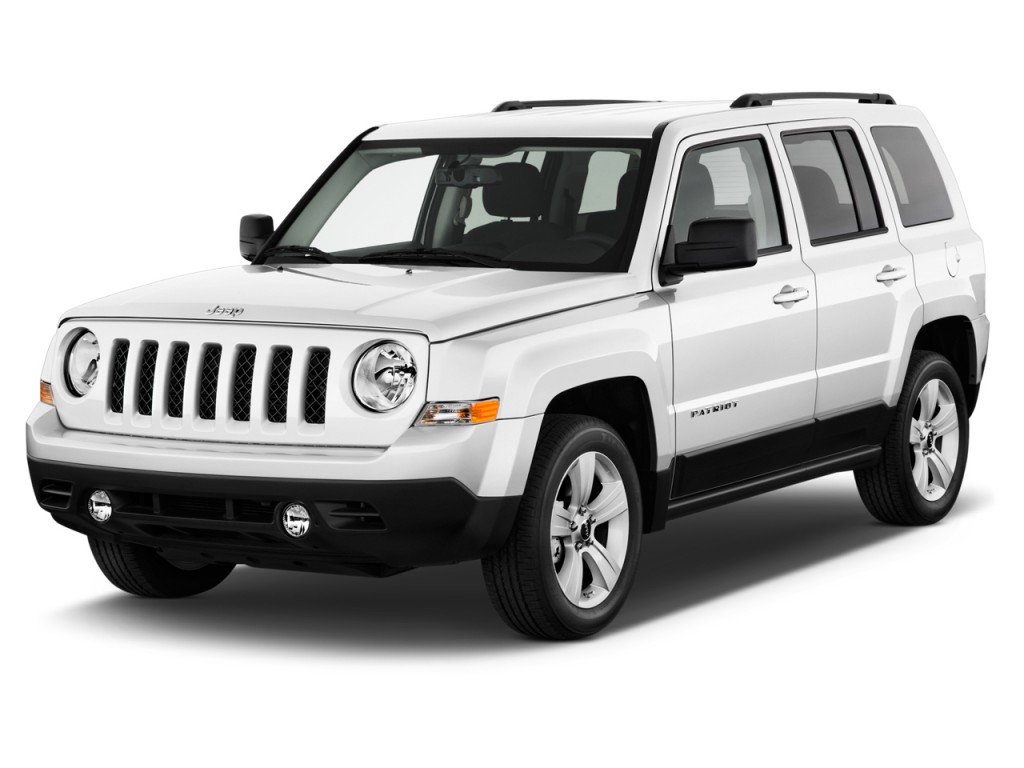
Many Jeep Patriot owners want to know how to engage their 4 wheel drive system, especially when road or weather conditions get tough. The 2012 Jeep Patriot is popular for its mix of comfort and off-road capability, but understanding how to use its 4WD system can be confusing if you’re new to Jeeps or switching from another vehicle. This guide walks you through every step, answers common questions, and offers tips so you can use your 2012 Jeep Patriot’s 4WD safely and confidently.
Understanding The 2012 Jeep Patriot 4 Wheel Drive System
Before you put your Jeep Patriot in 4WD, it helps to know which system you have. The 2012 model comes with two main types:
- Freedom Drive I: An automatic all-wheel drive system that works without driver input. It sends power to the rear wheels when the front wheels lose traction.
- Freedom Drive II: Adds a “Lock” mode, giving more control in tough conditions. This is closer to traditional 4WD.
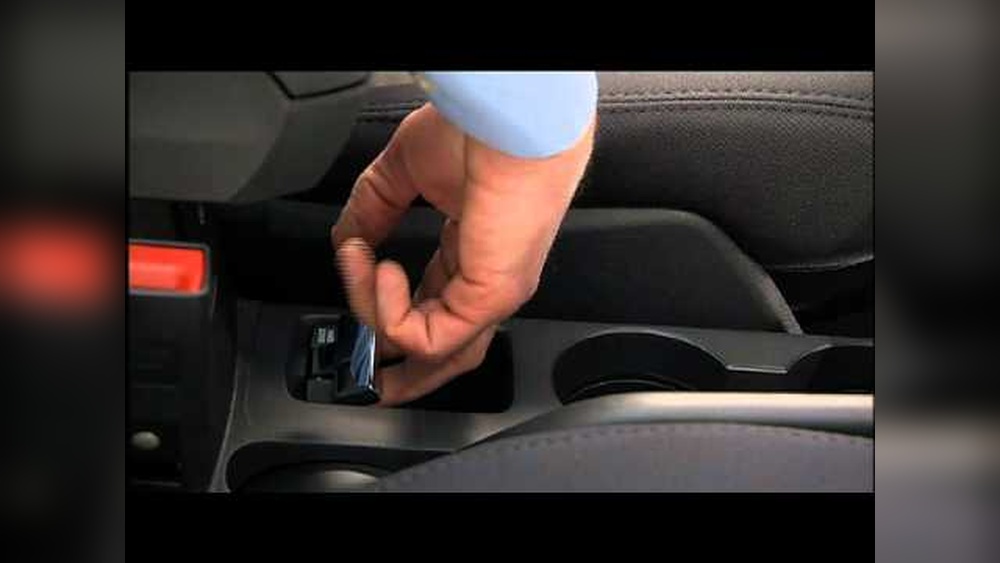
Most 2012 Jeep Patriots have Freedom Drive I, but some have the Freedom Drive II package, especially if they’re “Trail Rated. ” Check your owner’s manual or look for a “4WD Lock” lever or button near your gear shifter.
Non-obvious insight: Even if your Patriot says “4WD,” it may not have the same system as larger Jeeps or trucks. It’s designed more for snow, sand, and light off-roading, not serious rock crawling.
When To Use 4 Wheel Drive
Engaging 4 wheel drive is useful when:
- Roads are snowy, icy, or muddy
- You’re driving on sand or loose gravel
- You need extra traction going up steep hills
You don’t need 4WD on dry, paved roads. Using it when there’s good traction can cause unnecessary wear and lower fuel efficiency.
How To Put Your 2012 Jeep Patriot In 4 Wheel Drive
Let’s get practical. Here are step-by-step instructions for both Freedom Drive I and Freedom Drive II systems.
For Patriots With Freedom Drive I
- Start driving normally. The system is always on and activates automatically if the front wheels slip.
- No action needed. You don’t need to press a button or move a lever. The vehicle’s computer decides when to send power to the rear wheels.
- Indicator light. If the rear wheels are being powered, a light may flash on your dashboard.
For Patriots With Freedom Drive Ii (with 4wd Lock)
- Locate the 4WD Lock lever. It’s usually next to the gear shifter.
- Drive below 10 mph (16 km/h). For best results, slow down or stop.
- Pull the 4WD Lock lever or press the button. You’ll feel a small click.
- Look for the 4WD light. A symbol should light up on your dashboard, showing 4WD is engaged.
- Drive as needed. You now have extra traction for rough conditions.
Non-obvious insight: The “4WD Lock” in Freedom Drive II doesn’t lock the center differential like in some trucks. Instead, it tells the computer to send more power to the rear wheels, but it’s still controlled electronically.
How To Disengage 4 Wheel Drive
When road conditions improve, switch back to regular drive.
- Freedom Drive I: The system switches back automatically when you’re on good roads.
- Freedom Drive II: Push the 4WD Lock lever/button back to “Off.” The dashboard light should go out.
Driving in 4WD on dry pavement is not recommended.
Comparison: Freedom Drive I Vs Freedom Drive Ii
Here’s a quick look at the main differences:
| Feature | Freedom Drive I | Freedom Drive II |
|---|---|---|
| Type | Automatic AWD | Selectable 4WD Lock |
| Driver Control | No manual input | Manual lever/button |
| Best For | Snow, rain, light off-road | Deeper mud, sand, steeper trails |
| Trail Rated | No | Yes (with Off-Road package) |
Tips For Safe 4wd Use
- Slow down before switching. Always engage or disengage 4WD Lock at low speeds (under 10 mph).
- Don’t use 4WD on dry pavement. It can damage your drivetrain over time.
- Practice before you need it. Try engaging 4WD in a safe parking lot so you’re not learning during a snowstorm.
- Check your tires. Worn tires reduce the benefit of 4WD.
- Know your limits. 4WD helps with traction, but it doesn’t make your vehicle stop faster on ice.
Real-world Example: Using 4wd In Snow
Imagine driving your 2012 Jeep Patriot after a heavy snow. The road is slippery, and your front wheels start to spin.
If you have Freedom Drive I, you just keep driving. The system automatically sends power to the rear wheels. You may notice the dashboard light flicker as it works.
If you have Freedom Drive II, you can pull the 4WD Lock lever before you start driving. This gives you extra grip, especially if the snow is deep or you’re starting on a hill.
Once you’re back on clear roads, make sure to turn 4WD Lock off to save gas and reduce wear.
Common Mistakes To Avoid
- Leaving 4WD Lock on all the time. It’s tempting, but it puts extra strain on your system and lowers fuel economy.
- Engaging 4WD at high speed. Always slow down first to avoid damage.
- Expecting 4WD to solve everything. It helps with traction but not with braking or cornering.
- Ignoring maintenance. Regular checks of your tires, fluids, and drivetrain are key for reliable 4WD operation.
Quick Troubleshooting Guide
Sometimes, your 4WD system might not work as expected. Here’s what to check:
| Problem | Possible Cause | Solution |
|---|---|---|
| 4WD light doesn’t come on | Electrical issue, blown fuse | Check fuses, visit mechanic |
| Can’t move lever/button | Vehicle not in correct gear or speed | Shift to neutral, slow down |
| No extra traction in snow | Worn tires, system fault | Check tires, get system checked |
Maintenance Tips For 4wd Systems
Keeping your 4WD system in good condition is important for safety and performance.
- Change transfer case fluid as recommended (about every 30,000 miles).
- Inspect the 4WD linkage if you feel stiffness or grinding.
- Listen for noises. Unusual sounds when switching into 4WD could mean a problem.
- Have the system checked by a professional before winter.

Data: 4wd Use And Fuel Economy
It’s helpful to know how 4WD affects your gas mileage. Engaging 4WD can lower your fuel economy by 5-10%, depending on how often you use it and road conditions.
| Driving Mode | Estimated MPG (City/Highway) |
|---|---|
| 2WD (Normal) | 21 / 27 |
| 4WD Engaged | 19 / 25 |
These numbers can change based on your driving style, tire condition, and cargo weight.
What If Your Patriot Gets Stuck?
Even with 4WD, you can get stuck in deep mud or snow. Here’s what to do:
- Don’t spin your wheels. This can dig you in deeper.
- Switch to 4WD Lock (if you have it) and gently rock the vehicle back and forth.
- Clear obstacles. Remove mud, snow, or sand from around the tires.
- Use traction aids. Sand, kitty litter, or special traction mats can help.
- Get help if needed. Sometimes a tow is the safest option.
Extra Advice: Getting The Most From Your 4wd
- Use quality tires rated for your local weather.
- Practice in safe conditions so you know what to expect.
- Learn to read terrain. Snow, mud, and sand all behave differently.
- Carry an emergency kit with a shovel, blanket, and basic tools in case you get stuck.
Reliable Resources For More Information
For more details about your Jeep’s systems, you can check the official Jeep website or your owner’s manual. There are also good resources at Jeep Patriot Official Page.
How Do I Know If My 2012 Jeep Patriot Has Freedom Drive I Or Ii?
Check your gear shifter area for a “4WD Lock” lever or button. If you see one, you likely have Freedom Drive II.
The owner’s manual also lists your drivetrain type.
Can I Shift Into 4wd While Driving?
For Freedom Drive II, you should slow down to under 10 mph before engaging 4WD Lock. Freedom Drive I works automatically, so you don’t need to do anything while driving.
Is It Safe To Use 4wd On Highways?
You don’t need 4WD on dry highways, and using it there can lower your fuel economy. Only use 4WD on highways if road conditions are snowy, icy, or very slippery.
Does 4wd Help With Braking?
No. 4WD helps with traction when accelerating, but it doesn’t improve braking on slick surfaces. Always drive carefully in poor conditions.
What Should I Do If My 4wd System Is Not Working?
Check your fuses, make sure your tires are in good shape, and try engaging 4WD at a stop. If problems continue, visit a mechanic or Jeep dealer for a diagnostic.
Driving a 2012 Jeep Patriot with 4WD is a great way to feel safer in bad weather and explore new places. With the right knowledge, you can use your 4WD system wisely and avoid common mistakes. Practice safe driving, keep your vehicle well maintained, and you’ll be ready for whatever the road brings.