If you own a 2011 Jeep Grand Cherokee, you have a vehicle designed to handle both city roads and rough terrain. One of its most useful features is the 4-wheel drive (4WD) system. Knowing how to use 4WD is important for safe driving in snow, mud, or off-road conditions. Many drivers, especially those new to Jeep vehicles, feel unsure about when and how to use this function. This guide will show you, step by step, how to put your 2011 Jeep Grand Cherokee in 4WD, highlight common mistakes, and share helpful tips for everyday use.
Understanding Your 2011 Jeep Grand Cherokee’s 4wd System
The 2011 Jeep Grand Cherokee comes with two main types of 4WD systems: Quadra-Trac II and Quadra-Drive II. Both are automatic systems, which means they decide how much power goes to each wheel. However, you still need to know how to use their features.
- Quadra-Trac II: Sends power to all wheels when needed. Includes a low-range mode for tough situations.
- Quadra-Drive II: More advanced, with extra features for severe off-road or slippery conditions.
Not all Grand Cherokees have the same system, so check your owner’s manual or dashboard labels to know which one you have.
How To Put Your 2011 Jeep Grand Cherokee In 4wd
1. Identify Your 4wd Controls
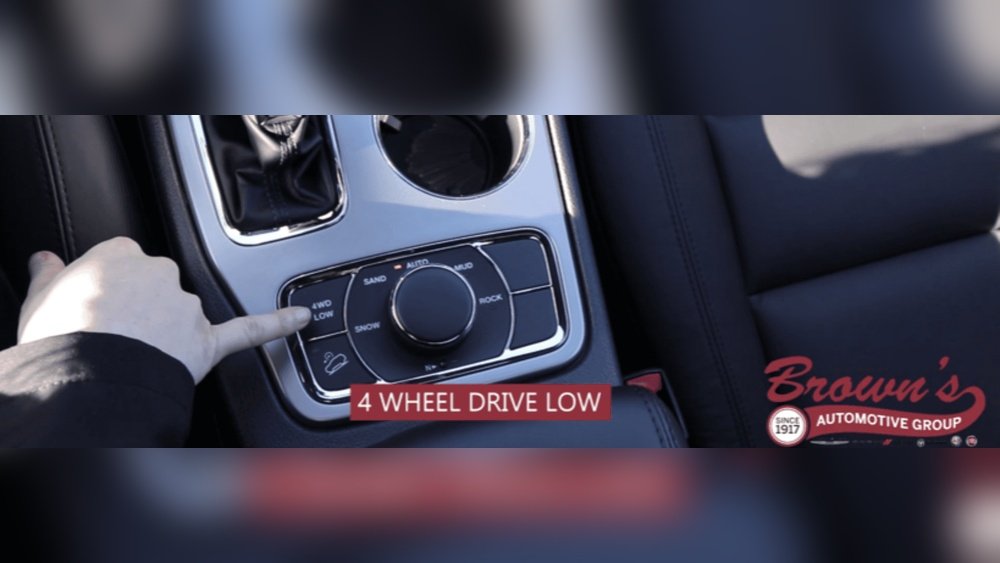
Look near the gear shift for the Selec-Terrain knob (if equipped) or buttons labeled with 4WD LOW. Some models have a shifter for low-range mode. Your options might include:
- Auto (normal driving)
- Snow
- Sand/Mud
- Rock
- 4WD LOW (for deep mud or steep hills)
2. Using 4wd Auto (for Everyday Driving)
By default, the system is in Auto mode. This automatically sends power to all four wheels if it senses slipping. You do not need to do anything extra for light rain or regular roads.
3. Switching To 4wd Low (for Difficult Conditions)
4WD LOW is for deep snow, mud, sand, or steep hills. To switch:
- Stop your vehicle completely.
- Shift the transmission into Neutral (N).
- Press or pull the 4WD LOW button or lever.
- Wait for the dashboard light to confirm 4WD LOW is engaged.
- Shift the transmission to Drive (D) and move slowly.
Never switch to 4WD LOW while driving at speed. Doing so can damage your car’s system.
4. Using Selec-terrain System
Turn the Selec-Terrain knob to match your conditions:
- Snow: For icy or snowy roads.
- Sand/Mud: When driving on loose surfaces.
- Rock: For rocky or uneven terrain (use with 4WD LOW).
Each mode changes how the vehicle acts, giving you the best grip for each situation.
5. Returning To Normal Driving
When you’re back on regular roads:
- Stop the vehicle.
- Shift to Neutral (N).
- Press or pull the 4WD LOW button or lever to turn it off.
- Wait for the dashboard to show you are back in normal mode.
- Shift into Drive (D) and continue.

When Should You Use 4wd?
You do not need 4WD for everyday dry roads. Use it when:
- Roads are icy, snowy, or muddy
- You are off-roading
- You need to climb or descend steep hills
Using 4WD on dry pavement can wear down parts and lower fuel efficiency.
Common Mistakes When Using 4wd
- Engaging 4WD LOW while moving: Always stop first.
- Using 4WD on dry roads: This wears out the system.
- Forgetting to switch back: Driving in 4WD LOW on normal roads hurts your Jeep’s parts.
- Ignoring warning lights: Always check your dashboard for errors after switching modes.

Quick Comparison: Quadra-trac Ii Vs. Quadra-drive Ii
Here is a simple comparison of the two main 4WD systems in the 2011 Grand Cherokee:
| Feature | Quadra-Trac II | Quadra-Drive II |
|---|---|---|
| Type | Full-time 4WD | Full-time 4WD |
| Low Range | Yes | Yes |
| Electronic Limited Slip Differential | No | Yes |
| Selec-Terrain Modes | Yes | Yes |
Tips For Using 4wd Safely
- Practice: Try switching between modes in a safe, open space before you need it on the road.
- Check tires: Good tires are just as important as 4WD for grip.
- Read the manual: Each Jeep can be a bit different.
- Listen for noises: If you hear grinding or clunking, stop and check your system.
Real-world Example
Imagine you’re driving in heavy snow. The Jeep starts to slide. The 4WD Auto mode should automatically send power to all wheels. If it gets worse, stop safely and switch to Snow mode. For deep snowbanks, use 4WD LOW for extra power. Many drivers find that using the right mode makes a huge difference in control and safety.
Data: When Do Drivers Use 4wd Most?
A survey from 2022 found that over 60% of Grand Cherokee owners use 4WD most often in winter, with another 25% using it for off-road trips. Only a small group uses it year-round, usually in areas with rough terrain.

Maintenance Checklist For 4wd Systems
Regular checks help keep your 4WD working well:
| Maintenance Task | Frequency |
|---|---|
| Check transfer case fluid | Every 30,000 miles |
| Inspect tires for even wear | Every 5,000 miles |
| Listen for noises in 4WD | Every use |
| Service 4WD system | As recommended in manual |
Many owners miss the transfer case fluid change. Skipping this can cause costly repairs later.
Two Insights Many Drivers Miss
- 4WD does not help you stop faster. It helps you start moving and keep moving in slippery conditions, but braking on ice is still risky.
- 4WD does not replace safe driving. Always slow down in bad conditions, even with advanced systems.
If you want to dive deeper, the official Jeep site offers detailed explanations and tips: Jeep Life.
Your 2011 Jeep Grand Cherokee gives you strong performance in tough conditions, but only if you use its 4WD system correctly. With a little practice and care, you’ll drive safely no matter what the road brings.
Frequently Asked Questions
How Do I Know If My 2011 Jeep Grand Cherokee Has 4wd?
Check the labels near your gear shift or in the owner’s manual. Most models have a Selec-Terrain knob or a 4WD LOW button.
Can I Switch To 4wd While Driving?
You can switch between normal modes while driving slowly, but you must stop and shift to Neutral before using 4WD LOW.
What Happens If I Use 4wd On Dry Pavement?
Using 4WD on dry roads can wear out parts faster and lower fuel efficiency. Only use it on slippery or rough surfaces.
My 4wd Light Is Flashing—what Should I Do?
A flashing light may mean the system did not engage properly. Stop, shift to Neutral, and try again.
If it keeps flashing, have a mechanic check it.
Does 4wd Help In All Driving Situations?
4WD helps with traction in snow, mud, or off-road. It does not help you stop faster, so always drive carefully in bad weather.