Owning a 2009 Jeep Grand Cherokee means you have a vehicle designed for both comfort and off-road ability. One of its best features is the 4WD system. Knowing how to engage and use four-wheel drive properly can make a big difference, especially in rough weather or challenging terrain. If you’re new to Jeeps, or just want to be sure you’re using your 4WD system correctly, this guide will walk you through the steps, explain different modes, and share some tips that even experienced drivers sometimes overlook.
Understanding The 2009 Jeep Grand Cherokee 4wd Systems
Your 2009 Jeep Grand Cherokee can come with one of three main four-wheel-drive systems: Quadra-Trac I, Quadra-Trac II, or Quadra-Drive II. Each system works a bit differently, but all are designed to help you handle slippery or uneven surfaces.
- Quadra-Trac I is a full-time 4WD system that works automatically. There’s no need to manually shift or select a mode; it’s always on.
- Quadra-Trac II lets you choose between 4WD Auto, 4WD Low, and Neutral. It gives you more control for off-road and tough conditions.
- Quadra-Drive II is the most advanced, adding electronic limited-slip differentials for improved traction. Its controls are similar to Quadra-Trac II.
Knowing which system your Jeep has is important. You can find this information in your owner’s manual or by checking the center console for selector switches.
Steps To Put Your 2009 Jeep Grand Cherokee In 4wd
Let’s go through the steps for each system, focusing on how you actually engage four-wheel drive.
For Quadra-trac I
- No action needed: This system is always in 4WD. Just drive as normal. The system automatically adjusts power between the front and rear wheels based on road conditions.
For Quadra-trac Ii Or Quadra-drive Ii
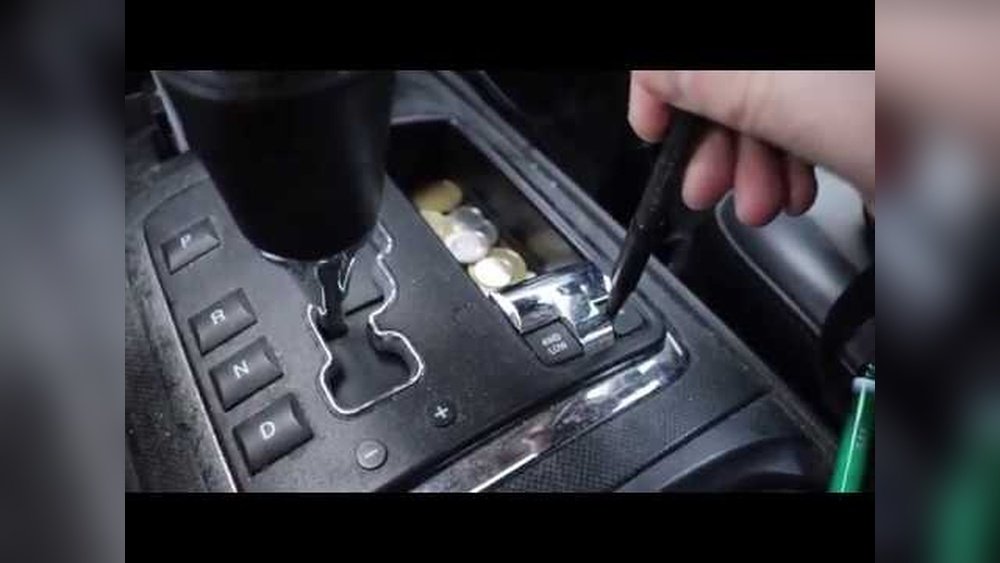
These systems use a small lever or dial near the gear shifter.
To Engage 4wd Auto (default Driving)
- Start the engine and keep your foot on the brake.
- The system is already in 4WD Auto mode. This mode handles most conditions, including rain, light snow, and gravel.
To Engage 4wd Low
- Stop the vehicle completely. Keep your foot on the brake.
- Shift the transmission into Neutral (N). This is a critical step; 4WD Low won’t engage if you’re in Drive or Park.
- Move the 4WD selector to “4WD Low.” You’ll usually feel or hear a slight clunk as it shifts.
- Wait for the 4WD Low indicator light on the dashboard. This confirms the system is engaged.
- Shift the transmission back to Drive (D) or Reverse (R) and continue driving.
4WD Low should only be used for very slippery, steep, or rough off-road conditions—never on dry pavement.
Returning To 4wd Auto
- Stop the vehicle.
- Shift the transmission to Neutral (N).
- Move the selector back to 4WD Auto.
- Wait for the indicator to switch off.
- Return to Drive (D) or Reverse (R).

When To Use 4wd Low
Many drivers only use 4WD Auto, but 4WD Low is made for:
- Deep mud or snow
- Steep hills (up or down)
- Rock crawling or deep sand
If you use 4WD Low on dry roads, you risk damaging the system. It’s not for everyday driving.
Common Mistakes And How To Avoid Them
New Jeep owners often overlook some important details:
- Not stopping before shifting: Trying to engage 4WD Low while moving can damage the transfer case.
- Forgetting to shift to Neutral: The system won’t engage if you’re not in Neutral.
- Using 4WD Low on dry pavement: This causes binding and extra wear.
Remember: Only shift between modes when the vehicle is fully stopped and in Neutral.

Comparison: 4wd Modes And Their Uses
Here’s a look at how the main 4WD modes compare for different situations.
| 4WD Mode | When to Use | Speed Range |
|---|---|---|
| 4WD Auto | Everyday driving, wet roads, light snow | Any speed |
| 4WD Low | Off-road, deep snow/mud, steep hills | Below 25 mph |
Practical Tips For Using 4wd In Your Jeep
- Practice in a safe area: Try switching modes in an empty parking lot to get comfortable.
- Listen for indicator lights and sounds: Always check the dashboard for confirmation.
- Regularly engage 4WD: If you rarely use 4WD Low, engage it for a few minutes once a month. This keeps the system lubricated.
- Check your tires: Uneven tires can cause the 4WD system to work harder and wear out faster.
- Keep up with maintenance: Change fluids in the transfer case and differentials as recommended in your manual.
Here’s a quick comparison of maintenance intervals for key 4WD components.
| Component | Service Interval |
|---|---|
| Transfer Case Fluid | Every 30,000 miles |
| Differential Fluid | Every 30,000 miles |
| 4WD System Check | Every 12 months |

Two Insights Most Owners Miss
- Tire size and wear matter: If your tires are different sizes or very worn, the 4WD system may not work correctly. Always replace all four tires at the same time.
- Battery health affects 4WD: Low battery voltage can sometimes stop electronic 4WD systems from shifting. Make sure your battery is in good condition before heading off-road.
Don’t Forget The Owner’s Manual
Your Jeep’s owner’s manual is the best source for specific instructions and troubleshooting. If you’re ever in doubt, check the manual or visit your local dealer. For more technical details, the official Jeep Owner’s Site is a trusted source.
Frequently Asked Questions
How Do I Know If My 2009 Grand Cherokee Has 4wd?
Look for a 4WD selector lever or dial near your gear shifter. The owner’s manual or a label on the inside of the driver’s door can also tell you.
Can I Switch To 4wd While Driving?
You can switch between 4WD Auto and 4WD Low only when stopped and the transmission is in Neutral. Do not try to engage 4WD Low while moving.
What If The 4wd Low Light Keeps Flashing?
This usually means the system did not engage properly. Try stopping, shifting to Neutral, and selecting 4WD Low again.
Do I Need 4wd In The Rain?
4WD Auto can help with traction in rain or slippery roads, but always drive carefully. 4WD is not a substitute for safe driving.
How Often Should I Use 4wd Low?
Even if you don’t drive off-road, engage 4WD Low for a few minutes every month to keep the system working smoothly.
Learning to use your 2009 Jeep Grand Cherokee’s 4WD system is simple once you understand the basics. Take time to practice, follow these steps, and your Jeep will be ready for almost any road or trail.