Getting your 2004 Jeep Liberty into 4WD is important for driving on rough roads, snow, mud, or sand. Many Jeep owners aren’t sure how to do this correctly. If you use the wrong process, it can damage your vehicle or make it harder to drive. This guide will make the steps simple, so you can switch to 4WD safely and confidently. You’ll learn practical tips, common mistakes, and some extra details that most beginners miss.
Understanding 4wd Modes In The 2004 Jeep Liberty
The 2004 Jeep Liberty comes with a Command-Trac part-time 4WD system. This means you can change between 2WD and 4WD depending on driving conditions.
There are three main modes:
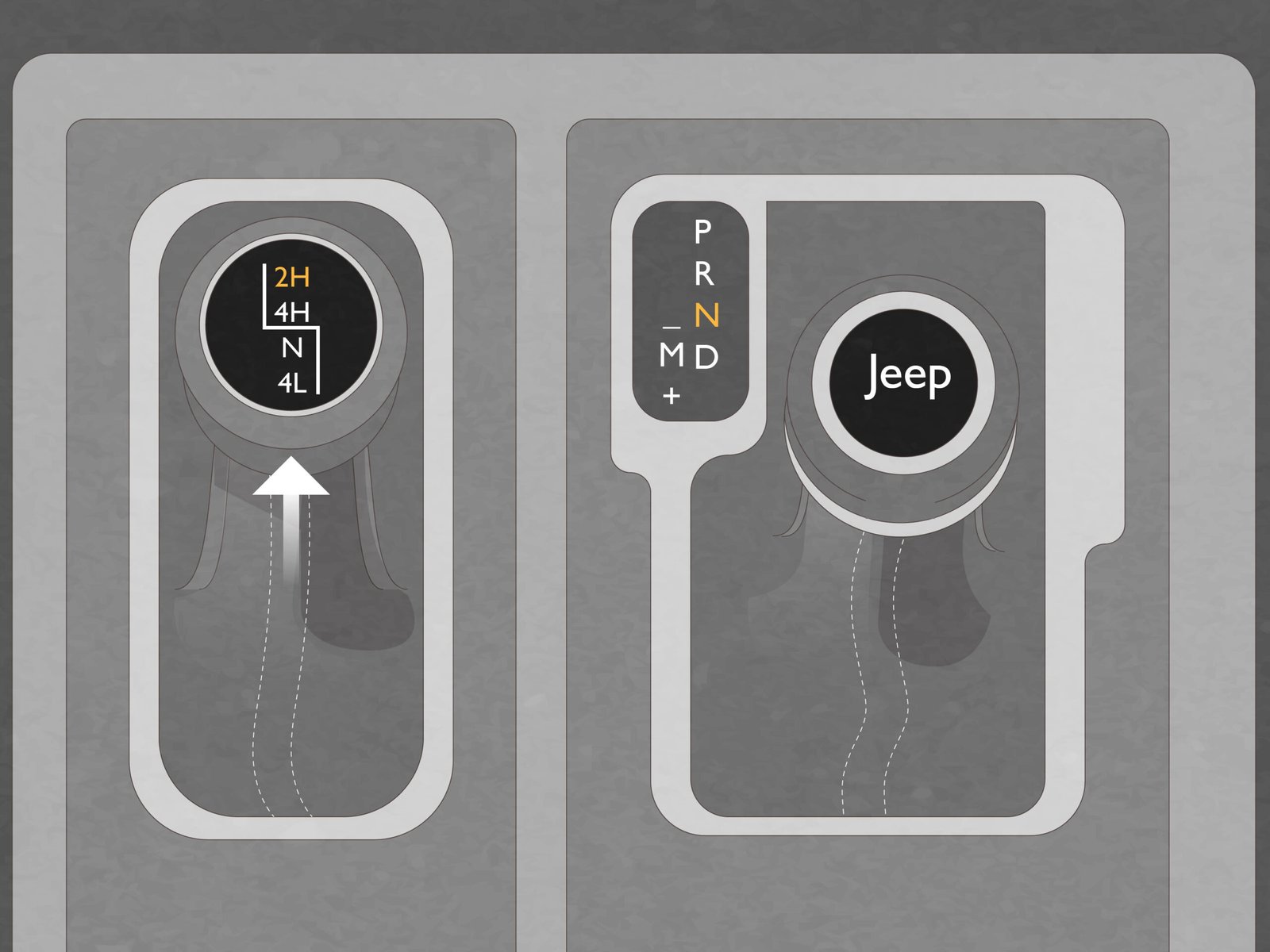
- 2WD (Two-Wheel Drive): Regular driving, only rear wheels powered.
- 4WD High (Four-Wheel Drive High): For slippery roads, snow, or light off-road.
- 4WD Low (Four-Wheel Drive Low): For deep mud, sand, steep hills, or heavy off-road.
Knowing which mode to use is key for performance and safety.
Step-by-step: How To Put Your 2004 Jeep Liberty In 4wd
Follow these steps to switch to 4WD:
- Check the Road Condition
- Only use 4WD on loose, slippery, or off-road surfaces. Using it on dry pavement can cause drivetrain damage.
- Slow Down
- Drive under 55 mph before switching to 4WD High. For 4WD Low, your speed should be less than 3 mph.
- Locate the Transfer Case Lever
- The lever is next to the gear shifter. It has positions for 2WD, 4WD High, Neutral, and 4WD Low.
- Shift to 4WD High
- Keep driving straight.
- Gently pull the lever from 2WD to 4WD High. You can do this while moving, as long as you’re under 55 mph.
- You may hear a slight click; this is normal.
- Shift to 4WD Low (If Needed)
- Stop the vehicle completely.
- Put the transmission in Neutral.
- Firmly move the lever from 4WD High to 4WD Low.
- Wait for the indicator light to confirm you are in 4WD Low.
- Check Dashboard Lights
- Look for the 4WD indicator on the dash. This confirms you’re in the correct mode.
- Drive Carefully
- In 4WD, avoid sharp turns on hard surfaces. This prevents binding in the drivetrain.
Common Mistakes To Avoid
Many new Jeep owners make simple errors. Here are some to watch out for:
- Using 4WD on dry roads. This stresses the drivetrain and wears tires quickly.
- Shifting into 4WD Low without stopping and using Neutral. This can cause gear grinding and internal damage.
- Ignoring dashboard lights. If the light doesn’t come on, the system may not be engaged.
- Forgetting to return to 2WD after leaving off-road or slippery conditions.
Practical Tips For Smooth 4wd Operation
- Always shift to 4WD High before entering difficult terrain, not after you’re stuck.
- Practice shifting in a safe area before you need it in real life.
- If you hear loud noises or feel vibration after shifting, stop and check for issues.
- Regularly check the transfer case fluid. Low fluid leads to poor shifting and possible failure.
- Remember: 4WD Low is only for very slow driving and tough situations.

Data: Jeep Liberty 4wd System Comparison
Here’s how the 2004 Jeep Liberty Command-Trac compares to other Jeep systems:
| Jeep Model | 4WD System | Engagement Method | Best Use |
|---|---|---|---|
| Liberty 2004 | Command-Trac | Manual lever | Off-road, snow |
| Wrangler | Rock-Trac | Manual lever | Extreme off-road |
| Grand Cherokee | Quadra-Trac | Automatic | All-weather |
Quick Reference: 4wd Engagement Steps
Here’s a simple summary for fast recall:
| Mode | When to Use | How to Engage |
|---|---|---|
| 4WD High | Snow, mud, gravel | Slow to <55 mph, shift lever while moving |
| 4WD Low | Deep mud, steep hills | Stop, shift to Neutral, move lever |
Real Example: Using 4wd In Winter
Imagine you’re driving on a snowy road. Your Jeep feels unstable in 2WD. You slow down, pull the lever to 4WD High, and see the indicator light. Your Jeep now handles much better. If you reach a steep hill, you stop, shift to Neutral, move the lever to 4WD Low, and climb with confidence.
Non-obvious Insights
- The transfer case lever may feel stiff if not used often. Don’t force it. Instead, wiggle the vehicle gently or try shifting while stopped.
- If the indicator light flickers or doesn’t stay on, it may be a loose sensor or wiring issue. Get it checked before relying on 4WD.

Jeep Liberty 4wd Maintenance Tips
- Inspect the transfer case fluid every 30,000 miles. Replace if dirty.
- Test the 4WD system before winter. Don’t wait for the first storm.
- Listen for odd noises when shifting. Early detection prevents expensive repairs.
Frequently Asked Questions
How Fast Can I Drive In 4wd High On My 2004 Jeep Liberty?
You can drive up to 55 mph in 4WD High. Going faster may cause damage or make the system disengage.
Can I Switch To 4wd High While Moving?
Yes, as long as your speed is under 55 mph and the wheels are not spinning.
Why Does My Jeep Make Noise When I Shift To 4wd?
A slight click is normal. Loud grinding means you are not in the correct gear or speed. Stop and check your shifting process.
How Do I Know If 4wd Is Really Engaged?
The 4WD indicator light on the dashboard should turn on. If not, the system may not be fully engaged.
Should I Use 4wd On Dry Pavement?
No, only use 4WD on slippery or loose surfaces. On dry roads, it can cause damage to the drivetrain and tires.
Switching your 2004 Jeep Liberty into 4WD isn’t hard once you know the steps. Always check your conditions, follow safe speeds, and use the right mode for the situation. With regular practice and maintenance, your Jeep will handle tough roads with ease. For more technical details about the Command-Trac system, visit Wikipedia.