Getting your 2002 Jeep Liberty into 4-wheel drive (4WD) can make a big difference when you’re facing tough road conditions. Whether it’s mud, snow, or rocky trails, using 4WD gives you extra traction and control. Many owners feel unsure about how to engage 4WD correctly, especially if they haven’t used it before. This guide explains the steps, key tips, and common mistakes to avoid, so you can switch confidently and keep your Jeep running smoothly.
Understanding The 4wd System
The 2002 Jeep Liberty comes with Command-Trac 4WD. It uses a transfer case lever between the front seats. You’ll find three main settings:
- 2WD (Two-Wheel Drive)
- 4WD Part-Time
- 4WD Low
Each mode has a purpose. 2WD is for regular driving. 4WD Part-Time helps in slippery conditions. 4WD Low gives maximum power for slow, tough terrain. Knowing which setting to use is key for safety and performance.
Steps To Put Your Jeep Liberty In 4wd
Switching to 4WD isn’t complicated, but doing it wrong can damage the system. Here’s how to do it the right way:
1. Preparing Your Jeep
- Make sure your Jeep is on a straight road or surface.
- If possible, drive at speeds below 55 mph.
- Remove your foot from the accelerator.
2. Shifting To 4wd Part-time
- Locate the transfer case lever next to the gear shifter.
- With your Jeep moving slowly (under 55 mph), pull the lever from 2WD to 4WD Part-Time.
- You should feel a click or change in resistance.
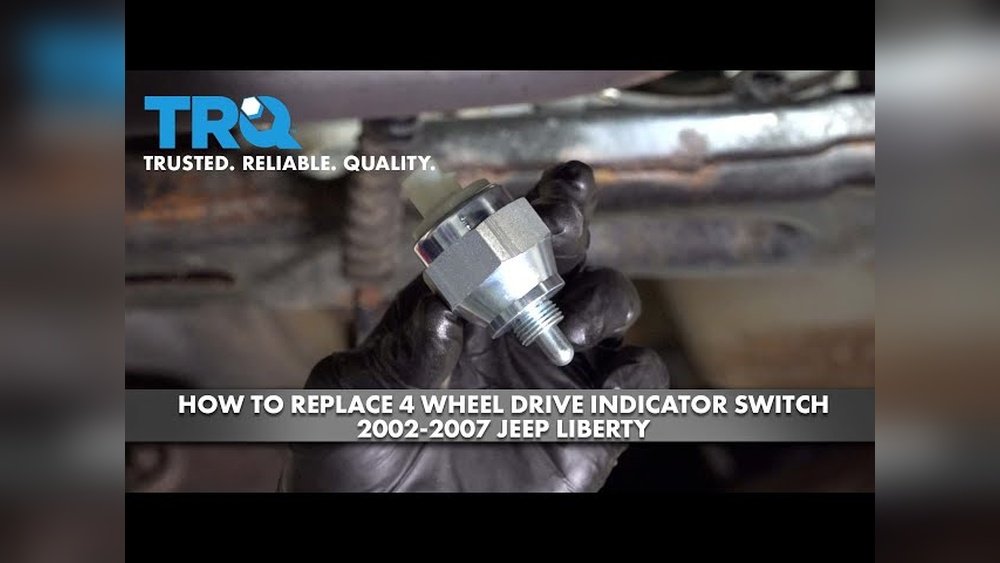
- The 4WD indicator light on the dashboard will come on.
Tip: You don’t need to stop the vehicle for this switch. Just make sure you’re not accelerating hard.
3. Shifting To 4wd Low
- Bring your Jeep to a complete stop.
- Shift the main transmission to Neutral (N).
- Firmly pull the transfer case lever from 4WD Part-Time to 4WD Low.
- The 4WD Low indicator will light up.
Tip: Only use 4WD Low for deep mud, sand, or steep hills. It’s not for regular roads.
4. Returning To 2wd
- Slow down or stop (for 4WD Low).
- Move the transfer case lever back to 2WD.
- Wait for the indicator light to turn off.
When Should You Use 4wd?
Knowing when to use each mode can save your Jeep from wear and tear. Here’s a quick guide:
| Mode | Best For | Speed Limit |
|---|---|---|
| 2WD | Dry, normal roads | Any speed |
| 4WD Part-Time | Snow, mud, gravel | < 55 mph |
| 4WD Low | Deep sand, steep hills | < 25 mph |
Common Mistakes To Avoid
Many drivers make simple mistakes that can cause damage. Here are some to watch for:
- Switching to 4WD on dry pavement – This strains the system and tires.
- Changing to 4WD Low while moving – Always stop and use Neutral.
- Ignoring indicator lights – If the light doesn’t come on, the system may not be engaged.
- Driving fast in 4WD Low – This mode is only for slow speeds.

Troubleshooting 4wd Issues
Sometimes, the system doesn’t engage as expected. Here’s what to check:
- If the indicator light stays off, the lever may not be fully moved.
- If you hear grinding or strange noises, stop and check for obstacles.
- For stuck levers, try moving the vehicle slightly forward or backward.
If problems continue, consult your owner’s manual or a mechanic. For more technical details, the official Jeep site offers reliable help: Jeep Owners.
Real-world Example
Imagine you’re on a snowy mountain road. You start in 2WD, but soon your tires spin. You slow down, gently pull the lever into 4WD Part-Time, and the light appears. Now, your Jeep grips the road better, and you feel safer. Later, you face a steep hill with deep snow. You stop, shift to Neutral, and move to 4WD Low. This extra power helps you climb without getting stuck.
Comparison: Jeep Liberty Vs. Other Suvs
Here’s a look at how the 2002 Liberty’s system stacks up:
| Model | 4WD Type | Ease of Use | Recommended Terrain |
|---|---|---|---|
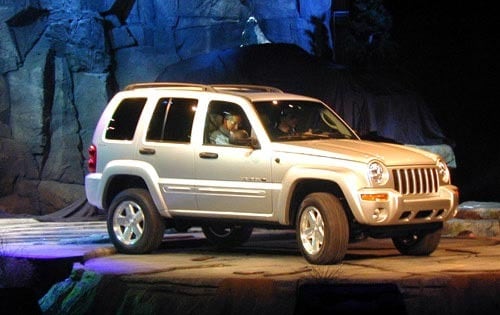
| Jeep Liberty (2002) | Command-Trac (manual) | Easy, lever-based | Snow, mud, hills |
| Ford Explorer (2002) | Automatic 4WD | Very easy, button push | Mixed, all conditions |
| Toyota RAV4 (2002) | Full-time AWD | No action needed | Light off-road, wet roads |
Practical Tips For 4wd Use
- Practice shifting in a safe area before using it on tough roads.
- Always check tire pressure and condition, as poor tires reduce 4WD benefits.
- Avoid using 4WD for long periods on dry, hard surfaces.
- Listen for clicks or indicator lights to confirm the system is engaged.
- Consider regular maintenance, as 4WD systems need lubrication and inspection.
Non-obvious insight: Many beginners think 4WD improves stopping. In reality, it helps acceleration and control, but stopping distance depends mostly on your tires and brakes. Also, switching into 4WD while turning can cause binding; always make the shift when driving straight.

Frequently Asked Questions
How Fast Can I Drive In 4wd Part-time?
You should stay below 55 mph in 4WD Part-Time. Driving faster can stress the system and reduce traction.
Can I Use 4wd On Dry Roads?
No. 4WD is for slippery or loose surfaces only. Using it on dry pavement can damage the drivetrain and tires.
What If The 4wd Indicator Light Doesn’t Turn On?
Check the transfer case lever position and try moving it again. If the light stays off, the system may need service.
Do I Need To Stop To Shift To 4wd Part-time?
No. You can shift to 4WD Part-Time while moving slowly. Only shift to 4WD Low when completely stopped and in Neutral.
Is 4wd The Same As Awd?
No. 4WD (four-wheel drive) is for tough terrain and is manually engaged. AWD (all-wheel drive) is automatic and best for light off-road or wet roads.
Getting your 2002 Jeep Liberty into 4WD is simple once you know the steps. Practice in safe conditions, listen to your Jeep, and remember these tips for the best performance and safety. With good care, your Jeep’s 4WD will give you confidence wherever you go.