If you own a 2001 Jeep Cherokee, you probably enjoy both daily driving and the freedom to go off-road. But when the weather turns bad or the trail gets rough, knowing how to use your four-wheel drive (4WD) system is essential.
Many Jeep owners are unsure about the right steps to engage 4WD, when to use it, and what to avoid. This guide will help you unlock the full potential of your Cherokee’s drivetrain—safely and confidently.
Understanding Your 2001 Jeep Cherokee’s 4wd System
The 2001 Jeep Cherokee comes with either the Command-Trac or Selec-Trac 4WD system. Both are part-time systems, but Selec-Trac adds a full-time mode for more flexibility. Command-Trac is the most common and is found on most Cherokees of this year.
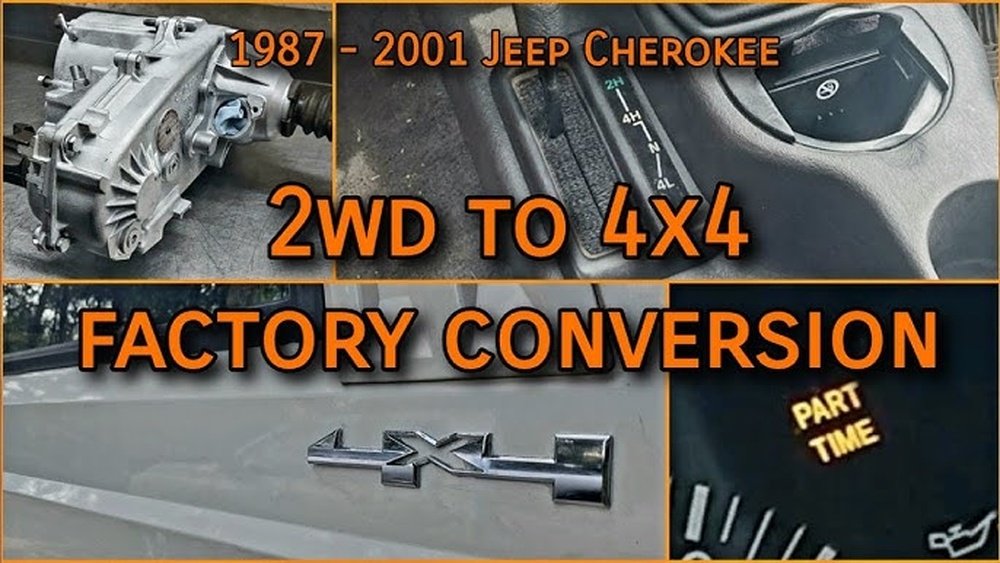
- Command-Trac: Best for off-road and slippery surfaces. It has 2WD, 4HI (high range), and 4LO (low range).
- Selec-Trac: Adds a 4WD Full-Time mode, allowing you to use 4WD on dry pavement.
Before you shift into 4WD, it’s important to know which system you have. Check your owner’s manual or the label by the transfer case lever.
When Should You Use 4 Wheel Drive?
Using 4WD at the wrong time can damage your Jeep. Here are the best times to engage 4WD:
- Slippery roads: Snow, ice, mud, or sand.
- Off-road trails: Uneven, rocky, or loose surfaces.
- Steep hills: When extra traction is needed going up or down.
Avoid using 4WD on dry pavement with Command-Trac. This can cause drivetrain binding and expensive repairs.

How To Identify Your Transfer Case
Look at the lever next to your gear shifter. The pattern will help you know your system:
- Command-Trac: 2HI – 4HI – N – 4LO
- Selec-Trac: 2WD – 4 Part-Time – 4 Full-Time – N – 4LO
This is important because the shifting steps differ slightly.
Shifting Into 4 Wheel Drive: Step-by-step
Switching to 4WD in your 2001 Cherokee is simple if you follow these steps.
For Command-trac System
1. Slow Down
Make sure you’re driving below 55 mph (88 km/h).
2. Shift To Neutral (optional For 4hi)
For 4HI, you can keep the transmission in Drive or Neutral. For 4LO, you must be in Neutral.
- Move the Transfer Case Lever
- To go from 2HI to 4HI:
While moving straight, pull the lever straight back from 2HI to 4HI.
- To go to 4LO:
Stop the vehicle. With the transmission in Neutral, push the lever from 4HI to 4LO.
You might hear a “clunk” this is normal.
4. Check The Dash Light
The 4WD indicator should light up when engaged.
For Selec-trac System
1. Below 55 Mph
You can switch from 2WD to 4 Full-Time or 4 Part-Time while moving.
2. Shift To Neutral For 4lo
Stop, put the transmission in Neutral, then shift to 4LO.
Tip: If the lever feels stiff, don’t force it. Tap the brakes to stop, shift to Neutral, and try again.
Returning To 2 Wheel Drive
Switching back is easy:
- From 4HI to 2HI:
While moving, push the lever forward to 2HI.
- From 4LO to 2HI:
Stop, shift to Neutral, move the lever to 2HI, and then drive.
This prevents unnecessary wear and keeps your Jeep running smoothly.
Common Mistakes To Avoid
Many drivers damage their 4WD system by making these errors:
1. Engaging 4wd On Dry Pavement
Only use 4HI or 4LO on slippery or loose surfaces (unless you have Selec-Trac Full-Time).
2. Forcing The Lever
If it’s stuck, don’t use excessive force. Try rolling the Jeep a few inches.
3. Switching To 4lo While Moving
Always stop completely before using 4LO.
4. Ignoring Transfer Case Noises
Unusual grinding or loud clunks could signal a problem.
Practical Scenarios: When And How To Use Each Mode
Let’s look at real-world examples:
- Driving in deep snow: Use 4HI for steady traction.
- Climbing a rocky trail: Stop and shift into 4LO for maximum torque.
- Highway in rain: Stick with 2WD unless you have Selec-Trac Full-Time.
Data Comparison: Command-trac Vs Selec-trac
Here’s how the two systems compare:
| Feature | Command-Trac | Selec-Trac |
|---|---|---|
| 4WD on Dry Pavement | No | Yes (Full-Time only) |
| Number of Modes | 3 | 4 |
| Common Use | Off-road, snow, mud | All conditions |
| Transfer Case | NP231 | NP242 |

Quick Reference: Transfer Case Lever Positions
A summary to help you remember:
| Position | When to Use | Speed Allowed |
|---|---|---|
| 2HI / 2WD | Normal roads, dry | Any |
| 4HI / 4 Part-Time | Slippery, off-road | Up to 55 mph |
| 4 Full-Time (Selec-Trac only) | Any road condition | Up to 55 mph |
| 4LO | Deep mud, sand, rocks | Up to 25 mph |
Maintenance Tips For Your 4wd System
A well-maintained transfer case lasts longer and works better. Here’s how to keep your 4WD in top shape:
- Check transfer case fluid every 30,000 miles or as recommended.
- Listen for strange noises when shifting modes.
- Engage 4WD regularly, even if you don’t off-road. This keeps parts lubricated.
- Inspect the driveshaft and u-joints annually.
Pro tip: If you feel vibration or hear grinding, get your 4WD system checked by a mechanic.
Troubleshooting: If 4wd Won’t Engage
Sometimes the system won’t shift as expected. Here’s what you can do:
- Lever is stuck: Try moving the vehicle slowly forward or backward and then shift.
- No dash light: The bulb may be out, but check if the 4WD is actually working by driving on a loose surface.
- Grinding noise: Stop immediately; you may need service.
If you can’t resolve the issue, visit a trusted mechanic or check the owner’s manual.
Real-world Example: Off-roading In A 2001 Cherokee
Mark, a Cherokee owner from Colorado, shares:
“I shifted into 4HI on a snowy mountain trail without stopping, and my Jeep kept traction the whole climb. Later, when it got steeper, I stopped, shifted into 4LO, and crawled up without spinning.
Remember never force the shifter, and always return to 2HI when you’re back on pavement.
”
4wd System Safety Reminders
- Never exceed the speed limits for each mode—going too fast in 4LO can damage your drivetrain.
- Slow, controlled movement is safer than rushing, especially in tough terrain.
- Always stop before shifting to or from 4LO.
The Importance Of Regular Testing
Even if you don’t use 4WD often, it’s smart to engage it once a month. Find a safe, empty parking lot and shift through all modes.
This keeps the mechanisms working smoothly and can reveal problems before you need 4WD in an emergency.
Advanced Tips For 4wd Use
Here are two insights many beginners miss:
1. Tire Pressure Matters
If your tires are overinflated, you’ll get less grip in 4WD. Lowering pressure slightly (but not below recommended limits) can improve traction off-road.
2. Matching Tire Sizes
All four tires should be the same size and wear. Mismatched tires can cause binding, especially in 4WD modes.
Where To Learn More
For more technical details, the Jeep Cherokee Forums and the official Jeep website have diagrams and videos that can help you become an expert on your vehicle. Reliable resources like Wikipedia also provide comprehensive histories and specifications.
Frequently Asked Questions
How Do I Know If My 4wd Is Working?
Drive on a loose surface (like gravel or snow) and turn sharply. If you feel resistance or see all four tires gripping, your 4WD is engaged.
Can I Shift Into 4hi While Driving?
Yes, you can shift from 2HI to 4HI at speeds up to 55 mph as long as the wheels are not spinning.
Why Does My Jeep Make A “clunk” When Shifting To 4lo?
A slight clunk is normal. The gears in the transfer case are engaging.
If it’s very loud or the Jeep jerks, have it checked by a mechanic.
Is It Bad To Leave My Cherokee In 4wd All The Time?
With Command-Trac, yes it can cause drivetrain wear. With Selec-Trac Full-Time, it’s safe on all surfaces.
What Should I Do If My 4wd Light Doesn’t Come On?
The bulb might be burned out, or the switch may be faulty. Test on a loose surface to see if 4WD is actually working.
Final Thoughts
Mastering the 4 wheel drive system in your 2001 Jeep Cherokee gives you confidence on and off the road. Always shift carefully, use the right mode for the conditions, and perform regular maintenance. With this knowledge, your Cherokee will handle mud, snow, and trails with ease—keeping you safe wherever your adventures take you.