Getting under the hood of your Jeep Wrangler is a simple task, but it can confuse first-time owners or anyone unfamiliar with the model’s unique latch system.
You might need to open the hood for routine checks, topping up fluids, or inspecting engine issues.
Many Jeep models, especially the Wrangler, have a special process that’s different from other vehicles. Knowing how to pop the hood correctly prevents damage and makes the job easier.
This article will guide you step by step, highlight common mistakes, and give practical tips for safe and quick access.
Understanding The Jeep Wrangler Hood Mechanism
Jeep Wrangler hood latches are not like standard sedans or SUVs. They use external latches and a safety catch inside. This design keeps the hood secure during off-road drives, but it can be tricky if you’ve never used it.
Here’s a quick comparison of Jeep Wrangler hood latches versus typical car hood latches:
| Feature | Jeep Wrangler | Standard Car |
|---|---|---|
| Latch Location | Outside (on both sides) | Inside (front center) |
| Safety Catch | Manual release under hood | Automatic with lever |
| Ease of Access | Requires two steps | Usually one step |
Most Jeep Wranglers (from YJ, TJ, JK, JL, to latest models) follow this two-step system.
Step-by-step Guide: How To Pop Hood On Jeep Wrangler
Follow these steps to safely open your Jeep Wrangler’s hood.
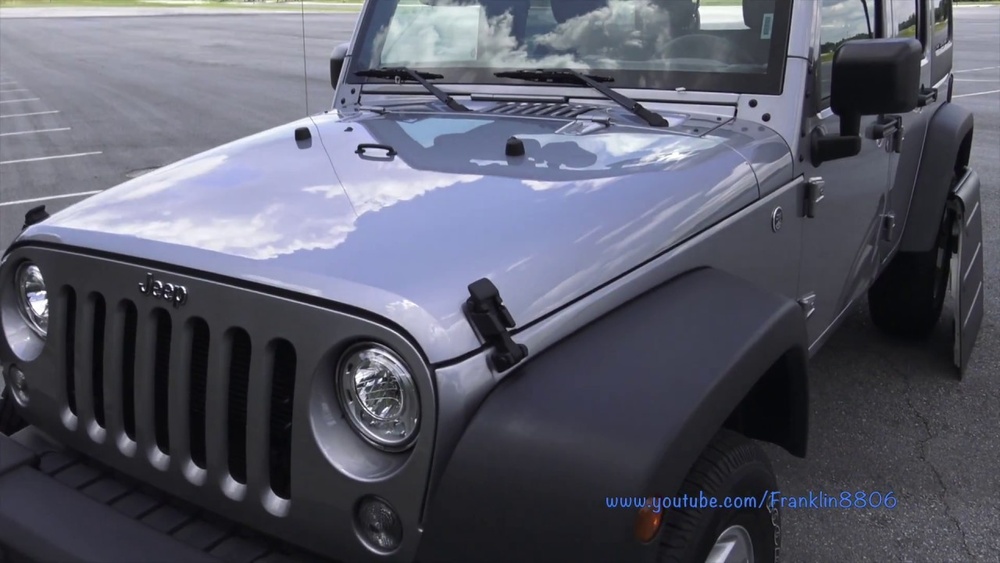
- Locate the External Hood Latches
- Stand in front of your Jeep.
- Find the two hood latches on both sides near the windshield.
- Release Both Latches
- Pull each latch out and away from the hood.
- Make sure both latches are fully open before moving to the next step.
- Find the Interior Safety Catch
- Move to the center front of the hood.
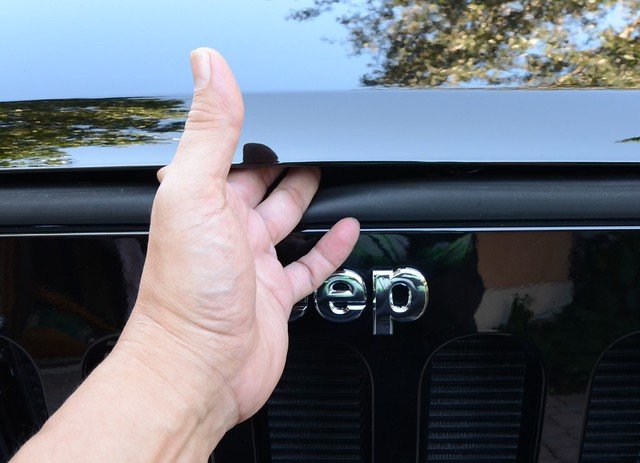
- Slide your fingers under the hood above the Jeep logo.
- You’ll feel a small metal lever (the safety catch).
- Release the Safety Catch
- Push the safety catch up or to the side (varies by model).
- You’ll hear a click, and the hood will lift slightly.
- Lift the Hood
- Hold the hood’s edge and raise it.
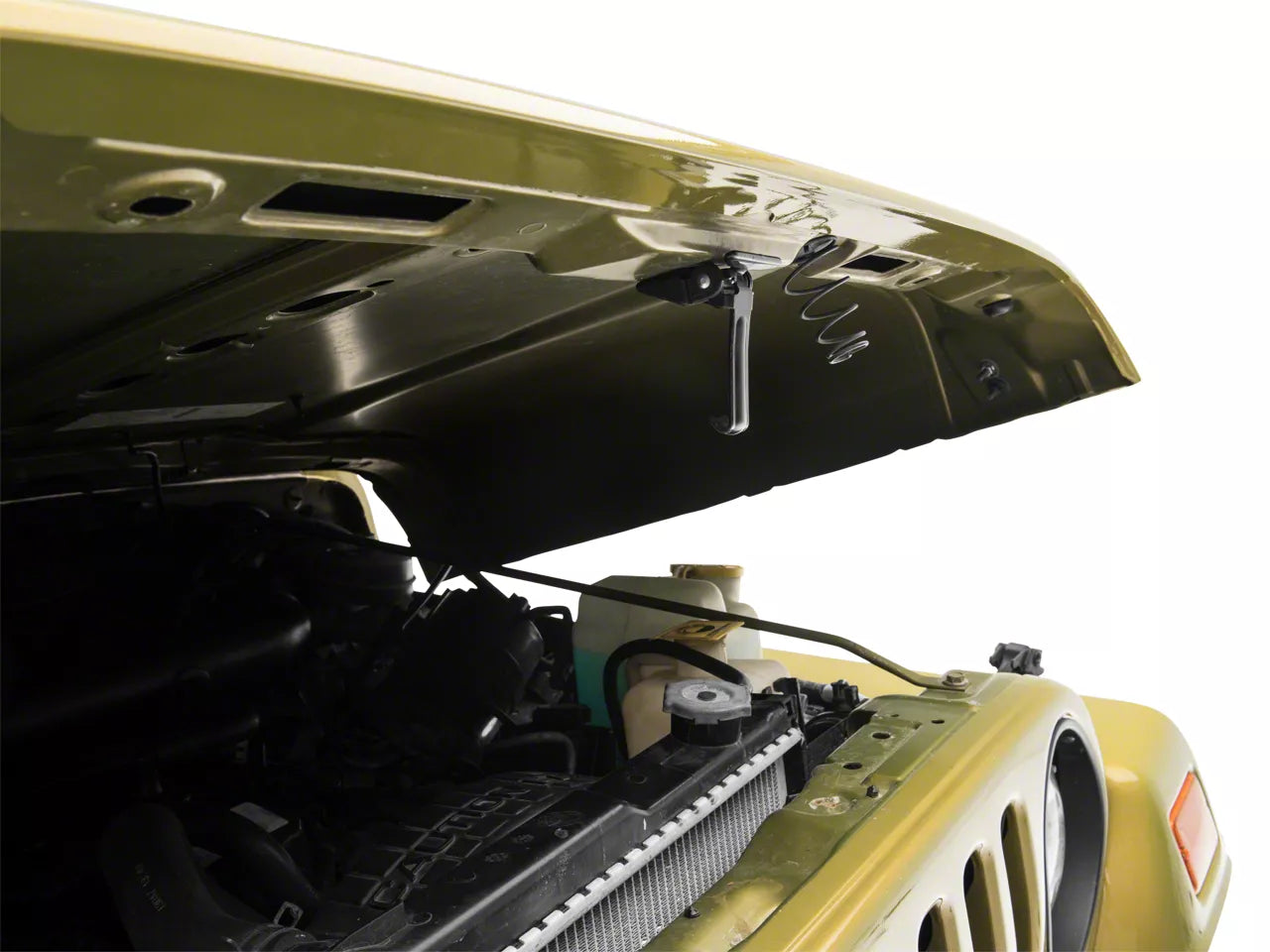
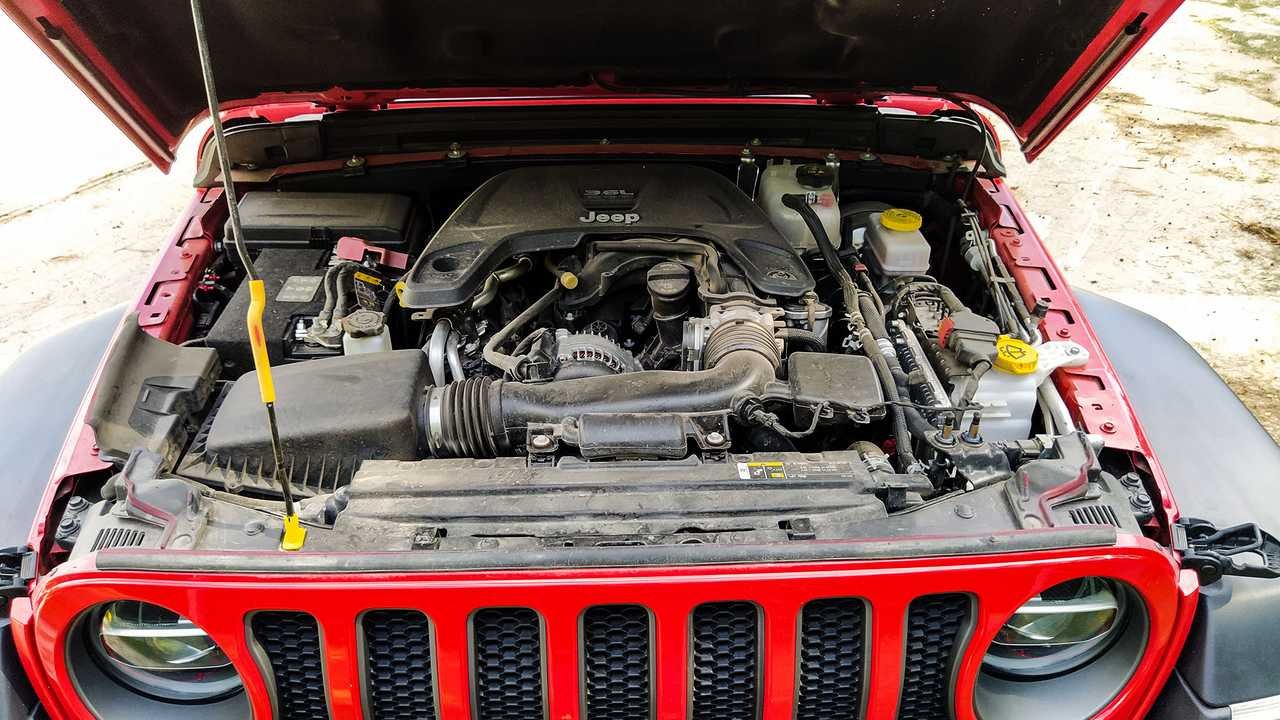
- Most Wranglers have a hood prop rod; secure the hood with it.
- Check That the Hood Is Secure
- Before working, ensure the prop rod is locked in place.
- Never rely on the safety catch alone.
Here’s a quick overview of the process for visual learners:
| Step | Action | Location |
|---|---|---|
| 1 | Release external latches | Sides of hood |
| 2 | Find and release safety catch | Front center under hood |
| 3 | Lift hood and secure prop rod | Engine bay |
Common Mistakes And How To Avoid Them
Many beginners struggle with the Jeep Wrangler hood for reasons that seem simple but can be frustrating. Here are some frequent errors:
- Forgetting the External Latches
- Some owners try to lift the hood before releasing both latches, risking damage.
- Missing the Safety Catch
- The safety catch is sometimes hard to find, especially in low light. Always feel for the lever.
- Not Securing the Prop Rod
- If you skip locking the prop rod, the hood can fall, causing injury or damage.
- Forcing the Hood
- Never force the hood open. If it won’t lift, check if both latches are fully released.
- Confusing With Other Models
- Jeep Grand Cherokee and other models use different hood systems. Always check your manual for Wrangler-specific instructions.
Quick Tips For Smooth Hood Operation
- Lubricate Latches: Use spray lubricant on hood latches every few months. This prevents sticking and makes them easier to operate.
- Check for Obstructions: Leaves, debris, or aftermarket accessories can block latches or the safety catch.
- Use Two Hands: For better control, release latches with both hands. This helps avoid dropping or scratching the hood.
- Inspect After Off-Roading: Mud or dirt can jam latches. Always clean them after off-road trips.
Model Differences: Yj, Tj, Jk, Jl
Wrangler models from 1987 to today have slight differences in latch design and hood shape. Here’s a brief comparison:
| Model | Latch Type | Safety Catch | Prop Rod |
|---|---|---|---|
| YJ (1987-1995) | Metal latch | Push up | Manual rod |
| TJ (1997-2006) | Plastic latch | Push up | Manual rod |
| JK (2007-2018) | Plastic latch, improved | Push to side | Manual rod |
| JL (2018-Present) | Rubber latch | Push to side | Manual rod (some models have hydraulic struts) |
If you drive a JL, you might find hydraulic struts that make lifting easier. Older models rely on manual rods.
Safety Reminders
Opening the hood is safe if you follow the steps. But always:
- Let the engine cool before lifting the hood.
- Keep hands away from hot surfaces.
- If you feel resistance, stop and check for problems.
- Use gloves when possible for extra protection.
Extra Insights Most Beginners Miss
- Aftermarket Hood Locks: Some Wranglers have extra locks for security. If you cannot open the hood, check for these.
- Winter Problems: Cold weather can freeze latches. Warm them with your hand or a heat pack (never use open flame).
- Rust Risk: Older latches can rust and stick. Inspect and replace them if needed.
Frequently Asked Questions
How Do I Open The Hood If The Latches Are Stuck?
Try spraying a lubricant like WD-40 on the latches. Gently tap them with your hand to loosen. If they remain stuck, consult a mechanic.
Can I Open The Hood From Inside The Jeep Wrangler?
No. Unlike most cars, Wranglers do not have an interior hood release.
You must use the outside latches and safety catch.
What Should I Do If The Hood Won’t Close?
Check that both latches and the safety catch are fully released. If the hood still won’t close, inspect for obstructions or bent parts.
Is It Safe To Drive With A Loose Hood Latch?
No. A loose hood can fly open while driving, blocking your view and causing accidents. Always double-check before driving.
Where Can I Find Official Instructions For My Jeep Wrangler?
You can read the official Jeep owner’s manual online at Jeep Official Website.
Opening your Jeep Wrangler’s hood is easy once you know the process and avoid common mistakes. Keep your latches clean, use the prop rod, and always check for extra locks or debris.
With these tips, you’ll handle hood access like a pro and keep your Jeep running smoothly.