Popping the hood of a Jeep Wrangler may sound simple, but many owners—especially new ones—find it confusing. This is because the Wrangler’s hood uses a unique latch system that is different from most other cars. If you are unsure, or you have never done it before, this guide will help. You will learn the exact steps, what to watch out for, and how to avoid common mistakes. Whether you need to check the oil, refill washer fluid, or inspect the battery, opening the hood is your first step to basic Jeep maintenance.
Understanding The Jeep Wrangler Hood System
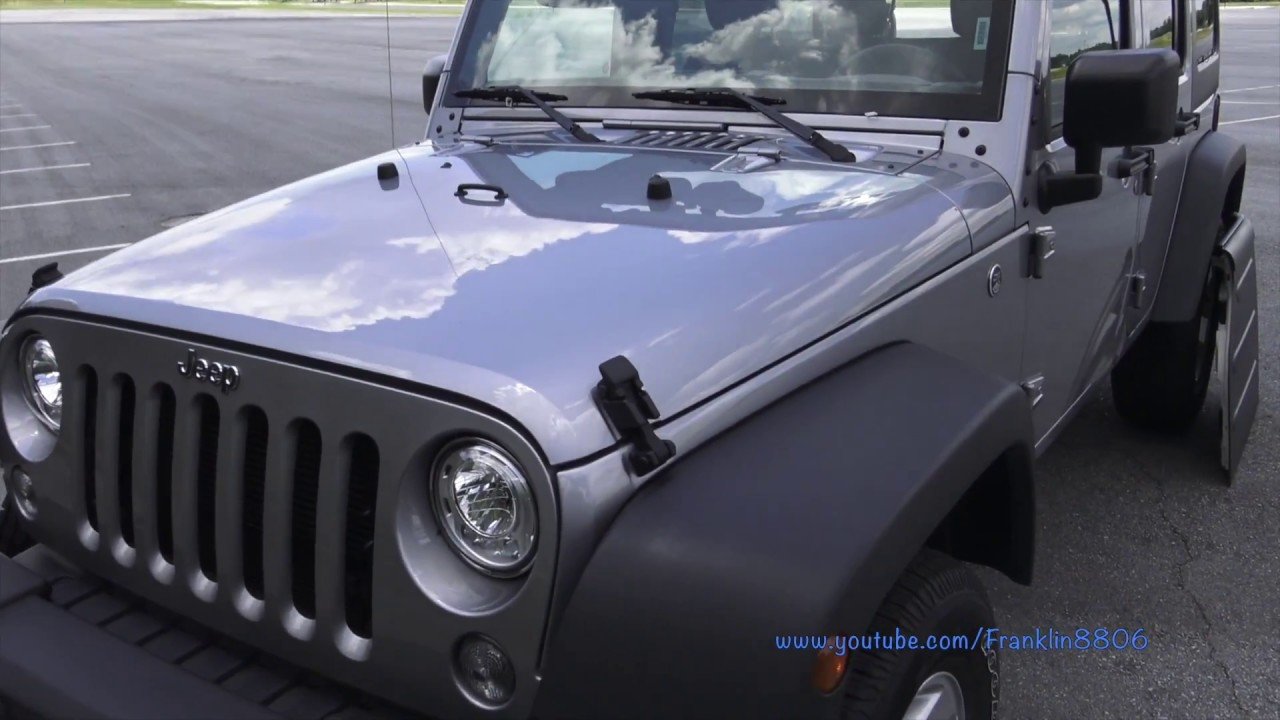
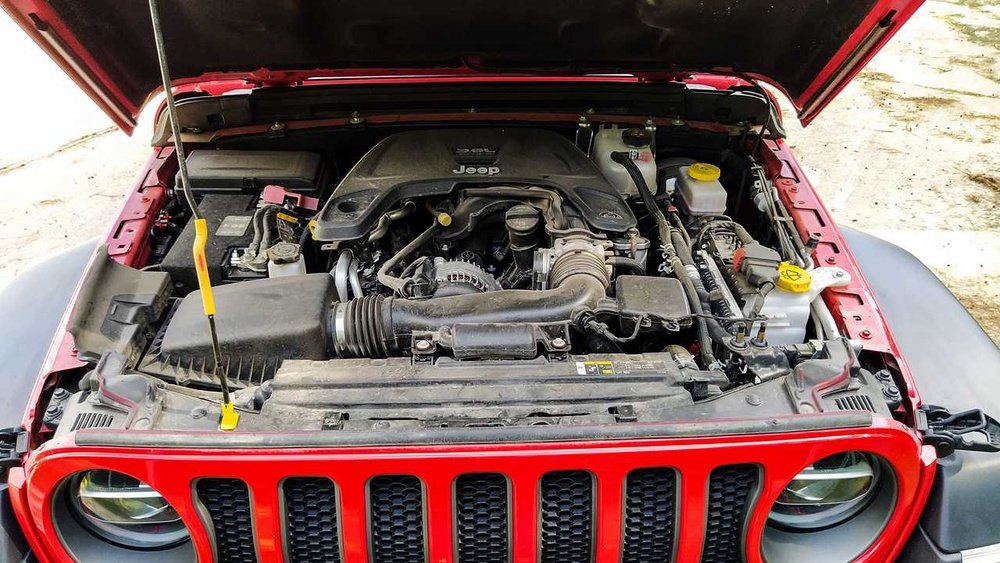
The Jeep Wrangler has a two-part hood latch system. First, there are external latches on both sides of the hood. Second, there is an internal safety catch under the hood. This design is for off-road safety, making sure the hood stays closed even on rough terrain.
Many people expect a single lever inside the cabin, but the Wrangler’s approach is different. This can confuse new owners, especially those used to other SUVs.
Here’s a quick comparison of hood opening systems:
| Vehicle Type | Hood Release Location | Number of Steps |
|---|---|---|
| Jeep Wrangler | Outside & Under Hood | 2 |
| Ford Explorer | Inside Cabin | 1 |
| Toyota Camry | Inside Cabin | 1 |
The Wrangler’s method is safer for off-road use, but it requires learning the process.
Step-by-step Guide To Popping The Hood
Follow these steps to open the hood of your Jeep Wrangler:
1. Locate The External Hood Latches:
Stand in front of your Jeep. You will see two rubber latches one on each side of the hood near the fenders.
2. Release The Latches:
Pull each latch away from the hood. They may feel tight, but use steady force.
Don’t yank them, as you might damage the rubber.
3. Find The Center Safety Catch:
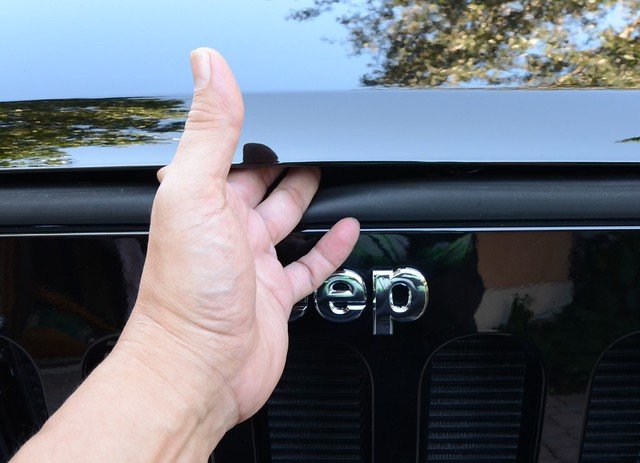
Go to the front center of the hood. Slide your fingers under the edge, just above the grille.
4. Lift The Hood Slightly:
Raise the hood gently. You’ll feel resistance from the safety catch.
5. Release The Safety Catch:
Push the catch lever (usually a small metal tab) to the side or up, depending on the model year. The hood will now open fully.
6. Secure The Hood:
Use the hood prop rod if your Wrangler does not have hydraulic struts. Insert the rod into the hole on the underside of the hood.
Here is a breakdown of latch locations by model year:
| Model Year | Latch Location | Safety Catch Direction |
|---|---|---|
| 1997–2006 (TJ) | Near fenders | Push up |
| 2007–2017 (JK) | Near fenders | Push side |
| 2018–present (JL) | Near fenders | Push side |

Common Mistakes And How To Avoid Them
Many beginners make errors when opening the hood. Here are some common mistakes and tips to avoid them:
- Forgetting the external latches:
Some people try to lift the hood without releasing the side latches. Always check both before pulling up.
- Pulling too hard:
The rubber latches are strong, but rough handling can cause them to tear. Apply steady pressure, not sudden force.
- Not securing the hood properly:
If you do not use the hood prop rod, the hood can fall. Always check for hydraulic struts or prop rods.
- Confusing the safety catch direction:
Different model years have slightly different catch mechanisms. If the hood doesn’t open, check the direction you need to push.
Here are the most frequent errors:
| Mistake | Impact | Prevention |
|---|---|---|
| Forgetting latches | Hood won’t open | Check both sides first |
| Yanking latches | Damaged rubber | Use steady pressure |
| Wrong catch direction | Stuck hood | Refer to model guide |
Practical Tips For Jeep Owners
Opening your hood is easier with a few practical tips:
- Keep latches clean:
Dirt or mud can make latches harder to release. Clean them regularly, especially after off-roading.
- Lubricate the safety catch:
A little spray lubricant can make the catch move smoothly. Do this once every few months.
- Practice the process:
Try opening and closing the hood at home a few times. This builds confidence and muscle memory.
- Check the prop rod:
Some newer Wranglers have hydraulic struts, but older models use a prop rod. Make sure you know which you have.
- Inspect the latch rubber:
If the rubber looks cracked or worn, replace it before it fails.
Many Jeep owners overlook the importance of these small steps. Regular maintenance of latches and catch ensures you don’t get stuck with a jammed hood, especially in emergencies.
Why Popping The Hood Matters
Opening the hood is not just for repairs. It allows you to:
- Check oil level
- Inspect coolant
- Refill washer fluid
- Replace the battery
- Examine belts and hoses
Routine checks can prevent breakdowns and help you spot problems early. For example, a quick look under the hood can reveal leaks, loose connections, or worn parts.
According to the National Highway Traffic Safety Administration, regular under-hood inspections reduce the risk of roadside breakdowns by up to 30%.
If you want official diagrams or more detailed instructions, you can visit the Jeep Owner’s Manual for your model year.
Frequently Asked Questions
How Often Should I Check Under The Hood?
You should check under the hood every month. This helps spot leaks, low fluids, or worn parts before they cause problems.
Can I Open The Hood If One Latch Is Broken?
It’s possible, but not safe. Both latches keep the hood secure.
If one is broken, replace it before driving, especially off-road.
What If The Safety Catch Is Stuck?
Try spraying lubricant on the catch. If it still won’t move, ask a mechanic for help. Forcing it can damage the hood.
Are The Hood Latches The Same For All Wrangler Models?
The basic design is similar, but the direction to release the safety catch can change. Check your owner’s manual for details.
Is It Safe To Leave The Hood Open For Long Periods?
No. Wind or vibrations can slam the hood shut.
Always use the prop rod or struts, and close the hood when finished.
Opening your Jeep Wrangler’s hood is easy once you know the steps. By understanding the latch system, practicing the process, and avoiding common mistakes, you’ll handle basic maintenance confidently. Knowing how to pop the hood saves time and prevents stress when you need to check your engine or fluids. Take a few minutes to practice, and your Jeep will stay ready for any adventure.