If you just bought or rented a Jeep Renegade, figuring out how to open the gas cap can feel confusing at first.
Unlike most cars, the Renegade's fuel system works differently, and many drivers spend minutes searching for a lever or button that simply does not exist.
This guide walks you through everything: opening the gas cap, avoiding common mistakes, troubleshooting problems, and understanding the unique capless fuel system.
Understanding The Jeep Renegade Fuel System
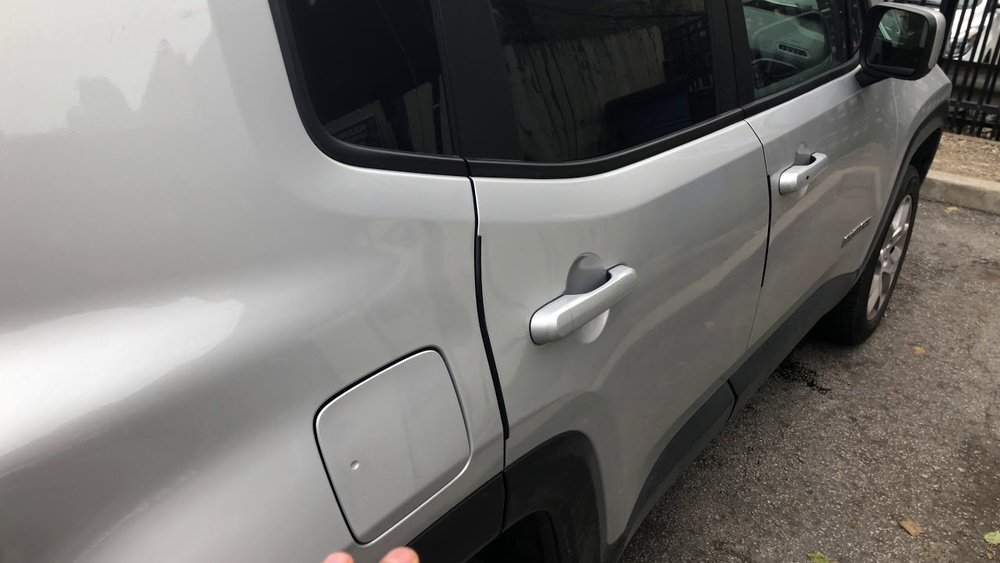
The Jeep Renegade uses a capless fuel filler system, meaning there is no traditional screw-on gas cap. Instead, you insert the fuel nozzle directly into the fuel port, and a spring-loaded flap opens automatically.
| Feature | Traditional Gas Cap | Renegade Capless System |
|---|---|---|
| Opening Method | Turn to unscrew | No cap — insert nozzle directly |
| Locking Mechanism | Screw tight, sometimes lockable | Spring-loaded flap |
| Common Issues | Loose cap triggers check engine light | Dirt in filler, stuck flap |
| Lost Cap Risk | Yes | Never — no cap to lose |
Note: Many new owners are surprised by the lack of a physical cap. This is completely normal and by design.
Step-By-Step: How To Open The Gas Cap
Step 1 — Unlock Your Vehicle
The fuel door stays locked when the car is locked. Unlock all doors first.
Step 2 — Locate The Fuel Door
The fuel door is on the left (driver’s) side of the vehicle toward the rear.
Step 3 — Press The Fuel Door Open
There is no release lever inside the car. Simply press gently on the rear edge of the fuel door — it will pop open automatically.
Step 4 — Swing The Door Open
Pull the door outward to fully expose the capless fuel filler.
Step 5 — Insert The Fuel Nozzle
Push the standard fuel nozzle straight into the port until it stops. The spring-loaded flap opens automatically.
Step 6 — Fuel Up As Normal
Fill your tank as usual. When done, remove the nozzle the flap closes on its own.
Step 7 — Close The Fuel Door
Push the door gently until it clicks shut.
Renegade vs. Other SUVs — Quick Comparison
| Step | Jeep Renegade | Typical SUV |
|---|---|---|
| Fuel Door Release | Push on door | Pull interior lever or button |
| Cap Removal | No cap needed | Twist cap off |
| Fueling | Insert nozzle directly | Insert after removing cap |
Common Mistake: Many drivers search for a release lever inside the car. The Renegade does not have one — just push the door.
Common Mistakes And How To Avoid Them
| Mistake | How To Avoid |
|---|---|
| Trying to pry the fuel door open | Only gentle pressure is needed — never force it |
| Forgetting to unlock the car first | Always unlock before trying to open the fuel door |
| Worrying about the missing gas cap | The capless system is completely normal |
| Using non-standard fuel containers | Only use standard gas station pump nozzles |
| Letting dirt enter the fuel port | Check for debris before inserting the nozzle |
Pro Tip: If the capless flap feels stuck, try a clean standard-sized fuel nozzle. Never use tools or fingers inside the port — this can damage the seal.
Troubleshooting — When The Fuel Door Won’t Open
| Problem | Solution |
|---|---|
| Car is locked | Unlock all doors first |
| Frozen door in cold weather | Gently press around the edge or use de-icer spray on the door seam |
| Sticky or dirty mechanism | Clean the area around the door and try again |
| Door still won’t open | Check your owner’s manual or visit a Jeep dealer |
Warning: Never force the fuel door open. Forcing it can cause damage that requires expensive repairs.
Why The Capless System Is Better
- ⚡ Faster fueling — No cap to unscrew or reattach
- 🌿 Reduces emissions — Less chance for fuel fumes to escape
- 🔑 No lost cap — You never need to buy a replacement cap
- 🛡️ Safer design — Spring-loaded flap prevents debris from entering
Additional Tips For Jeep Renegade Owners
- Use regular unleaded gasoline only. Other fuels may harm the engine.
- Don’t top off. When the pump clicks off, stop fueling. Overfilling damages the evaporative emission system.
- Keep the filler area clean. Wipe dust and debris regularly from around the fuel door.
- Emergency fuel funnel. If refueling from a portable container, use the special funnel in your Renegade’s emergency kit. It safely opens the capless flap. It is usually stored near the spare tire.
Frequently Asked Questions
Q: How do I open the gas cap if the fuel door is frozen shut? Gently press around the edge of the fuel door. Use de-icer spray or a plastic scraper if needed. Never use sharp tools — they can scratch the paint.
Q: Is it normal that there is no gas cap on my Jeep Renegade? Yes, completely normal. The Renegade uses a capless fuel system by design. You will not find a traditional screw-on cap.
Q: Can I use any fuel nozzle with the Jeep Renegade? Only use standard gas station nozzles. Smaller or non-standard nozzles may not open the flap correctly and could damage the system.
Q: What if my check engine light comes on after fueling? Make sure you inserted the fuel nozzle fully and used the correct fuel type. If the light stays on, contact your Jeep dealer for advice.
Q: Where is the emergency fuel funnel? It is usually stored near the spare tire or in the vehicle’s tool kit. Keep it clean and accessible.
Summary
Opening the gas cap on a Jeep Renegade is simple once you know how the capless system works:
- ✅ Unlock the car
- ✅ Push the fuel door to pop it open (no lever needed)
- ✅ Insert the nozzle directly — the flap opens automatically
- ✅ Fuel up, remove nozzle, close the door
With this guide, you will never be stuck at the pump again.