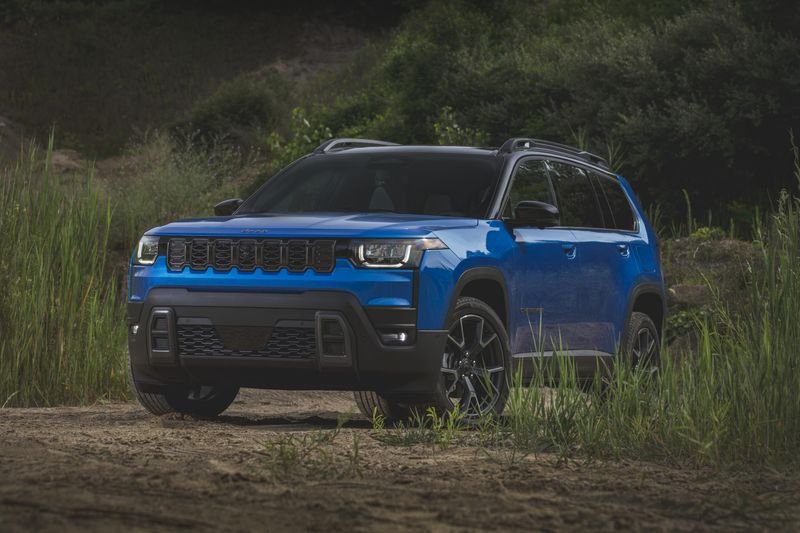
If you dream of adventure, offroading in a Jeep Wrangler is one of the best ways to explore the wild. This iconic vehicle is famous for its strong build, rugged suspension, and ability to tackle tough terrain. But even a Wrangler needs the right skills and preparation for safe and fun offroad trips. Whether you’re new to trail driving or want to improve your technique, this guide covers everything you need to know—without confusing jargon.
Why The Jeep Wrangler Stands Out
The Jeep Wrangler is built for offroad challenges. Its high ground clearance, four-wheel drive, and solid axles give you control on rocky, muddy, or steep paths. Unlike most SUVs, a Wrangler’s body and chassis are designed to survive rough treatment. Here’s a quick comparison with other popular offroad vehicles:
| Vehicle | Ground Clearance (inches) | Max Water Fording (inches) | Approach Angle (degrees) |
|---|---|---|---|
| Jeep Wrangler Rubicon | 10.8 | 30 | 44 |
| Toyota 4Runner | 9.6 | 27.6 | 33 |
| Ford Bronco | 11.6 | 33.5 | 43.2 |
The Wrangler’s balance of approach angle and ground clearance helps you climb rocks and avoid damage to bumpers.
Preparing Your Jeep Wrangler For Offroad
Before you hit the trail, preparation is key. Here are the most important steps:
1. Check Tires
Offroad tires with deep tread are essential. Lower tire pressure (usually 15 20 PSI) gives better grip and absorbs bumps.
2. Inspect Suspension And Undercarriage
Look for any leaks or loose parts. Clean mud from previous trips to prevent rust.
3. Pack Recovery Gear
Always bring a tow strap, shovel, tire repair kit, and a portable air compressor. For solo trips, a winch is highly recommended.
4. Secure Essentials
Water, snacks, first aid, and a charged phone should be within easy reach. Don’t forget extra fuel if you’re far from gas stations.
5. Review Trail Maps
Download or print maps for your route. GPS is useful, but paper maps are reliable when electronics fail.
Many beginners forget to lower tire pressure or bring recovery gear. These simple steps can save you hours of trouble.

Offroad Driving Techniques
Driving offroad is very different from city roads. Here are core skills you need:
Understanding 4wd Modes
Wranglers usually offer 2H, 4H, and 4L modes.
- 2H (Two High): For normal roads.
- 4H (Four High): Use for dirt, gravel, or snow.
- 4L (Four Low): For steep hills, deep mud, or heavy rocks.
Switch between modes only when stopped or moving slowly, as sudden changes can damage the drivetrain.
- Rocks: Go slowly, use low gear, and place tires on high points to avoid scraping the undercarriage.
- Mud: Keep steady speed, avoid sharp turns, and never spin tires wildly. If stuck, use a winch or tow strap.
- Water Crossings: Check depth with a stick first. Cross slowly, keeping a steady pace. Wranglers can handle up to 30 inches, but always check your specific model.
| Obstacle | Recommended Gear | Key Tip |
|---|---|---|
| Rocky Terrain | 4L | Go slow, keep tires on high ground |
| Deep Mud | 4H/4L | Steady speed, avoid spinning tires |
| Steep Hill | 4L | Use engine braking, avoid sudden stops |
| Water Crossing | 4H | Check depth, keep steady pace |
Trail Etiquette And Safety
- Yield to uphill drivers—they need momentum.
- Stay on marked trails to protect nature.
- Keep distance from other vehicles to avoid accidents.
- Always let someone know your route and expected return time.
A common mistake is ignoring trail etiquette, which can cause accidents or damage the environment.
Upgrades And Modifications
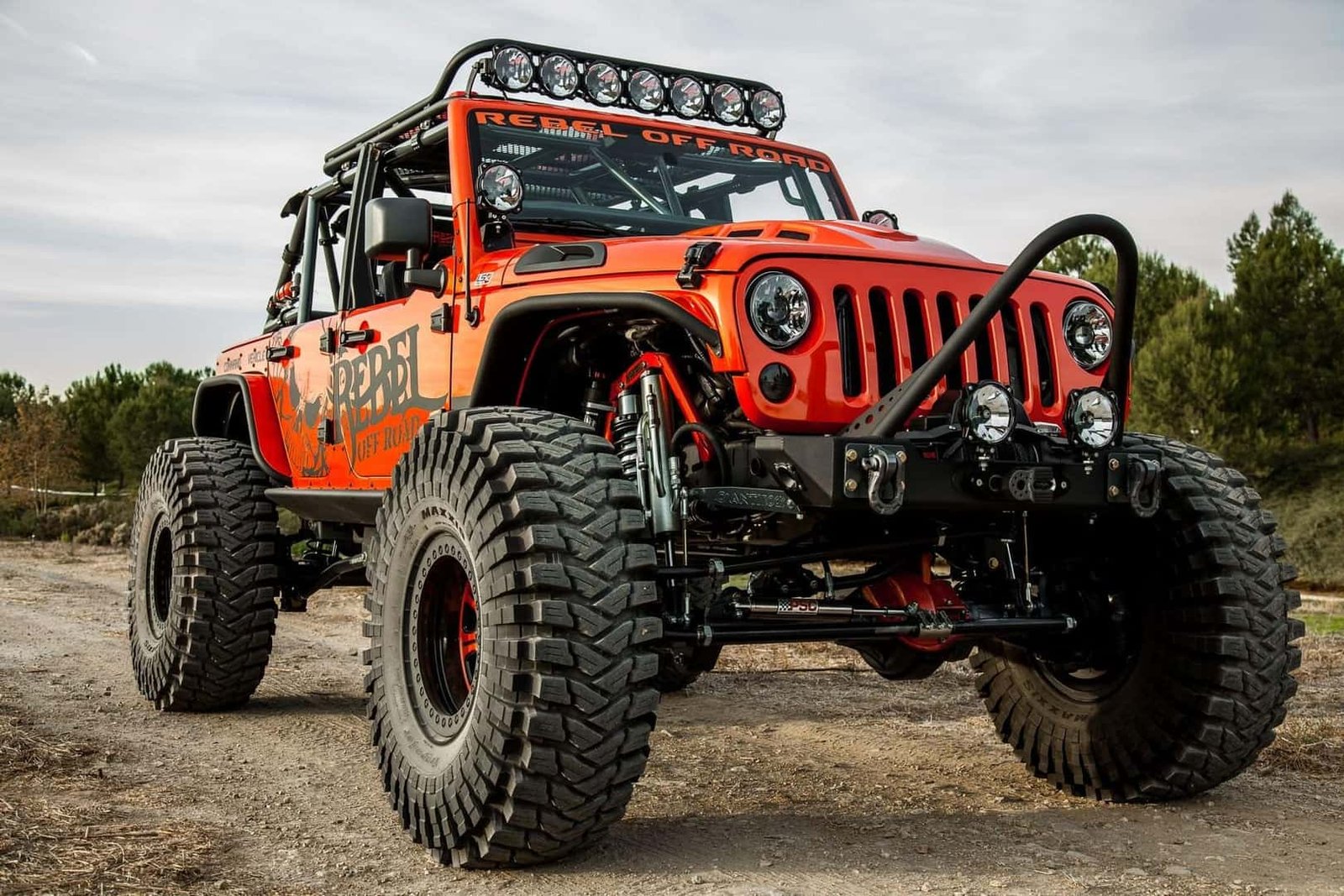
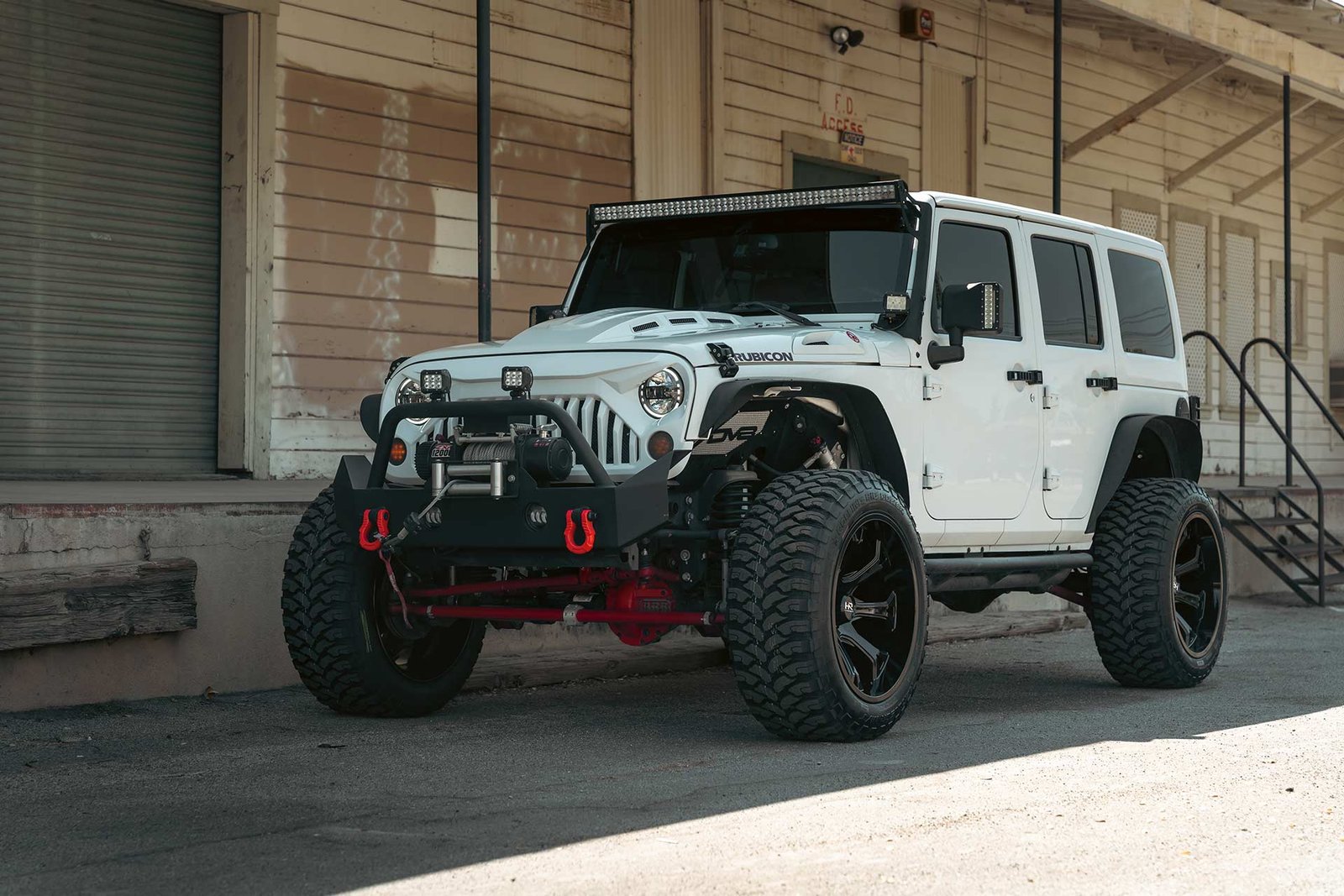
The stock Wrangler is capable, but some upgrades make offroading easier and safer:
1. Lift Kits
Raise your vehicle for more ground clearance. Typical lifts range from 2 to 4 inches.
2. Skid Plates
Protect your oil pan, transmission, and fuel tank from rocks.
3. Led Light Bars
Boost visibility for night driving and foggy conditions.
4. Heavy-duty Bumpers
Make recovery easier and add protection.
5. Snorkel Kits
Allow safe water crossings by raising the air intake.
Here’s a quick comparison of popular upgrades:
| Upgrade | Purpose | Estimated Cost (USD) |
|---|---|---|
| Lift Kit (2″–4″) | Increase clearance | $400–$2,000 |
| Skid Plate Set | Undercarriage protection | $200–$600 |
| LED Light Bar | Improve night vision | $100–$400 |
| Heavy Bumper | Recovery/protection | $300–$1,000 |
| Snorkel Kit | Water crossing | $150–$500 |
Don’t upgrade everything at once. Start with skid plates and a basic lift kit; add more as you gain experience.
Planning Your First Offroad Adventure
Choose beginner-friendly trails. Many national parks and local clubs post trail ratings online. Start with green-rated (easy) paths before trying blue or black trails.
Bring a friend or join a group. Driving solo increases risk, especially if you’re new.
Many Jeep clubs offer group events and helpful guidance.
For more detailed trail guides and safety tips, the official Jeep Wrangler site offers updates and resources.
Frequently Asked Questions
What Tire Pressure Should I Use For Offroading?
Lowering tire pressure to 15–20 PSI helps tires grip uneven surfaces and absorbs shocks. Always reinflate tires before returning to paved roads.
How Do I Avoid Getting Stuck In Mud?
Keep a steady speed, avoid sudden stops, and never spin tires quickly. Carry a tow strap and shovel for emergencies.
Is A Winch Necessary For Beginners?
A winch is not required for easy trails, but it’s very helpful on muddy or rocky paths. It allows self-recovery if you get stuck.
Can I Offroad Alone In A Wrangler?
It’s possible, but not recommended. Always tell someone your route and bring recovery gear. Beginners should drive with friends or groups.
What Is The Most Important Safety Tip?
Always stay on marked trails and drive slowly. Respect nature, other drivers, and your own limits.
Offroading in a Jeep Wrangler is exciting, but preparation, skill, and respect for nature make it safe and rewarding. Start slow, learn the basics, and enjoy the adventure with your Wrangler leading the way.