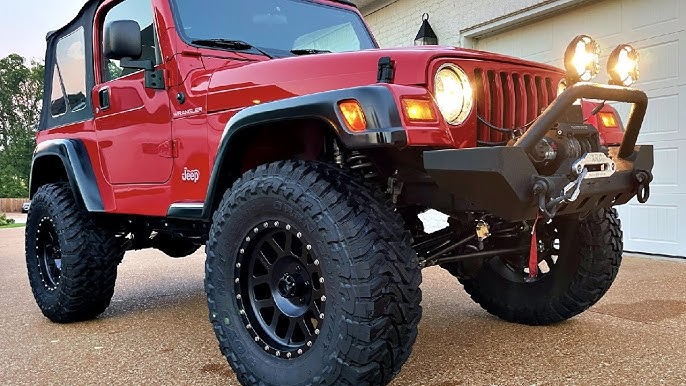
Mounting 35-inch wheels on a Jeep Wrangler TJ is a major upgrade. It gives your Jeep a bold look, better off-road performance, and improved ground clearance. But, this modification is more than just swapping tires. You need to make sure your Jeep can handle the bigger wheels safely and reliably. Many beginners think they only need to buy new tires and wheels, but there are at least 35 key steps and parts to consider. If you miss any, you might face poor handling, rubbing, or even damage. Let’s break down what you need to do for a successful install, with practical guidance at every stage.
1. Choose The Right 35-inch Tires
Not all 35-inch tires are the same. Decide between all-terrain or mud-terrain types. Mud-terrain tires offer more grip off-road but can be noisy on highways. All-terrain tires are quieter but less aggressive. Look for strong sidewalls and check load ratings to ensure safety.
2. Pick Suitable Wheels
You need wheels that match the bolt pattern (5×4.5 for TJ) and width (8-10 inches recommended). Choose wheels with the correct offset to prevent rubbing. Alloy wheels are lighter, while steel wheels are tougher for off-roading.
3. Lift Kit Selection
A lift kit is essential. For 35-inch tires, a 4-inch or higher suspension lift is needed. Some people combine a 3-inch suspension lift with a 1-inch body lift. Make sure the kit includes coil springs, shocks, and all hardware.
4. Install Lift Kit Components
Properly install new coil springs, shock absorbers, and any brackets. Use torque specs as recommended in the manual. If unsure, hire a professional installer.
5. Body Lift
A body lift (1-2 inches) helps clear larger tires, especially when flexing off-road. Ensure all hardware is strong and fits well. Watch for gaps that can let dust or water inside.
6. Replace Track Bars
Track bars keep your axles centered. After lifting, stock track bars won’t fit correctly. Get adjustable track bars for both front and rear.
7. Upgrade Control Arms
Stock control arms are too short for big lifts. Use adjustable control arms to set proper axle angles and improve ride quality.
8. Sye (slip Yoke Eliminator) Kit
Lifting a TJ causes driveline vibrations. Install a SYE kit and a new driveshaft to fix this. This upgrade prevents damage to the transfer case and improves reliability.
9. New Driveshaft
A CV driveshaft is required after SYE installation. Measure the length needed after your lift. This prevents vibrations and wear.
10. Regear Differentials
Bigger tires change your Jeep’s gearing. Regear to 4.88 or 5.13 ratios for best performance with 35s. This restores power, improves fuel economy, and reduces transmission stress.
11. Upgrade Brakes
Larger tires need better brakes. Install bigger rotors and high-quality pads. Consider a booster upgrade for better stopping power.
12. Adjust Speedometer
35-inch tires throw off your speedometer reading. Use a speedometer calibration tool or gear to correct this, avoiding speeding tickets or inaccurate mileage.
13. Fender Trimming
To prevent rubbing, trim fenders or install aftermarket fenders. Use a cutting tool for clean edges and rust-proof paint on cut areas.
14. Bump Stop Extensions
Install bump stop extensions to avoid the tires hitting the body during suspension compression. Measure for correct length based on lift and tire size.
15. Steering Stabilizer Upgrade
A heavy-duty steering stabilizer is needed with big tires. It reduces wobble and improves highway handling.
16. Extended Brake Lines
Lifts require longer brake lines. Stainless steel braided lines are best for durability and improved pedal feel.
17. Rear Axle Upgrade
Stock rear axles can break with 35-inch tires. Upgrade to a Dana 44 or strengthen your existing axle with aftermarket shafts.
18. Front Axle Upgrade
The front axle also needs attention. Upgrade shafts and consider adding truss kits for extra strength.
19. Wheel Spacers
If your wheels don’t have enough offset, use wheel spacers (1-1.5 inches). This prevents rubbing and improves stability. Use high-quality spacers only.
20. Sway Bar Disconnects
For off-road flex, install quick disconnects on the front sway bar. This lets your suspension move freely, improving traction.
21. Extended Sway Bar Links
After lifting, use longer sway bar links to maintain correct geometry and handling.
22. Heavy-duty Tie Rods
Bigger tires stress the steering. Install heavy-duty tie rods to prevent bending and keep steering precise.
23. Upgrade Ball Joints
Replace stock ball joints with heavy-duty versions to handle extra weight and stress from 35s.
24. Reinforce Steering Box
The steering box can flex with large tires. Add a steering box brace to prevent damage and improve steering feel.
25. Shock Mount Relocation
Sometimes, lifted TJs need shock mount relocation brackets. This avoids binding and allows full suspension travel.
26. Alignment
After all upgrades, get a professional alignment. Set caster, camber, and toe correctly for safe driving and tire life.
27. Tire Balancing
Large tires must be balanced to prevent vibrations. Use a shop with experience in big off-road tires.
28. Check Tire Pressure
Maintain correct tire pressure (usually 28-35 psi for 35s). Too low causes wear, too high makes the ride stiff.
29. Inspect For Rubbing
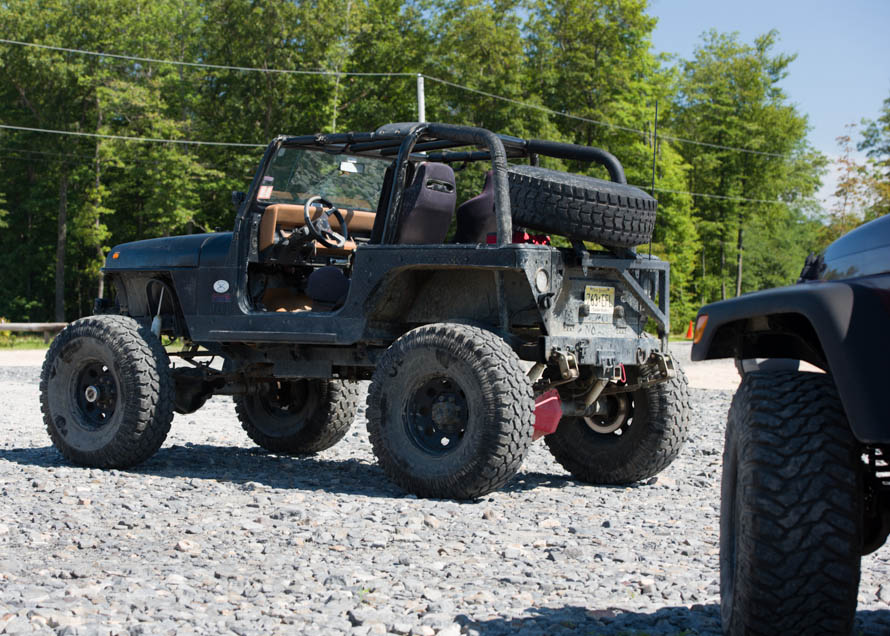
Turn the wheels lock-to-lock and flex the suspension. Check for rubbing on body, fenders, and suspension parts. Fix as needed.
30. Upgrade Wheel Studs
Bigger tires can stress wheel studs. Install stronger studs to avoid snapping under load.
31. Install Aftermarket Bumpers
Heavy-duty bumpers support off-road recovery and protect your Jeep. Choose designs that clear 35s without rubbing.
32. Adjust Parking Brake
Oversized tires and new brakes can affect your parking brake. Adjust or upgrade to ensure it works properly.
33. Update Insurance
Notify your insurance company about the upgrades. Some policies require updates for modified vehicles.
34. Test Off-road
Before regular use, test your Jeep off-road. Check for clearance, handling, and any issues. Make adjustments as needed.
35. Maintenance Schedule
Create a new maintenance schedule for your upgraded Jeep. Check suspension, steering, tires, and drivetrain more often.
Comparison: Lift Kit Types
To help decide between different lift kits, here’s a quick comparison:
| Lift Kit Type | Height | Cost (USD) | Ride Quality | Complexity |
|---|---|---|---|---|
| Suspension Lift | 3-6 inches | $800–$2,500 | Excellent | High |
| Body Lift | 1-2 inches | $200–$400 | Good | Low |
| Coil Spacer Lift | 2-3 inches | $150–$300 | Fair | Low |
Tire Size Vs. Gear Ratio
Choosing the right gear ratio is essential for performance:
| Tire Size | Recommended Gear Ratio | Fuel Economy Impact |
|---|---|---|
| 33-inch | 4.56 | -10% |
| 35-inch | 4.88 / 5.13 | -15% |
| 37-inch | 5.13 / 5.38 | -20% |
Brake Upgrade Options
Compare common brake upgrades for 35-inch tires:
| Upgrade Type | Rotor Size | Stopping Distance | Cost (USD) |
|---|---|---|---|
| Stock | 11.5″ | 70 ft (from 60 mph) | $0 |
| Big Brake Kit | 13.5″ | 55 ft (from 60 mph) | $350–$600 |
| Booster Upgrade | 11.5″ | 60 ft (from 60 mph) | $200–$350 |
Non-obvious Insights
Most people overlook track bar and control arm upgrades, thinking the lift kit alone is enough. But without them, your Jeep’s axles can shift, causing poor handling and extra wear. Another common mistake is skipping driveline upgrades—driveshaft, SYE, and gear ratio. These parts are essential for reliability and preventing vibration.
Strong Guidance For Beginners
If you’re new to Jeep mods, don’t rush. Plan your budget and timeline.
Start with the lift and tires, then tackle driveline, brakes, and steering. Always test your Jeep after every stage.
Use shops experienced with Wranglers for alignment and balancing.
Don’t skip insurance updates some claims are denied if you don’t disclose modifications.
What Is The Minimum Lift Needed For 35-inch Wheels On A Tj?
You need at least 4 inches of suspension lift or a combination of 3-inch suspension and 1-inch body lift. This prevents tire rubbing and allows safe off-road use.
Will 35-inch Tires Affect Fuel Economy?
Yes, your fuel economy will drop by 15–20%. Regearing the axles helps restore performance and efficiency.
Do I Need To Upgrade Axles For 35s?
Stock axles may break under heavy off-road use with 35s. Upgrading to a Dana 44 or aftermarket shafts is recommended for reliability.
Can I Run 35s Without A Sye Kit?
Running 35s with a big lift causes driveline vibration. An SYE kit and new driveshaft solve this problem and protect your transfer case.
Are Brake Upgrades Necessary?
Yes, brake upgrades are strongly recommended. Bigger tires need more stopping power, and stock brakes can fade or fail under stress.
Mounting 35-inch wheels on your Jeep Wrangler TJ is a rewarding project. It transforms your Jeep into a true off-road machine, but it demands careful planning and the right parts. By following these 35 steps, you’ll ensure your Wrangler is safe, reliable, and ready for adventure. If you need more technical specs or want to compare lift kits, check out ExtremeTerrain for detailed guides and reviews. Remember, every upgrade matters—don’t skip steps, and your TJ will handle 35s with confidence.