Every Jeep Wrangler owner knows the thrill of off-road adventures. Yet, most also notice the vehicle’s appetite for fuel.
The Jeep Wrangler is built for rugged terrain, not for sipping gas. But if you use your Wrangler daily, fuel costs can add up fast.
The good news: you can make your Jeep Wrangler more fuel efficient with smart changes. This article gives practical guidance to help you save money at the pump—without losing the spirit of adventure.
Understanding Jeep Wrangler Fuel Efficiency
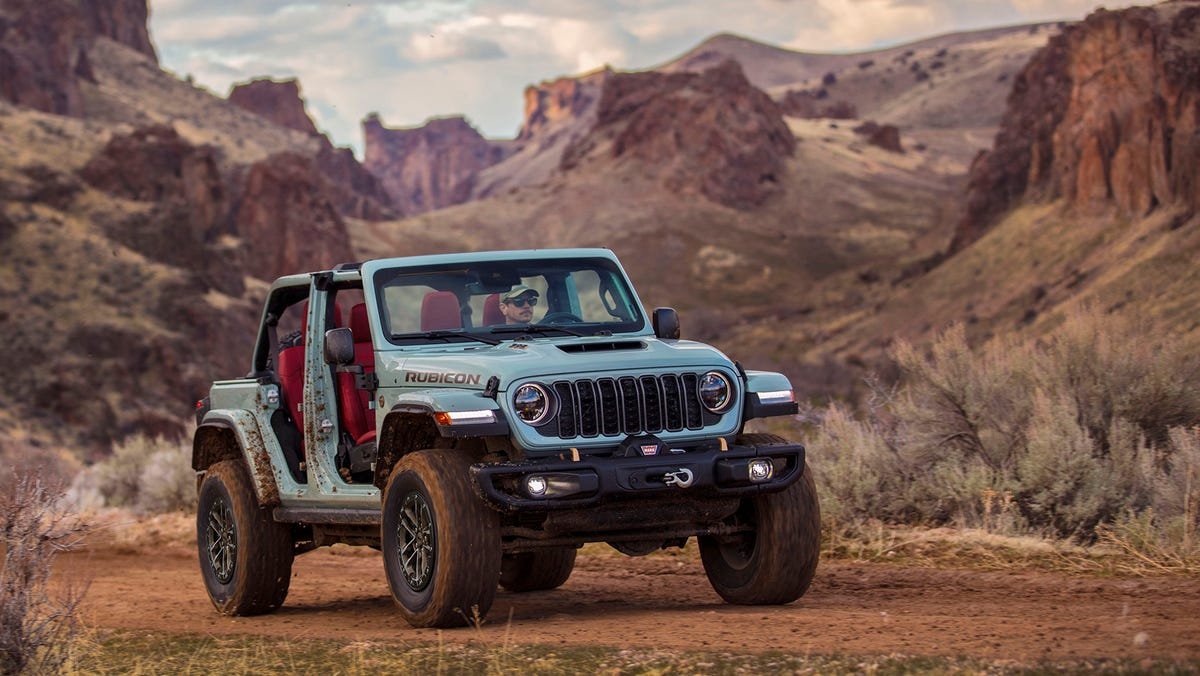
Jeep Wranglers are known for their strong engines, tall bodies, and heavy frames. These features are great for trails, but they hurt gas mileage. A typical Wrangler gets 17-22 miles per gallon (mpg), depending on the model and year. By comparison, a midsize sedan often gets over 30 mpg.
Here’s a quick look at average mpg for popular Wrangler models:
| Model Year | City MPG | Highway MPG |
|---|---|---|
| 2010 Wrangler | 15 | 19 |
| 2018 Wrangler | 17 | 23 |
| 2023 Wrangler | 20 | 24 |
Many drivers accept these numbers, thinking nothing can be done. But with the right steps, you can boost your Wrangler’s efficiency by several mpg.
Smart Driving Habits
The way you drive makes a big difference. Many owners miss these simple habits:
- Accelerate gently: Heavy foot on the gas wastes fuel. Slow, steady starts use less.
- Avoid idling: Letting your Wrangler run when parked burns unnecessary gas.
- Keep steady speed: Highway driving at 60-65 mph is more efficient than speeding or frequent stops.
- Use cruise control: This helps maintain a constant speed, especially on flat highways.
Even small changes here can improve mpg by 10-15%.

Tire Choices And Maintenance
Your tires have a big impact on fuel economy. Oversized tires are popular for off-roading, but they increase rolling resistance and weight.
| Tire Type | Average MPG Change |
|---|---|
| Stock Tires | +2 mpg |
| 33” Off-Road Tires | -3 mpg |
| 35” Mud Tires | -5 mpg |
Tips for tire efficiency:
- Use stock-sized tires for daily driving.
- Check tire pressure monthly. Low pressure increases drag. Aim for the recommended PSI in your owner’s manual.
- Rotate tires regularly to ensure even wear.
Many drivers overlook tire pressure, but underinflated tires can reduce mpg by up to 3%.
Reduce Unnecessary Weight
Wranglers often carry extra gear: roof racks, winches, oversized bumpers, and camping tools. Every 100 pounds of extra weight drops fuel efficiency by about 1%.
To save fuel:
- Remove roof racks and cargo carriers when not in use.
- Take out unused tools or heavy items.
- Consider lighter aftermarket parts.
Don’t forget: even small items add up. Cleaning out your Jeep can give you a noticeable boost in mpg.
Aerodynamics Matter
Wranglers are boxy and upright, which increases drag. Some owners add bigger mirrors, light bars, or snorkels, but these further hurt aerodynamics.
Tips to improve airflow:
- Remove soft tops or roof attachments when possible.
- Keep windows closed at high speed.
- Choose low-profile accessories.
Even swapping a steel bumper for a streamlined one can make a small difference.
Engine And Transmission Upgrades
If you’re ready for bigger changes, upgrades can help.
Engine Tuning
A professional ECU tune can optimize fuel injection and timing. This can increase mpg by 5-10%, but always use a trusted shop.
Transmission Adjustments
Older Wranglers may benefit from upgrading to a higher gear ratio. This allows the engine to run at lower RPMs on highways, saving fuel.
Synthetic Oils
Switching to synthetic engine oil reduces friction and helps your Jeep run smoother. Many owners report a 1-2 mpg improvement.
Regular Maintenance
Routine care is essential. Many drivers miss these points:
- Replace air filters every 12,000 miles. Dirty filters reduce airflow and efficiency.
- Change spark plugs as recommended—worn plugs waste fuel.
- Use the right fuel grade for your engine. Check your owner’s manual.
For newer Wranglers, keeping up with software updates can also help. Manufacturers sometimes release updates to improve fuel efficiency.
Comparing Wrangler Efficiency With Other Suvs
It’s useful to see how the Wrangler compares to similar vehicles:
| Vehicle | City MPG | Highway MPG |
|---|---|---|
| Jeep Wrangler | 17 | 23 |
| Ford Bronco | 20 | 22 |
| Toyota 4Runner | 16 | 19 |
While the Wrangler isn’t the most efficient, it’s possible to narrow the gap with the above steps.
Non-obvious Tips Most Owners Miss
- Fuel system cleaners: Using a cleaner every 10,000 miles can remove build-up and improve efficiency.
- Driving with less than half a tank: Carrying a full tank adds weight. Try to keep your tank between 1/4 and 1/2 full for daily driving.
These tricks are rarely mentioned but can add up over time.
Final Thoughts
Making your Jeep Wrangler more fuel efficient isn’t about one big change. It’s a combination of smart driving, proper maintenance, and choosing the right parts. Even if you use your Jeep for off-roading, applying these tips during daily use can save money and reduce trips to the gas station. If you want more technical details, the US Department of Energy offers extra guidance at FuelEconomy.gov.
Frequently Asked Questions
How Much Can I Improve My Jeep Wrangler’s Mpg?
With careful changes, most owners see an improvement of 2-4 mpg. Some report up to 6 mpg with advanced tuning and lighter parts.
Will Bigger Tires Always Reduce Fuel Efficiency?
Yes, larger tires increase weight and drag, which lowers mpg. Using stock tires is best for saving fuel.
Only if your engine is designed for premium fuel. Most Wranglers run fine on regular gas. Check your owner’s manual before switching.
Is Synthetic Oil Really Worth It?
Yes. Synthetic oil reduces friction and helps engines run smoother, often boosting mpg by 1-2.
What’s The Most Common Mistake Wrangler Owners Make?
Ignoring tire pressure and carrying unnecessary weight are the most frequent mistakes. Both can lower mpg quickly.