If you drive a Jeep JK, you know how fun and capable it can be on and off the road. But many Jeep JK owners face a common issue: the engine tends to run hot, especially in tough conditions. Overheating can cause engine damage and ruin your off-roading adventure. The good news is, there are effective ways to make your Jeep JK run cooler. Let’s explore practical solutions to keep your Jeep’s temperature under control, so you can enjoy your ride without worries.
Why Jeep Jks Run Hot
The Jeep JK (2007–2018 Wrangler) is a rugged vehicle, but its cooling system can struggle under stress. There are a few reasons for this:
- Small engine bay: The engine sits tightly packed, which limits airflow.
- Factory radiator limitations: Stock radiators are often just enough for daily driving, not for towing or off-roading.
- Mud and debris: Off-road trips can clog the radiator and block airflow.
- Bigger tires and lifts: Upgrades add weight and strain, causing more heat.
A Jeep that runs too hot can lose power, damage the head gasket, or even crack the engine block. That’s why it’s smart to make changes before you see the temperature needle climb.
Upgrade The Radiator
One of the fastest ways to lower engine temperature is to install an aftermarket aluminum radiator. Aluminum radiators dissipate heat better than the factory models.
| Feature | Stock Radiator | Aluminum Radiator |
|---|---|---|
| Cooling Efficiency | Moderate | High |
| Durability | Plastic/Aluminum Mix | Full Aluminum |
| Weight | Lighter | Slightly Heavier |
| Cost | Lower | Higher |
When choosing a radiator, look for one with more rows (such as 2 or 3 rows). More rows mean more surface area for cooling. Make sure the radiator fits your JK model year.

Improve Airflow To The Engine
Better airflow helps your cooling system work efficiently. Here are some tips:
- Clean the radiator: Use a hose to flush out mud, leaves, and bugs. Even a thin layer of dirt can block airflow.
- Install a mesh grille: This simple upgrade catches debris before it reaches the radiator.
- Check fan function: The electric or clutch fan should turn on at the right temperature. Replace a weak fan or damaged fan shroud.
- Hood vents: Installing hood louvers or vents lets hot air escape from the engine bay. This is especially helpful if you crawl at low speeds.
Pro tip: Never use high-pressure water directly on the radiator fins—you can bend them and reduce airflow.
Upgrade The Thermostat
The thermostat controls when coolant flows into the radiator. A lower temperature thermostat opens sooner, which can help your Jeep run a few degrees cooler.
| Thermostat Type | Opening Temperature | Effect on Cooling |
|---|---|---|
| Stock | ~203°F | Normal operation |
| Low-temp (aftermarket) | ~180°F | Lowers average temp |
A lower-temp thermostat is a simple swap, but it’s not a cure-all. If your cooling system is weak, the engine may still run hot.
Combine this with other upgrades for best results.
Use High-quality Coolant
Not all coolant is created equal. Use a 50/50 mix of high-quality coolant and distilled water. Avoid tap water, as it contains minerals that can cause deposits and blockages.
For harsh climates or towing, consider additives like Water Wetter. These products improve heat transfer and can drop temperature by 5–10°F. Always check the manufacturer’s recommendations to avoid warranty issues.
Check For Common Cooling Problems
Before spending money on upgrades, check for these common issues:
- Coolant leaks: Look for wet spots under the Jeep and around hoses.
- Worn hoses: Old hoses can collapse under pressure, blocking flow.
- Faulty water pump: A bad pump can’t circulate coolant properly.
- Clogged radiator: Rust and debris inside the radiator reduce performance.
Fix these problems before adding new parts. Sometimes, a simple repair makes the biggest difference.
Electric Fan Conversion
Some Jeep JKs have a clutch-driven fan. Swapping to an electric fan can improve cooling, especially at low speeds or in traffic.
Benefits:
- Consistent airflow: Electric fans run at full speed, even at idle.
- Less engine drag: Freeing the engine from driving the fan can improve horsepower.
Choose a fan with enough CFM (cubic feet per minute) for your engine. Most 3.6L and 3.8L JKs need at least 3000 CFM.
Transmission Cooler For Automatic Jks
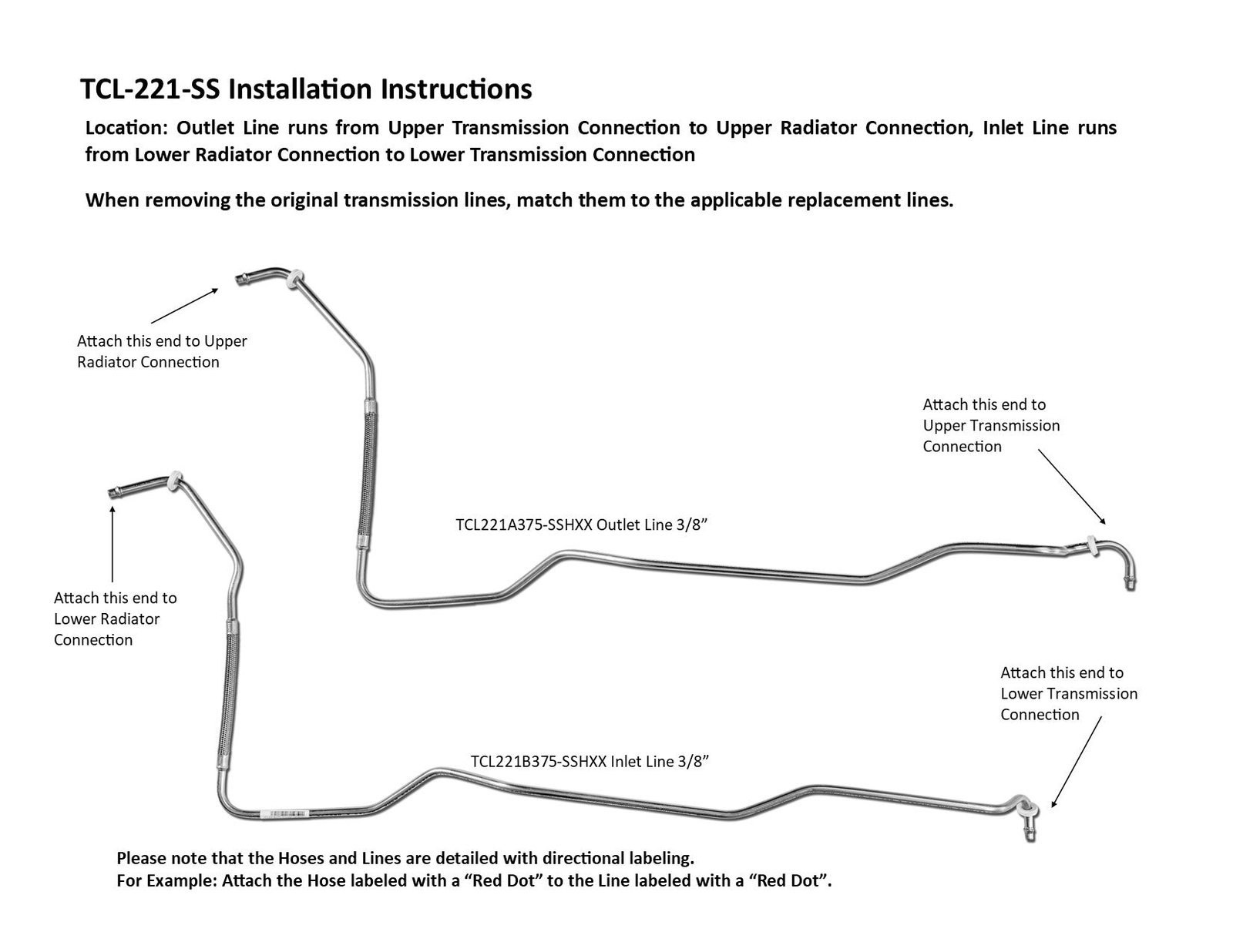
If your Jeep has an automatic transmission, consider adding a transmission cooler. Hot transmission fluid can raise overall engine temperature.
A separate cooler keeps both the transmission and engine running at safer levels, especially when towing or rock crawling.
Don’t Overlook The Heater Core
The heater core is part of your cooling loop. If it’s clogged, coolant won’t flow correctly, and the engine can overheat. Flushing the heater core every few years can prevent hidden cooling problems.
Real-world Example
Mike, a Jeep JK owner from Arizona, installed a 3-row aluminum radiator, hood vents, and an electric fan. Before upgrades, his JK ran at 220°F on trails.
After, it rarely goes above 200°F, even in 100°F weather. This shows how combining several upgrades is more effective than relying on one fix.
Frequently Asked Questions
Why Does My Jeep Jk Overheat Only When Off-roading?
Off-roading creates extra heat due to low speeds, heavy loads, and blocked airflow from mud or debris. The engine works harder, and the cooling system can’t keep up.
Will A Lower-temp Thermostat Solve All Overheating Problems?
No. A lower-temp thermostat helps, but it can’t fix issues like a clogged radiator, weak fan, or coolant leaks. It works best with other cooling upgrades.
How Often Should I Flush My Jeep Jk’s Coolant System?
Flush the coolant every 2 3 years or 30,000 miles. For extreme use, check the coolant yearly and flush if it looks dirty or rusty.
Is An Electric Fan Better Than The Stock Clutch Fan?
Electric fans offer more consistent cooling at low speeds and are less affected by engine RPM. But they must be sized correctly for your engine.
Where Can I Find More Technical Details About Jeep Jk Cooling Systems?
You can read more on the official Jeep Wrangler Wikipedia page for deeper technical information.
Making your Jeep JK run cooler isn’t difficult if you address both the cooling system and airflow. Combining a better radiator, improved airflow, quality coolant, and regular checks will protect your engine and keep your adventures safe.
With these steps, you’ll be ready for any trail or summer heat.