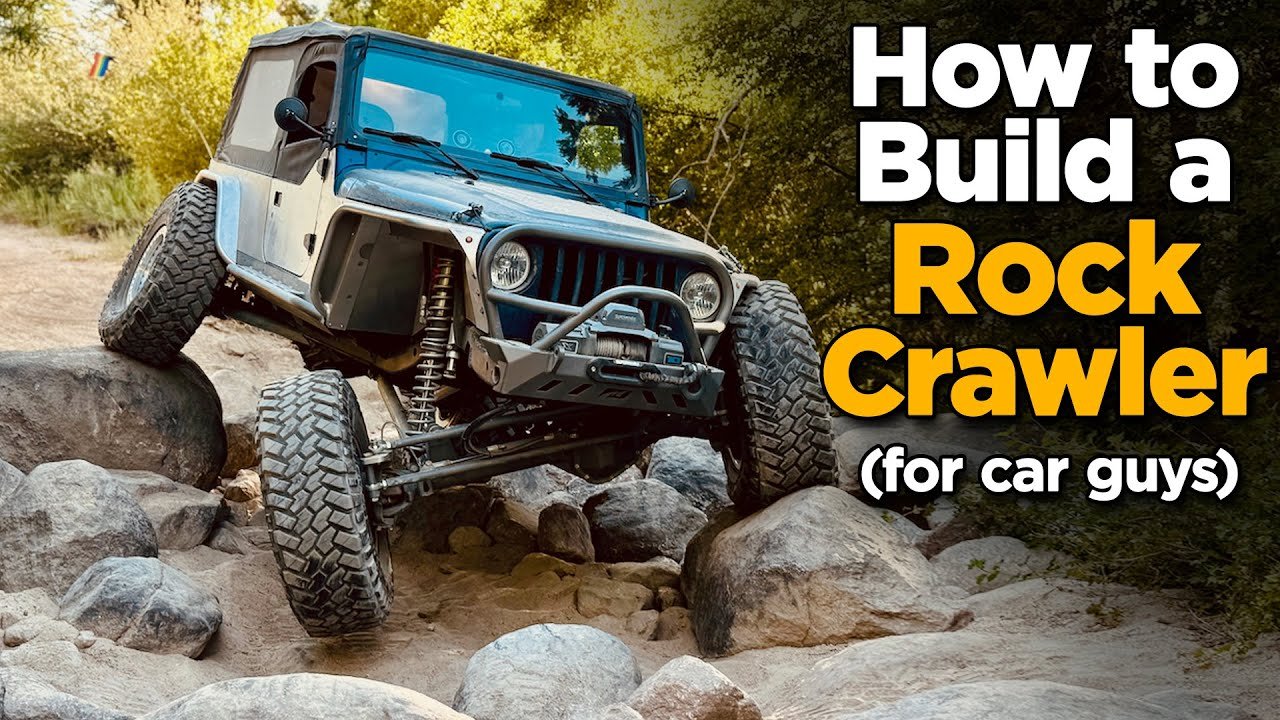
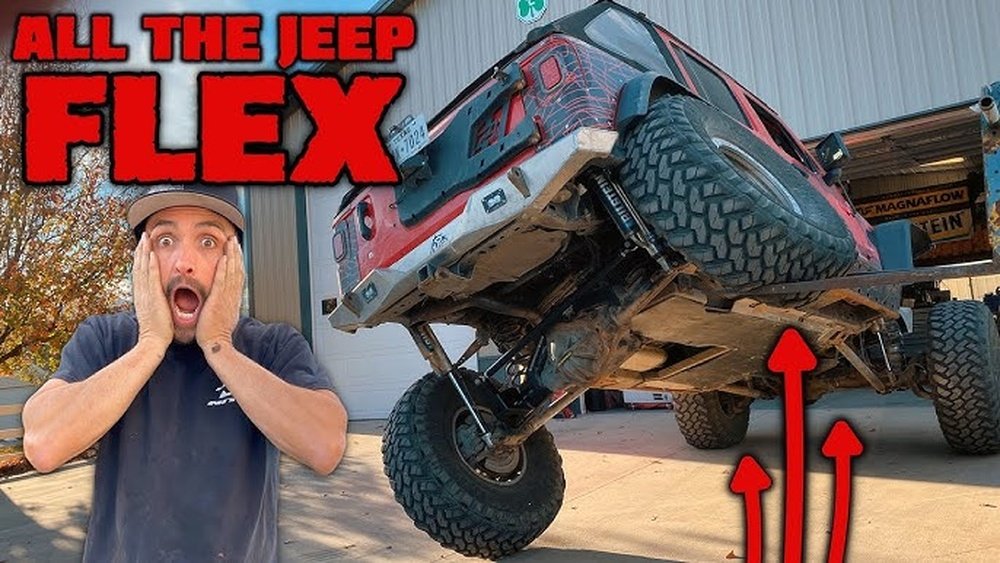
Getting your Jeep to flex is one of the most exciting parts of off-roading. When a Jeep flexes, its suspension allows the wheels to move up and down over obstacles.
This helps keep all tires on the ground for better traction and safety.
Many Jeep owners want to improve flex for rough trails or rock crawling. But making your Jeep flex well is more than just adding big tires.
It requires the right suspension setup, smart upgrades, and understanding the limits of your vehicle.
If you’re new to off-roading or just curious about making your Jeep flex, this article covers everything you need to know. You’ll learn the main steps, key parts to upgrade, and mistakes to avoid.
By the end, you’ll have a clear plan to boost your Jeep’s off-road capability and impress your friends on the trail.
What Does “flex” Mean In Jeeps?
When people talk about “flex” in a Jeep, they mean how much the suspension can move up and down on uneven ground. This is called articulation. More flex means your Jeep can climb bigger rocks, cross deep ruts, and handle rough terrain without lifting a tire off the ground.
A Jeep with poor flex might get stuck or tip over more easily. Good flex improves both traction and stability. For example, the Jeep Wrangler Rubicon is famous for its excellent stock articulation, which makes it popular with serious off-roaders.
Key Parts That Affect Jeep Flex
Several components work together to allow a Jeep to flex. Here’s a breakdown of the most important ones:
| Part | Role in Flex | Stock Limitation |
|---|---|---|
| Control Arms | Guide axle movement | Limited range |
| Sway Bars | Reduces body roll | Restricts flex |
| Shocks & Springs | Absorb impacts | Short travel |
| Bump Stops | Prevent over-compression | Can limit articulation |
Most factory Jeeps are built for both on-road comfort and some off-road use. To get maximum flex, you’ll want to upgrade or modify several of these parts.
Steps To Make Your Jeep Flex Better
Improving flex is not just about buying the biggest lift kit. You need to make several smart changes. Here’s how you can do it:
1. Disconnect Or Upgrade The Sway Bar
The sway bar keeps your Jeep stable on the road but limits movement off-road. Most off-roaders disconnect it when hitting the trail. This is the cheapest way to boost flex quickly.
- Use manual disconnects for affordable, simple trail use.
- High-end models like the Rubicon have electronic disconnects you can control from inside the Jeep.
2. Upgrade Control Arms
Factory control arms don’t allow much travel. Aftermarket control arms are longer and can twist more.
- Adjustable control arms let you fine-tune axle position.
- Look for models with flex joints or heim joints for better movement.
3. Install Longer Shocks And Springs
A lift kit with longer shocks and springs increases suspension travel. This is necessary if you want bigger tires and more flex.
- A 2-4 inch lift is common for moderate off-roading.
- Choose shocks designed for off-road use, not just for height.
4. Check Bump Stops And Brake Lines
Bump stops keep the suspension from over-compressing and damaging parts. But if they’re too long, they limit flex.
- Shorten or replace bump stops for more travel, but don’t remove them.
- Extended brake lines are often needed with lifts to avoid snapping during flex.
5. Test And Adjust
After making changes, test your Jeep on a mild trail or flex ramp. Adjust parts as needed for smooth operation.
- Listen for strange noises or rubbing.
- Watch for tire contact with fenders or body.
Comparing Common Jeep Suspension Upgrades
Here’s a quick look at how popular upgrades compare for improving flex:
| Upgrade | Flex Improvement | Cost Range (USD) |
|---|---|---|
| Sway Bar Disconnects | High | $100-400 |
| Control Arms | Medium-High | $300-1200 |
| Lift Kit | Medium | $500-2500 |
| Shocks & Springs | Medium | $400-1800 |
Cost and results will vary by Jeep model and how extreme you want to go. Start with disconnects and work your way up as your skills and needs grow.
Two Insights Beginners Often Miss
- Tire size alone doesn’t increase flex. Many people think that bigger tires will help their Jeep flex more. In reality, it’s the suspension upgrades that make a difference. Big tires can even rub and limit movement if the suspension isn’t upgraded too.
- Flex isn’t always better for daily driving. A Jeep set up for maximum flex may feel loose or less stable on regular roads. It’s important to find a balance between off-road capability and on-road comfort, especially if your Jeep is a daily driver.
Common Mistakes To Avoid
- Forgetting about driveline angles: Lifting your Jeep changes the angle of the driveshafts. This can cause vibration or even damage without proper adjustments.
- Ignoring bump stop length: Removing bump stops for more flex can lead to broken parts.
- Not extending brake lines: Too-short brake lines can snap during heavy articulation.
- Buying low-quality parts: Cheap upgrades often wear out fast, reducing both safety and performance.

Final Tips For Jeep Flex
- Always check your state’s laws about modifications. Some changes may affect vehicle inspection or insurance.
- Practice safe driving and never test flex alone in remote areas.
- Keep recovery gear handy in case you push your Jeep too far.
Upgrading your Jeep for flex is an investment in both fun and safety. With the right parts and a careful approach, you can take your off-roading to the next level and enjoy every adventure.
Frequently Asked Questions
How Much Flex Is “enough” For A Jeep?
Most off-roaders aim for enough flex to keep all four tires on the ground over common obstacles. For moderate trails, 8-10 inches of suspension travel per wheel is usually plenty. More extreme rock crawlers may want even more.
Will Flex Upgrades Affect My Jeep’s Warranty?
Some suspension upgrades can impact your Jeep’s factory warranty. Always check with your dealer before making major changes. Using parts approved by Jeep or Mopar can help protect your warranty.
Can I Improve Flex Without A Lift Kit?
Yes. Disconnecting the sway bar and upgrading control arms can increase flex without lifting your Jeep. However, a lift kit does provide more room for tire movement and larger tires.
Is Flex Important For All Types Of Off-roading?
Flex matters most for rock crawling and trails with deep ruts. On sand, mud, or flat trails, flex is less important. Choose upgrades based on the terrain you drive most often.
Where Can I Learn More About Jeep Suspension?
You can find more detailed guides and technical info on the official Jeep website. Many off-road forums and YouTube channels also offer helpful advice for beginners.
Building a flex-ready Jeep is a journey, not a race. Start with simple upgrades, learn how your Jeep responds, and upgrade as your skills and needs grow.
With the right approach, you’ll be ready for any trail adventure.