Jeep Wranglers are known for their rugged design and adventure-ready features. But with this popularity comes a small risk: spare tire theft. The exposed rear spare tire on your Wrangler is convenient, but it’s also an easy target for thieves. Whether you park in a city, at trailheads, or just want extra peace of mind, learning how to lock your spare tire is a smart move. This guide explains everything you need to know to secure your Jeep Wrangler’s spare tire, avoid common mistakes, and choose the best solution for your needs.
Why Locking Your Spare Tire Matters
A Wrangler’s spare tire is valuable not just for its price, but for its importance. Getting stranded off-road or in a remote area without a spare can turn a fun trip into a headache.
New Jeep spare tires and wheels can cost $300 or more.
Thieves can remove them in under a minute with basic tools. Insurance might not always cover the loss, and dealing with the paperwork is stressful.
Locking your spare tire:
- Prevents quick theft by making removal harder and slower
- Protects your investment in wheels, tires, and off-road gear
- Saves you money on replacements and insurance deductibles
- Gives peace of mind so you can leave your Jeep anywhere
Some Wrangler owners think theft “won’t happen to me,” but thefts are more common in parking lots, apartments, and even at trailheads. A simple lock can make your Jeep less attractive to thieves.
Types Of Spare Tire Locks For Jeep Wrangler
There are several ways to secure your Wrangler’s spare tire. Each has pros and cons, and the right choice depends on your budget, how you use your Jeep, and how much security you want.
| Lock Type | How It Works | Pros | Cons |
|---|---|---|---|
| Lug Nut Locks | Replace one lug nut with a locking nut that requires a special key | Simple, affordable, easy to install | Can be removed with force or special tools |
| Clamp-On Locks | Large clamp fits over the tire and wheel | Very visible, hard to cut | Bulky, may not fit all tire sizes |
| Bracket/Plate Locks | Metal plate or bracket covers lug nuts and locks in place | Good security, blends in | More expensive, requires more installation time |
| Cable Locks | Thick cable loops through the wheel and frame, locks with a key | Flexible, can secure other gear | Cables can be cut with tools |
Lug Nut Locks
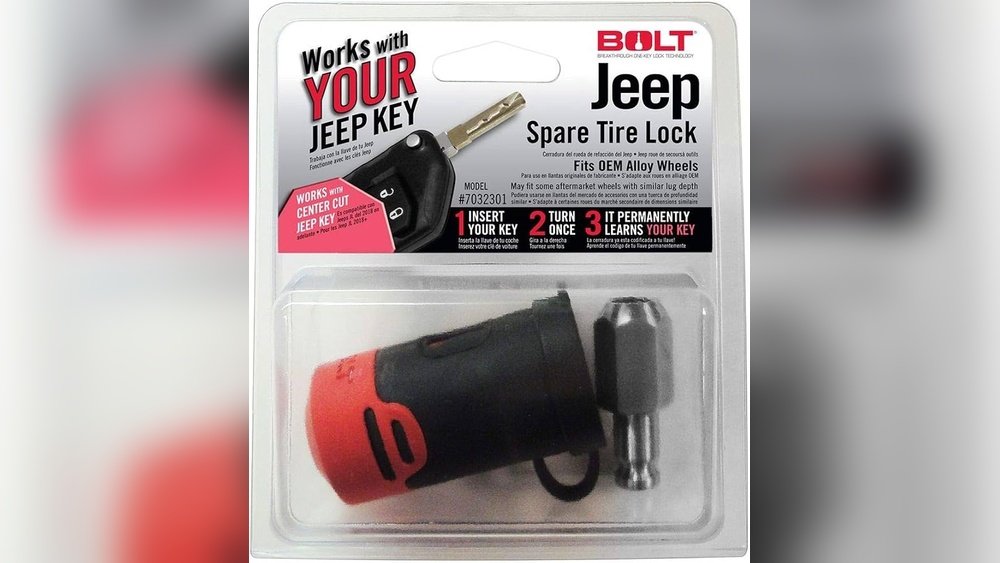
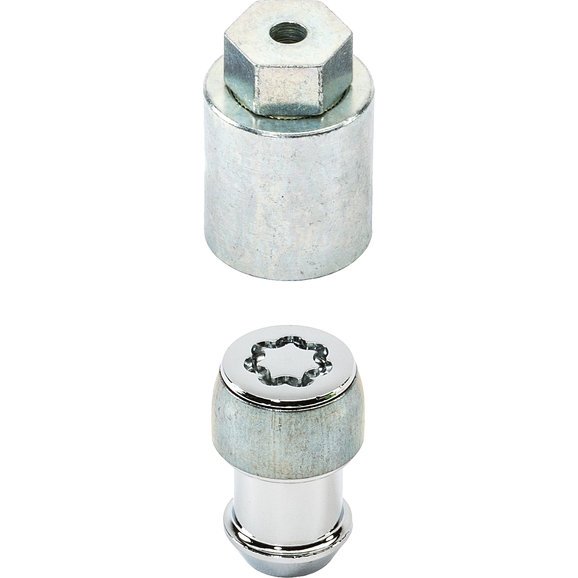
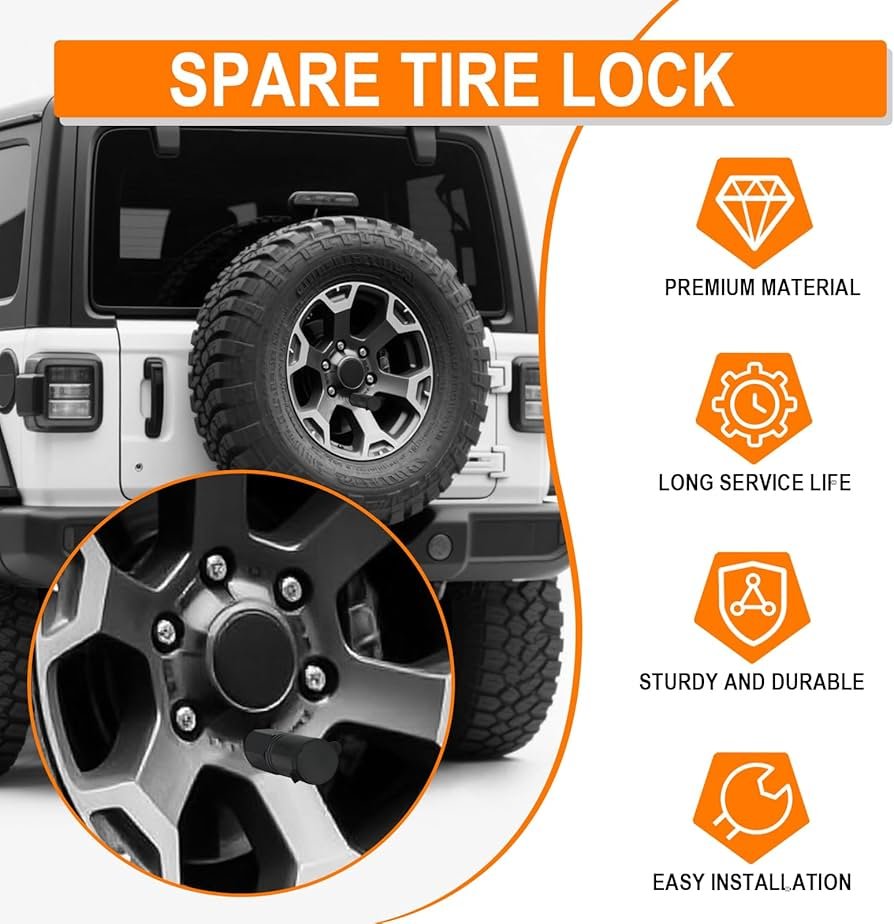
Lug nut locks are the most common. You replace one (or more) of your spare’s lug nuts with a special nut that only comes off with a matching key. These are cheap (usually $20–$50) and work with most wheels. However, determined thieves can break them with special sockets or by hammering. Still, they are enough to deter casual thieves and are easy to install.
Clamp-on Tire Locks
A clamp-on lock is like a boot for your spare tire. It covers the wheel and tire, making it hard to remove without unlocking the clamp.
They’re very visible, so they scare off thieves. However, they are heavier, more expensive, and may not fit oversized tires.
Bracket Or Plate Locks
These lock types use a metal plate or bracket that covers the lug nuts. The plate is locked in place with a key, blocking access to all the lugs.
Some even have anti-tamper bolts or special designs for Jeep Wranglers.
They offer excellent security and are less visible than clamps, but take longer to install.
Cable Locks
A heavy-duty cable lock can loop through your wheel and secure it to the tire carrier or frame. These are flexible and can also secure other gear like gas cans or jacks.
However, a cable can be cut with bolt cutters, so it’s best used as a backup or when combined with other locks.
How To Install A Spare Tire Lock On A Jeep Wrangler
Installing a spare tire lock is usually simple. You can do it at home with basic tools. Here’s a step-by-step guide for the two most popular options: lug nut locks and bracket locks.
Installing A Lug Nut Lock
- Remove one lug nut from the spare tire.
- Replace it with the locking nut using the provided key.
- Tighten to the correct torque (check your owner’s manual for specs).
- Store the lock key in a safe but accessible place (like your glovebox).
Tips:
- Don’t replace all your lug nuts with locks. If you lose the key, you’ll struggle to change a tire.
- Choose a lock brand known for durability, like McGard or Gorilla Automotive.
Installing A Bracket Or Plate Lock
- Remove the spare tire from the carrier (if needed).
- Fit the bracket or plate over the wheel mount, following the manufacturer’s instructions.
- Reinstall the spare tire onto the bracket.
- Secure the lock (usually a padlock or special bolt).
- Check for movement—the tire should be snug and the bracket should cover the lugs.
Some bracket locks are designed for quick installation, while others need drilling or extra hardware.
Using A Clamp-on Or Cable Lock
- Clamp-on locks: Fit the clamp over the tire, making sure it covers the wheel. Lock it tightly. Test by trying to move the clamp.
- Cable locks: Loop the cable through the wheel and around the tire carrier or bumper. Lock it and check for slack.
Choosing The Best Spare Tire Lock For Your Jeep
The best lock depends on your needs. Use this comparison to decide:
| Situation | Best Lock Type | Why |
|---|---|---|
| Daily driving, city parking | Lug Nut Lock, Bracket Lock | Easy to use, enough for most city theft attempts |
| Off-roading, rough trails | Bracket Lock | Won’t shake loose, protects against theft and bumps |
| Long-term storage | Clamp-On Lock + Lug Nut Lock | Double protection, visible deterrent |
| Securing extra gear | Cable Lock | Flexible, can lock gas cans or recovery tools |
Non-obvious tip: Some thieves check for lock brands and may carry universal keys for cheap locks. Investing in a high-quality lock or using two types together (like a lug nut lock plus a cable) increases your protection.
Another thing beginners miss: Always check that your lock fits your tire and carrier. Wrangler models vary (JK, JL, TJ, YJ), and some aftermarket wheels or carriers may need special locks.
Common Mistakes To Avoid
- Using only cheap locks: Low-quality locks are easier to break. Spend a little more for solid steel and trusted brands.
- Ignoring fitment: Not all locks fit oversized or aftermarket tires. Double-check before buying.
- Forgetting the lock key: If you lose your lock key on a trail, you can’t change your own tire. Keep a spare key with your recovery gear.
- Leaving the lock loose: A loose lock can rattle off while driving. Always check tightness after off-roading.
- Relying on one solution: For high-risk areas, use two different lock types for extra security.
Maintenance And Extra Tips
Locks need care to work well, especially if you drive off-road or in bad weather. Dirt, mud, or road salt can jam lock mechanisms.
- Spray lock lubricant (like WD-40) into the lock cylinder every few months.
- Check for rust or corrosion, and replace any damaged locks right away.
- After washing your Jeep, dry the lock area to avoid water buildup.
- Test your lock key once a month to make sure it still fits and turns easily.
Some Jeep owners add a tire cover over the spare. This hides the wheel and lock, making your tire less visible to thieves. While not a strong security measure alone, it adds another layer of protection.
If you ever change your spare tire size or upgrade your carrier, re-check your lock’s fit.
Real-world Examples And Data
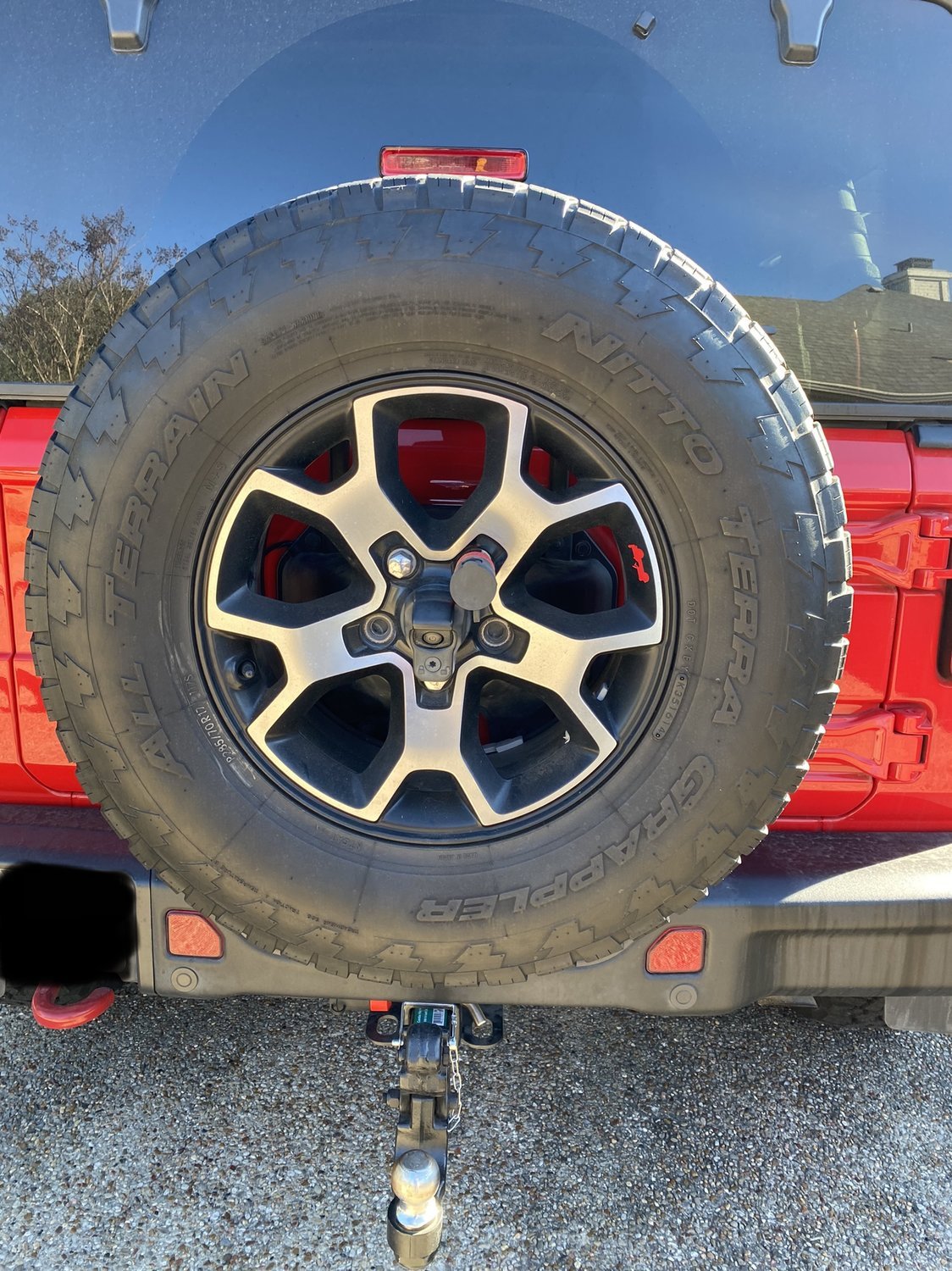
- In 2021, the National Insurance Crime Bureau reported a 9% rise in spare tire thefts in large US cities.
- A Jeep forum poll with 1,200 Wrangler owners showed 17% had experienced or knew someone who lost a spare tire to theft.
- The average cost to replace a stock Wrangler spare (wheel and tire) is $375, not including labor or custom wheels.
Owners in high-theft areas often use two locks or even park with the spare close to a wall to make access harder. These small steps can save you hundreds of dollars and avoid a lot of hassle.
Frequently Asked Questions
Can I Use A Regular Padlock To Secure My Jeep’s Spare Tire?
A standard padlock by itself won’t secure your spare tire unless paired with a bracket or cable. Just locking the wheel carrier or using a padlock on the mounting bolts usually isn’t effective, as the tire can still be removed with basic tools.
Will Locking My Spare Tire Make It Hard For Me To Change In An Emergency?
A good lock shouldn’t slow you down much. Keep the key handy in your glovebox or recovery kit.
Avoid hiding the key at home, as you may need it on the road or trail. Test the lock occasionally to make sure you know how to remove it quickly.
Do I Need A Special Lock For Oversized Or Aftermarket Wheels?
Yes, many aftermarket or oversized tires need special locks. Some locks are too small for larger tires, and some brackets won’t fit custom wheels.
Always check the lock manufacturer’s specs for your Wrangler model and tire size.
How Do I Know If My Wrangler Already Has A Spare Tire Lock?
Most stock Jeep Wranglers don’t come with a spare tire lock from the factory. Some dealers add them as part of a protection package.
Look for a special lug nut or bracket covering the lugs on your spare tire. If unsure, check your owner’s manual or ask your dealer.
Where Can I Buy A Reliable Spare Tire Lock For My Jeep Wrangler?
You can find good locks at auto parts stores, Jeep accessory shops, and online retailers. Check reviews and make sure the lock fits your Wrangler’s year and model. For trusted information, visit the Consumer Reports Tire Buying Guide.
Protecting your Jeep Wrangler’s spare tire is a smart, simple upgrade. With the right lock and a few good habits, you can enjoy your adventures without worrying about theft.
Take a few minutes to secure your spare, and you’ll be ready for whatever the road or trail throws your way.