Lifting a Jeep Grand Cherokee is a popular way to improve off-road performance, gain extra ground clearance, and fit larger tires. But it’s not just about looks choosing and installing the right lift is a technical process.
If you’re considering lifting your Grand Cherokee, understanding the steps, risks, and benefits will help you make the best decision for your vehicle and your driving needs.
Understanding Lift Types
There are several ways to lift a Jeep Grand Cherokee, each offering different results and costs. Picking the right method depends on your goals, budget, and how you use your Jeep.
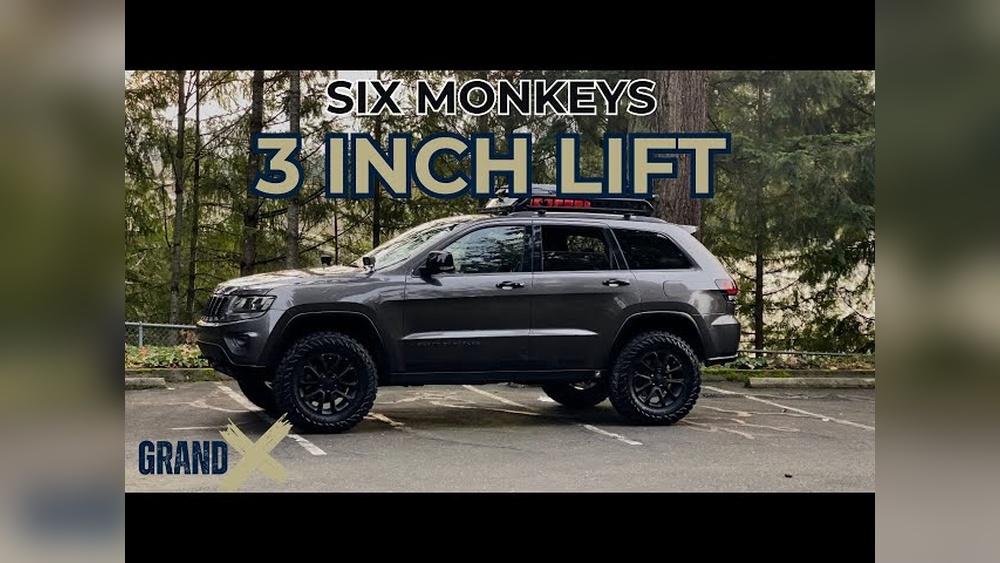
Suspension Lift Kits
Suspension lifts are the most common option for serious off-roaders. These kits replace or modify the suspension components, such as springs, shocks, and control arms, to raise the vehicle.
- Typical lift range: 2–6 inches
- Benefits: Increased ground clearance, better off-road capability
- Drawbacks: Higher cost, more complex installation
Spacer Lift Kits
Spacer kits (also called “budget boosts”) use simple spacers above the springs to lift the body.
- Typical lift range: 1–2.5 inches
- Benefits: Affordable, easier to install
- Drawbacks: Limited performance gains, not ideal for heavy off-roading
Body Lift Kits
Body lifts raise the body without changing suspension. They are less common for Grand Cherokees, but some options exist.
- Typical lift range: 1–2 inches
- Benefits: Cheap, keeps suspension stock
- Drawbacks: No increase in ground clearance under the frame, limited tire size improvement
Here’s a quick comparison:
| Lift Type | Lift Height | Estimated Cost | Installation Difficulty |
|---|---|---|---|
| Suspension Kit | 2-6 inches | $700-$2,500 | High |
| Spacer Kit | 1-2.5 inches | $150-$600 | Medium |
| Body Lift | 1-2 inches | $200-$400 | Low |
Preparing For The Lift
Before you start, preparation is key. Check these points to avoid mistakes:
- Choose the right kit for your Jeep model and year. Not all kits fit every Grand Cherokee.
- Check compatibility with your current wheels, tires, and suspension.
- Gather tools: You’ll need sockets, wrenches, jacks, jack stands, and possibly spring compressors.
- Read instructions: Each kit is different. Review the manual and watch videos if available.
- Safety first: Use sturdy jack stands, wear safety glasses, and never work under a vehicle supported only by a jack.
Many beginners overlook alignment after lifting. A lifted vehicle almost always needs a professional alignment to prevent tire wear and poor handling.
Step-by-step Installation Guide
Here’s a general process for installing a suspension lift kit. Spacer and body lifts follow similar steps, but may skip some parts.
- Lift the vehicle: Use a hydraulic jack to raise the Jeep. Secure it with jack stands.
- Remove wheels: Loosen lug nuts, take off wheels for easy access.
- Disconnect suspension components: Remove shocks, sway bar links, and control arms as instructed.
- Install new parts: Place new springs, spacers, or other kit items according to instructions.
- Reconnect everything: Reinstall shocks, control arms, sway bars, and wheels.
- Lower the Jeep: Remove jack stands and lower carefully.
- Double-check bolts: Tighten all bolts to the recommended torque.
- Get an alignment: Drive to a shop for wheel alignment.
Most kits take 4 8 hours for a DIY install. If you aren’t confident, professional installation is safer and often faster.
After Installation: Adjustments And Checks
A lifted Grand Cherokee needs some post-install care. Here’s what you should check:
- Wheel alignment: Crucial for safe driving and tire life.
- Brake lines: Make sure they are not stretched after the lift.
- Drivetrain angles: High lifts may require adjustments to driveshafts to avoid vibration.
- Clearance: Test tire clearance at full turn and full suspension travel.
- Legal limits: Some states limit lift height. Check local laws.
Many first-timers skip these checks, but they’re essential for safety and performance.
Pros And Cons Of Lifting
Lifting your Jeep Grand Cherokee comes with clear benefits and some downsides.
| Pros | Cons |
|---|---|
| Improved off-road ability | Higher center of gravity |
| Ability to fit larger tires | Reduced fuel efficiency |
| Enhanced appearance | More wear on suspension |
| Better ground clearance | May void warranty |
A key insight: Lifting affects ride comfort and handling. Many people notice a stiffer ride or more body roll after the lift. Test drive your Jeep in different conditions after installation.
Common Mistakes To Avoid
Some errors can cause problems down the road. Watch for these:
- Skipping alignment: Leads to uneven tire wear and poor steering.
- Ignoring brake line length: Stretched lines can fail suddenly.
- Buying the wrong kit: Make sure it matches your Jeep’s year and trim.
- Over-lifting: Too much height can stress suspension and steering parts.
- Missing tire clearance check: Rubbing tires damage both the tires and wheel wells.
A less obvious mistake is not upgrading shocks after a lift. Factory shocks may not handle the new height, resulting in poor ride and handling.
Useful Resources
If you want expert advice or detailed kit reviews, visit the official Jeep forums or read guides from trusted sources like ExtremeTerrain.
Frequently Asked Questions
How Much Does It Cost To Lift A Jeep Grand Cherokee?
Prices vary. Spacer kits start at $150, while high-end suspension kits can cost over $2,000. Professional installation adds $400–$1,000.
Will Lifting Affect My Jeep’s Warranty?
Most lifts can void parts of your warranty, especially suspension and drivetrain coverage. Check with your dealer before installing.
What Size Tires Can I Fit After Lifting?
A 2-inch lift usually allows 31–33 inch tires. Higher lifts can fit larger tires, but may require trimming fenders.
Is A Lifted Grand Cherokee Safe For Daily Driving?
Yes, if installed correctly and aligned. However, handling changes, and ride comfort may decrease.
Do I Need To Upgrade Other Parts After Lifting?
Often, yes. Shocks, brake lines, and sometimes drivetrain parts should be upgraded or adjusted for best performance.
Lifting your Jeep Grand Cherokee is a rewarding project if you plan carefully and follow each step with care. The process improves your Jeep’s capability and style, but it’s important to respect safety, legal limits, and the impact on daily driving.
With the right kit and careful installation, your Grand Cherokee will be ready for tougher trails and bigger adventures.