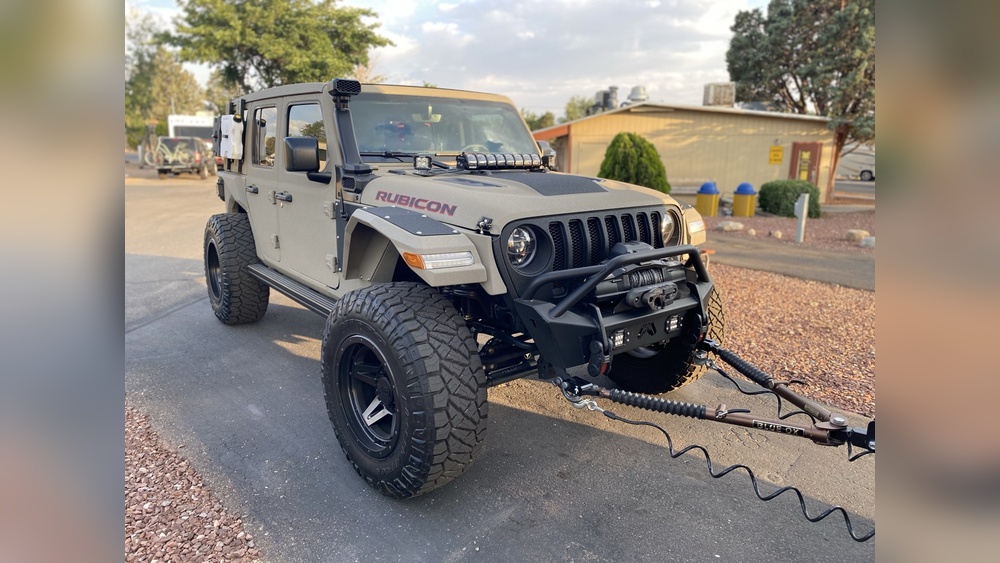
Towing a Jeep Wrangler can seem simple, but there are important steps and details you need to know. Whether you are moving your Jeep for repairs, traveling with your RV, or helping a friend, proper towing prevents damage and keeps everyone safe.
This guide covers everything you need to tow a Jeep Wrangler, including types of towing, key equipment, important safety tips, and common mistakes to avoid.
Choosing The Right Towing Method
There are three main ways to tow a Jeep Wrangler: flat towing, trailer towing, and dolly towing. Each method fits different needs and Jeep models. The table below shows the basic differences:
| Method | Suitable for Wrangler? | Equipment Needed | Typical Use |
|---|---|---|---|
| Flat Towing | Yes (most models) | Tow bar, safety chains | Behind RVs |
| Trailer Towing | All models | Trailer, tie-down straps | Long distances |
| Dolly Towing | Limited | Tow dolly | Short trips |
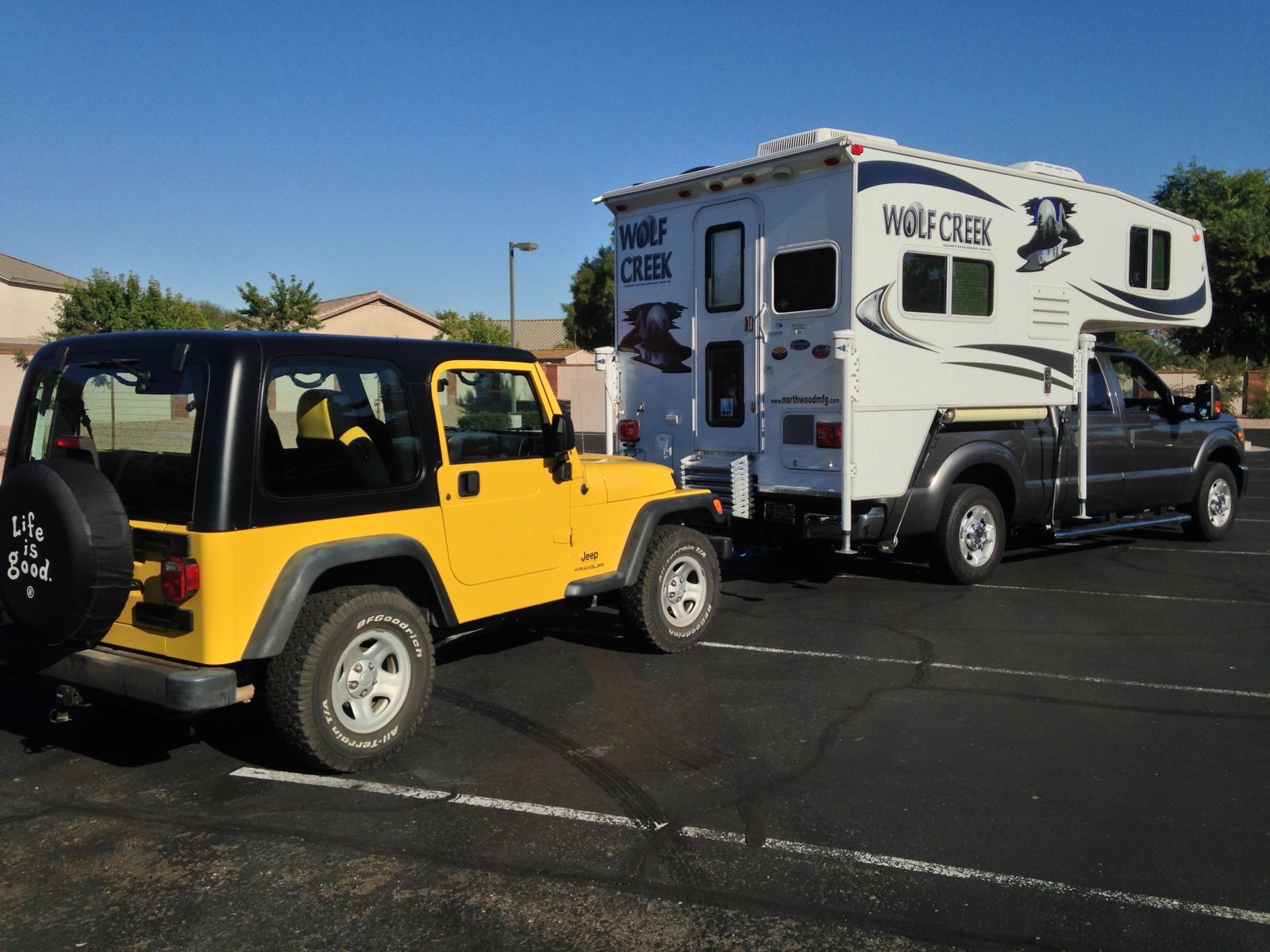
Flat towing is popular among RV owners because most Jeep Wranglers (especially manual transmission models and 4WD) can be towed with all four wheels on the ground. Trailer towing works for any Jeep, including newer automatic models. Dolly towing uses a small trailer for the front wheels, but is less common for Jeeps.
Preparing Your Jeep Wrangler
Before towing, you must prepare your Jeep to avoid mechanical problems. Follow these steps:
- Check your owner’s manual. Not all Jeep Wranglers can be flat towed. Some automatic transmissions or newer models need special steps.
- Inspect tires and brakes. Make sure tires are inflated and brakes are in good condition.
- Disconnect the driveshaft (if needed). Some Jeep Wranglers require the driveshaft to be disconnected to prevent transmission damage.
- Shift transfer case into neutral. For 4WD models, always put the transfer case in neutral before towing.
- Ignition settings. For newer models, place the ignition in the “Accessory” position to prevent steering lock.
It’s easy to forget small steps. For example, many beginners miss checking the transfer case position, which can cause expensive repairs.
Essential Towing Equipment
To tow safely, you need the right tools. Here’s a comparison of common towing equipment:
| Equipment | Purpose | Estimated Cost |
|---|---|---|
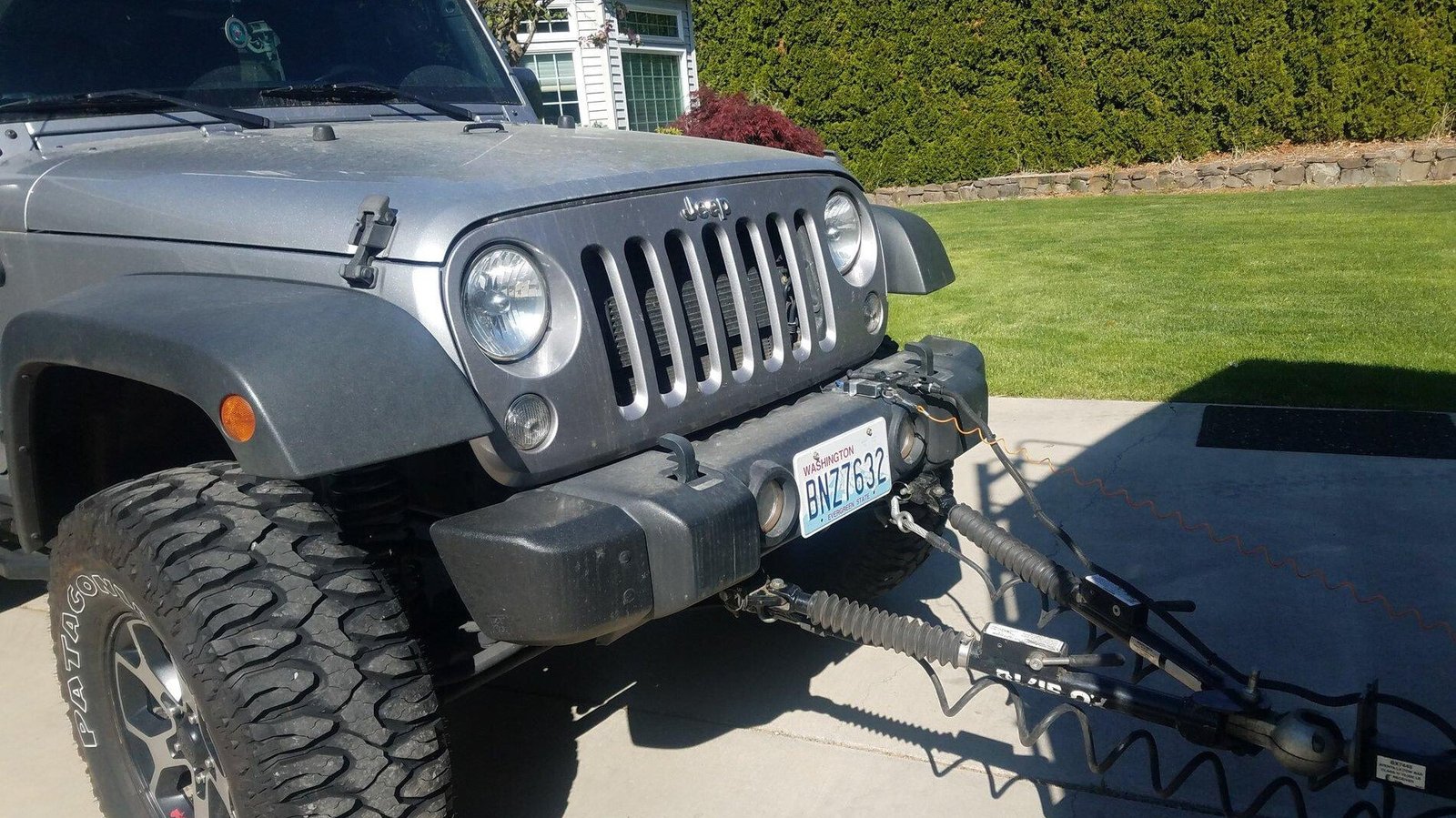
| Tow Bar | Connects Jeep to tow vehicle | $250-$800 |
| Safety Chains | Backup connection | $20-$50 |
| Braking System | Assists Jeep’s brakes | $400-$1200 |
| Lighting Kit | Syncs Jeep lights with tow vehicle | $50-$200 |
Always use safety chains and a braking system. Many states require a supplemental braking system for towed vehicles over 3,000 lbs. Jeep Wranglers often exceed this weight, so check local laws.
Step-by-step Towing Instructions
Follow these steps for safe Jeep Wrangler towing:
- Attach the tow bar securely to the Jeep’s frame-mounted base plate.
- Connect safety chains in a crisscross pattern.
- Install lighting kit to ensure turn signals and brake lights work.
- Check tire pressure and tighten all lug nuts.
- Adjust mirrors for a clear view of the Jeep.
- Test the braking system before starting your trip.
- Drive slowly and carefully. Keep speeds under 65 mph. Allow extra stopping distance.
Many beginners overlook the importance of a lighting kit—this can cause accidents if other drivers don’t see your signals.
Common Mistakes To Avoid
Towing a Jeep Wrangler is not just about hooking up and driving. Here are mistakes you should avoid:
- Skipping the owner’s manual. Every Jeep model is different.
- Wrong transfer case position. Always double-check.
- Not using safety chains. If the tow bar fails, chains prevent the Jeep from rolling away.
- Ignoring tire pressure. Low tires increase risk of blowout.
- Forgetting brake requirements. Some states issue fines for missing supplemental brakes.
Another common error is not checking the weight rating of your tow bar or trailer. Always use equipment rated for your Jeep’s weight.
Safety Tips For Towing
Safety should always come first. Keep these tips in mind:
- Inspect connections before every trip.
- Keep speeds moderate. Towing increases stopping distance.
- Avoid sharp turns. Wide turns prevent trailer sway.
- Check weather conditions. Wet or icy roads increase risk.
- Use brakes gently. Sudden stops can damage both vehicles.
If you’re new to towing, it’s wise to practice in a quiet area before hitting the highway.

Legal Requirements And Recommendations
Laws about towing change from state to state. Many states require brake systems for towed vehicles, especially those weighing over 3,000 lbs. The Jeep Wrangler usually weighs between 3,900 and 4,500 lbs, so you must check local rules.
Some states also have rules about maximum tow speeds, required lighting, and insurance coverage. For more details, visit the National Highway Traffic Safety Administration.
Frequently Asked Questions
Can I Flat Tow Any Jeep Wrangler?
No, not all Jeep Wranglers can be flat towed. Most manual and 4WD models can, but some newer automatic versions require special steps or cannot be flat towed at all. Always check your owner’s manual.
Do I Need A Supplemental Braking System?
Yes, in most states you need a braking system if the towed vehicle weighs more than 3,000 lbs. Jeep Wranglers typically exceed this limit.
Should I Disconnect The Driveshaft?
For some older Jeep Wranglers, disconnecting the driveshaft prevents transmission damage. Modern 4WD models usually don’t require this step, but check your manual.
How Fast Can I Tow A Jeep Wrangler?
It’s safest to keep speeds below 65 mph. Some tow bars and trailers have lower speed ratings.
Always follow equipment guidelines and legal speed limits.
What Happens If I Tow Without Proper Equipment?
Towing without safety chains, a braking system, or correct lighting increases risk of accidents, legal fines, and serious damage to your Jeep.
Towing a Jeep Wrangler the right way keeps your vehicle safe and your trip stress-free. With careful preparation, the correct equipment, and attention to details, you can tow confidently.
Always check your manual and local laws, and never rush the process.
Taking the extra time now can save you from costly mistakes later.