Lighting up your Jeep with LED lights is one of the most popular upgrades for off-road enthusiasts and anyone who wants better visibility and style. Whether you drive a Wrangler, Cherokee, Gladiator, or any other model, adding LED lights can make your Jeep safer, more attractive, and ready for any adventure. But many beginners struggle with choosing the right LEDs, installing them safely, and avoiding common mistakes. This guide explains everything you need to know about how to LED light on Jeep—from selecting the best lights to installing them step-by-step.
Why Upgrade To Led Lights On Your Jeep?
LED lights are not just for looks. They offer real advantages:
- Brighter illumination: LEDs are much brighter than halogen or standard bulbs, making night driving safer.
- Longer lifespan: Most LED lights last up to 50,000 hours, compared to 1,000–2,000 hours for halogen.
- Lower power consumption: LEDs use less energy, reducing strain on your Jeep’s battery.
- Custom style: You can choose from many shapes, colors, and mounting options to personalize your Jeep.
According to the US Department of Energy, LEDs use about 75% less energy than traditional incandescent bulbs. For Jeeps, this means you can run more lights without draining your battery. Plus, LED lights are less likely to overheat, which is important for off-road conditions.
Types Of Led Lights For Jeep
Choosing the right LED lights depends on your needs and where you want to install them. Here are the main types:
| LED Type | Typical Use | Key Features |
|---|---|---|
| Headlights | Main front lights | High brightness, wide beam, road-legal |
| Fog lights | Low-mounted, for fog/rain | Focused beam, improves visibility in bad weather |
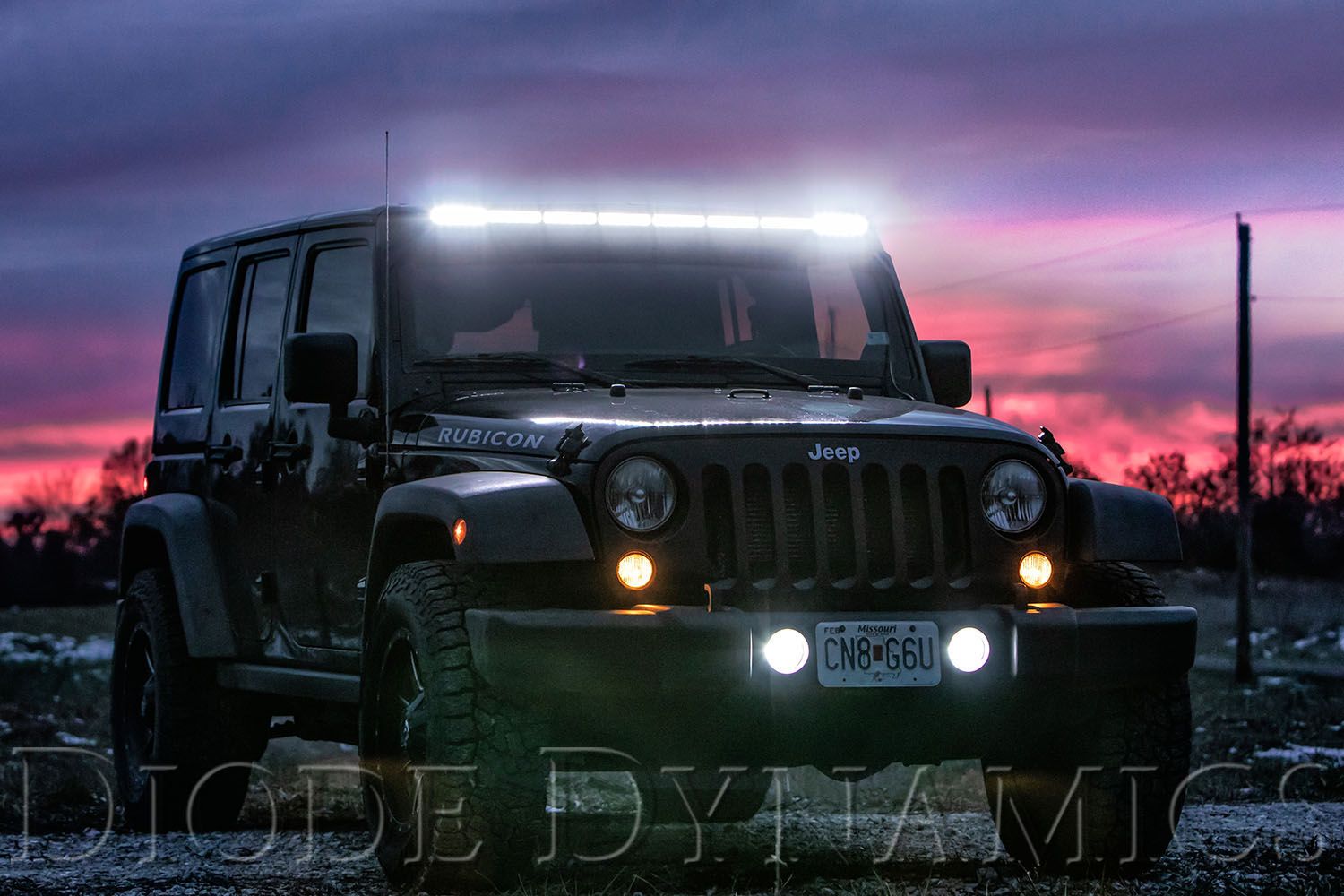
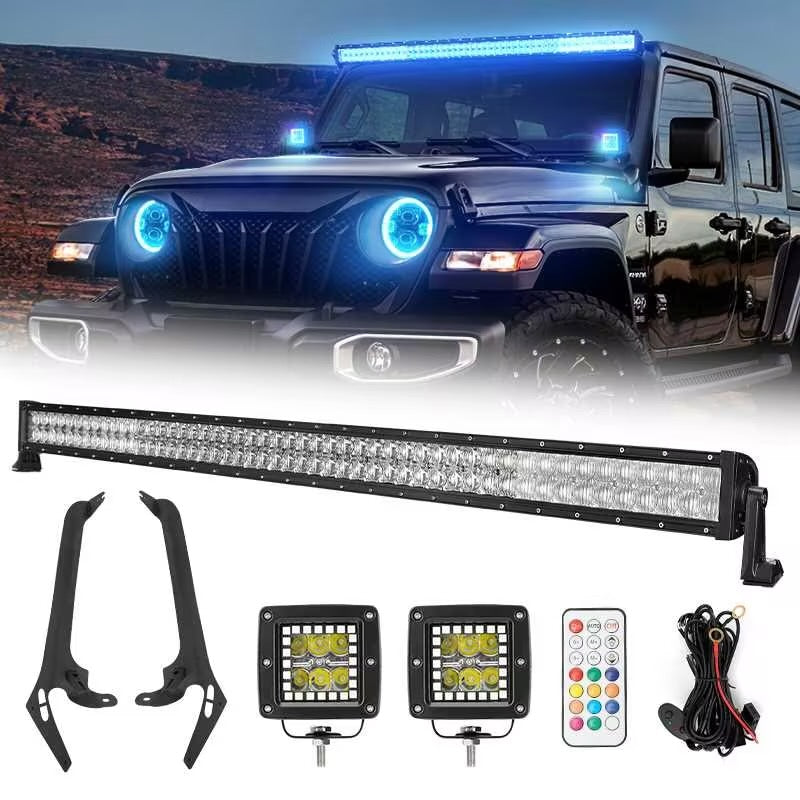
| Light bars | Roof or bumper mounting | Wide area illumination, off-road use |
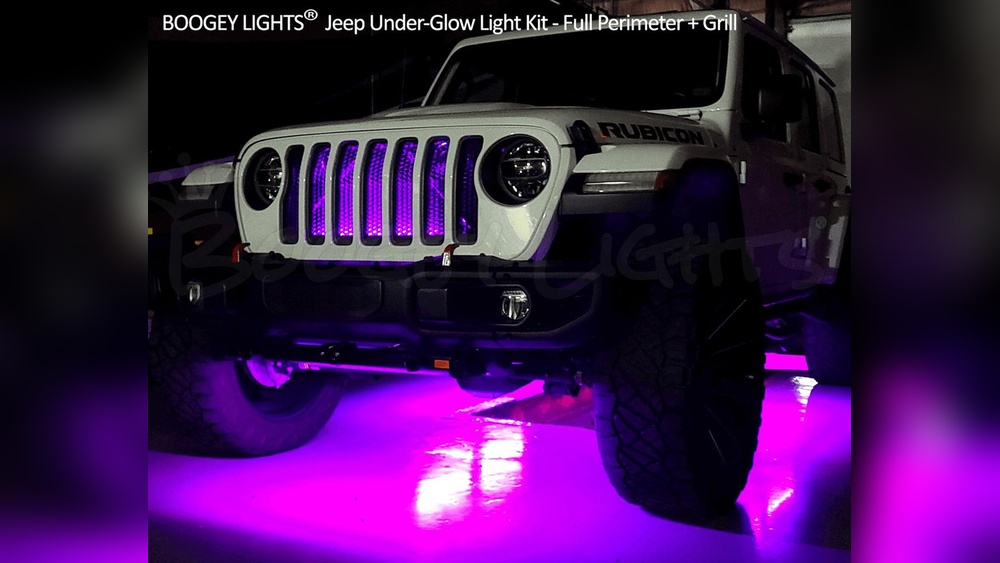
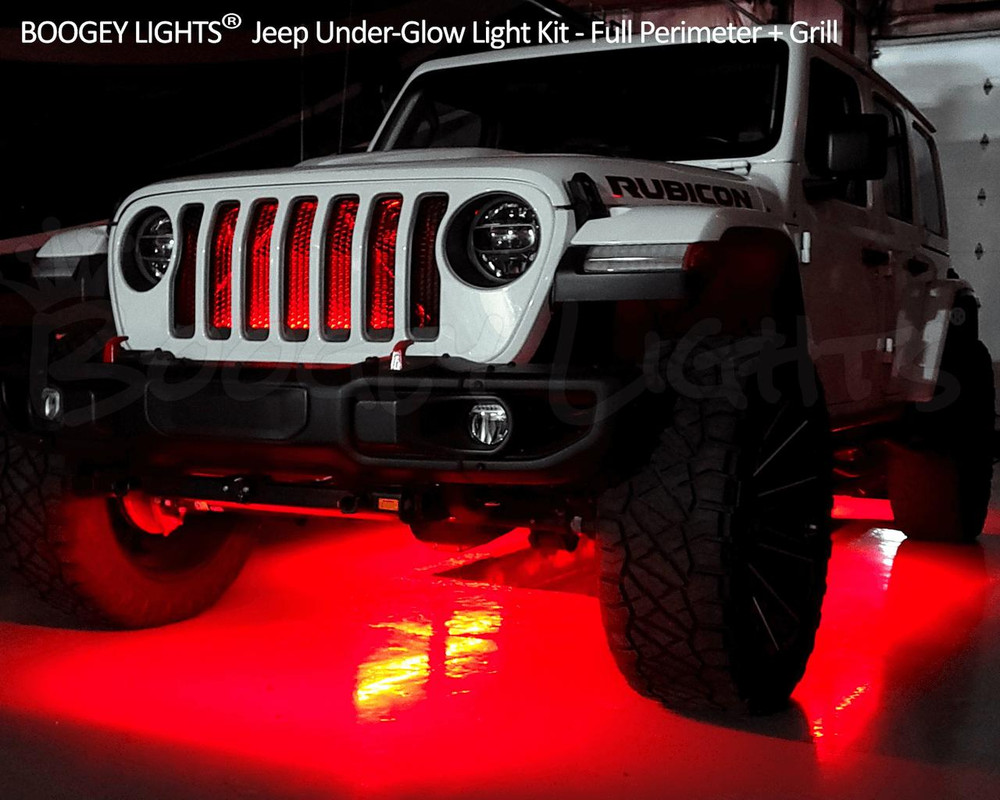
| Rock lights | Underbody lighting | Highlights ground obstacles, color options |
| Tail lights | Rear lights | Brighter, faster response |
| Interior LED | Cabin lighting | Custom colors, low power |
Most Jeep owners start with headlights or light bars for off-road visibility. If you want to upgrade safety and looks, adding fog lights and tail lights is also a smart move.
How To Choose The Best Led Lights For Your Jeep
Not all LED lights are equal. Here’s what really matters:
- Brightness (Lumens): Look for headlights with 3,000–8,000 lumens. Light bars can go up to 40,000 lumens.
- Color Temperature (Kelvin): 6,000K is a cool white, best for visibility. Lower numbers are warmer (yellow).
- Beam Pattern: Spot beams throw light far. Flood beams spread light wide. Combo beams offer both.
- Waterproof Rating: Off-roading means mud and rain. Choose LEDs with an IP67 or IP68 waterproof rating.
- Build Quality: Look for aluminum housings and quality heat sinks. Cheap plastic lights break easily.
- Legal Compliance: Headlights and tail lights must be DOT-approved to be road-legal in the US.
Here’s a quick comparison of LED light bar specs:
| Brand | Lumens | Beam Pattern | Waterproof | Price (USD) |
|---|---|---|---|---|
| Rigid Industries | 20,000 | Spot/Flood | IP68 | $350 |
| KC HiLiTES | 22,300 | Combo | IP67 | $410 |
| Nilight | 18,000 | Flood | IP67 | $89 |
While price is important, durability and brightness matter more. Cheap lights often fail after a few months, especially in rough conditions.
Tools And Materials Needed
Before you start, gather these:
- LED lights (headlights, light bar, or other types)
- Mounting brackets (specific for Jeep model)
- Wiring harness with relay and fuse
- Screwdrivers (Phillips and flat)
- Socket set (usually 10mm, 13mm, 17mm)
- Wire stripper/crimper
- Electrical tape
- Zip ties
- Drill (for custom mounting)
- Voltmeter (optional, for testing)
Buying a complete LED kit is easier for beginners. Kits include brackets, wires, and instructions for your Jeep model.
Step-by-step Guide: Installing Led Lights On Jeep
The installation process changes a bit depending on the light type. Here, let’s focus on the most common upgrade—LED light bar on the roof or bumper. The steps work for other lights, too.
1. Plan Your Mounting Location
Decide where you want to install the LED light bar. Popular spots are:
- Roof: For wide area lighting
- Front bumper: For forward visibility
- Grille: For a clean look
Check clearance and make sure the light won’t block your view or other lights.
2. Install Mounting Brackets
Follow these steps:
- Clean the mounting area.
- Attach brackets using bolts (usually supplied).
- Tighten bolts firmly but avoid over-tightening (can crack brackets).
- Test fit the light bar—make sure it sits level.
3. Wiring The Led Light
This is where many beginners make mistakes. Always use a wiring harness with relay and fuse.
- Disconnect the Jeep battery for safety.
- Run the harness from the light bar to the engine bay, avoiding moving parts and heat sources.
- Connect the relay to the battery positive terminal.
- Attach the ground wire to a bare metal spot.
- Plug the switch wire into your Jeep’s cabin (usually through a firewall grommet).
- Mount the switch in a convenient location inside.
Double-check all connections. Use zip ties to secure wires.
4. Connecting And Testing
- Reconnect the battery.
- Turn on the switch to test the light.
- If the light doesn’t turn on, check the fuse, relay, and ground connection.
- Adjust the light bar angle for best illumination.
5. Final Touches
- Seal any holes you drilled with silicone to prevent leaks.
- Use electrical tape on exposed wire ends.
- Clean up and check all bolts and connections.
It usually takes about 1–2 hours for a light bar install. Headlights and fog lights are often easier and faster.
Practical Tips And Common Mistakes
Many Jeep owners make simple mistakes that can cause problems:
- Skipping the relay: Direct wiring can overheat and damage your Jeep’s electrical system.
- Poor grounding: Weak ground connections lead to flickering or no light.
- Wrong fuse size: Always match the fuse to the LED’s wattage.
- Mounting too low: Low-mounted light bars catch rocks and debris.
- Not sealing holes: Water can enter and cause rust or electrical shorts.
For best results, use heat shrink tubing on wire connections. It keeps moisture out and prevents corrosion.
One non-obvious insight: Some LED lights create radio interference. If your Jeep’s radio crackles after installation, try ferrite clips on the wires or choose lights with EMI shielding.
Jeep Model Differences
LED installation varies by Jeep model. For example:
- Jeep Wrangler: Easy access to bumper and roof, lots of aftermarket kits.
- Jeep Cherokee: Less space for large light bars, better for fog and interior LEDs.
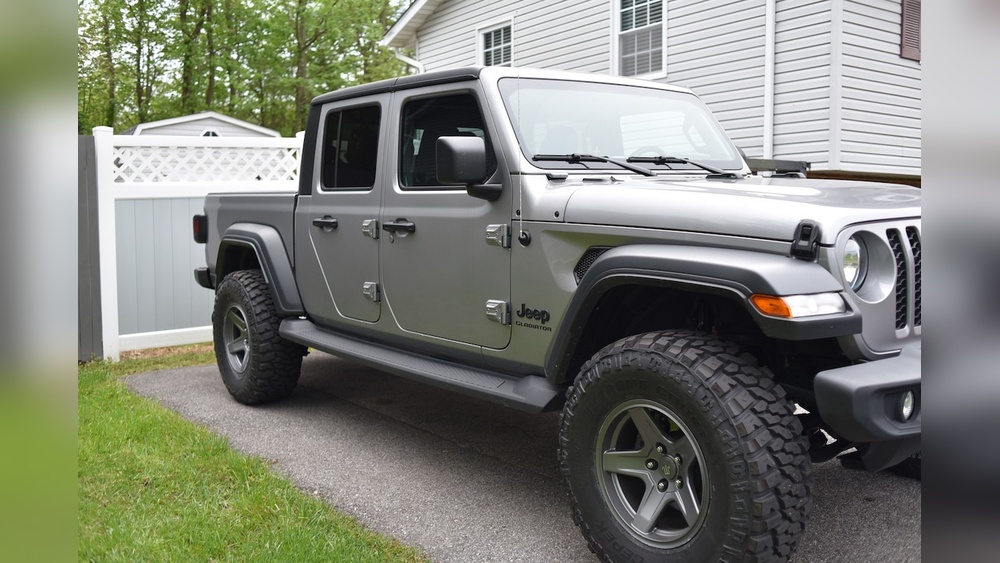
- Jeep Gladiator: Truck bed options for rear-facing LEDs.
Check your Jeep’s manual for fuse box and wiring details. Some models use CAN bus systems, which can cause error messages if you replace factory lights with LEDs. Use a CAN bus adapter if needed.
Legal Considerations And Safety
In most US states, LED light bars must be off while driving on public roads. Only DOT-approved headlights and fog lights are legal for road use.
- Check local laws: Some states fine drivers for using off-road lights on highways.
- Aim lights properly: High-mounted LEDs can blind other drivers.
- Cover lights: Use covers when not off-roading to stay legal.
Always keep a spare fuse and test your lights before heading out at night.
Maintenance And Troubleshooting
LED lights need little maintenance, but:
- Clean lenses regularly with glass cleaner.
- Check wiring after off-road trips for damage.
- Replace fuses if lights don’t turn on.
- Inspect brackets for rust and tightness.
If an LED stops working, check:
- Fuse
- Relay
- Ground connection
- Switch
Most problems are simple wiring issues. Rarely, the LED itself fails.
Real-world Example
A Jeep Wrangler owner upgraded to a KC HiLiTES 50-inch light bar. After installation, they noticed much brighter trails at night. The install took 90 minutes. One mistake: they used a small fuse, which blew after a week. Upgrading to the correct size solved the problem.
Another owner used rock lights under the Jeep for night off-roading. They drilled holes without sealing, which led to water leaks. Sealing with silicone fixed the issue.
Cost Breakdown
LED light upgrades can be affordable or expensive, depending on your choices. Here’s a typical cost summary:
| LED Type | Average Cost (USD) | Installation Difficulty |
|---|---|---|
| Headlights | $60–$300 | Easy |
| Light Bar | $90–$450 | Medium |
| Fog Lights | $40–$180 | Easy |
| Rock Lights | $50–$160 | Medium |
| Tail Lights | $70–$250 | Easy |
Professional installation adds $100 $300, but DIY is possible for most Jeep owners.
Where To Buy Quality Led Lights
Choose reputable brands and sellers. Look for warranties and real customer reviews. Good places to buy include:
- Official brand websites (KC HiLiTES, Rigid Industries)
- Off-road specialty stores
- Amazon (check verified reviews)
- Local Jeep shops
For more information about LED lighting technology, see the LED lamp page on Wikipedia.
How Long Do Led Lights Last On A Jeep?
Most quality LED lights last 30,000–50,000 hours. That’s many years of use, even with frequent night driving. Cheap LEDs may fail sooner due to heat and vibration.
Can I Install Led Lights Myself?
Yes, most Jeep owners can install LED lights with simple tools. Light bars and headlight kits include instructions. Take your time, follow wiring diagrams, and double-check connections.
Are Led Lights Legal For Road Use?
Only DOT-approved headlights and fog lights are legal for road use. Light bars must be off (or covered) on public roads. Check your state laws for details.
Will Led Lights Drain My Battery?
LEDs use less power than halogen or incandescent lights. If wired correctly with a relay and fuse, they won’t drain your Jeep battery during normal use.
What Are The Most Common Installation Mistakes?
The biggest mistakes are skipping the relay, poor grounding, using the wrong fuse, mounting lights too low, and not sealing drilled holes. Always follow the instructions and check wiring carefully.
Adding LED lights to your Jeep is one of the most rewarding upgrades. You’ll enjoy better visibility, safer driving, and a unique look.
Plan carefully, use quality parts, and follow safe installation steps. With the right approach, your Jeep will shine on every trail and road.