If you own a Jeep Wrangler, you know those rugged black fenders are more than just style—they’re a statement. But after months of sun, rain, mud, and washing, even the toughest plastic fenders can fade, turning gray and dull. Many Jeep enthusiasts wonder how to keep Jeep Wrangler fenders black, crisp, and looking like new. With the right techniques, it’s possible to maintain that deep black shine for years. Let’s explore practical steps, solutions, and the best products to help your Jeep stand out on the road and the trail.
Why Jeep Wrangler Fenders Fade
Jeep Wrangler fenders are often made from thermoplastic materials like ABS or polypropylene. This makes them lightweight and resistant to dents but also prone to fading. Here’s why the black turns gray:
- UV exposure: Sunlight breaks down the plastic’s surface, causing it to oxidize.
- Road salt and chemicals: These can strip away protective coatings.
- Frequent washing: Some car soaps and harsh brushes remove the fender’s outer layer.
- Aging: Over time, the plastic’s natural oils dry out.
Understanding these factors helps you protect your fenders better and choose the right restoration method.
Regular Cleaning: The Foundation
Keeping your fenders clean is the first step to maintaining their color. Dust, grime, and chemicals can speed up fading.
- Rinse thoroughly with water to remove loose dirt.
- Use a mild car wash soap (avoid dish soap or degreasers).
- Scrub with a soft sponge or microfiber cloth—never abrasive pads.
- Rinse again and dry with a clean towel.
For tough stains like tar or sap, use a specialized bug and tar remover safe for plastic. Always check the label before applying.

Uv Protection: The Secret Weapon
One of the biggest threats to black fenders is UV rays. To fight this, apply a UV protectant regularly. Here’s how they compare:
| Product Type | Protection Duration | Ease of Use | Finish |
|---|---|---|---|
| Spray Protectant | 2-4 weeks | Very easy | Matte to satin |
| Gel Protectant | 4-8 weeks | Moderate | Deep black, glossy |
| Ceramic Coating | 6-12 months | Requires prep | Rich, long-lasting |
Quick tip: Apply protectant out of direct sunlight and after washing, so it bonds well.
Restoring Faded Fenders
If your Jeep’s fenders already look gray, don’t worry. Restoration can make a big difference. Here’s a step-by-step guide:
- Wash and dry the fenders completely.
- Use a plastic restorer (not just any tire shine) designed for exterior trim.
- Apply with a foam applicator pad for even coverage.
- Let it sit for 5–10 minutes, then buff off excess with a clean microfiber cloth.
- Repeat if needed for severe fading.
Some products last weeks, while others offer longer results. Always read reviews and product instructions.
Comparing Popular Restorers
Here’s a comparison of three top-rated black trim restorers for Jeep Wrangler fenders:
| Brand | Average Price | Longevity | Water Resistance |
|---|---|---|---|
| Mother’s Back-to-Black | $9 | Up to 4 weeks | Moderate |
| CarGuys Plastic Restorer | $17 | Up to 6 months | High |
| Gtechniq C4 | $35 | Up to 2 years | Very high |
Insight: Cheaper products may require more frequent application, while premium options can last much longer—often saving time and effort.
Diy Methods: What Works And What To Avoid
Online forums suggest various home remedies for restoring black fenders. Some work, but others can damage your Jeep.
Safe DIY options:
- Heat gun method: Gently warming the plastic with a heat gun can bring back some color by drawing oils to the surface. Use caution—too much heat will warp or melt the fender.
- Peanut butter: Contains natural oils that can temporarily darken faded plastic. Apply, let sit, and rinse thoroughly. Results are short-lived.
Methods to avoid:
- Household oils (e.g., olive oil, baby oil): These can attract dust and may damage the plastic long-term.
- Shoe polish or paint: These will crack and peel, making the fender look worse.
Best Products To Keep Fenders Black
Investing in high-quality products makes fender care easier and more effective. Here’s what to look for:
- UV-blocking protectants: Brands like 303 Aerospace Protectant and Meguiar’s Ultimate Black offer strong UV defense.
- Plastic-specific restorers: Look for products labeled for “exterior trim,” not just tires.
- Ceramic coatings: For long-term results, coatings like Gtechniq C4 bond to the plastic, repelling water and sun damage.
Non-obvious tip: Avoid products with silicones or petroleum distillates unless the manufacturer states they’re safe for automotive plastics. These ingredients can cause streaking or fading over time.
How To Apply Protectants And Restorers Properly
Application matters as much as the product. Here’s the best way to use them:
- Clean first: Dirt blocks absorption and causes streaks.
- Apply in shade: Sunlight can cause uneven drying.
- Use a foam pad: This gives more control and avoids wasting product.
- Buff off excess: Prevents residue and sticky surfaces.
- Reapply regularly: Frequency depends on product type and your driving environment.
Expert insight: Don’t forget the inner fender edges and crevices. These spots fade too but are often missed.
Long-term Maintenance Routine
To keep your Jeep Wrangler fenders black for years, consistency is key. Here’s a sample routine:
- Weekly: Rinse fenders with water to remove dust and debris.
- Monthly: Wash with car soap, dry, and apply a UV protectant.
- Every 3–6 months: Use a plastic restorer if you notice fading.
- Yearly: Consider a ceramic coating for ultimate protection, especially if you park outside.
Pro tip: After off-roading, always rinse mud and chemicals off fenders as soon as possible. Dirt left to dry can cause permanent stains.
Common Mistakes And How To Avoid Them
Many Wrangler owners unintentionally speed up fender fading by:
- Using harsh chemicals (degreasers, bleach, etc. ).
- Scrubbing with stiff brushes or abrasive pads.
- Ignoring fender care in winter—road salt is a major threat.
- Applying waxes or sealants meant for paint, not plastic.
Non-obvious mistake: Overlapping products (e.g., using a silicone tire shine after a ceramic coating) can cause streaking and poor results. Stick to one product type at a time.
When To Replace Your Fenders
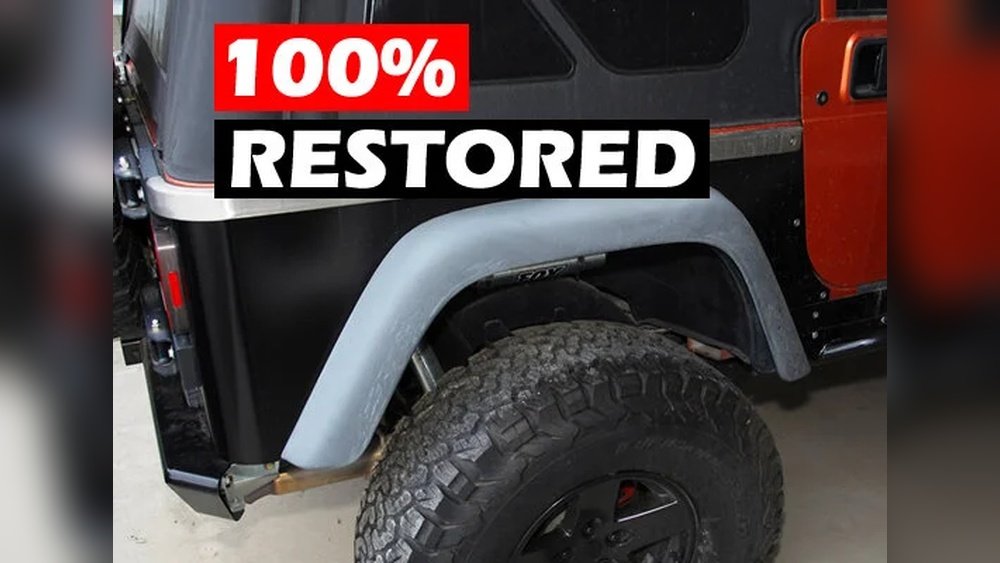
Sometimes, no amount of cleaning or restoring will bring fenders back to black. Deep gouges, cracks, or extreme sun damage may require replacement.
Signs it’s time to swap fenders:
- Large white or chalky patches that don’t respond to restoration.
- Cracked, warped, or brittle plastic.
- Consistent streaks or peeling after product application.
Replacement fenders are widely available, and installation is often straightforward for DIYers. When choosing replacements, look for UV-resistant materials for better longevity.
Comparing Aftermarket Vs. Oem Fenders
If you decide to replace, here’s a quick comparison:
| Type | Cost | Durability | Appearance | Warranty |
|---|---|---|---|---|
| OEM (Factory) | High | Excellent | Matches original | Usually included |
| Aftermarket | Moderate to low | Varies | Custom options | Limited or none |
OEM fenders fit perfectly and keep your Jeep looking stock, while aftermarket options can be cheaper or offer unique styles.
Jeep Community Tips And Real-world Experiences
Many Jeep owners share tips that go beyond instructions on the bottle. Some of the most effective advice includes:
- Rotate products: Using different protectants throughout the year can prevent build-up and streaking.
- Spot-test: Always try new products on a small section to check for reactions.
- Detailing clay: Occasionally use clay on fenders to remove deep contaminants before applying protectant.
Real-world example: A Jeep owner in Arizona found that applying a ceramic coating every spring, followed by monthly touch-ups with a UV spray, kept their fenders black for over three years—even under harsh sun.
For more Jeep care tips and enthusiast discussions, the Wrangler Forum is a trusted resource.
Frequently Asked Questions
How Often Should I Apply Protectant To My Jeep Wrangler Fenders?
For best results, apply a UV protectant every month, or more often if your Jeep spends a lot of time in the sun or off-road. Reapply after heavy washing or driving in rain.
Can I Paint My Faded Black Fenders To Restore Color?
Painting is possible but not ideal for most Wrangler fenders. Paint often chips or peels on flexible plastic. Instead, use a quality plastic restorer or ceramic coating for a natural, durable finish.
What’s The Difference Between Tire Shine And Plastic Restorer?
Tire shine is designed for rubber and may contain oils or silicones that attract dust and cause streaks on plastic. Plastic restorer is made for trim and bonds better to fender material, offering longer-lasting results.
Will Waxing My Fenders Help Keep Them Black?
No. Car wax is meant for painted surfaces, not textured plastics. It can cause white residue and streaks on black fenders. Always use products designed for exterior plastic.
Is It Safe To Use A Pressure Washer On Jeep Wrangler Fenders?
Yes, but use a low-pressure setting and a wide spray tip. High pressure can damage plastic, force water into seams, or strip off protectant layers. Hold the nozzle at least 12 inches from the surface.
If you follow these tips and routines, you’ll keep your Jeep Wrangler fenders black, sharp, and ready for any adventure. Taking care of this small detail not only boosts your Jeep’s looks but also helps maintain its value over time.