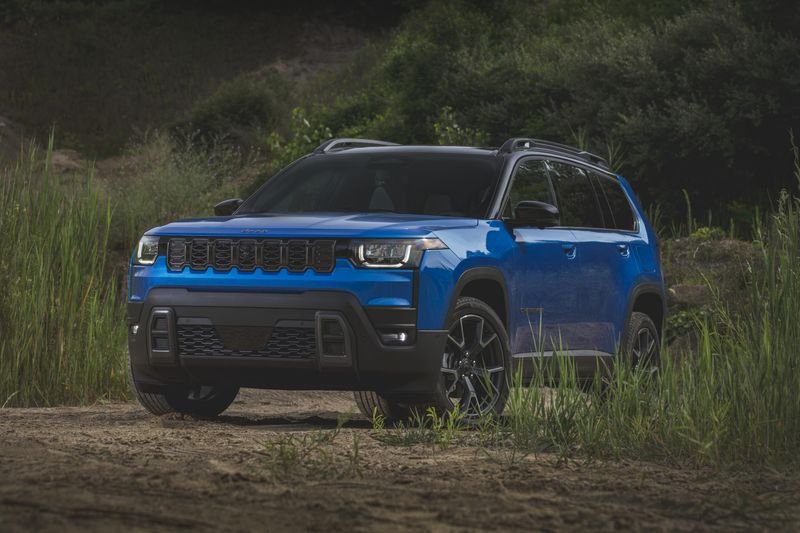
Jump starting a Jeep Wrangler can feel stressful if you have never done it before. You may worry about damaging your vehicle, making mistakes, or getting stuck with a dead battery far from help. But with the right method, anyone can do it safely—even if you are not an expert. This guide will walk you through every step of jump starting a Jeep Wrangler, explain what you need, and help you avoid common mistakes. You will also learn what to check before and after the jump, and how to keep your Wrangler’s battery healthy in the future.
Why Jeep Wranglers Need Special Attention
The Jeep Wrangler is a tough, off-road vehicle with a loyal fan base. But its electrical system is modern and sensitive. Most Wranglers since 2007 (JK, JL, and newer models) have advanced electronics, anti-theft systems, and sometimes two batteries. Jump starting the wrong way can cause expensive damage to these systems. For example, connecting jumper cables in the wrong order can trigger warning lights, blow fuses, or even fry computer modules.
Another detail: Jeep Wranglers often use AGM batteries (Absorbent Glass Mat). These batteries are strong but need careful handling. So, following the right jump start process is very important for safety and for your Jeep.

When You Need To Jump Start
You might need to jump start your Wrangler if:
- The engine does not crank or makes a clicking sound.
- The headlights or dashboard lights are dim.
- You hear no sound when turning the key, but other electronics (radio, windows) are weak or dead.
- You left the lights on overnight.
A completely dead battery will not let you start the engine, but accessories may still work if it is only partly discharged.
What You Need Before You Start
Before you jump start, gather these items:
- Jumper cables: At least 10 gauge wire, 12 feet or longer. Thicker cables work better.
- A working vehicle: With a 12-volt battery (almost all modern cars, trucks, or SUVs).
- Safety gear: Gloves and eye protection, especially if you are new to car batteries.
- Owner’s manual: Jeep manuals explain where the battery is and any warnings.
Some Jeep Wranglers have the battery under the hood; others (like some 4xe models) may have it in a compartment. Always confirm the location.
Preparing For A Safe Jump Start
Safety comes first. Here is what you should do before connecting anything:
- Move both vehicles so they are close but not touching.
- Turn both vehicles off. Remove keys from the ignition.
- Turn off all electronics—headlights, radio, air conditioning, etc.
- Engage the parking brake on both vehicles.
- Open the hood and locate the battery terminals: Positive (+) is usually red, negative (–) is black.
- Check for leaks, cracks, or corrosion on the battery. If you see damage, do not jump start. Call for help instead.
Non-obvious tip: Many Jeep Wranglers have a plastic cover over the battery or terminals. Always remove these covers before you attach cables.
Step-by-step: How To Jump Start A Jeep Wrangler
Follow these steps in order to avoid mistakes:
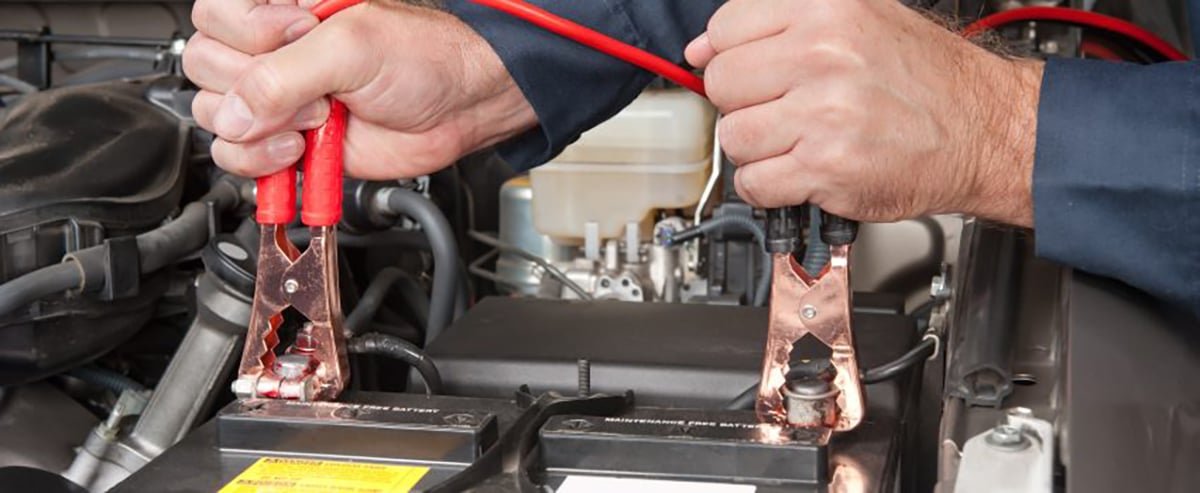
- Connect one end of the red (positive) cable to the positive (+) terminal of the dead Jeep battery.
- Connect the other end of the red (positive) cable to the positive (+) terminal of the good battery.
- Connect one end of the black (negative) cable to the negative (–) terminal on the good battery.
- Connect the other end of the black (negative) cable to a solid, unpainted metal part of the Jeep Wrangler’s engine block or chassis. Do NOT connect to the negative terminal on the dead battery! This reduces the risk of sparks near the battery.
Pro tip: On many Wranglers, there is a special ground post or bolt near the battery for this purpose. Use it if available.
- Double-check all connections. Make sure clamps are secure and cables are not near moving parts.
- Start the working vehicle. Let it run for 2-3 minutes to send charge to the dead battery.
- Try to start the Jeep Wrangler. If it starts, let it run for at least 10-15 minutes before disconnecting cables.
- If the Wrangler does not start: Wait another 2-3 minutes, then try again. If it still will not start, the battery may be too far gone or there may be another issue.
Correct Cable Connection Order
Here’s a quick overview to remember the correct sequence:
| Step | What to Connect | Where |
|---|---|---|
| 1 | Red cable | Positive terminal (dead battery) |
| 2 | Red cable | Positive terminal (good battery) |
| 3 | Black cable | Negative terminal (good battery) |
| 4 | Black cable | Engine block or ground post (dead battery) |
Disconnecting The Jumper Cables
Reverse the order when removing cables:
- Remove the black cable from the Jeep’s engine block or ground.
- Remove the black cable from the good battery.
- Remove the red cable from the good battery.
- Remove the red cable from the Jeep’s battery.
Be careful not to let cable clamps touch each other or any metal part while removing them.
Non-obvious tip: If your Wrangler has a battery sensor or “intelligent” battery monitor, do not touch the sensor with the clamps. Only use the main battery post.

What To Do After Jump Starting
Once your Jeep starts and is running, keep these things in mind:
- Let it run for at least 15-20 minutes. This helps recharge the battery.
- Drive the vehicle if possible. Idling may not recharge a very dead battery.
- Watch for warning lights on the dashboard. If you see a battery or “check engine” light, have the system checked.
- If the Jeep dies again soon after, the battery may need replacing.
Common Signs Of Deeper Problems
If your Jeep Wrangler will not hold a charge after jump starting, it could mean:
- Old or weak battery (usually older than 3-5 years)
- Bad alternator (not charging the battery)
- Loose or corroded battery cables
- Parasitic drain (something draining power when off, such as a stuck relay or light)
Getting the charging system checked by a mechanic is wise if you have repeat issues.
Using A Portable Jump Starter
A portable jump starter (also called a battery booster) is a smart tool for Wrangler owners. These devices can jump start your Jeep without another car. Many are small enough to keep in your glove box.
How To Use A Portable Jump Starter
- Switch off your Jeep and all electronics.
- Connect the jump starter’s red clamp to the positive (+) battery terminal.
- Connect the black clamp to the engine block or ground post.
- Turn on the jump starter. Wait a few seconds.
- Start the Jeep. Once it’s running, turn off and remove the jump starter clamps.
Note: Always check the jump starter’s manual for any Wrangler-specific instructions.
Comparing Jumper Cables Vs. Portable Jump Starters
Here’s a quick comparison to help you decide:
| Feature | Jumper Cables | Portable Jump Starter |
|---|---|---|
| Needs another vehicle | Yes | No |
| Size/Portability | Large, heavy | Small, light |
| Skill level | Basic car knowledge | Very easy |
| Cost | Low | Medium to high |
| Use in remote areas | No | Yes |
Tips For Preventing A Dead Battery
You can avoid jump starting by taking simple steps:
- Turn off all lights and electronics when you park.
- Check battery terminals for corrosion and clean them regularly.
- Drive your Jeep often, especially in cold weather.
- Replace your battery every 3-5 years, or as recommended.
- If you use many accessories (winch, lights, stereo), consider a higher-capacity battery.
Non-obvious insight: Aftermarket electronics (like remote start, alarm systems, or dash cams) can cause battery drain if installed incorrectly.
Jeep Wrangler Battery Types And Replacement
Not all Wrangler batteries are the same. Some use lead-acid, others use AGM. Some 4xe or diesel models may have two batteries (main and auxiliary).
Battery Type Comparison
| Feature | Lead-Acid | AGM |
|---|---|---|
| Cost | Lower | Higher |
| Life span | 3-4 years | 4-6 years |
| Vibration resistance | Low | High |
| Maintenance | May need water | Maintenance-free |
| Power delivery | Standard | Better for modern electronics |
If you replace your battery, always use the type recommended in your Jeep’s owner’s manual. Mixing types or using the wrong size can damage your vehicle.
What If You Still Can’t Start Your Jeep?
Sometimes, even a jump start will not work. Here is what you should do:
- Double-check all cable connections.
- Make sure the donor vehicle’s battery is strong enough.
- Wait a few more minutes and try again.
- If you hear nothing at all when turning the key, it could be a starter or fuse issue.
- If the engine cranks but does not start, there may be a fuel or ignition problem.
If you try three times and your Jeep still will not start, it’s time to call for roadside assistance or a mechanic. Do not keep cranking, or you could damage the starter or flood the engine.
Non-obvious insight: Some Wranglers have a “tip start” feature—when you turn the key, the starter keeps cranking for a few seconds by itself. If it stops suddenly, check for warning lights or a security system issue.
Battery Care For Off-roaders
If you use your Jeep Wrangler off-road or store it for long periods, battery care is even more important:
- Use a battery maintainer (trickle charger) when the Jeep sits unused for weeks.
- Check the battery after deep water crossings—water can cause corrosion.
- Carry a portable jump starter on long trips far from help.
For more on battery technology and care, the Automotive Battery Wikipedia page explains advanced battery types and maintenance.
Frequently Asked Questions
How Long Should I Let My Jeep Wrangler Run After A Jump Start?
Let your Jeep run at least 15-20 minutes after a jump start. Driving is better than idling, because it helps the alternator recharge the battery faster. If possible, drive for 30 minutes before turning the engine off.
Can Jump Starting Damage My Jeep Wrangler?
If you follow the correct steps, jump starting is safe. But incorrect cable connection or using the wrong ground point can damage the electronics or battery. Always check your owner’s manual for any special warnings.
Why Won’t My Jeep Wrangler Start After A Jump?
If your Jeep does not start after a jump, the battery may be completely dead or damaged. Other issues could be a bad alternator, corroded cables, or a blown fuse. If you hear nothing when turning the key, it could be a starter or security system problem.
Is It Safe To Use A Portable Jump Starter On A Wrangler?
Yes, portable jump starters are safe if you use one with enough power (look for at least 600 peak amps for a Wrangler). Always connect clamps to the correct terminals and follow the device’s instructions.
How Often Should I Replace My Jeep Wrangler’s Battery?
Most batteries last 3-5 years, but this depends on usage, weather, and battery type. Replace your battery sooner if you notice slow cranking, dim lights, or need jump starts often.
Jump starting a Jeep Wrangler is simple when you know the right steps. Take your time, use good jumper cables, and always put safety first.
With a little practice, you will be ready for any dead battery situation whether you are in the city or miles from civilization.
Remember to check your battery’s health often and carry the right tools, so you can enjoy every adventure with peace of mind.