Jump starting your 2019 Jeep Compass can seem stressful if you’ve never done it before. A dead battery is a common issue, but it’s easy to fix with some basic tools and the right steps. Whether your SUV is parked at home or stranded in a parking lot, knowing how to jump start safely can save you time, money, and frustration. This guide walks you through the process step by step, explains what tools you need, and shares useful tips that most beginners miss. By the end, you’ll feel confident handling a battery jump for your Compass—and you’ll know how to avoid mistakes that could damage your vehicle.
Understanding The Jeep Compass Battery
The 2019 Jeep Compass uses a standard 12-volt battery located in the engine bay. The battery powers everything from the starter motor to lights and electronics. If you notice sluggish starts or dim headlights, your battery might be failing. According to AAA, battery failures are the top reason for roadside assistance calls in the US, especially during cold weather. Knowing your battery’s location and type is the first step in jump starting.
Battery Location And Access
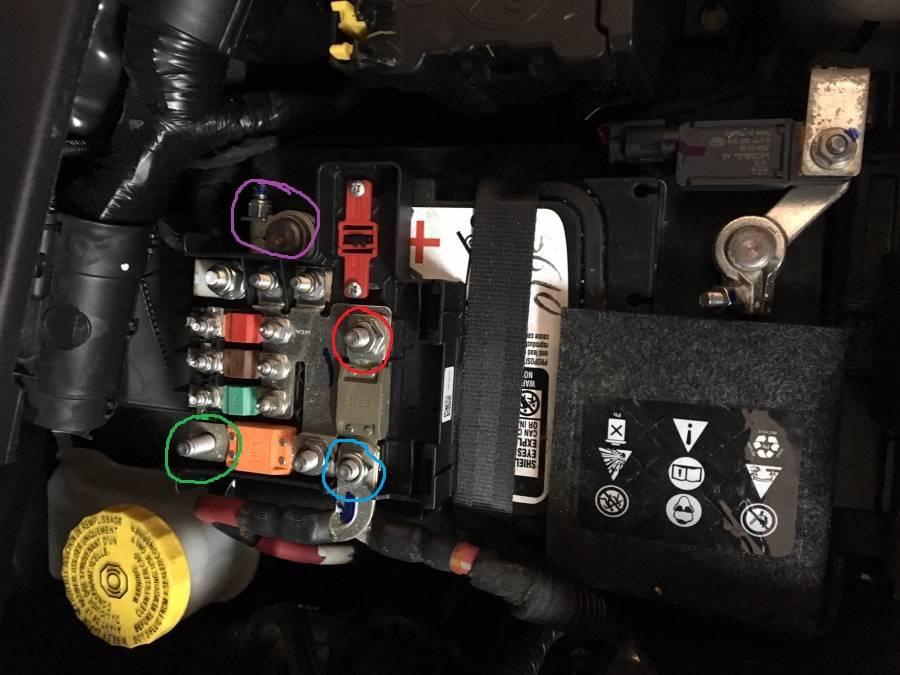
Open the hood and look for the battery near the driver’s side of the engine bay. The positive terminal is usually marked with a red cover or a “+” sign.
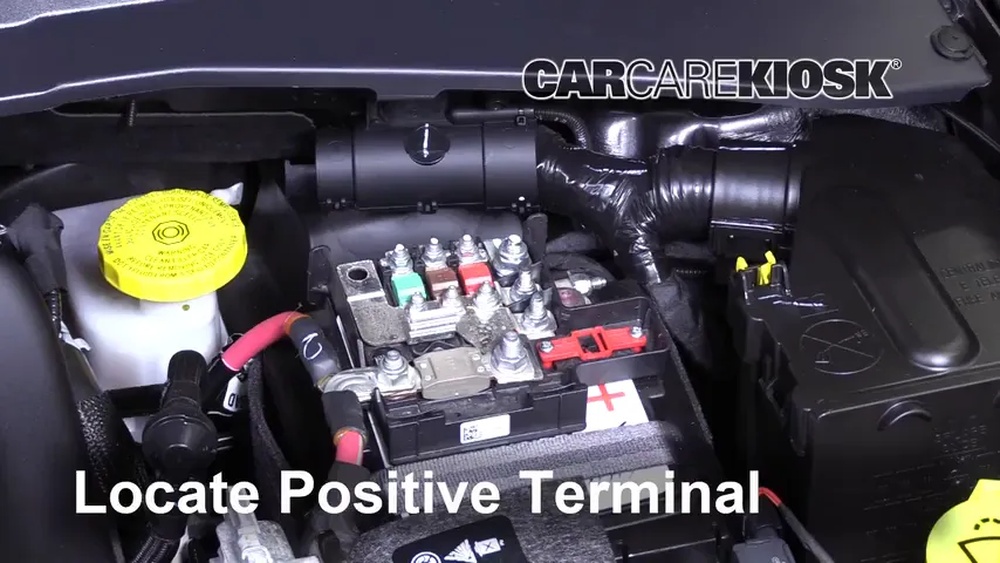
The negative terminal is black and marked with a “-“.
Make sure you can access both terminals easily some models have covers you need to remove before connecting cables.
Battery Specifications
Your Compass typically uses a Group 47 AGM or standard lead-acid battery. The cold cranking amps (CCA) rating should be around 500–600. Always check your owner’s manual for exact specs, especially if replacing the battery. Using the wrong battery type can lead to electrical issues.
What You Need To Jump Start
Before starting, gather these items:
- Jumper cables (heavy-duty, at least 10-gauge)
- Another vehicle with a working battery (donor car)
- Safety gloves and glasses (optional but recommended)
- Owner’s manual for reference
Never use damaged cables. Inspect clamps for rust or loose wires, which can cause sparks or poor connections.
Jump Starter Vs. Donor Vehicle
You can use a portable jump starter instead of another car. These devices are safer, especially if you’re alone. They’re small, reliable, and prevent damage from voltage spikes. According to Consumer Reports, portable jump starters reduce the risk of electrical damage by up to 60% compared to cables.
Step-by-step Guide To Jump Starting
Follow these steps closely to avoid mistakes:
- Position the vehicles: Park the donor car close to your Compass, but don’t let them touch. Turn off both engines and set parking brakes.
- Open the hoods: Locate batteries and terminals. Remove any terminal covers.
- Connect the cables:
- Red clamp to dead battery’s positive (+)
- Red clamp to donor battery’s positive (+)
- Black clamp to donor battery’s negative (-)
- Black clamp to bare metal on Compass engine (not the negative terminal)
- Start the donor vehicle: Let it run for 2–3 minutes.
- Start your Compass: Turn the key or press the start button. If it doesn’t start, wait another minute and try again.
- Remove the cables in reverse order:
- Black from Compass engine
- Black from donor battery
- Red from donor battery
- Red from Compass battery
- Let your Compass run: Drive for at least 20 minutes to recharge the battery.
Why The Ground Connection Matters
Many beginners miss the importance of connecting the black clamp to a bare metal spot on the engine not the negative terminal. This reduces the risk of sparks near the battery, which can cause explosions if gas is present.
Safety Precautions
Jump starting is safe if you follow these rules:
- Never smoke near batteries.
- Avoid touching clamps together while connected.
- Wear gloves to protect from acid or sparks.
- Check for leaks: If the battery is leaking or swollen, do NOT jump start—call a professional.
Common Mistakes To Avoid
- Connecting clamps to wrong terminals—this can damage electronics.
- Jump starting with a damaged battery—risk of fire or explosion.
- Using cables that are too thin—causes overheating.
Troubleshooting After Jump Starting
If your Compass still won’t start after a jump, consider these possibilities:
- Battery is beyond repair: Old batteries sometimes won’t hold a charge.
- Loose or corroded terminals: Clean with a wire brush.
- Faulty alternator: If your battery keeps dying, test the alternator.
A battery test at an auto shop costs about $25 $50 and can save you from repeated jump starts.
Real-world Example
Maria, a Jeep Compass owner in Chicago, faced a dead battery after leaving her lights on overnight. She followed the steps above but her Compass wouldn’t start.
After cleaning the corroded terminals, the jump worked and her SUV started right away.
Checking terminal condition is a step many people skip.
Data Table: Battery Types For Jeep Compass
Here’s a quick comparison of battery options for your Compass:
| Battery Type | Cold Cranking Amps (CCA) | Lifespan (years) | Cost ($) |
|---|---|---|---|
| AGM | 600 | 5–6 | 160–200 |
| Lead-Acid | 500 | 3–4 | 120–160 |
| Gel Cell | 520 | 4–5 | 180–230 |
Data Table: Portable Jump Starter Vs. Jumper Cables
Compare the pros and cons of both methods:
| Method | Ease of Use | Safety | Cost ($) |
|---|---|---|---|
| Jumper Cables | Moderate | Lower | 20–40 |
| Jump Starter | Easy | Higher | 70–150 |

Tips To Prevent Future Battery Issues
Keeping your Compass battery healthy saves money and trouble. Here are practical tips:
- Check battery terminals every 6 months for corrosion.
- Don’t leave lights or accessories on when parked.
- Drive regularly: Short trips can drain battery faster.
- Test battery voltage with a multimeter—should be 12.6 volts when fully charged.
Many drivers forget to check the battery’s age. Most batteries have a sticker with the date of manufacture.
If yours is over 4 years old, consider replacing it even if it seems fine. Old batteries can fail without warning.
When To Replace The Battery
If your Compass needs frequent jump starts, the battery is likely near the end of its life. Signs include:
- Slow engine crank
- Dim interior lights
- Electrical issues (radio or windows fail)
Replacing the battery costs less than $200 and prevents breakdowns.
Data Table: Signs Of Battery Failure
| Sign | Possible Cause | Action |
|---|---|---|
| Slow Start | Weak Battery | Jump/Replace |
| Dim Lights | Low Voltage | Charge/Replace |
| Multiple Jump Starts Needed | Faulty Battery/Alternator | Check Both |
| Swollen Battery Case | Overcharging | Replace Immediately |
Extra Advice Most People Miss
- Record your battery jump: Write down date and reason for future reference. If jumps become frequent, investigate deeper.
- Carry a portable jump starter: It’s a smart investment for emergencies. Modern models are light and can charge phones as well.
After The Jump: What Next?
After your Compass is running, drive for at least 20 minutes to recharge the battery fully. Avoid turning off the engine until you’re home or at a safe place.
If the battery dies again soon, get it tested or replaced.
Using Roadside Assistance
If you’re unsure about jump starting, use your Jeep’s roadside assistance program. The service is included in most warranties and can help if you feel unsafe. According to AAA, professional help prevents 25% of jump start mistakes.
Frequently Asked Questions
How Long Should I Let The Donor Vehicle Run Before Starting My Compass?
Let the donor car run for at least 2 3 minutes. This gives your Compass battery enough charge to start.
For very cold weather or older batteries, wait up to 5 minutes.
Is It Safe To Jump Start In The Rain?
Yes, but avoid puddles and water on the engine. Water can cause shorts or sparks.
Always dry your hands and cables before connecting.
Can I Use A Bigger Battery From Another Car?
Using a bigger battery is safe as long as it’s 12 volts. Do not use trucks with 24-volt systems.
Too much voltage can damage your Compass electronics.
What If My Compass Still Won’t Start After Jump Starting?
Check for loose or dirty terminals, or a faulty battery. If everything looks good, your alternator might be bad. Visit a mechanic for testing.
How Often Should I Replace My Jeep Compass Battery?
Usually every 3 5 years. If your battery is more than 4 years old and shows signs of weakness, replace it to avoid sudden breakdowns.
Jump starting your 2019 Jeep Compass is a straightforward process when you know what to do. Preparation, safety, and careful steps are key. Keep your tools ready and check your battery’s health regularly. With this guide, you’ll handle dead batteries confidently and keep your Compass running strong.


















