Jumping a Jeep Wrangler is not just about speed and thrill. It’s also about safety, skill, and understanding your vehicle’s limits.
Many Jeep owners are inspired by videos showing Wranglers flying over dirt mounds. But the reality is more complex.
If you want to jump your Jeep Wrangler safely, you need a good plan, proper equipment, and knowledge of what could go wrong. Let’s break down everything you need to know—from preparation to landing—so you can enjoy the experience and avoid costly mistakes.
Understanding Your Jeep Wrangler
The Jeep Wrangler is built for off-road adventures. It has solid axles, durable suspension, and a strong frame. But it’s not designed for big jumps like a purpose-built Baja truck. Before you even think about jumping, it’s important to know what your Wrangler can handle.
Suspension And Frame
The factory suspension is good for rough trails but not for absorbing large impacts. If you plan to jump, consider upgraded shocks and springs. The frame is tough, but repeated hard landings can cause damage.
Weight Distribution
Wranglers are top-heavy. When airborne, this can make the Jeep tilt forward (nose dive).
Proper weight balance and speed can help control this.
Model Differences
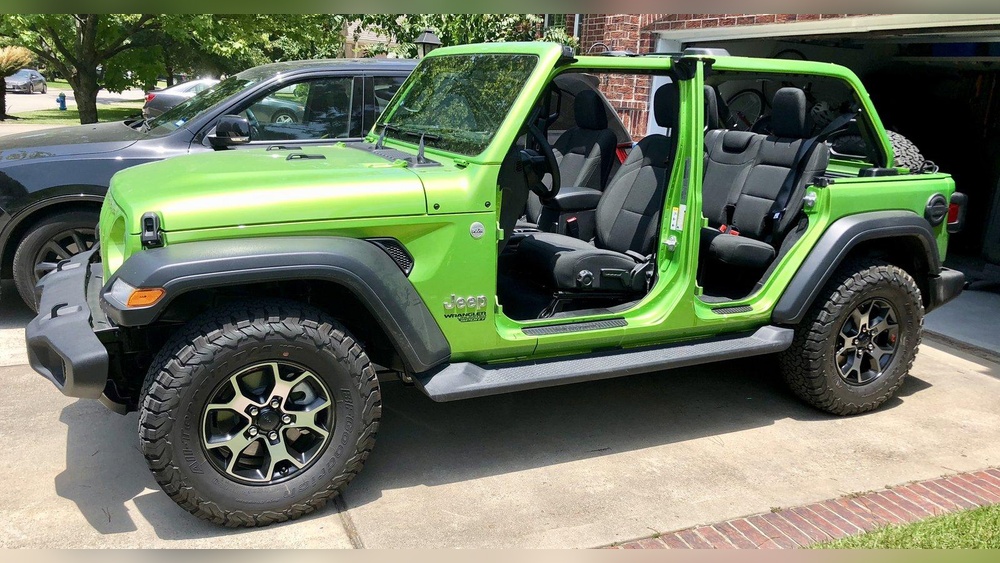
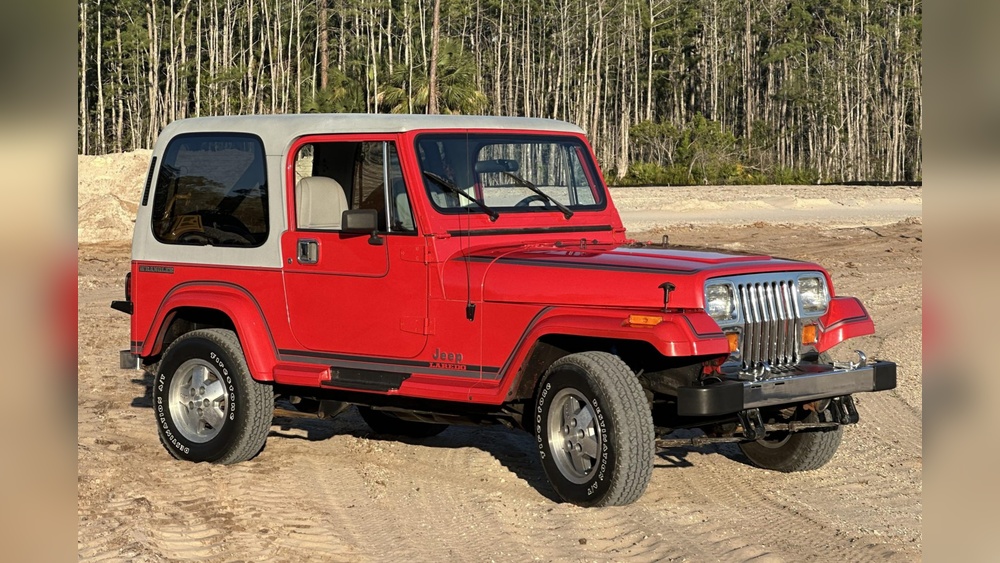
Not all Wranglers are equal. Rubicon, Sport, and Sahara versions have different suspension setups.
| Model | Suspension Type | Best For |
|---|---|---|
| Rubicon | Heavy Duty | Off-road, moderate jumps |
| Sport | Standard | Light trails, small jumps |
| Sahara | Comfort | Road use, minimal jumps |
Preparing To Jump
Preparation is key to a safe and successful jump. Here are the main steps:
- Inspect Your Jeep: Check for any loose parts, damaged suspension, or worn tires. Make sure everything is tight and secure.
- Upgrade Suspension: Install off-road shocks and bump stops. These absorb landing impacts.
- Check Tire Pressure: Lower tire pressure to 15–20 psi for better grip and softer landings.
- Remove Excess Weight: Take out heavy cargo from the back. Less weight means less stress on the suspension.
- Wear Safety Gear: Use seat belts. A helmet is recommended if you’re jumping high.
- Scout the Jump Site: Find a location with a smooth ramp and a clear landing area. Avoid rocks, trees, or deep holes.
What Makes A Good Jump Ramp?
The ramp should be made of packed dirt, not loose sand. It should have a gentle angle about 20 30 degrees.
Too steep, and you risk flipping; too flat, and you won’t get enough lift.
| Ramp Type | Angle | Risk Level |
|---|---|---|
| Packed Dirt | 20–30° | Low |
| Loose Sand | 15–25° | Medium |
| Rock/Gravel | Any | High |
How To Jump Your Wrangler
When you’re ready, follow these steps for the jump itself:
- Line Up Straight: Approach the ramp head-on. If you hit it at an angle, your Jeep could roll.
- Choose the Right Speed: Start slow. For small jumps, 15–20 mph is enough. Bigger jumps may need 25–35 mph. Too fast and you risk losing control.
- Keep Steady Throttle: Don’t slam the gas at the last second. Maintain steady power as you reach the ramp.
- Stay Relaxed: Keep both hands on the wheel. Don’t tense up. Let the suspension do its job.
- In the Air: If you feel the nose dropping, tap the gas pedal lightly to lift the front.
- Landing: Try to land with all four wheels at once. If you land front-first, the axle can break. If you land rear-first, you may bounce.
Example: Small Jump Vs Big Jump
| Jump Size | Recommended Speed | Landing Impact |
|---|---|---|
| Small (2–3 ft) | 15–20 mph | Low |
| Medium (4–6 ft) | 20–25 mph | Medium |
| Large (7+ ft) | 30–35 mph | High |
Common Mistakes And How To Avoid Them
Many beginners make errors that can lead to accidents or expensive repairs. Here are two less obvious mistakes:
- Ignoring Alignment: If your wheels aren’t straight before the jump, your Jeep could veer off course or roll over.
- Skipping Post-Jump Inspection: Always check your suspension, steering, and underbody after landing. Small cracks or bends can become major problems if ignored.
Other common mistakes include:
- Jumping with passengers: Extra weight increases risk.
- Not checking the landing zone: Hidden holes or rocks can cause damage.
- Overestimating your Jeep: Watching online videos can make jumps look easy, but most are done with heavily modified vehicles.

Safety And Maintenance Tips
Safety should always come first. Here are some practical tips:
- Never jump on public roads. Use only approved off-road parks or private land.
- Inspect after every jump. Look for leaks, cracks, or loose bolts.
- Start with small jumps. Build confidence and skill before trying bigger ramps.
- Consider insurance coverage. Some policies do not cover off-road accidents.
Many Jeep owners overlook the importance of regular maintenance. Jumping increases wear on shocks, tires, and axles. Schedule suspension checks every 5–10 jumps, or sooner if you notice strange noises.
For more detailed off-road safety advice, visit Jeep Official Guide.
Frequently Asked Questions
How High Can A Jeep Wrangler Safely Jump?
Most stock Wranglers can handle jumps of 2–3 feet. With upgraded suspension, you may reach 4–6 feet. Anything higher risks damaging the frame or axles.
What Jeep Modifications Help With Jumping?
The best upgrades are heavy-duty shocks, reinforced bump stops, and roll cages. These parts absorb impact and protect occupants.
Is Jumping A Jeep Wrangler Legal?
Jumping is legal only on private property or approved off-road parks. Never jump on public roads or areas not allowed for off-road use.
Can Jumping Void My Jeep’s Warranty?
Yes, it can. Most warranties do not cover damage from off-road stunts or racing. Check your policy before jumping.
What Should I Check After Landing A Jump?
Inspect your suspension, steering components, and tires. Look for leaks, cracks, or misalignment. Address any issues before driving again.
Jumping your Jeep Wrangler can be exciting, but it requires respect for safety and the limits of your vehicle. With careful preparation, smart technique, and regular maintenance, you can enjoy the thrill without risking your Jeep or your health.
Always start small and build your skills so every jump is a safe and fun adventure.