Changing or installing a wheel on the hub of your Jeep may seem like a simple job, but doing it the right way makes a big difference.
Whether you’re preparing for a road trip, doing regular maintenance, or fixing a flat tire, understanding the correct process is key for safety and performance.
Many Jeep owners are DIY fans, but even experienced drivers sometimes miss important steps. In this guide, you’ll learn exactly how to install a wheel on your Jeep’s hub, including the tools you need, tips from experts, and advice to avoid common mistakes.
Why Proper Wheel Installation Matters
The wheels are not just for moving your Jeep—they’re a crucial safety part. If a wheel isn’t installed correctly, it can cause vibration, uneven tire wear, or even a dangerous accident. Jeep wheels are designed to handle off-road stress and heavy loads, so even a small mistake can have big consequences. For example, a loose lug nut can work itself free and lead to a wheel coming off at high speed. Tightening the wheel in the right pattern and to the correct torque keeps everything secure.
What You’ll Need Before You Start
Having the right tools ready will make the process smoother and safer:
- Jack (hydraulic or scissor type rated for your Jeep’s weight)
- Jack stands for extra safety
- Lug wrench (or breaker bar)
- Torque wrench (for correct tightening)
- Socket set (usually 19mm or 21mm for Jeep lug nuts)
- Wheel chocks (blocks for the tires)
- Gloves (to protect your hands)
- Anti-seize compound (optional, for easier future removal)
- Wire brush (to clean hub and wheel contact surfaces)
- Jeep owner’s manual (for torque specs)
Pro Tip: Always check your Jeep’s manual for the exact lug nut torque specification. Most Jeep models need 95–130 ft-lbs, but it can vary.
Preparing Your Jeep For Wheel Installation
Before lifting your Jeep, make sure you’re on a flat, solid surface. This reduces the risk of the vehicle shifting or falling. Place wheel chocks behind the tires that will stay on the ground. Loosen (but don’t remove) the lug nuts about half a turn while the tire is still touching the ground. This prevents the wheel from spinning while you work.
Extra Insight: Many people skip cleaning the hub and wheel contact areas. Dirt or rust here can prevent the wheel from seating properly, leading to wobbles or uneven pressure.
Lifting The Jeep Safely
- Position the jack under the correct jacking point. For most Jeeps, this is the frame rail behind the front wheels or ahead of the rear wheels.
- Lift the Jeep until the tire is clear off the ground.
- Place jack stands under the frame for safety. Never rely only on the jack.
- Remove the lug nuts completely and take off the old wheel.
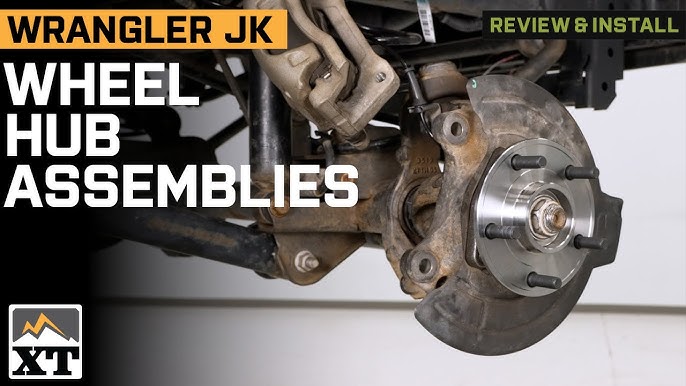
Inspecting The Hub And Wheel
Before installing the new or repaired wheel, check these parts:
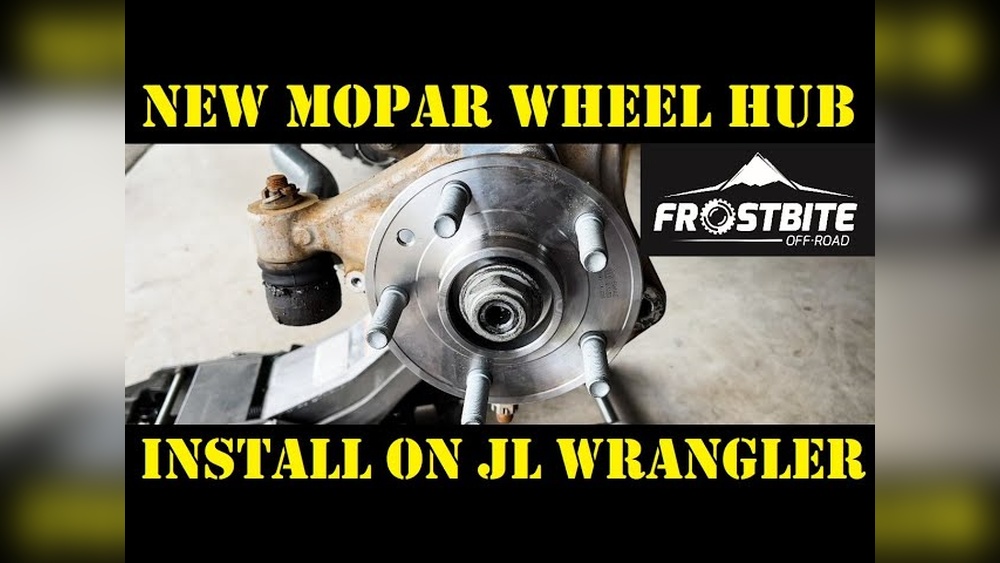
- Hub face: Clean with a wire brush. Remove any rust or dirt.
- Lug studs: Make sure they’re not bent or damaged.
- Wheel mounting hole: No cracks or warping.
If you see damage or heavy rust, address it before installing the wheel. A clean, smooth contact area ensures a tight fit and prevents vibration.
Positioning The Wheel On The Hub
- Line up the holes in the wheel with the studs on the hub.
- Slide the wheel onto the hub, supporting it so it sits flat against the hub face.
- Hand-thread each lug nut onto the studs. Spin them until they’re snug, but don’t tighten yet.
Non-Obvious Tip: Always start lug nuts by hand. Cross-threaded nuts can damage the stud, making future removal hard and even unsafe.

Tightening Lug Nuts: The Star Pattern
It’s important to tighten the lug nuts in a specific sequence—called the star pattern. This helps the wheel sit evenly against the hub. Tightening one nut all the way before the others can cause the wheel to be crooked and may lead to vibration.
For a 5-lug Jeep wheel, the pattern is:
- Nut 1
- Nut 3 (skip one)
- Nut 5 (skip one)
- Nut 2 (skip one)
- Nut 4 (last one left)
For 6-lug wheels, follow a crossing pattern (1-4-2-5-3-6).
Tighten all nuts by hand first, then use the lug wrench to snug them up, but don’t apply full force yet.
Lowering The Jeep And Final Torque
Once the wheel is in place and the nuts are snug:
- Remove the jack stands and slowly lower the Jeep until the tire just touches the ground. This keeps it from spinning but doesn’t put full weight on the tire yet.
- Use the torque wrench to tighten the lug nuts to the correct specification, following the star pattern.
- Lower the Jeep completely and re-check each lug nut with the torque wrench.
Extra Advice: After driving 25–50 miles, re-check the torque on all lug nuts. Sometimes they settle and need an extra tightening.
Common Mistakes (and How To Avoid Them)
Even experienced Jeep owners can make errors. Here are a few frequent mistakes:
- Not using a torque wrench: Guessing “tight enough” is unsafe. Always use the right tool.
- Skipping the star pattern: Leads to uneven pressure and possible wheel wobble.
- Ignoring rust or dirt: Can cause the wheel to not seat fully.
- Mixing up lug nuts: Some Jeeps have special nuts (like locking nuts). Don’t lose or swap them.
Pro Insight: Some aftermarket wheels require special lug nuts or washers. Always use what the manufacturer recommends.
Comparing Types Of Jeep Wheels
Different Jeeps and driving styles need different wheels. Here’s a quick comparison:
| Type | Material | Best For | Pros | Cons |
|---|---|---|---|---|
| Steel Wheels | Steel | Off-road, Budget | Strong, Cheap | Heavy, Rust |
| Alloy Wheels | Aluminum | Street, Light Off-road | Lighter, Stylish | Costly, Easier to crack |
| Beadlock Wheels | Steel/Aluminum | Extreme Off-road | Prevents tire slip | Expensive, Complex |
Jeep Wheel Torque Specs: Quick Reference
Here’s a handy table with common Jeep wheel lug nut torque specs. Always confirm with your owner’s manual.
| Model | Year | Lug Nut Torque (ft-lbs) |
|---|---|---|
| Wrangler (JK) | 2007–2018 | 95–115 |
| Wrangler (JL) | 2018–Present | 130 |
| Grand Cherokee | 2011–2021 | 110 |
| Cherokee | 2014–2022 | 100 |
| Gladiator | 2020–Present | 130 |
Special Tips For Off-roaders
Jeep owners who go off-road have extra things to consider:
- Check lug nuts more often. Off-roading can shake them loose.
- Use anti-seize compound on threads if you drive in mud, snow, or salted roads. This makes future removal easier.
- Inspect wheels and hubs for damage after each trip.
Non-Obvious Insight: If you air down tires for off-roading, always return them to normal pressure before retorquing lug nuts. Changing pressure can shift the wheel slightly.
Safety Reminders
- Never work under a Jeep supported only by a jack.
- Always block wheels and wear gloves.
- If you’re unsure about any step, ask a pro or visit a trusted shop.
When To Seek Professional Help
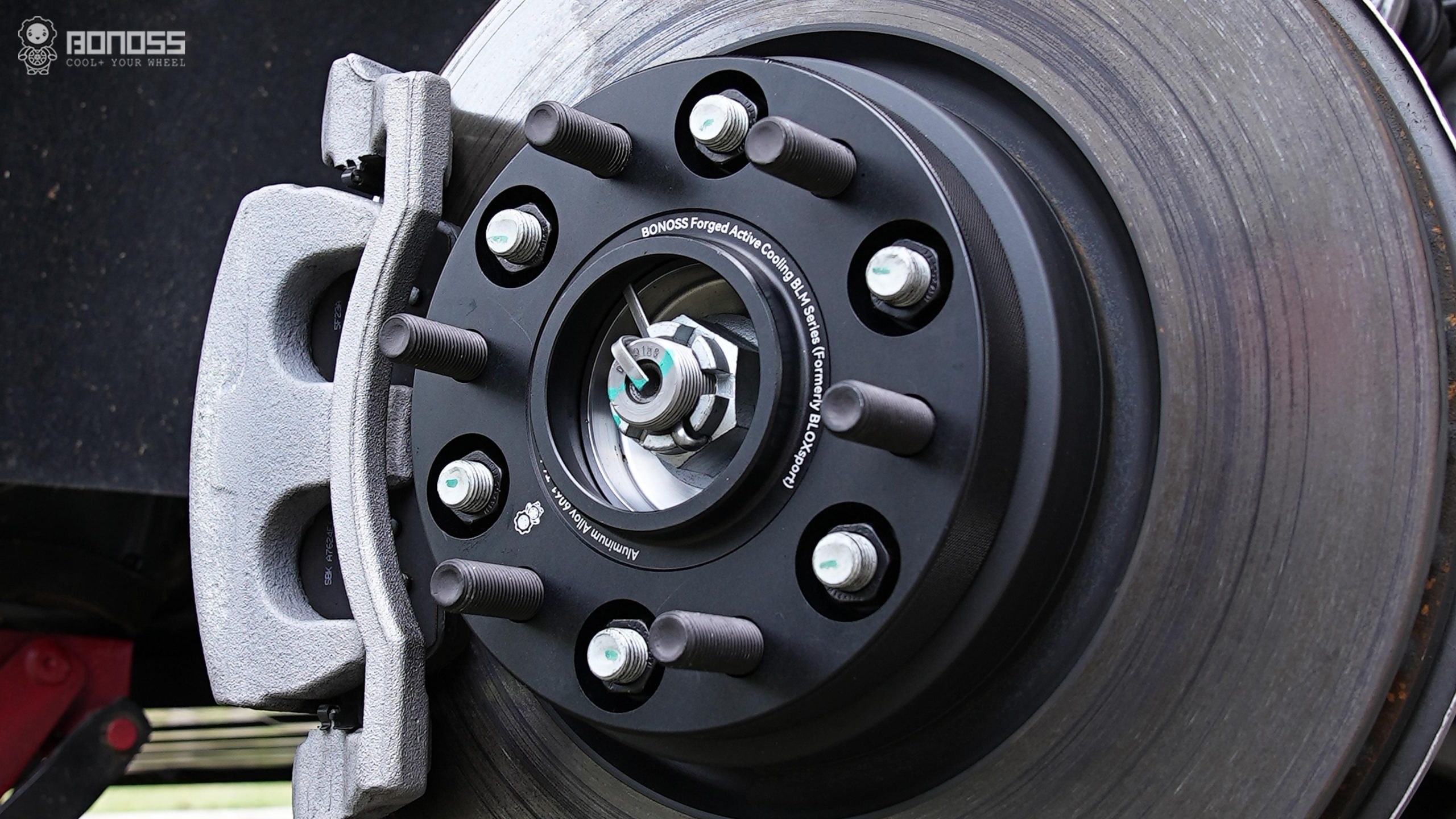
Some jobs are better left to experts. If you notice damaged lug studs, stripped lug nuts, or warped wheels, it’s wise to get help. Also, if your Jeep uses wheel spacers or adapters, installation is more complex and needs special care.
After Installation: Test Drive And Check
Once the wheel is installed and torqued:
- Drive slowly at first. Listen for any unusual noises.
- If you feel vibration, stop and re-check the wheel and lug nuts.
- After 25–50 miles, re-torque the nuts. This step is often skipped but prevents problems later.
Pro Tip: Carry a torque wrench and spare lug nuts in your Jeep for emergencies.
Real-world Example
Sarah owns a 2016 Jeep Wrangler and loves weekend off-road trips. After getting a flat tire, she replaced the wheel but skipped cleaning the hub.
A week later, she noticed a wobble at highway speeds. When she checked, she found dirt had kept the wheel from sitting flat.
Cleaning the hub and retorquing the nuts solved the problem. This shows how even small steps make a big difference for safety and comfort.
How Tight Should Jeep Lug Nuts Be?
Always use a torque wrench and follow your Jeep’s manual. Most models need between 95 and 130 ft-lbs. Too loose is unsafe, and too tight can damage the studs.
Can I Use Power Tools To Install My Jeep’s Wheels?
You can use an impact wrench to remove or snug lug nuts, but always finish tightening with a torque wrench. Power tools can over-tighten and break studs.
Why Does My Wheel Wobble After Installation?
Common causes are improper torque, dirty hub surfaces, or a warped wheel. Remove the wheel, clean the contact area, and retorque the nuts in a star pattern.
How Often Should I Re-torque The Lug Nuts?
Check them after 25–50 miles of driving after installation. For off-roaders, check after each trip.
Where Can I Find More Detailed Jeep Wheel Specs?
Your Jeep owner’s manual is the best source. For more technical details, visit the official Jeep website.
Installing a wheel on your Jeep’s hub is a task you can do safely with the right tools and steps. Take your time, double-check your work, and never skip cleaning the contact surfaces.
With these tips, your Jeep will be ready for the road or trail every time.