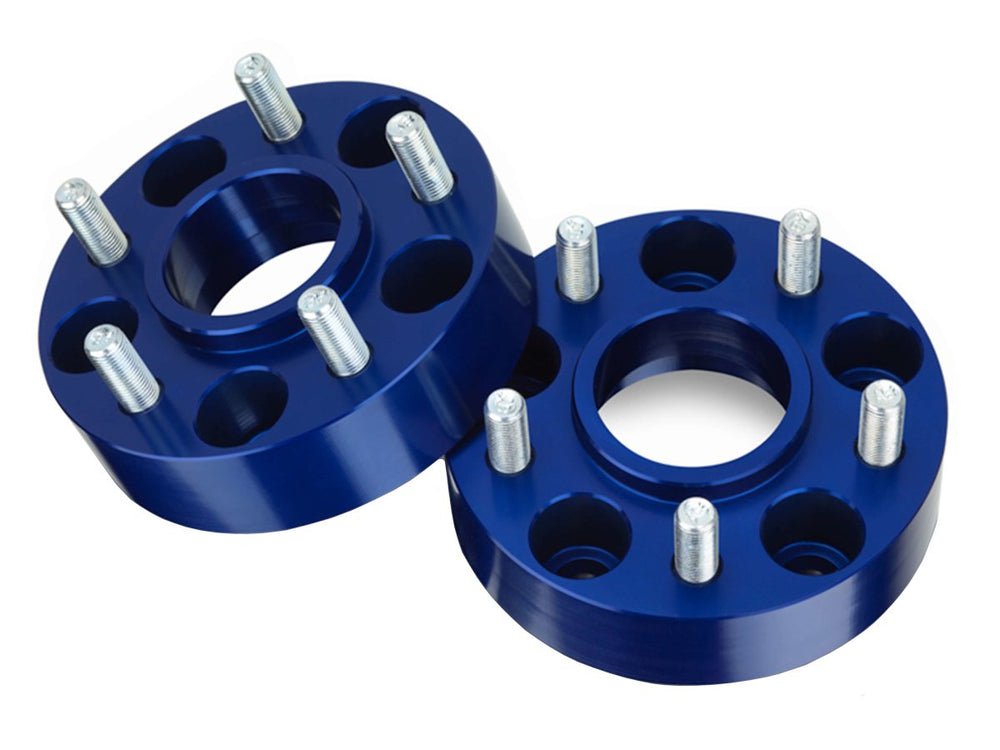
Installing wheel spacers on your Jeep JK is one of the easiest ways to improve both the look and performance of your vehicle. Wheel spacers push your wheels outward, giving your Jeep a wider stance, better stability, and extra clearance for bigger tires.
But if you’ve never done this before, you might wonder about safety, the exact steps, and what mistakes to avoid. In this guide, you’ll get a clear walkthrough, practical tips, and advice from real Jeep owners.
Whether you’re upgrading for off-road adventures or just want a tougher look, you’ll find everything you need here.
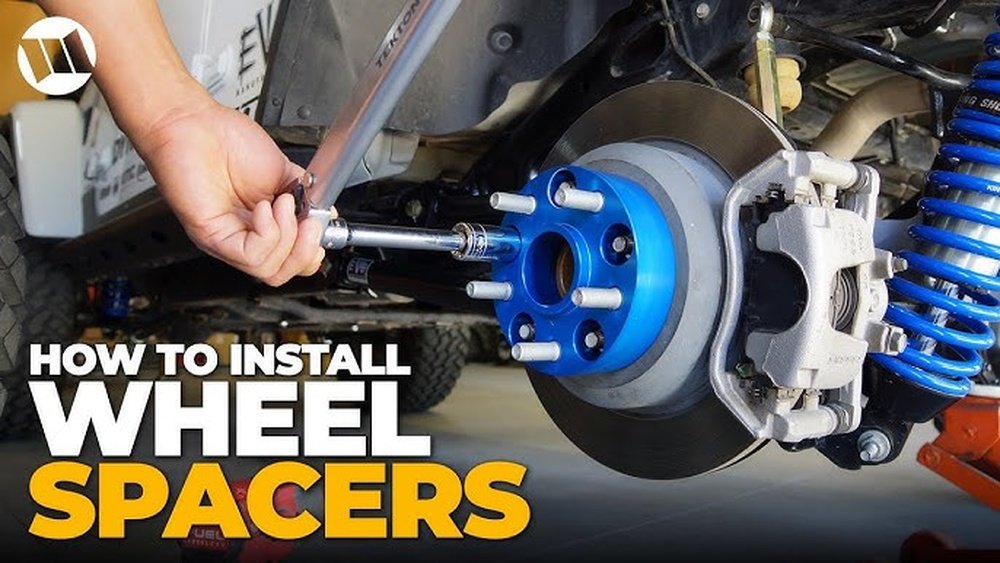
What Are Wheel Spacers And Why Use Them?
Wheel spacers are metal discs that fit between your Jeep’s wheel and hub. They are usually made from aluminum or steel and come in different thicknesses. By increasing the distance between the hub and the wheel, spacers change the track width, which affects handling and appearance.
Benefits Of Installing Wheel Spacers
- Improved stability: A wider track reduces body roll, especially when cornering or off-roading.
- Enhanced tire clearance: Spacers help prevent tires from rubbing against suspension parts or fender flares.
- Aggressive look: Your Jeep gets a wider, more muscular stance.
- Easier fitting for aftermarket wheels: Some aftermarket wheels need spacers to avoid hitting brake calipers or other components.
Many Jeep JK owners report that after installing spacers, their vehicle feels more planted and balanced, especially on rough trails. But remember, not all spacers are equal. Quality and correct sizing matter for safety.
Choosing The Right Wheel Spacers For Jeep Jk
Before you start, it’s important to pick spacers that fit your Jeep JK’s specs. There are a few key factors to consider:
Spacer Thickness
Common sizes for Jeep JK are 1.5 inch and 2 inch. Thicker spacers give a wider stance but can stress suspension and wheel bearings if overdone. For most setups, 1.5-inch spacers are a safe choice.
Material And Quality
Look for spacers made from 6061-T6 aluminum or billet aluminum. These materials are light but strong. Avoid cheap cast aluminum or steel spacers, as they can crack or rust.
Bolt Pattern And Hub Size
Jeep JK uses a 5×5 bolt pattern (also called 5x127mm). The center bore should be 71.5mm. Double-check these numbers with your Jeep’s specs.
Hub-centric Vs. Lug-centric
Hub-centric spacers fit perfectly onto the hub, reducing vibration. Lug-centric spacers rely only on the lug nuts.
For the Jeep JK, hub-centric spacers are recommended.
Here’s a simple comparison for spacer types:
| Type | Fit | Best For | Risk |
|---|---|---|---|
| Hub-centric | Direct to hub | Jeep JK, modern vehicles | Low vibration |
| Lug-centric | On lug nuts | Older cars, some trucks | Possible vibration |
Brands And Price
Popular brands include Spidertrax, Rough Country, and Yukon Gear. Prices range from $100–$200 for a set of four. Cheap spacers below $50 are risky and can fail.
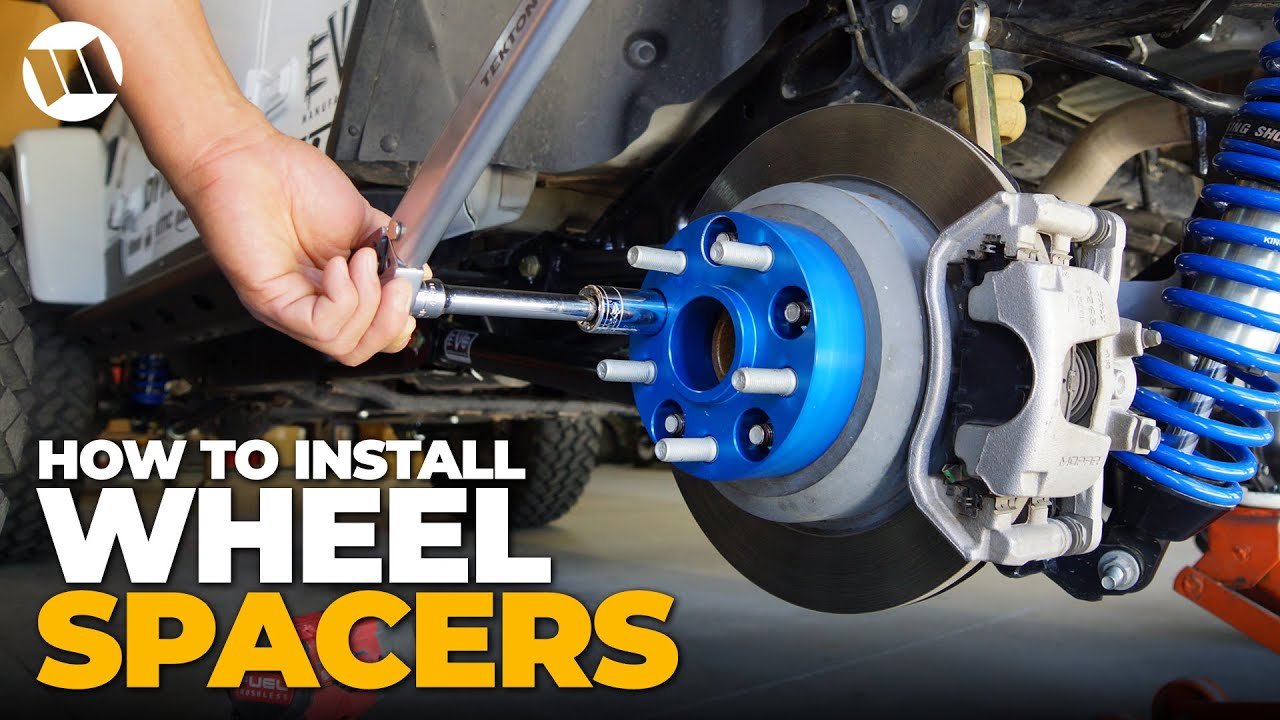
Tools And Supplies Needed
Before installation, gather the following:
- Socket set (with 19mm or 21mm sockets)
- Torque wrench (for tightening bolts)
- Breaker bar
- Jack and jack stands
- Wire brush or sandpaper (to clean hubs)
- Thread locker (medium-strength)
- Wheel chocks
Optional: gloves and eye protection.
Having the right tools saves time and prevents mistakes. For example, a torque wrench is critical for safety over or under-tightening can damage spacers or studs.
Step-by-step Guide: Installing Wheel Spacers On Jeep Jk
Follow these steps carefully. The process takes about 1 2 hours for all four wheels.
1. Park And Prepare
- Park your Jeep JK on a flat, stable surface.
- Engage the parking brake and use wheel chocks behind the tires.
2. Loosen Lug Nuts
- Use the breaker bar to loosen (not remove) the lug nuts on one wheel.
- Loosen in a star pattern for even pressure.
3. Lift The Vehicle
- Place the jack under the recommended lift point and raise the Jeep.
- Set jack stands under the frame for safety.
4. Remove The Wheel
- Take off the lug nuts and remove the wheel.
- Inspect the hub and brake rotor for dirt or rust.
5. Clean The Hub Surface
- Use a wire brush or sandpaper to clean the hub.
- Ensure the spacer will sit flush—dirt or rust can cause vibration.
6. Attach The Wheel Spacer
- Place the wheel spacer onto the hub. Make sure the holes align.
- Apply a small amount of thread locker to the spacer bolts for extra security.
- Tighten the spacer bolts by hand, then use a torque wrench to finish. Typical torque is 90–100 ft-lbs. Check your spacer’s instructions.
7. Reinstall The Wheel
- Place the wheel onto the spacer and hand-tighten the lug nuts.
- Use the torque wrench to tighten the nuts in a star pattern. Jeep JK lug nuts usually require 95–100 ft-lbs torque.
8. Repeat For Other Wheels
- Lower the Jeep, move to the next wheel, and repeat steps 2–7.
9. Final Checks
- After all wheels are installed, double-check torque on all nuts and bolts.
- Drive slowly for the first 10 miles, then re-check torque.
Here’s a simple summary for the steps:
| Step | Action | Tip |
|---|---|---|
| 1 | Park and prepare | Use chocks for safety |
| 2 | Loosen lug nuts | Star pattern |
| 3 | Lift vehicle | Jack stands required |
| 4 | Remove wheel | Inspect hub |
| 5 | Clean hub | Wire brush or sandpaper |
| 6 | Attach spacer | Thread locker use |
| 7 | Reinstall wheel | Torque wrench needed |
| 8 | Repeat | All wheels |
| 9 | Final checks | Re-torque after 10 miles |
Common Mistakes And How To Avoid Them
Even experienced Jeep owners sometimes make errors when installing spacers. Here are a few to watch out for:
1. Not Cleaning The Hub
Dirty or rusty hubs cause spacers to sit unevenly, leading to vibration and possible loosening. Always clean the hub before installing.
2. Over-tightening Or Under-tightening Bolts
Incorrect torque can break studs or leave spacers loose. Use a torque wrench and follow spacer and wheel specs exactly.
3. Skipping Thread Locker
Thread locker helps prevent bolts from loosening due to vibration. Many forget this step, but it’s important for safety.
4. Using Cheap Or Wrong Spacers
Low-quality spacers may crack, corrode, or fail. Always buy hub-centric, branded spacers with correct specs for your Jeep JK.
5. Not Re-torquing After Driving
After your first short drive (10 50 miles), re-check all bolts. Spacers can settle, and nuts may loosen slightly.
Real-world Example: Jeep Jk Spacer Installation
Let’s look at a real case. Mark, a Jeep JK owner from Arizona, installed Spidertrax 1.5-inch spacers to fit 35-inch tires. He followed the steps above, and noticed improved stability on rocky trails. Mark said the wider stance made his Jeep feel safer and more responsive.
However, he missed re-torquing after the first 50 miles, and one wheel developed a slight vibration. After checking torque, the issue disappeared.
This shows how important it is to follow every step, not just the main installation.
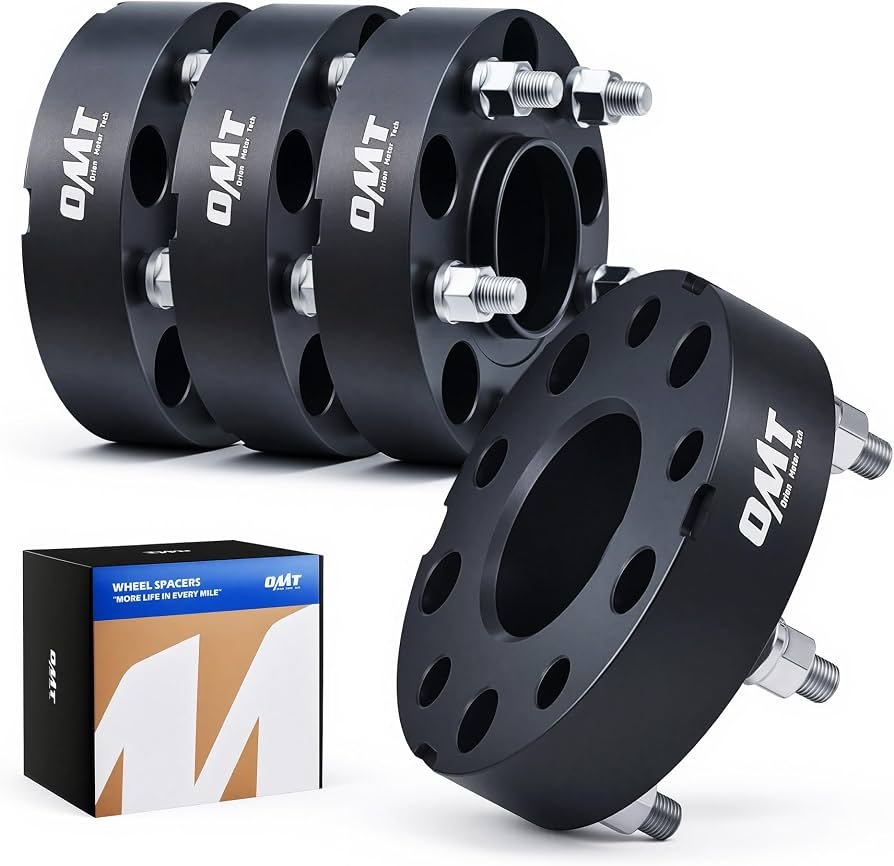
Safety And Legal Considerations
Wheel spacers are safe when installed correctly, but there are a few points to know:
- Check local laws: Some states restrict spacer use or limit track width changes. Always check before installing.
- Insurance impact: Modifying wheels may affect coverage. Notify your insurer if you add spacers.
- Routine inspection: Check spacer and wheel bolts every 5,000 miles or during regular maintenance.
Spacers can stress suspension and wheel bearings if too thick. Keep thickness reasonable 1.
5 2 inch is safe for Jeep JK. If you notice unusual vibration, noise, or handling changes, inspect spacers immediately.
Cost And Value: Are Wheel Spacers Worth It?
Wheel spacers are a relatively cheap upgrade, but their value depends on your goals.
- Cost: Quality spacers cost $100–$200 per set, plus tools if needed.
- Benefits: Improved stance, tire clearance, and handling.
- Downsides: Possible extra wear on suspension and bearings, legal issues in some states.
Here’s a comparison of cost versus value:
| Upgrade | Cost | Benefit | Downside |
|---|---|---|---|
| Wheel spacers | $100–$200 | Stance, clearance | Bearing stress |
| New wheels | $400–$1200 | Stance, style | High price |
| Lift kit | $500–$2500 | Height, clearance | Complex install |
For many Jeep JK owners, spacers are the first step before bigger wheels or lift kits. If you’re just starting with mods, spacers offer big impact for low cost.
Practical Tips For A Smooth Installation
- Buy quality spacers: Cheap parts can fail and cause accidents.
- Use thread locker: It’s a small step but greatly improves safety.
- Check laws: Avoid trouble by checking state rules.
- Torque everything: Never skip the torque wrench.
- Re-torque after driving: Spacers settle—double-check bolts after your first drive.
One non-obvious insight: If your Jeep JK has aftermarket wheels, check if the spacer’s center bore matches both the hub and the wheel. Some wheels have smaller or larger bores, which can cause vibration if not matched properly.
Another tip: If you notice your steering feels “loose” after installing spacers, check your wheel alignment. Sometimes, widening the track can shift alignment slightly.
For more details on spacer safety and Jeep modifications, you can visit Jeep Official Accessories.
Frequently Asked Questions
Can I Use Wheel Spacers With Factory Wheels On Jeep Jk?
Yes, you can use spacers with factory wheels, but make sure the spacer matches the bolt pattern and center bore. Hub-centric spacers are best for factory wheels.
Are Wheel Spacers Safe For Off-road Driving?
When installed correctly, quality spacers are safe for off-road use. Always check torque and inspect regularly, as off-roading creates extra stress and vibration.
Will Wheel Spacers Void My Jeep’s Warranty?
Wheel spacers may affect warranty coverage for wheel and suspension parts. Check your warranty terms or ask your dealer before installing spacers.
How Often Should I Check Spacer Bolts?
Check spacer and wheel bolts after your first drive (10 50 miles), then every 5,000 miles or during tire rotation. If you hear any noise or feel vibration, check immediately.
Do Wheel Spacers Affect Fuel Economy?
Spacers slightly increase drag by widening the stance. The effect is usually small (less than 1 mpg), but can be higher with very wide spacers or big tires.
Installing wheel spacers on your Jeep JK is a straightforward, rewarding upgrade. With careful prep, quality parts, and good technique, you’ll enjoy better handling, more tire options, and a tougher look. Take your time, use the right tools, and check torque regularly. Whether you’re customizing for style or performance, spacers can help your Jeep JK stand out and tackle new challenges.