Many Jeep Wrangler owners want to upgrade their vehicles for better safety, a modern look, or improved off-road visibility. Installing LED tail lights is one of the most effective upgrades. These lights are brighter, last longer, and use less power than standard bulbs. But many drivers feel unsure about the installation process. The good news? With the right guide, you can install LED tail lights on your Jeep Wrangler—even if you have little experience with car modifications.
This article explains each step clearly, points out common mistakes, and offers expert tips. Whether you drive a JK, JL, or older model, you’ll find information you need to upgrade with confidence.
Let’s turn your Jeep’s rear into a brighter, safer, and more stylish part of your adventure.
Why Upgrade To Led Tail Lights?
Drivers often ask why they should switch to LED tail lights. The answer goes beyond style. LED tail lights offer practical and safety benefits:
- Increased brightness: LEDs are much brighter than stock halogen bulbs. This helps drivers behind you see your brake and turn signals sooner, reducing the risk of rear-end accidents.
- Longer lifespan: LEDs can last up to 50,000 hours, while standard bulbs may only last 1,000–2,000 hours.
- Lower energy use: LEDs use up to 75% less power, which is important for off-roaders who run extra accessories.
- Modern appearance: LED lights give your Wrangler a fresh, custom look—day or night.
Many owners also report that LEDs improve their visibility in bad weather, and their crisp on/off function helps other drivers react faster.
Choosing The Right Led Tail Lights For Your Jeep Wrangler
Before starting installation, it’s important to pick the right lights for your vehicle. Here’s what you should consider:
Fitment
Jeep Wranglers come in different generations, like JK (2007–2018) and JL (2018–present). Tail lights are not universal—make sure the lights match your model year and trim.
Road Legality And Certification
Look for DOT or SAE-certified LED tail lights. These certifications mean the lights meet safety standards for road use in the US.
Features
Some LED tail lights include extra features:
- Sequential turn signals
- Built-in reverse lights
- Smoked lenses for a dark look
Choose the style and features that suit your taste and needs.
Plug-and-play Vs. Wiring
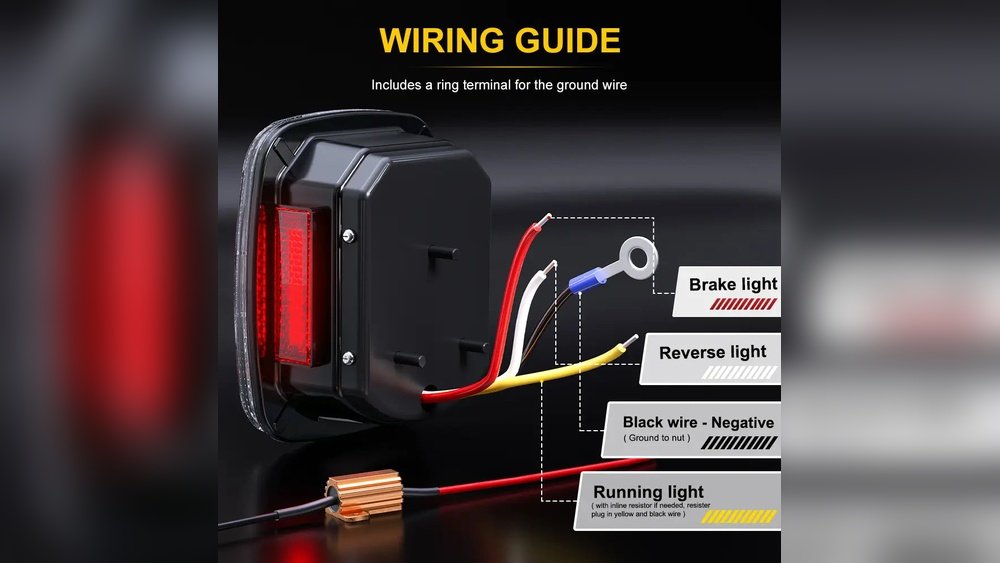
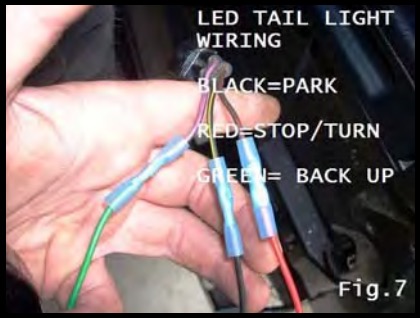
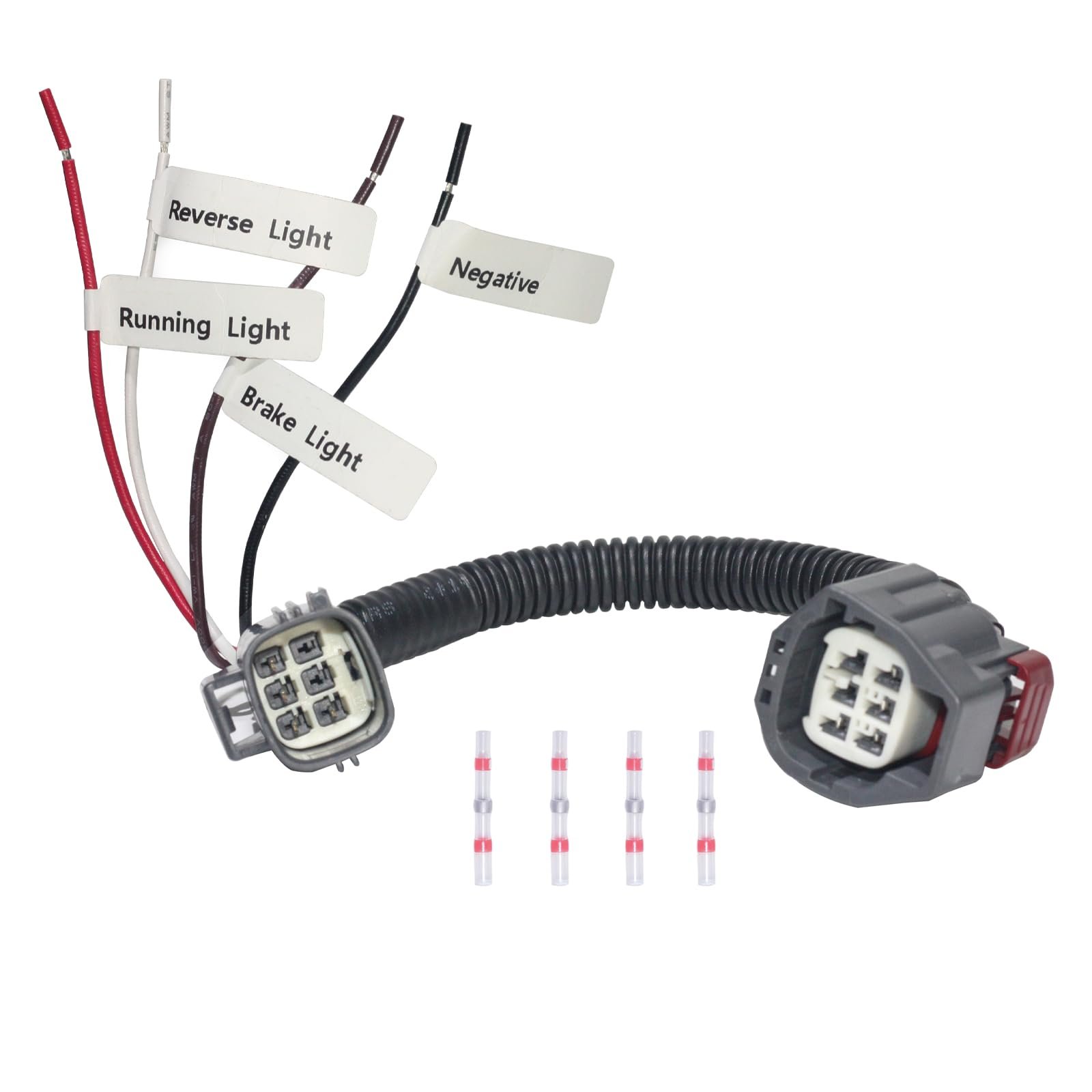
Some lights are plug-and-play, meaning they connect directly to your Jeep’s wiring harness. Others need extra wiring or resistors to prevent hyper-flashing (rapid blinking). Plug-and-play options are easier for beginners.
Price And Warranty
Prices can range from $60 to $300 per pair. Check the warranty reputable brands offer at least one year.
Here’s a quick comparison of common options:
| Brand | Fitment | Plug-and-Play | Warranty |
|---|---|---|---|
| JW Speaker | JK/JL | Yes | 5 years |
| Rugged Ridge | JK | Yes | 3 years |
| Sunpie | JK/JL | Yes | 1 year |
Tools And Materials Needed
Most installations are simple, and you don’t need special tools. Gather these items before you start:
- New LED tail lights (make sure they fit your Wrangler)
- Phillips screwdriver or Torx bit (usually T15 or T20)
- Flathead screwdriver (optional, for tight clips)
- Work gloves (to protect hands)
- Dielectric grease (optional, helps prevent corrosion)
- Electrical tape (optional, for extra wire security)
Some aftermarket kits may include resistors, extra screws, or wiring adapters.
How To Install Led Tail Lights On A Jeep Wrangler
Upgrading your tail lights can be done in less than an hour if you follow these steps.
1. Park And Prepare Your Jeep
- Park on a flat surface.
- Turn off the engine and remove the key.
- Open the tailgate for easy access.
For safety, disconnect the negative battery terminal to avoid electrical shorts.
2. Remove The Old Tail Lights
- Locate the screws on the outside edge of the tail light housing.
- Use a Phillips screwdriver or Torx bit to remove the screws (usually two per light).
- Carefully pull the tail light housing away from the Jeep.
- Disconnect the wiring harness by pressing the tab and pulling gently.
Pro Tip: Some models have tight clips or foam gaskets. Use a flathead screwdriver to help, but don’t force anything.
3. Compare Old And New Lights
Before installing, compare the old tail light and new LED tail light. Check:
- Mounting holes line up
- Wiring connectors match
- Light shape fits the Jeep’s rear panel
If your LED light has extra wires or resistors, read the included instructions.
4. Install The New Led Tail Lights
- Plug the new LED light into the wiring harness.
- If your kit has resistors, connect them as shown in the instructions.
- Secure the tail light with the original screws. Don’t overtighten—plastic can crack.
- Repeat for the other side.
5. Test All Functions
Before finishing, test these features:
- Parking lights
- Brake lights
- Turn signals
- Reverse lights (if included)
Check for fast blinking (hyper-flash). If you see this, you may need to install a resistor or a new flasher relay.
6. Final Touches
- Add dielectric grease to connectors (optional) to prevent moisture and corrosion.
- Wrap extra wires with electrical tape.
- Reconnect the negative battery terminal.
- Clean the tail light lenses with a soft cloth.
Here’s a summary of the main steps:
| Step | Action | Time Needed |
|---|---|---|
| 1 | Park and prep Jeep | 5 min |
| 2 | Remove old lights | 10 min |
| 3 | Compare lights | 5 min |
| 4 | Install LEDs | 15 min |
| 5 | Test functions | 5 min |
| 6 | Final touches | 5 min |

Common Mistakes And How To Avoid Them
Many beginners make simple errors that can cause headaches later. Here are the most common:
- Forgetting to disconnect the battery: This can cause a short or blow a fuse.
- Overtightening screws: This cracks the plastic housing.
- Not testing before reassembly: If you don’t test, you may have to remove the lights again.
- Mixing up connectors: Check left/right sides, as some models have different plug shapes.
- Not sealing connectors: Water can cause corrosion and failure. Use dielectric grease if you live in a wet climate.
Insight: Some owners don’t realize that LED tail lights can trigger the Jeep’s computer to show a bulb-out warning. If this happens, add a load resistor or a “CANbus” adapter—these are often included with higher-quality kits.
Troubleshooting After Installation
If something doesn’t work after installation, don’t panic. Use this checklist:
- No lights at all: Check battery connection and that all plugs are secure.
- Hyper-flash: Install a resistor or electronic flasher relay.
- Moisture inside lens: Remove the light and check the gasket; install again with a better seal.
- Warning lights on dash: Confirm that the kit is CANbus-compatible, or add resistors.
Sometimes, a simple unplug and re-plug can solve the issue.
Real-world Example: Wrangler Jk Owner’s Upgrade
Jared, a 2015 Wrangler JK owner, wanted better night visibility after upgrading his tires. He bought a plug-and-play LED tail light kit with sequential signals.
He followed these steps:
- Disconnected the battery for safety.
- Removed the two screws and unplugged the old lights.
- Compared both lights—he noticed the new LED was slightly larger but still fit.
- Plugged in the new light, but saw a fast-blinking turn signal.
- Installed the included resistor, which fixed the hyper-flash.
- Tested all lights, then secured everything.
Jared’s biggest surprise was how bright the new lights were compared to stock. He also liked the modern look, and installation took less than 30 minutes per side.
He advises future installers to lay out all tools before starting and double-check each connection.
Care And Maintenance Tips
LED tail lights need little care, but a few habits keep them working:
- Clean the lenses with mild soap and water—avoid harsh chemicals.
- Check screws and connectors every few months, especially after off-roading.
- Watch for condensation. If you see moisture inside, remove the light and dry it out.
- Inspect wiring after any rear-end impacts.
LEDs rarely burn out, but wiring or moisture problems can cause failures.
Are Aftermarket Led Tail Lights Legal?
Many drivers wonder if aftermarket lights are legal. In most US states, DOT or SAE-certified LED tail lights are legal for road use. If you pick uncertified or colored lights (like all-red or smoked), you may not pass inspection. Check your state’s rules before buying.
For more details, see the US Department of Transportation’s lighting requirements on the NHTSA website.
Cost And Value Comparison
Upgrading to LED tail lights is not only about style—it’s a smart investment. Here’s a cost comparison:
| Type | Initial Cost | Expected Lifespan | Energy Use |
|---|---|---|---|
| Halogen (stock) | $20–$40 | 1,000–2,000 hrs | High |
| LED (aftermarket) | $60–$300 | 30,000–50,000 hrs | Low |
While LEDs cost more up front, they save money over time through fewer replacements and lower power draw.
Frequently Asked Questions
Can I Install Led Tail Lights On My Jeep Wrangler Myself?
Yes, most Jeep owners can do this upgrade with basic tools. Plug-and-play kits are designed for easy DIY installation.
Will Led Tail Lights Cause Any Warning Lights On My Dashboard?
Some kits trigger a bulb-out or fast-blink warning. Use a CANbus adapter or resistor to fix this issue.
Are Led Tail Lights Brighter Than Stock Lights?
Yes, LEDs are much brighter and turn on faster, which improves safety and visibility.
Do I Need To Modify Any Wiring To Install Led Tail Lights?
For most plug-and-play kits, no wiring changes are needed. Some cheaper kits may require connecting resistors or adapters.
Are Aftermarket Led Tail Lights Legal Everywhere?
They are legal if they are DOT or SAE-certified and produce red light for brakes and amber for turn signals, as required by law.
Upgrading your Jeep Wrangler to LED tail lights is a smart and satisfying project. With the right parts and this guide, you’ll improve your Jeep’s look, safety, and value in less than an afternoon.
Enjoy the road ahead and your brighter, bolder tail lights.


















