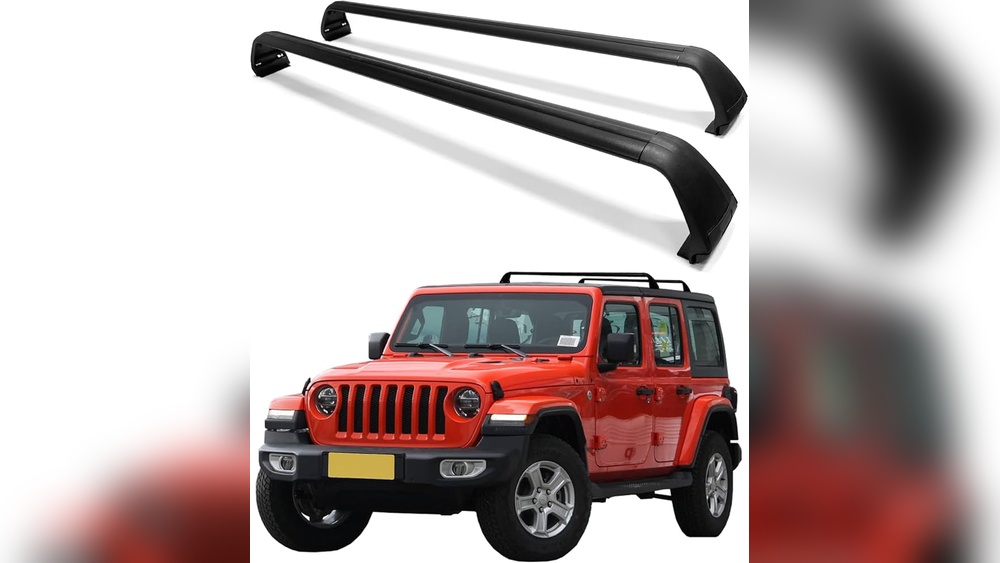
Adding side steps to your Jeep Wrangler can make it easier to get in and out, especially if your vehicle is lifted. These steps also help protect the lower body from rocks and debris.
Many Jeep owners choose to install side steps themselves.
The process is not as hard as it may seem. With the right tools and a careful approach, you can finish this upgrade in just a few hours.
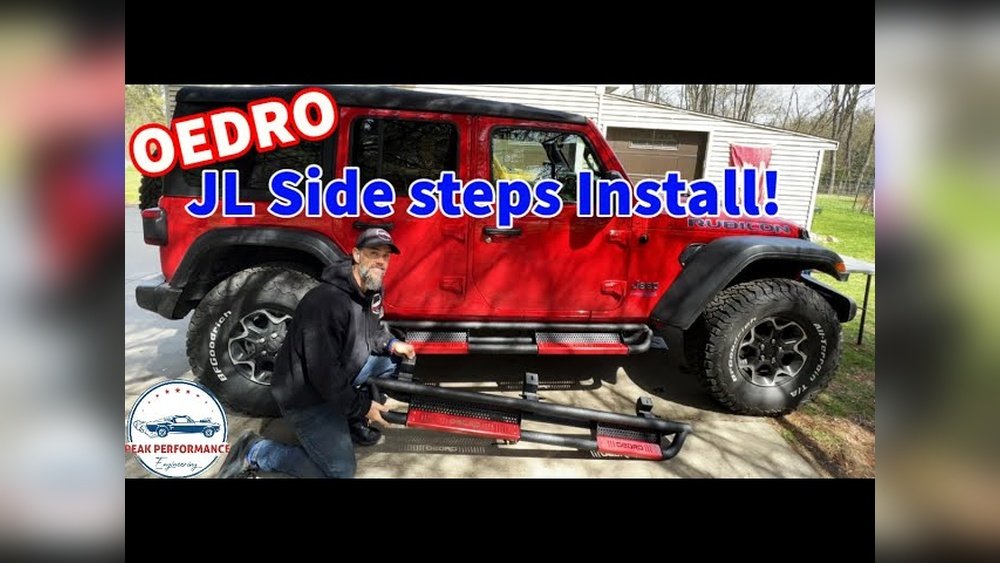
This guide will show you how to install Jeep Wrangler side steps, including what you need, step-by-step instructions, and tips for a safe, solid result.
Why Install Side Steps On Your Jeep Wrangler?
Side steps are more than just a style upgrade. Here are some reasons people add them to their Jeep:
- Easier access: Side steps make it simpler for children, elderly, or anyone with mobility issues to enter and exit.
- Protection: They act as a shield, guarding the rocker panels against rocks, mud, and road debris.
- Style: Side steps give the Wrangler a more aggressive, off-road-ready look.
For lifted Wranglers, side steps can be almost essential. According to a 2023 survey by SEMA, about 60% of Jeep Wrangler owners with lift kits add side steps or rock sliders within one year of purchase.
What You Need Before You Start
Before starting, gather these items:
- Side step kit (designed for your Wrangler’s year/model)
- Socket set (usually 10mm, 13mm, and 18mm sizes are needed)
- Ratchet wrench
- Torque wrench
- Screwdrivers
- Safety glasses and gloves
- Creeper or mat (optional, for comfort under the vehicle)
- Loctite or thread locker (optional, for extra bolt security)
Most side steps for Jeep Wranglers are designed for bolt-on installation. This means no drilling is needed if you choose the right kit for your year and model.
Comparing Side Step Types
There are several side step options for Jeep Wranglers. Here’s a quick comparison:
| Type | Material | Main Benefit | Drawback |
|---|---|---|---|
| Running Boards | Aluminum/Plastic | Wide, easy to step on | Less off-road protection |
| Tube Steps | Steel | Classic look, durable | Can collect mud/debris |
| Rock Sliders | Heavy Steel | Best for off-road defense | Heavier, costlier |
Choose the type that fits your driving style and Wrangler use.
Step-by-step Guide: How To Install Jeep Wrangler Side Steps
Follow these steps for a safe, solid install:
1. Prepare Your Jeep
Park on a flat, level surface. Turn off the engine and set the parking brake.
If you have a jack, you may raise the vehicle slightly for easier access, but this is not required for most side steps.
2. Inspect Mounting Points
Jeep Wranglers have factory holes along the frame for side steps. Check these points for dirt or rust.
Clean them with a brush or rag. Removing debris ensures a tight fit.
3. Unpack And Organize Parts
Open your side step kit. Lay out all brackets, bolts, nuts, and washers.
Confirm you have everything listed in the instructions. Missing hardware can delay the job.
4. Attach Mounting Brackets
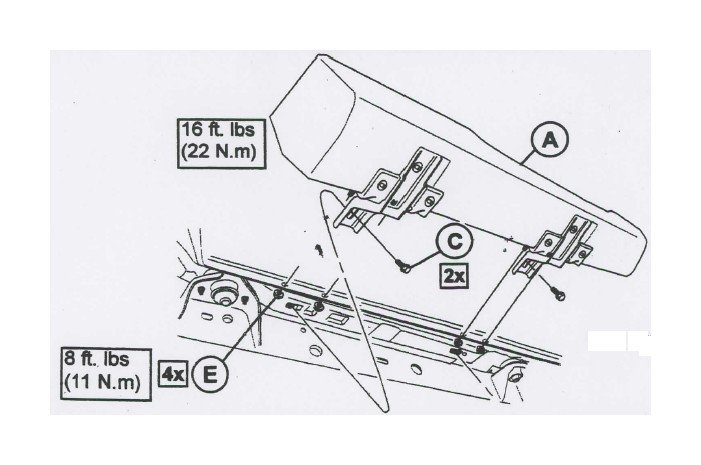
Most kits come with L-shaped brackets that bolt to the body or frame. Use the provided hardware. Hand-tighten bolts first—do not fully tighten yet. This allows for small adjustments.
5. Position The Side Steps
With help (side steps can be heavy and awkward), lift the side step into place. Align it with the brackets.
Insert bolts through the holes, adding washers and nuts as directed.
6. Secure All Bolts
Once the step is aligned and level, tighten all bolts using a ratchet. For final tightening, use a torque wrench to match the torque specs given in your kit’s manual. Over-tightening can damage the brackets.
7. Repeat For The Other Side
Move to the other side and repeat steps 2 6. Some Jeep models (such as four-doors) require different bracket positions for the rear.
8. Final Inspection
Check all bolts to ensure they are tight. Gently step on the new side step to test stability.
If it feels loose, re-check the mounting points and hardware.
Common Mistakes To Avoid
- Using the wrong side step kit: Always match the kit to your Wrangler’s year, body style, and trim.
- Skipping the torque wrench: Proper torque prevents bolts from loosening.
- Missing washers: Washers spread out pressure and prevent damage to your frame.
Real-world Example Installation Times
How long does the installation take? Here’s what Jeep owners report:
| Experience Level | Time (per side) | Total Time |
|---|---|---|
| First-time installer | 45-60 min | 1.5–2 hours |
| Experienced DIYer | 25-35 min | 1–1.2 hours |
| Professional shop | 15-20 min | 30–45 min |

Two Key Insights Beginners Miss
- Rust Prevention: Even if your Wrangler is new, use anti-rust spray or grease on the bolts. This prevents seizing and makes future removal easier.
- Periodic Check: After your first week of driving, re-tighten all hardware. Vibration can loosen bolts, especially after off-road trips.
Practical Tips For A Cleaner Install
- Lay down cardboard to protect your driveway and catch dropped bolts.
- Have a magnet tool ready—side step bolts are easy to drop inside the frame rail.
- If you live in a snowy climate, rinse salt and mud from the side steps regularly to prevent corrosion.
Where To Find Quality Side Steps
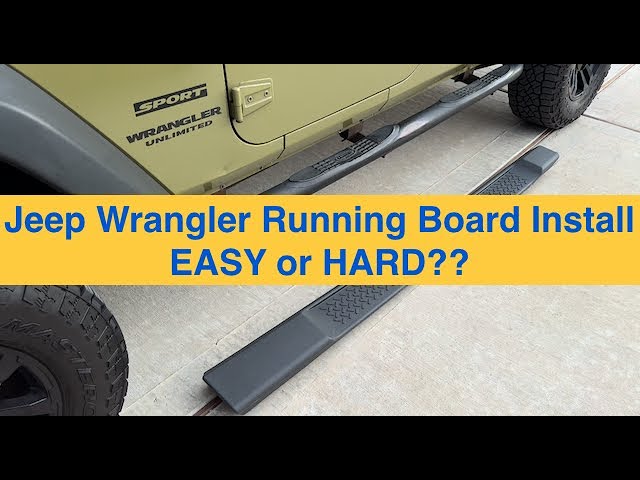
Choose reputable brands like Mopar, Westin, or Smittybilt. Check user reviews on forums like WranglerForum for real-world feedback. For more details on Jeep Wrangler accessories and side steps, visit the official Jeep Accessories page.
A well-chosen and correctly installed side step not only looks great but makes your Wrangler more functional for daily life and adventure.
Frequently Asked Questions
How Much Weight Can Jeep Wrangler Side Steps Hold?
Most quality side steps support 300 to 500 pounds per step. Always check the manufacturer’s rating for your chosen product.
Can I Install Side Steps Alone?
It’s possible but not recommended. Side steps are bulky and heavy. Having a helper makes alignment and lifting much easier and safer.
Do I Need To Drill Holes To Install Side Steps?
For most modern Wranglers, no drilling is needed. Kits use existing factory holes. Always double-check your specific model before buying.
Will Side Steps Fit If I Have Aftermarket Rock Rails Or Sliders?
Usually, you cannot install both at the same time. Some rock sliders double as steps, but standard steps and rails often cannot be used together.
Are Side Steps Good For Off-roading?
Basic side steps offer limited protection. If you do heavy off-roading, consider rock sliders instead—they are stronger and built to handle impacts.