Installing LED lights on your Jeep is one of the most popular upgrades among off-road enthusiasts and daily drivers alike. Whether you want better visibility, a stylish look, or extra safety, Jeep LED lights offer a practical solution.
Many people are surprised at how easy this upgrade can be, even if you have limited experience with car modifications. With some basic tools, careful planning, and the right approach, you can transform your Jeep’s lighting in just a few hours.
This article will guide you step-by-step, share important tips, and explain common mistakes that beginners often make.
Understanding Jeep Led Lights
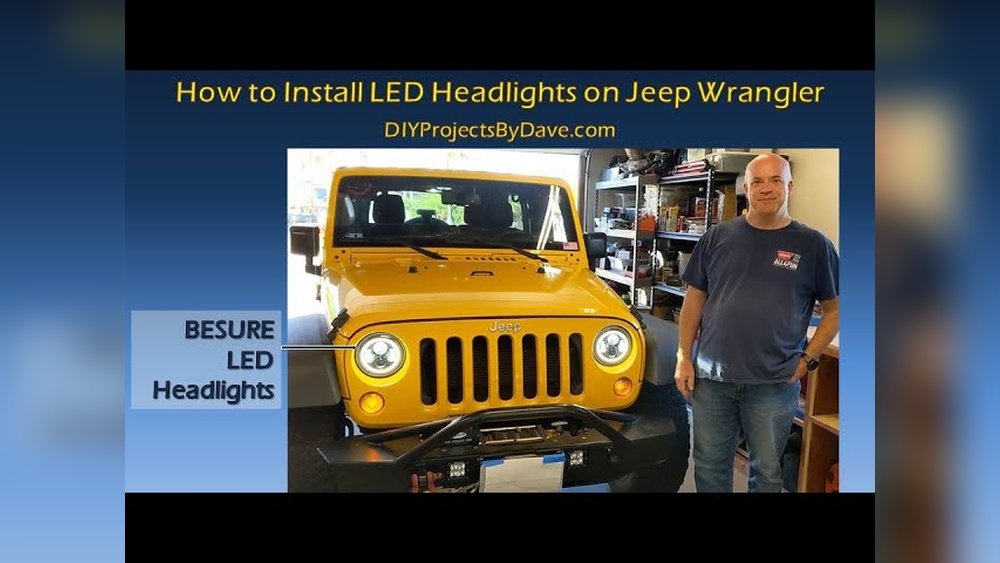
Jeep LED lights come in several types, each serving a different purpose. The most common are headlights, fog lights, light bars, and rock lights. LED lights are much brighter and use less power than traditional halogen bulbs. They also last longer—most LED lights have a lifespan of 20,000 to 50,000 hours, compared to about 1,000 hours for halogen.
Upgrading to LED lights improves your night driving, makes your Jeep more visible in foggy conditions, and can even help you see obstacles on rocky trails. Some LED kits are designed for specific Jeep models, while others are universal. Always check the compatibility before buying.
| Type of LED Light | Typical Use | Average Lifespan |
|---|---|---|
| Headlights | Main driving visibility | 30,000-50,000 hours |
| Fog lights | Low visibility conditions | 20,000-40,000 hours |
| Light bars | Off-road/extra illumination | 30,000-50,000 hours |
| Rock lights | Underbody for trail navigation | 30,000-50,000 hours |
Choosing The Right Led Lights For Your Jeep
Before you start, it’s important to pick the best LED lights for your needs and Jeep model. Here’s what to consider:
- Compatibility: Check the product description to make sure the lights fit your Jeep’s year and model.
- Brightness: Measured in lumens. Standard headlights are around 1,000–3,000 lumens. Off-road lights can reach 10,000 lumens or more.
- Color Temperature: Most LED lights are between 6,000K–6,500K (bright white). Avoid colors that are too blue or yellow unless required.
- Waterproof Rating: Look for IP67 or IP68 ratings. These numbers show how well the lights resist water and dust.
- Warranty and Reviews: Choose brands with good feedback and solid warranties. This helps avoid defects and poor performance.
| Feature | Recommended Value | Why It Matters |
|---|---|---|
| Brightness | 2,000-10,000 lumens | Improved visibility |
| Color Temperature | 6,000K–6,500K | Natural, bright white |
| Waterproof Rating | IP67/IP68 | Protection against elements |
| Warranty | 1–5 years | Peace of mind |
Non-obvious insight: Many beginners overlook the importance of heat dissipation. LED lights generate heat; good models have aluminum housings or built-in fans to keep them cool and extend their life.
Tools And Materials Needed
Gather all tools and materials before you start. This makes installation smoother and prevents delays.
- LED light kit (headlights, fog lights, light bars, or rock lights)
- Screwdrivers (flat and Phillips)
- Socket wrench set
- Wire stripper and crimper
- Electrical tape
- Zip ties (for cable management)
- Drill (if mounting new lights)
- Mounting brackets (often included)
- Protective gloves
- Multimeter (to check connections)
- User manual (for your Jeep and light kit)
Step-by-step Installation Guide
Let’s walk through the installation process for the most common types: headlights, light bars, and rock lights. The steps are similar for fog lights.
Replacing Headlights
- Disconnect the battery: Always start by disconnecting the negative terminal. This prevents electrical shocks and accidental short circuits.
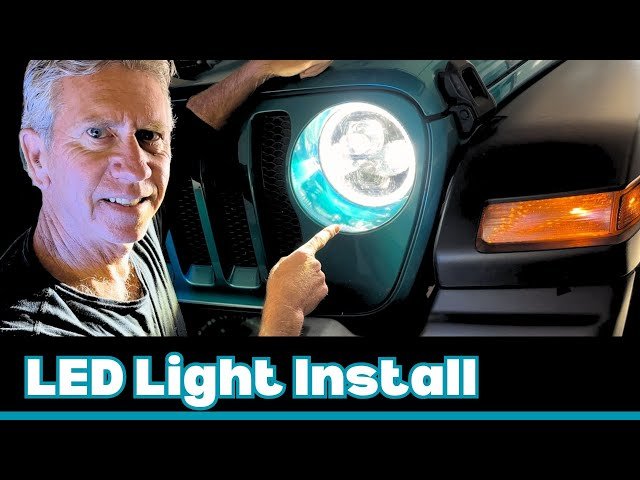
- Remove old headlights: Open the hood, locate the headlight housing, and unscrew the mounting bolts. Carefully pull out the old bulb.
- Install new LED headlights: Insert the LED bulb into the socket. Secure with the mounting bolts and reconnect the wiring harness.
- Test the lights: Reconnect the battery and turn on the headlights. Check for proper alignment and brightness.
- Adjust alignment: Use the adjustment screws to make sure the beam is straight and not blinding other drivers.
Installing A Light Bar
- Mark mounting locations: Decide where you want to install the light bar (roof, front bumper, or hood). Use a marker to outline bracket holes.
- Drill holes: Carefully drill holes at the marked spots. Protect paint from scratches by covering with masking tape.
- Mount brackets: Attach the mounting brackets with bolts. Tighten firmly but avoid overtightening.
- Wire the light bar: Connect the wiring harness to the light bar. Route the wires through the engine bay, avoiding hot or moving parts.
- Connect to power: Wire the lights to the battery or a fuse box. Use a relay and switch for safety and control.
- Test and secure: Switch on the light bar. Use zip ties to secure loose wires and check all connections.
Adding Rock Lights
- Choose mounting spots: Place rock lights under the Jeep’s body, near the wheels and frame.
- Clean surfaces: Wipe mounting areas to ensure a strong bond.
- Install lights: Attach with screws or adhesive pads, depending on the kit.
- Route wires: Run wires along the frame, avoiding sharp edges and moving parts. Use zip ties for neat cable management.
- Connect to power: Wire to the battery or accessory fuse. Test each light before finalizing.
Non-obvious insight: Use a multimeter to check voltage at each light after installation. This ensures all lights receive proper power and helps identify wiring issues early.
Wiring Tips And Safety Precautions
Wiring is often the trickiest part. Many Jeep owners struggle with messy cables or poor connections. Here are some tips:
- Use relays and fuses: Relays protect your Jeep’s electrical system. Fuses prevent damage from short circuits.
- Seal connections: Use heat-shrink tubing or electrical tape to cover exposed wires. This prevents water damage and corrosion.
- Avoid splicing factory wires: Whenever possible, use plug-and-play adapters. This keeps your warranty safe.
- Double-check polarity: LED lights are polarity sensitive. If a light doesn’t work, try reversing the wires.
| Common Wiring Mistake | How to Avoid |
|---|---|
| Loose connections | Crimp connectors tightly |
| Exposed wires | Use electrical tape/heat-shrink |
| Skipping relays/fuses | Always add relays/fuses |
| Poor cable management | Zip tie cables securely |
Testing And Adjusting Your New Led Lights
Once installed, testing is crucial. Turn on each light and check for:
- Brightness: Should be steady and match the expected output.
- Alignment: Headlights and light bars need proper aiming. Misalignment can blind other drivers or reduce your own visibility.
- Functionality: Test switches, remote controls, and dimmers (if available).
If you notice flickering or dim lights, check for loose connections or voltage drops. LED lights often require canbus adapters for newer Jeep models to avoid error messages.
Legal And Safety Considerations
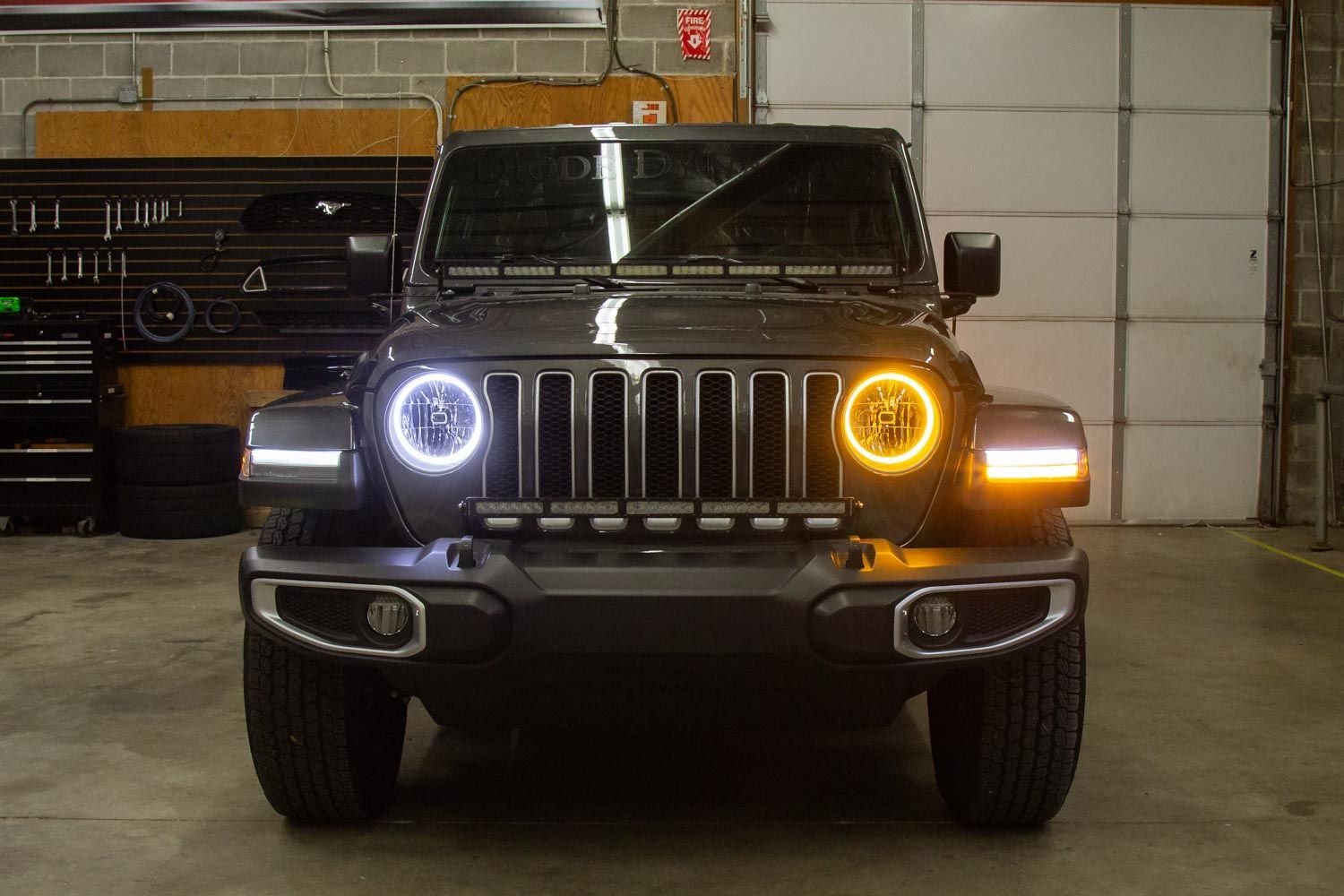
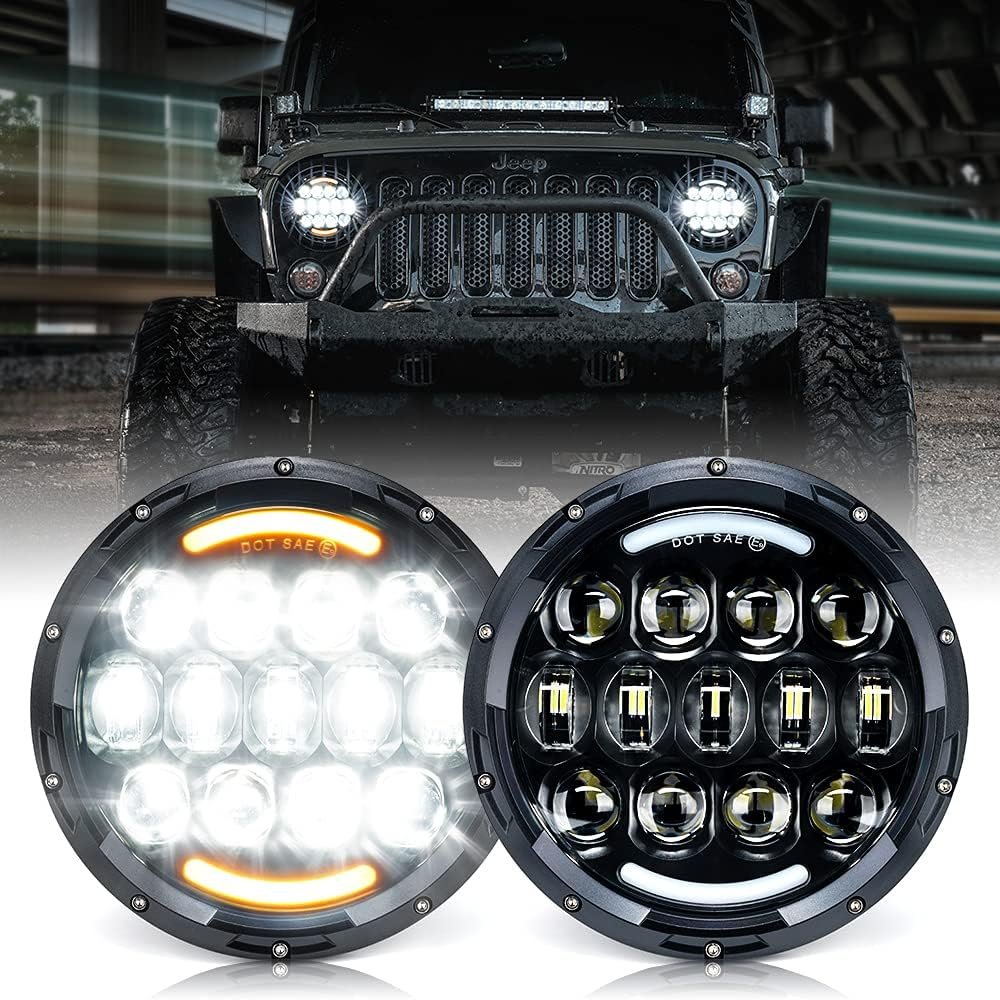
LED lights are powerful, but not all setups are legal. The US Department of Transportation (DOT) regulates headlight brightness and color. Most states allow white or amber lights for headlights and fog lights. Off-road lights and light bars must be covered when driving on public roads.
- Check local laws: Before installing extra lights, check state rules.
- Avoid blinding others: Aim lights downward and away from oncoming traffic.
- Use covers: Some states require covers for unused off-road lights.
Maintenance And Troubleshooting
LED lights need little maintenance, but regular checks help keep them working well.
- Inspect monthly: Look for loose wires, water inside housings, or broken mounts.
- Clean lenses: Dirt and mud can reduce brightness. Wipe with a soft cloth.
- Check for condensation: If water enters, reseal or replace the light.
Troubleshooting tips:
- Flickering: Often caused by loose connections or low voltage.
- One light not working: Check polarity and wiring.
- Error codes: Add canbus adapters if your Jeep’s computer shows errors.
Real-world Example: Jeep Wrangler Led Upgrade
Let’s look at a common upgrade. A Jeep Wrangler owner installed a 20-inch LED light bar and new LED headlights.
The light bar boosted brightness from 3,000 lumens (stock) to over 12,000 lumens, making night trails much safer. The headlights lasted over three years without issues, and the owner reported better visibility in rain and fog.
The project took about three hours, including wiring and mounting.
Cost Comparison: Led Vs Halogen
LED lights cost more upfront, but they save money over time. Halogen bulbs cost $15 $40 each and need replacing every 1 2 years.
LED kits cost $50 $300, but can last five years or more.
| Lighting Type | Initial Cost | Average Lifespan | Replacement Frequency |
|---|---|---|---|
| Halogen | $15–$40 | 1,000 hours | Every 1–2 years |
| LED | $50–$300 | 30,000–50,000 hours | Every 5+ years |
Non-obvious insight: Some drivers forget to factor in labor costs if hiring a professional. DIY saves money, but professional installation costs $100–$500 depending on complexity.
Common Mistakes To Avoid
Many first-time installers make these errors:
- Skipping instructions: Always read both the Jeep manual and LED kit instructions.
- Using wrong tools: This can damage bolts or wiring.
- Ignoring waterproofing: If you off-road, waterproofing is essential.
- Poor wire routing: Wires left loose can get caught or damaged.
- Not testing before final assembly: Always test lights before closing up housings.
Where To Find Reliable Jeep Led Lights
Buy from trusted sources. Official Jeep accessory shops, well-known online retailers like Amazon, and specialist websites are best. Always check reviews and warranty details.
For technical specs and legal information, visit the National Highway Traffic Safety Administration.
Frequently Asked Questions
How Long Do Jeep Led Lights Last?
Most LED lights last between 30,000 and 50,000 hours, depending on quality and usage. This is much longer than halogen bulbs.
Are Led Lights Safe For Off-road Driving?
Yes, LED lights are safer for off-road driving. They provide better brightness, use less power, and are more resistant to vibration and water.
Can I Install Led Lights Myself, Or Do I Need A Professional?
Many Jeep owners install LED lights themselves. If you’re comfortable with basic tools and wiring, it’s a manageable DIY project. For complex setups, professional help is recommended.
Will Led Lights Cause Errors In My Jeep’s Computer?
Some newer Jeeps may show error codes after installing LED lights. Using canbus adapters or plug-and-play kits helps prevent this issue.
Are There Any Legal Restrictions On Led Lights?
Yes, some states restrict the brightness and color of LED lights. Off-road lights and light bars often need covers when not in use on public roads. Always check local laws before installing.
Installing Jeep LED lights is a rewarding upgrade that improves safety and style. With careful planning, the right tools, and attention to detail, you can enjoy brighter nights and safer trails.
Remember to check compatibility, follow instructions, and test your lights thoroughly.
Upgrading your Jeep’s lighting opens up new adventures brighten your journey and drive with confidence.