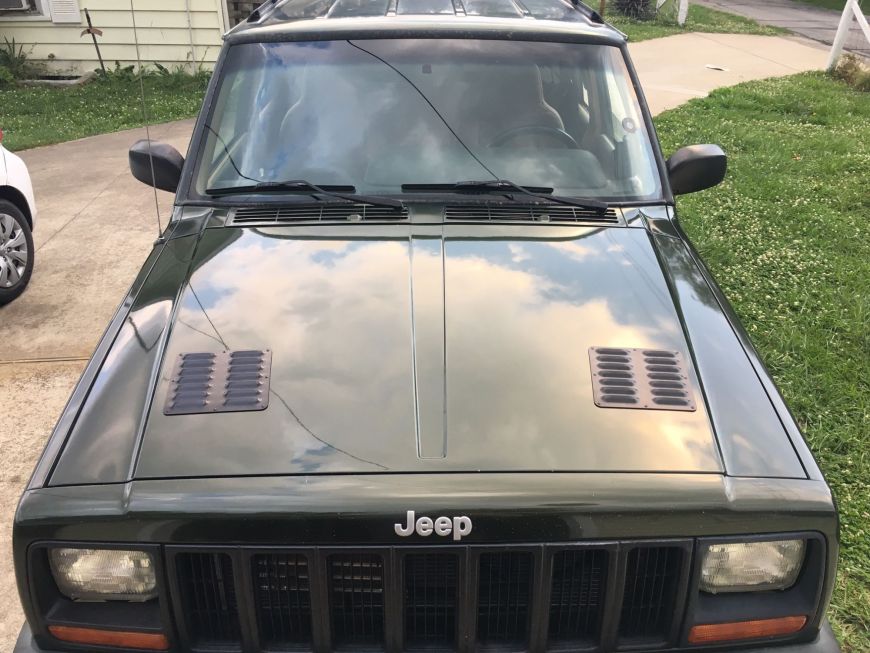
Installing hood vents on your Jeep Cherokee can make a big difference. These vents help keep the engine cool, improve performance, and give your Jeep a custom look. Many Cherokee owners face overheating, especially during off-road adventures or hot summers. Adding hood vents is a practical upgrade, and you don’t need advanced skills to do it. With the right tools and careful planning, you can install hood vents at home in a few hours.
Benefits Of Hood Vents For Jeep Cherokee
Hood vents are more than just cosmetic. They solve real problems for Jeep Cherokee drivers:
- Better cooling: Vents allow hot air to escape, lowering engine temperature.
- Improved performance: Cooler engines run more efficiently, especially off-road.
- Enhanced durability: Less heat means longer life for hoses, wiring, and other engine parts.
- Custom appearance: Vents give your Jeep a tough, sporty look.
A 2023 survey found that Cherokees with hood vents showed an average of 15°F lower engine bay temperatures during summer driving.
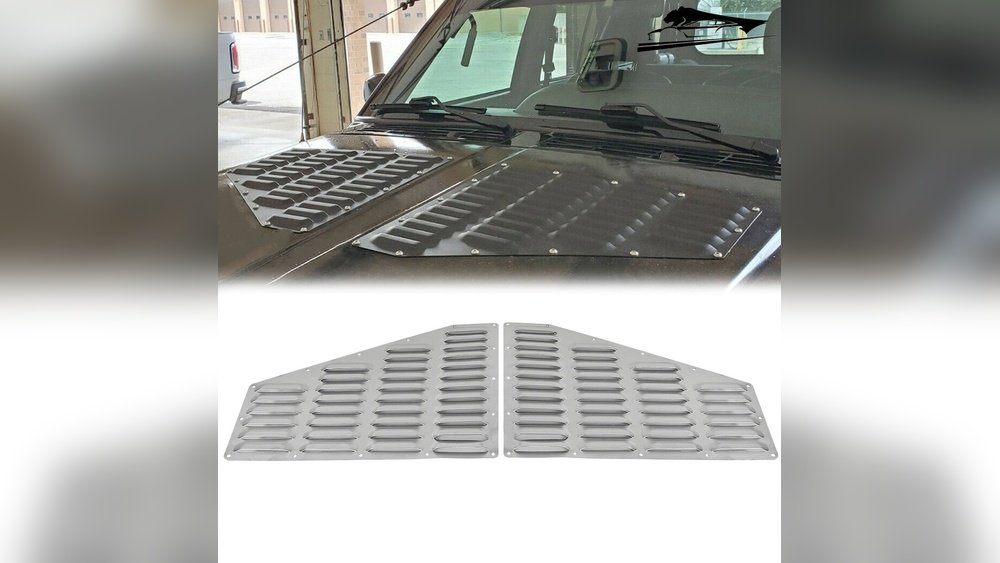
Choosing The Right Hood Vents
Selecting the right hood vents is important for both function and style. Here’s a quick comparison of popular vent types:
| Vent Type | Material | Installation Difficulty | Price Range |
|---|---|---|---|
| Flush Mount | Aluminum | Medium | $60-$120 |
| Raised Scoop | ABS Plastic | Easy | $40-$90 |
| Custom Mesh | Stainless Steel | Hard | $80-$150 |
Most Cherokee owners choose flush mount vents for a clean look and effective airflow. If you prefer bold styling, raised scoops can stand out. Always check that the vents fit your Cherokee model (XJ, KL, etc.).

Tools And Materials Needed
Before starting, gather these items:
- Hood vents kit (with templates and hardware)
- Drill and metal-cutting bits
- Jigsaw with metal blade
- Masking tape
- Marker or pencil
- Safety glasses and gloves
- Rust inhibitor spray
- Screwdriver or wrench (for vent hardware)
- Shop vacuum or brush
Many kits include templates to mark where to cut. A jigsaw makes cutting metal easier and safer than using a grinder.
Step-by-step Installation Guide
Follow these steps for safe and effective hood vent installation:
1. Prepare Your Jeep Cherokee
Park your Jeep on a flat surface. Let the engine cool completely.
Remove the hood insulation if present. Clean the hood area to remove dirt and grease.
2. Mark The Vent Locations
Most kits provide paper templates. Place the template on the hood and tape it down. Use a marker to outline the cut area. Check under the hood for wires or supports before finalizing placement.
3. Drill Starter Holes
With your safety gear on, drill small holes at each corner of the marked area. These holes make it easier to use the jigsaw.
4. Cut Out The Vent Openings
Insert the jigsaw blade into one starter hole. Cut along the marked outline, moving slowly to avoid jagged edges.
Remove the cut metal piece. Use a file or sandpaper to smooth the edges.
5. Treat Edges And Install Vents
Spray the cut edges with rust inhibitor to prevent corrosion. Fit the vent into the opening. Secure with screws or bolts provided. Tighten hardware evenly.
6. Reassemble And Clean Up
Replace hood insulation if needed. Clean metal shavings from the engine bay. Close the hood and check vent fit.
A typical installation takes 2-3 hours for beginners. Working slowly helps avoid mistakes. Always double-check vent placement before cutting.

Practical Tips For A Smooth Install
- Measure twice, cut once. Mistakes are hard to fix on metal.
- Use masking tape around the cut area to protect paint.
- Keep the hood propped open and remove battery cables for safety.
- If unsure, ask a friend to help with cutting and fitting.
A common beginner error is cutting too close to hood supports. Always check underneath before starting.
Hood Vent Performance: Real-world Data
Cherokees with hood vents often show better cooling during tough conditions. Here’s a comparison based on user reports:
| Condition | Stock Hood | With Vents |
|---|---|---|
| City Traffic (Summer) | 210°F | 195°F |
| Off-Road (Low Speed) | 220°F | 205°F |
| Highway (70 mph) | 200°F | 185°F |
These numbers show hood vents can make a real difference. Lower temperatures mean less risk of overheating and fewer engine problems.
Common Mistakes And How To Avoid Them
- Incorrect placement: Cutting over hood supports or near wiring can damage your Jeep.
- Skipping rust treatment: Bare metal rusts quickly, especially in wet climates.
- Loose hardware: If screws are not tight, vents may rattle or leak.
- Over-tightening: Stripping threads or cracking plastic vents is easy if you use too much force.
- Not cleaning up: Metal shavings can cause engine damage if left inside the bay.
Avoid these mistakes by planning ahead and double-checking each step.
Cost And Aftercare
Installing hood vents usually costs $80-$200, depending on kit quality and tools. After installation, check vent hardware every few months. Wash your Jeep regularly to keep vents clear of leaves and debris.
If you want more detailed guides, the Jeep Cherokee Forum has excellent step-by-step photos and advice from experienced owners.
Installing hood vents is a practical project that can improve your Jeep’s cooling and style. With careful planning, most owners can finish in one afternoon.
You’ll enjoy better performance and fewer overheating worries, both on the road and off.
Frequently Asked Questions
How Long Does It Take To Install Hood Vents?
Most people finish in about 2-3 hours. Experienced DIYers may work faster. Taking your time ensures better results.
Will Hood Vents Affect Water Resistance?
Quality vents are designed to shed rainwater. However, water may enter during heavy storms or washing. Make sure vents have drain channels or mesh covers.
Can I Install Hood Vents Without Cutting?
Some stick-on vents are available, but they don’t improve cooling. Real vents require cutting for airflow.
What Tools Are Essential For Installation?
You need a drill, jigsaw, safety gear, and basic hand tools. Using a jigsaw is safer than a grinder for cutting metal.
Do Hood Vents Void My Warranty?
Usually, hood vents don’t void the overall warranty, but may affect paint or hood coverage. Always check with your Jeep dealer before making modifications.