Upgrading your Jeep Grand Cherokee with HID (High-Intensity Discharge) lights can dramatically improve night visibility and give your SUV a modern look. Many owners are surprised at how much brighter HID headlights are compared to the factory halogen bulbs.
If you drive often at night or in poor weather, this is a practical upgrade worth considering.
However, installing HID lights isn’t as simple as swapping out old bulbs. There are technical steps, legal considerations, and a few common pitfalls to avoid.
This article walks you through everything you need to know, step by step.
Understanding Hid Lights
HID lights use xenon gas and an electric arc to produce intense white or blue light. They are much brighter and more energy-efficient than regular halogen bulbs. Most Jeep Grand Cherokees come from the factory with halogen headlights, which are easier and cheaper to produce. By switching to HIDs, you get:
- Up to 3 times more light output
- A whiter, more natural beam
- Longer bulb lifespan
- Reduced energy draw on your electrical system
But not all HID kits are created equal. Some are designed for “plug and play” installation, while others require rewiring or modification.
Always check your Jeep’s model year and headlight style before purchasing.
Choosing The Right Hid Kit
Selecting the right HID kit is critical. Here’s what you need to consider:
Bulb Size
Jeep Grand Cherokees use different bulb sizes depending on model year and trim. The most common are H11, 9006, or D1S. Check your owner’s manual or remove your factory bulb to verify.
Color Temperature
HID kits are rated by color temperature, measured in Kelvin (K). Here’s a quick guide:
| Color Temperature (Kelvin) | Light Appearance | Suitability |
|---|---|---|
| 4300K | Warm White | Closest to sunlight, best for foggy/rainy conditions |
| 6000K | Cool White | Modern look, popular choice |
| 8000K | Blue Tint | Stylish, but less effective in rain/fog |
Most drivers prefer 4300K to 6000K for daily use.
Ballast Quality
The ballast controls the voltage sent to your HID bulbs. Cheap ballasts can cause flickering, bulb failure, or even electrical issues. Look for CANBUS-compatible ballasts, especially for newer Grand Cherokees, to avoid dashboard errors.
Warranty And Brand
Established brands often offer 2-3 year warranties. Avoid no-name kits; they may not last and can damage your headlight wiring.
Legal Considerations
Check your local laws. Some states restrict HID retrofits unless used in projector housings.
Improper installation can blind other drivers and may not pass inspection.
Tools And Materials Needed
Before starting, gather these items:
- HID conversion kit (correct bulb size and color temperature)
- Screwdrivers (flathead and Phillips)
- Socket wrench set
- Electrical tape or zip ties
- Gloves (avoid touching HID bulbs with bare hands)
- Owner’s manual
- Clean microfiber cloth
Optional but helpful:
- Multimeter (for checking voltage)
- Trim removal tool
Step-by-step Installation Guide
Ready to begin? Set aside at least 1-2 hours for a careful install. Park your Jeep on a flat surface, turn off the engine, and disconnect the negative battery terminal for safety.
Step 1: Access The Headlight Housing
Open your hood and locate the headlight assemblies. Depending on your Grand Cherokee’s year, you may need to remove the air intake or battery cover for easier access. Some models allow direct access to the bulb covers, while others require removing a few bolts.
Step 2: Remove Factory Bulbs
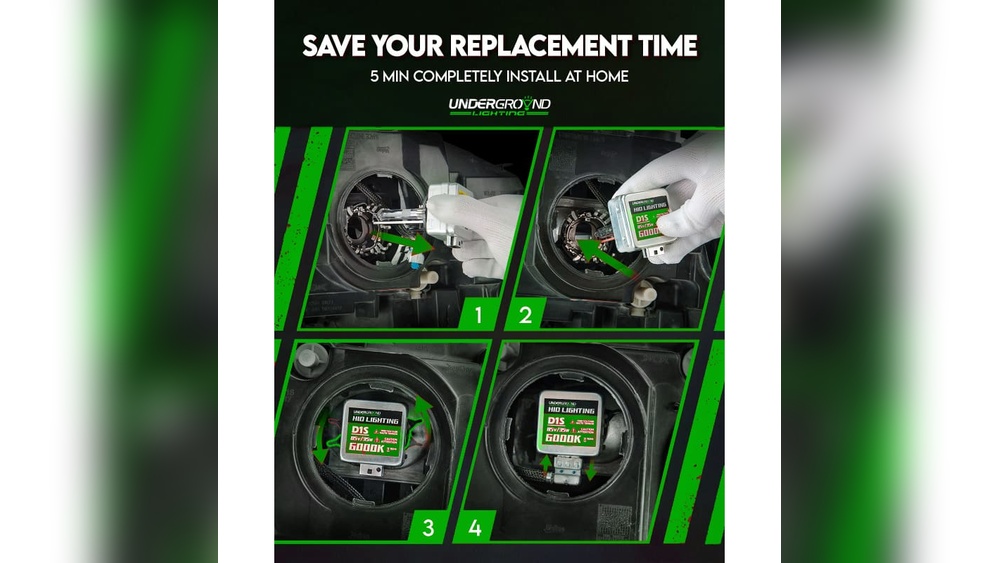
Find the bulb cap at the back of the headlight. Twist and remove it.
Unclip the power connector and gently turn the bulb counterclockwise to remove it. Do not force if it feels stuck, check for extra retaining clips.
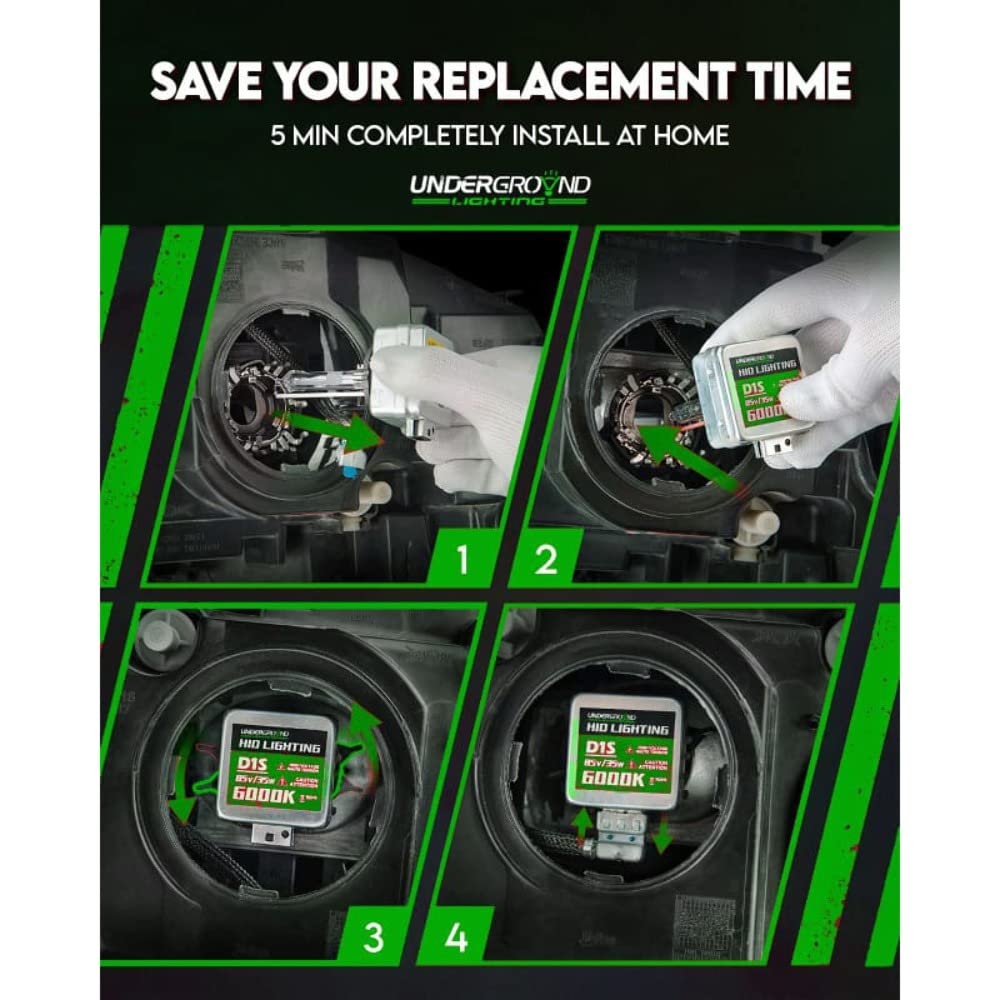
Step 3: Install Hid Bulbs
Carefully insert the HID bulb into the headlight housing. Avoid touching the glass, as oils from your skin can shorten bulb life. Secure the bulb in place, making sure it sits flush.
Step 4: Connect The Ballasts
Attach the HID bulb wires to the corresponding ballast connectors. Most kits have labeled or color-coded plugs. Mount the ballast away from moving parts or high-heat areas using the supplied brackets, double-sided tape, or zip ties.
Step 5: Connect To Vehicle Power
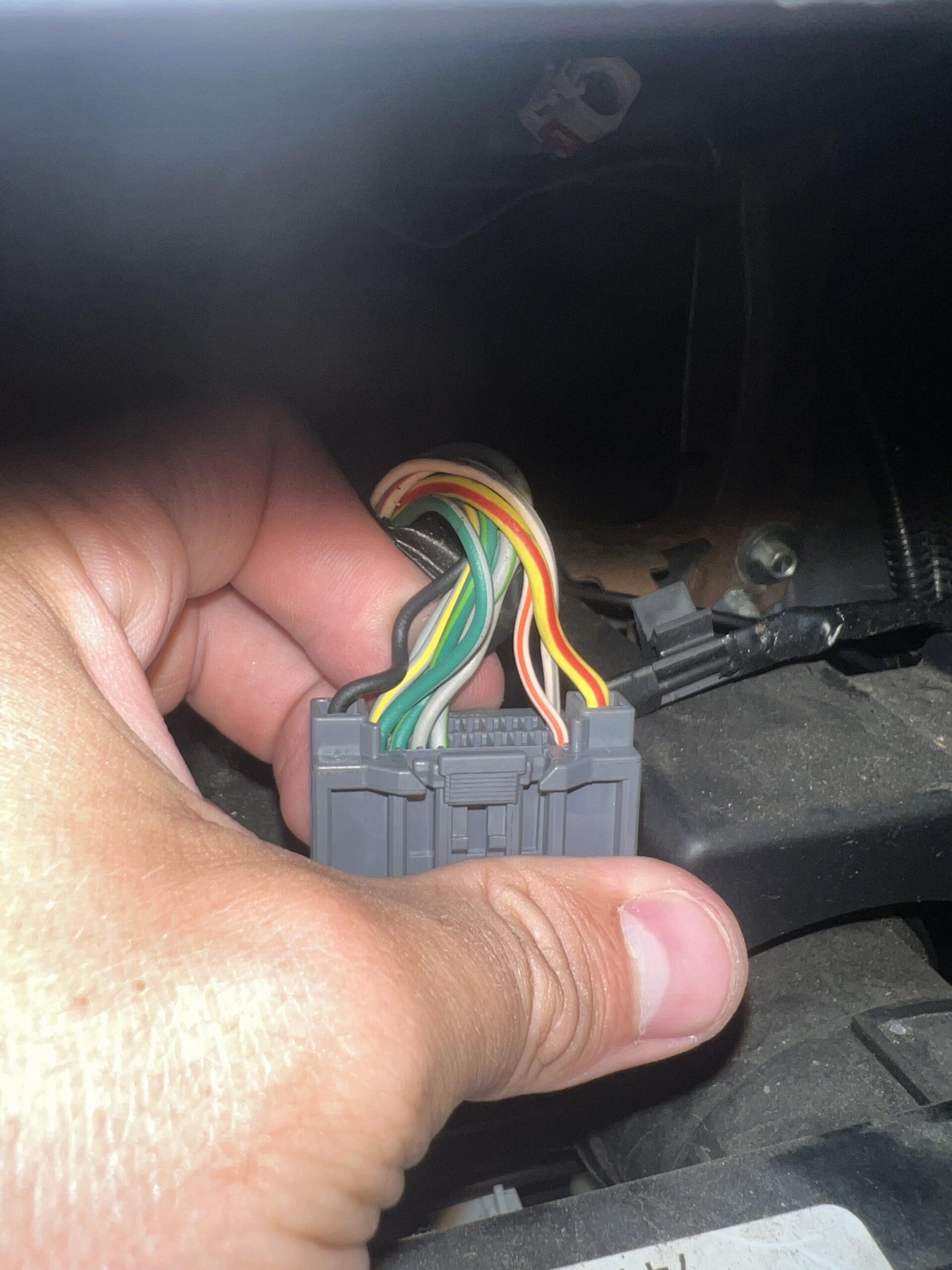
Plug the ballast input into your Jeep’s factory headlight connector. For some models with CANBUS systems, you may need to use the included relay harness or capacitor decoder to prevent dashboard errors or flicker.
Step 6: Test The Lights
Reconnect the battery and turn on your headlights. The HIDs should ignite after a short delay (1-3 seconds).
If one or both lights do not turn on, double-check all connections. If they still don’t work, swap the ballasts to test for a faulty unit.
Step 7: Secure And Reassemble
Neatly tuck away any extra wires and secure them with zip ties or electrical tape. Replace any covers, air intakes, or battery components you removed.
Test your lights one more time before closing the hood.
Step 8: Align The Headlights
Improperly aimed HIDs can blind other drivers. Park about 25 feet from a wall and mark the current beam pattern with masking tape.
Adjust the headlight alignment screws until the new HID beams match the factory pattern.
Common Installation Mistakes
Many beginners run into problems by skipping steps or using poor-quality parts. Here are mistakes to avoid:
- Touching the HID bulb with bare hands.
- Forgetting the relay harness on newer models, causing flickering or errors.
- Mounting the ballast near hot engine parts, leading to early failure.
- Not aligning headlights, which can cause glare and safety hazards.
- Using the wrong bulb size, resulting in a poor fit or light pattern.
Cost And Value Comparison
HID upgrades vary in price. Here’s a quick comparison:
| Kit Type | Average Cost (per pair) | Lifespan (hours) | Light Output (lumens) |
|---|---|---|---|
| Halogen (stock) | $20–$40 | 400–1,000 | 1,000–1,500 |
| HID | $60–$120 | 2,000–3,000 | 3,000–3,500 |
| LED | $90–$180 | 10,000+ | 3,000–4,000 |
While LEDs are another popular upgrade, HIDs offer a unique balance of brightness, price, and beam pattern. For older Jeep Grand Cherokees, HIDs often provide the best night-driving improvement for the money.
Real-world Tips For A Smooth Installation
- Pre-test your kit before installing. Plug in the ballasts and bulbs outside the vehicle to make sure everything works.
- If you notice dashboard warnings, use a CANBUS adapter or error canceler.
- For best results, clean your headlight lenses before and after installation. Yellowed or hazy lenses can reduce HID performance.
- If you upgrade your low beams, consider leaving your high beams as halogen. HID bulbs take a few seconds to reach full brightness, which isn’t ideal for flashing or quick high-beam use.
- Store your factory bulbs in the glove box. If an HID bulb fails during a trip, you can quickly swap back to halogen.
When To Seek Professional Help
If your Jeep has factory projector headlights or complex electrical systems, installation may be more complicated. Some 2014+ Grand Cherokees have built-in anti-flicker modules or sealed housings. In these cases, it’s wise to consult a professional installer or your dealership. Incorrect wiring can damage expensive components or void your warranty.
Hid Vs. Led: Which Is Better For Your Jeep?
This is a common question. Here’s a side-by-side look:
| Feature | HID | LED |
|---|---|---|
| Brightness | Excellent (3,000–3,500 lumens) | Excellent (3,000–4,000 lumens) |
| Warm-up Time | 2–5 seconds | Instant |
| Color Range | Wide (3,000–12,000K) | Wide (3,000–7,000K) |
| Cost | Moderate | Higher |
| Lifespan | 2,000–3,000 hours | 10,000+ hours |
| Compatibility | Best for reflector housings | Best for projector housings |
HIDs are generally better if you want a wide, intense beam and do a lot of highway driving. LEDs offer longer life and instant-on but may require more headlight modification.
Safety And Legal Notes
Brighter headlights are not always better if they are misaligned or not DOT-approved. In some states, using aftermarket HIDs in reflector housings is illegal. You risk failing inspection or being ticketed. Always use a DOT-approved kit and consider swapping to projector housings for the best results. For more on regulations, check out the National Highway Traffic Safety Administration.
How Long Do Hid Bulbs Typically Last?
HID bulbs usually last between 2,000 and 3,000 hours. That’s about 2–4 times longer than most halogen bulbs. However, lifespan depends on ballast quality and how often you use your headlights.
Will Hid Lights Fit My Grand Cherokee Without Modifications?
Most “plug and play” HID kits fit factory halogen housings, but some models may need minor trimming or additional adapters. Always check your owner’s manual and kit instructions before buying.
Why Do My New Hid Lights Flicker Or Show Errors?
This is often caused by the Jeep’s CANBUS electrical system. Installing a relay harness or error canceler usually solves the problem. If not, a professional installer can help.
Are Hid Lights Legal In All States?
Not always. Some states require projector housings or restrict the use of aftermarket HIDs. Check your local vehicle code or ask your mechanic to avoid fines or inspection failures.
Can I Install Hids In My Fog Lights Too?
Yes, but it’s important to use the correct bulb size and color temperature. 4300K is best for fog lights, as blue-tinted bulbs are less effective in poor weather. Make sure the kit is designed for fog light use.
Upgrading to HID lights can make night driving safer and give your Jeep Grand Cherokee a stylish edge. With the right kit and careful installation, you’ll enjoy brighter roads ahead for years to come.