Installing fog lights on a 1997 Jeep Wrangler is a practical upgrade for anyone who often drives in misty, rainy, or low-visibility conditions. While the stock Wrangler is known for its off-road capabilities, it doesn’t always include fog lights as standard equipment. Adding them can improve safety and give your Jeep a more rugged look. If you have basic tools and some patience, you can install fog lights yourself and avoid expensive shop fees. This guide will walk you through every important step, share key tips that many beginners overlook, and help you avoid common mistakes.
Tools And Materials Needed
Before you start, gather all the necessary tools and parts. Having everything ready will save you time and reduce frustration.
Essential tools and parts:
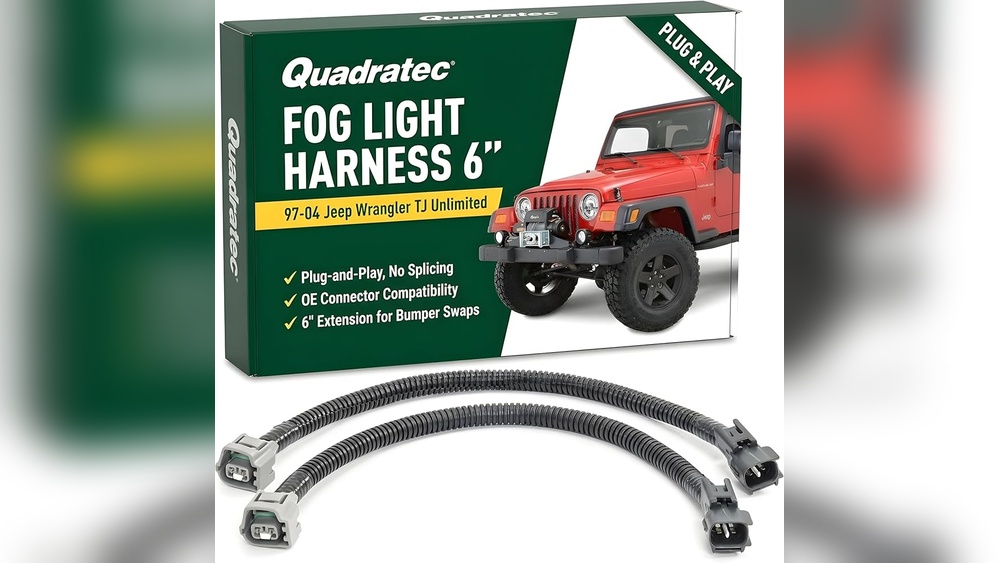
- Fog light kit (designed for 1997 Jeep Wrangler)
- Screwdrivers (Phillips and flathead)
- Socket wrench set (metric and SAE sizes)
- Wire stripper/crimper tool
- Electrical tape
- Relay and wiring harness (usually included in good kits)
- Toggle switch (if not included)
- Zip ties
- Drill (if needed for mounting)
- 12V test light or multimeter
Pro Tip: Double-check your fog light kit. Some kits miss small but crucial parts like brackets or relays. Compare what you have with the instructions before starting.
Choosing The Right Fog Lights
Not all fog lights fit every Jeep. For the 1997 Wrangler (TJ), you want lights that fit the factory bumper or a compatible aftermarket bumper.
Key factors to consider:
- OEM vs. Aftermarket: OEM lights fit perfectly but can cost more. Quality aftermarket lights often offer better brightness and durability for less money.
- Mounting Location: Most 1997 Wranglers have space on the front bumper. Check for existing holes; otherwise, be ready to drill.
- Wiring Harness: Good kits include a harness, relay, and switch. Avoid kits without these, as wiring from scratch is much harder.
Common mistake: Some beginners buy universal fog lights that don’t fit the Wrangler bumper without modifications. Always confirm fitment before purchasing.
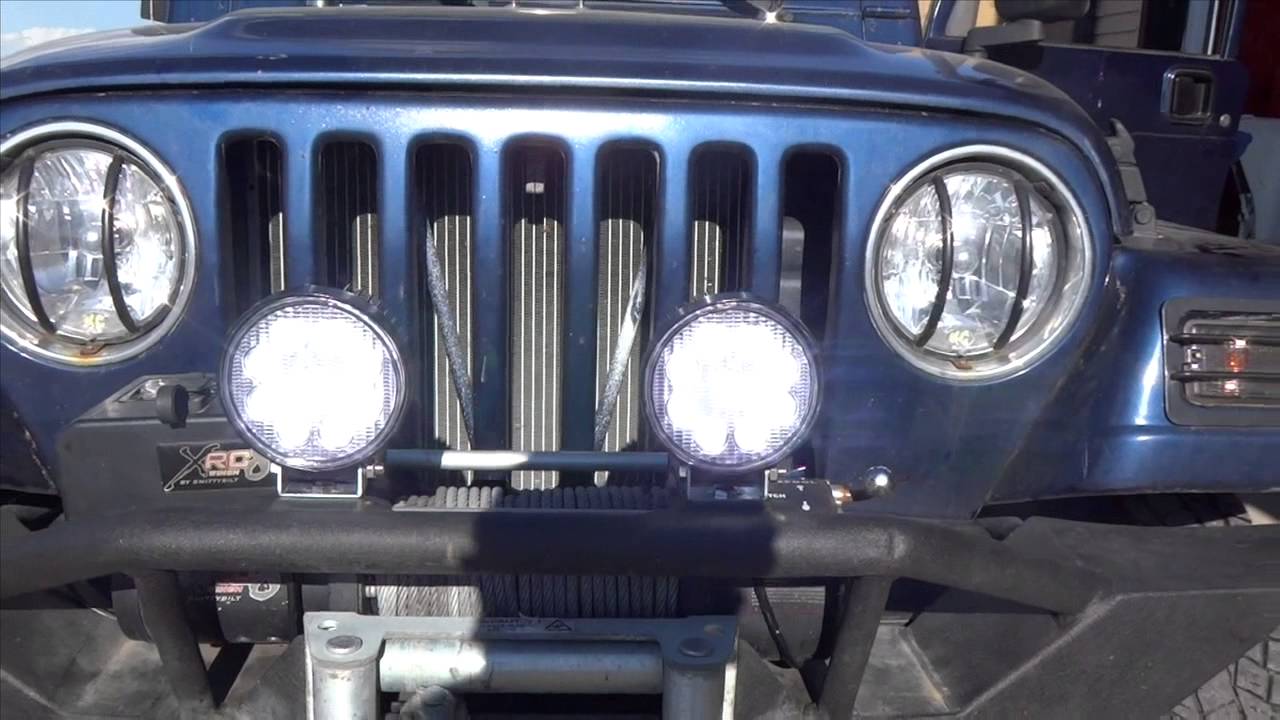
Preparation And Safety
Park your Jeep on a flat surface and set the parking brake. Disconnect the negative (-) battery terminal to prevent any electrical shorts while working.
Tip: Take a photo of your bumper and wiring before starting. This can help if you forget how things should look.
Mounting The Fog Lights
Step 1: Locate Mounting Points
Most 1997 Jeep Wranglers have pre-drilled holes or flat spots on the bumper for fog lights. If your Jeep doesn’t, pick a symmetrical spot near the ends of the bumper, below the headlights.
Step 2: Attach Mounting Brackets
- Hold the bracket against the bumper.
- Mark the hole locations with a marker.
- Drill holes if your bumper doesn’t have them.
- Secure the brackets with bolts and nuts (tighten firmly, but don’t overtighten).
Step 3: Install The Fog Lights
- Attach the lights to the brackets using the supplied hardware.
- Adjust the angle so the light will be low and wide on the road, not pointing up.
- Tighten all bolts.
Insight: Aim the fog lights slightly downward. If they point too high, they can blind other drivers and won’t cut through fog effectively.
Wiring The Fog Lights
Step 1: Plan Your Wiring Route
Route wires away from hot engine parts, sharp edges, and moving components. Use zip ties to secure the wiring.
Step 2: Connect The Relay
A relay allows your fog lights to draw power directly from the battery, keeping the switch from overheating.
- Mount the relay near the battery.
- Connect the relay’s power wire to the positive (+) battery terminal using a ring terminal.
- Connect the ground wire to a clean, unpainted metal surface on the frame.
Step 3: Run Wires To The Switch
- Route the switch wire through the firewall (the metal wall between the engine bay and the cabin).
- Look for a rubber grommet; if none exists, drill a small hole and use a rubber grommet to protect the wire.
Step 4: Install The Switch
- Mount the toggle switch in a convenient spot on the dashboard.
- Connect the switch wire to the relay.
- Connect the other side of the switch to a fused power source (like the fuse box or ignition wire).
Step 5: Connect The Fog Lights
- Run the output wires from the relay to each fog light.
- Use crimp connectors for secure connections, and wrap with electrical tape.
- Attach the ground wires from each light to the frame or bumper.
Step 6: Test The System
- Reconnect the negative battery terminal.
- Turn the switch on and check the fog lights.
- If they don’t work, check your fuse, relay, and all connections.
Non-obvious tip: Test the fog lights with the engine running. Voltage can drop when the engine is off, making lights look dimmer.
Aiming And Adjusting The Fog Lights
Proper aim is essential for safety and effectiveness.
- Park your Jeep 25 feet from a flat wall.
- Measure the height from the ground to the center of the fog light.
- Mark the same height on the wall with tape.
- Turn on the fog lights. The top of the beam should be no higher than the tape mark.
- Adjust the lights as needed.
Insight: Fog lights should create a wide, low “bar” of light. If you see lots of light above the tape, lower the beam.
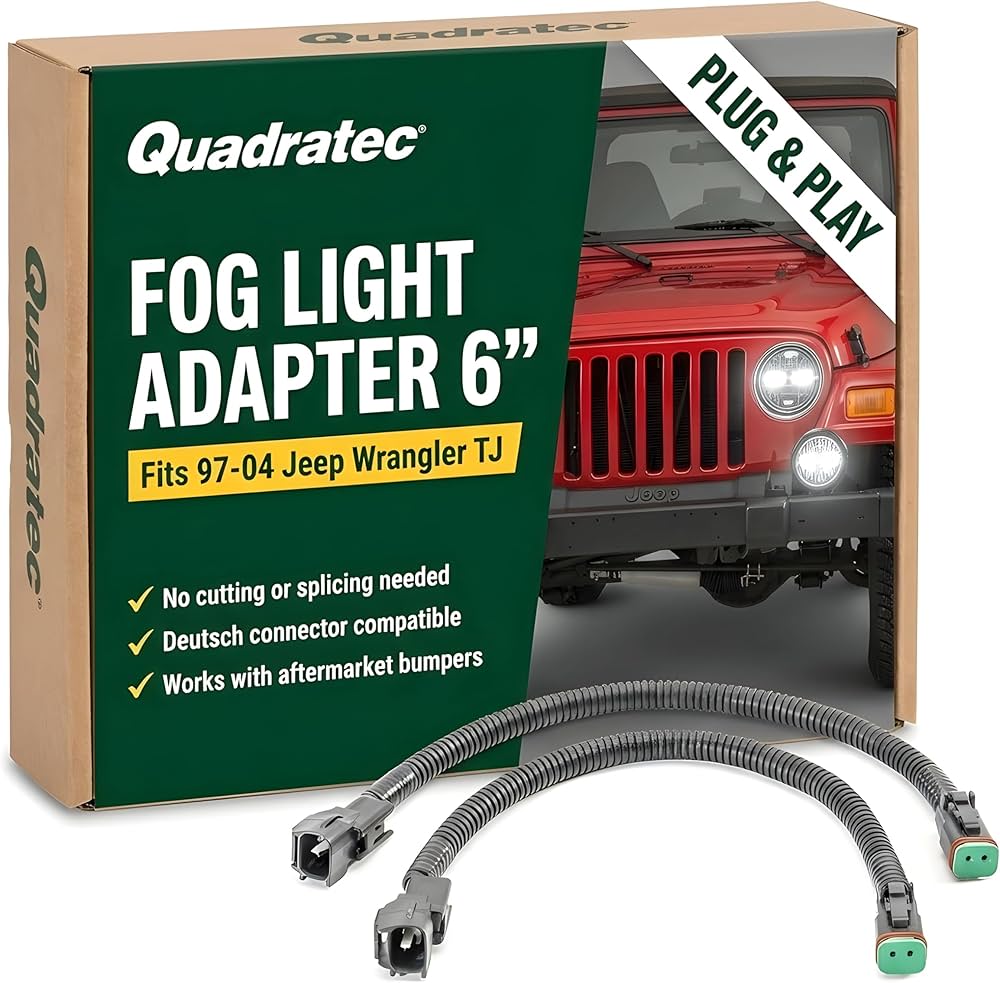
Wiring Options: Factory Switch Vs. Aftermarket Switch
You can use the factory fog light switch if your Jeep has one, or install a new toggle switch.
Factory switch pros:
- Clean look
- Uses existing wiring
Aftermarket switch pros:
- Easy to add
- Often more reliable on older Jeeps
Many beginners try to tap into headlight wiring. This can cause electrical problems or blown fuses. Always use a relay and fuse.
Common Mistakes To Avoid
- Skipping the relay – Running fog lights directly through a switch can cause melted wires.
- Poor grounding – Weak ground connections can cause flickering or dim lights.
- Wrong wire gauge – Thin wires overheat and fail. Use at least 14-gauge wire.
- No fuse installed – Always add an inline fuse near the battery to prevent fires.
Cost And Time Estimates
Average cost: $50–$150 for a good fog light kit.
Time needed: 2–4 hours for most first-time installers.
Tip: Don’t rush. Rushed wiring jobs usually mean trouble later.
Real-life Example: Installation On A 1997 Jeep Wrangler Tj
Alex, a Wrangler owner, installed fog lights in his driveway using a mid-range aftermarket kit. He used the factory bumper holes and finished the job in about three hours. His key advice: “Take your time routing wires, and always double-check your connections before sealing everything up.”
Comparison: Oem Vs. Aftermarket Fog Light Kits
Here’s a side-by-side look at the main differences.
| Feature | OEM Kit | Aftermarket Kit |
|---|---|---|
| Fit | Perfect (factory) | May need minor adjustment |
| Cost | Higher ($120+) | Lower ($50+) |
| Warranty | Usually included | Varies |
| Brightness | Standard | Often brighter |
| Installation | Easier | May require extra steps |
Basic Wiring Diagram
If your kit doesn’t include a diagram, here’s a simple visual reference:
| Component | Connection |
|---|---|
| Battery (+) | To relay power input (with fuse) |
| Relay output | To fog lights (+) |
| Fog lights (-) | To chassis ground |
| Relay trigger | To switch |
| Switch power | To ignition or fuse box |
Tip: If you’re unsure about wiring, check the JeepForum community for diagrams and advice.
Fog Light Maintenance Tips
- Check connections twice a year for corrosion.
- Clean lenses regularly for best light output.
- Replace bulbs as a pair to keep brightness even.
- Seal wiring with heat-shrink tubing if you drive in wet or muddy areas.
Non-obvious insight: Water often enters through the back of the fog light housing, not the front. Seal any gaps with silicone.
Legal Considerations
Most US states allow fog lights, but they must be mounted below the headlights and aimed correctly. Some areas limit the number of auxiliary lights you can use on the road. Check your local laws before installation.
Is It Legal To Install Aftermarket Fog Lights On My 1997 Jeep Wrangler?
In most states, yes, as long as the lights are mounted below the headlights and aimed properly. Always check your local vehicle code for details.
Can I Wire Fog Lights To My High Beams?
Technically you can, but it’s not recommended. Fog lights are for low-visibility conditions, not high-beam use.
Wiring them to high beams can blind other drivers and may be illegal.
Do I Need A Relay For Fog Lights?
Yes. The relay protects your switch and wiring from overheating.
Even low-wattage fog lights can draw more power than a switch can handle safely.
How Long Does It Take To Install Fog Lights?
Most DIYers need 2 4 hours for a careful install. If you’re new to wiring, plan extra time for reading instructions and double-checking connections.
What Should I Do If My Fog Lights Won’t Turn On?
Check the fuse, relay, and all connections. Use a test light or multimeter to confirm you have power at the switch and the lights. Ground connections are a common failure point.
Adding fog lights to your 1997 Jeep Wrangler is a smart upgrade for safety and style. With the right tools and some patience, most owners can complete this project in an afternoon. Always use a relay, aim your lights correctly, and double-check your wiring to ensure a reliable, long-lasting setup. Whether you’re driving through thick fog or just want a more capable look, this DIY project will make your Jeep ready for anything the road (or trail) brings.