Upgrading your Jeep with aftermarket license plate lights is a small change that can make a big difference. Whether you want a brighter look, a modern touch, or simply need to replace old, dim lights, this DIY project is doable for most Jeep owners.
Good lighting not only looks better but also improves visibility and helps you stay legal, since most states require your license plate to be illuminated at night.
In this guide, you’ll learn everything needed to safely install aftermarket license plate lights on your Jeep, including choosing the right lights, gathering tools, step-by-step installation, and tips for avoiding common mistakes. Even if you’re new to car upgrades, you’ll finish with a clean, professional look.
Why Upgrade Your Jeep’s License Plate Lights?
Many Jeeps come with stock halogen bulbs for the license plate area. These bulbs are often dim, yellowish, and wear out faster than modern LEDs. Upgrading to aftermarket LED lights means better brightness, longer life, and lower energy use. You also get a more stylish white or blue-white look, matching other LED upgrades on your Jeep.
Another benefit is increased safety. Brighter license plate lights make your vehicle more visible at night or during bad weather, reducing the risk of getting rear-ended. Plus, most law enforcement officers will pull over cars with burned-out license plate lights, so this upgrade can help you avoid tickets.
What You Need Before You Start
Preparation is key for a smooth installation. Here’s what you need:
- Aftermarket license plate lights (check your Jeep’s year/model for compatibility)
- Basic tools: Phillips and flathead screwdrivers, socket set, and pliers
- Electrical tape and wire connectors (if splicing wires)
- Multimeter or test light (for checking power)
- Panel removal tool (for some Jeep models)
- Gloves (to protect your hands)
Many aftermarket lights are plug-and-play, but some may require wiring. Always check the package details and instructions.
Jeep Model Compatibility
Not all Jeeps use the same lights or wiring. The most popular models for this upgrade are the Jeep Wrangler (JK, JL, TJ) and Jeep Grand Cherokee. Double-check the bulb type and housing style before you buy.
| Jeep Model | Typical Bulb Type | Year Range | Installation Complexity |
|---|---|---|---|
| Wrangler JK | 194 / T10 | 2007-2018 | Easy |
| Wrangler JL | 194 / T10 | 2018-Current | Easy |
| Grand Cherokee | 168 / T10 | 2011-2021 | Moderate |
| Cherokee XJ | 168 | 1984-2001 | Moderate |
Choosing The Right Aftermarket License Plate Lights
Not all license plate lights are created equal. Here’s what to consider:
- Brightness: Measured in lumens. 50–100 lumens is enough for license plates, but some prefer up to 200 for a very crisp look.
- Color Temperature: Most LED bulbs are 6000K (cool white), which matches modern headlights and taillights.
- Waterproof Rating: Look for IP67 or higher to handle rain, mud, and off-road conditions.
- Plug-and-Play vs. Hardwire: Plug-and-play is faster and easier. Hardwire kits may be brighter or have custom shapes, but require more work.
- DOT Compliance: Make sure the product is legal in your state.
A common mistake is buying the wrong bulb size or a non-waterproof kit. Always check your Jeep’s manual or pull out the old bulb to compare before buying.
| Feature | Why It Matters | Recommended Spec |
|---|---|---|
| Brightness | Visibility & Safety | 50–200 Lumens |
| Color Temp | Looks & Matching Other LEDs | 5000–6000K |
| Waterproof | Lasts in All Weather | IP67+ |
| Installation | Ease of Upgrade | Plug-and-Play |
Step-by-step Installation Guide
Upgrading your Jeep’s license plate lights is usually a 30-minute job. Below is a safe, clear process that works for most Jeep models.
1. Disconnect The Battery
Before touching any wires, disconnect the negative battery terminal. This prevents accidental shorts and protects your Jeep’s electrical system.
2. Remove The License Plate And Old Light Housing
- Use a screwdriver to remove the license plate (if it covers the lights).
- Locate the license plate light housing above or beside the plate.
- Carefully pry out the housing using a flathead screwdriver or panel tool. Be gentle—plastic can crack.
3. Remove The Old Bulbs
- Twist the bulb socket counterclockwise to remove it from the housing.
- Pull out the old bulb. Some may need a gentle wiggle.
- Check for corrosion on the socket pins. Clean with a wire brush if needed.
4. Install The New Aftermarket Lights
- If you have plug-and-play LEDs, insert them into the socket.
- If your kit requires wiring, follow the instructions. Usually, you’ll match wire colors (black to black, red to red).
- Use wire connectors for a secure connection, and wrap with electrical tape to seal out water.
5. Test The New Lights
- Reconnect the battery.
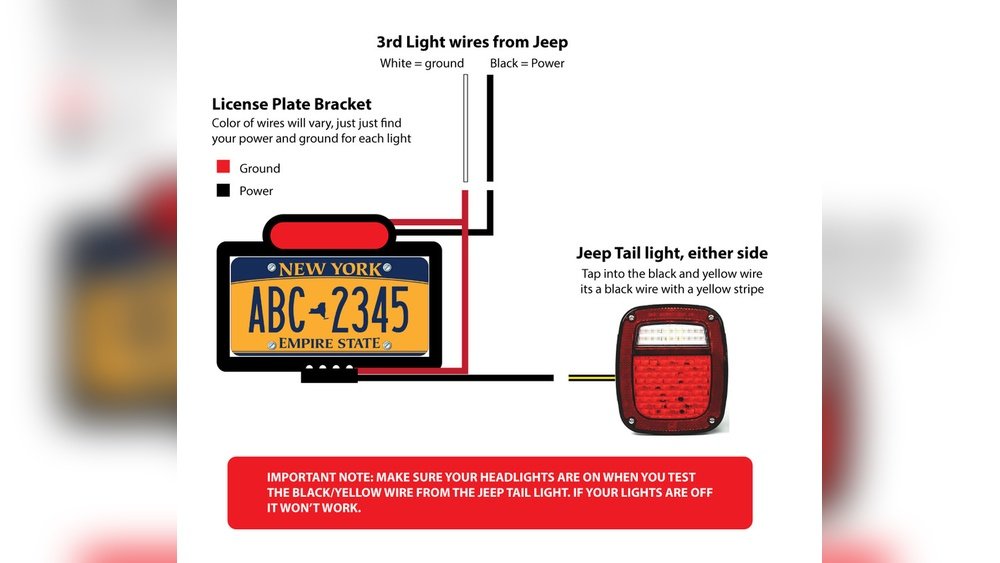
- Turn on your Jeep’s lights to check the new license plate lights. If they don’t turn on, try flipping the bulb (LEDs are polarity sensitive) or check connections with a multimeter.
6. Reinstall The Light Housing And License Plate
- Push the light housing back into place until it clicks.
- Reattach the license plate.
7. Final Check
- Turn your Jeep’s lights on and walk around to confirm the new license plate lights work.
- Check for even illumination and make sure nothing is loose.
Non-obvious tip: Even if only one bulb is out, replace both. LEDs last longer, and this keeps the color and brightness matching.
Common Mistakes And How To Avoid Them
Many DIYers face preventable issues. Here’s how to avoid them:
- Wrong Bulb Size: Always double-check your Jeep’s manual or the old bulb before buying.
- Not Testing Before Reassembly: Test the new lights before snapping the housing back in. It’s easier to fix issues before everything’s closed up.
- Skipping Waterproofing: If you splice wires, use connectors rated for automotive use and cover with electrical tape or heat-shrink tubing.
- Ignoring Polarity: LEDs only work one way. If the light doesn’t turn on, flip the bulb.
- Forgetting to Disconnect the Battery: This can lead to blown fuses or short circuits.
Troubleshooting Installation Issues
Sometimes things don’t go as planned. Here’s how to solve the most common problems:
- New light doesn’t turn on: Check polarity, wiring connections, and fuses.
- Light flickers: Loose socket or poor connection. Reseat the bulb and check for corrosion.
- Error messages on dashboard: Some Jeeps with “CAN bus” wiring may need error-free LED bulbs. These have built-in resistors to prevent warning lights.
- Housing won’t fit: Some aftermarket housings are slightly bigger. Trim plastic gently or buy a different model.
When To Seek Professional Help
If you run into electrical problems you can’t solve, or if the wiring is confusing, it’s okay to ask for help. Professional shops can install the lights for $50 $100, depending on your Jeep model and wiring complexity.
This is a good option if your Jeep has custom bumpers, rear cameras, or aftermarket accessories that make the wiring more complex.
Maintenance Tips For Aftermarket License Plate Lights
After installing your new lights, a little care will help them last longer:
- Wash regularly: Dirt and mud can cover the lights, reducing brightness.
- Check connections yearly: Make sure wires are tight and free from corrosion.
- Replace in pairs: If one LED fails, the other may soon follow.
- Inspect after off-roading: Rocks or branches can damage housings, so check after adventures.
Non-obvious insight: Cheap LEDs can interfere with your Jeep’s radio or cause static. If you notice new interference, try a higher-quality, name-brand bulb.
The Bottom Line
Installing aftermarket license plate lights on your Jeep is a smart upgrade for style, safety, and compliance. With the right tools and this clear guide, most owners can finish the job in less than an hour. Remember to choose lights that fit your Jeep, test connections before reassembly, and use waterproof materials for wiring. These details make a big difference in how your upgrade looks and lasts.
For more guidance and Jeep-specific technical details, the official Jeep Accessories site provides compatible parts lists and installation videos.
Frequently Asked Questions
How Do I Know If Aftermarket License Plate Lights Are Legal In My State?
Most US states require your license plate to be clearly visible at night with white light. Colored or blinking lights are usually not allowed. Always choose DOT-approved white LEDs to avoid tickets.
Can I Install Aftermarket License Plate Lights If My Jeep Has A Rear Camera Or Sensors?
Yes, but you may need to remove or loosen the camera bracket to access the lights. Take care not to damage camera wiring, and check that the camera view is clear after reassembly.
Do I Need Special Tools To Install Led License Plate Lights On My Jeep?
For most Jeeps, basic tools like screwdrivers and pliers are enough. A panel removal tool helps avoid scratches.
If your kit requires wiring, you might need a wire stripper/crimper and electrical tape.
Why Do My New Led License Plate Lights Flicker Or Cause A Dashboard Error?
Some Jeeps have a CAN bus system that detects bulb changes. If your LEDs flicker or trigger a warning, look for CAN bus error-free bulbs. These have built-in resistors and solve most issues.
How Long Do Aftermarket License Plate Leds Typically Last?
Quality LED license plate lights can last 30,000–50,000 hours—much longer than halogen bulbs. Choose reputable brands for best results, and avoid cheap, unbranded LEDs that may fail early.