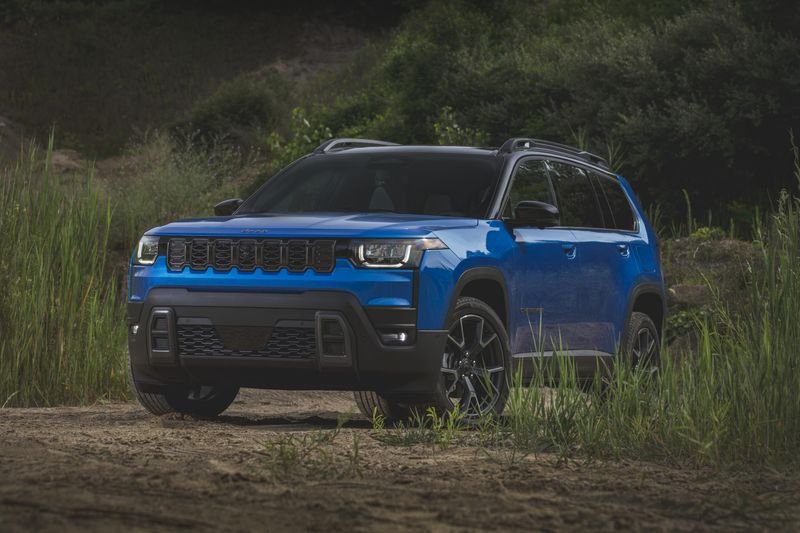
Installing a hitch on your Jeep Compass is a practical way to boost its versatility. With a hitch, you can tow small trailers, mount bike racks, or carry extra cargo.
Many Jeep Compass owners are surprised to learn that the process is straightforward and can be done with basic tools.
If you’re thinking about adding a hitch to your vehicle but aren’t sure where to start, this guide will walk you through every step.
What You Need Before Starting
To install a hitch on a Jeep Compass, gather these tools and materials first:
- Socket set (usually 11/16” or 17mm sockets)
- Torque wrench
- Ratchet
- Safety glasses and gloves
- Spray lubricant (like WD-40)
- Flathead screwdriver
- Jack stands or ramps
- Hitch kit (compatible with your Compass’s year and trim)
Most hitches include hardware and instructions, but always double-check compatibility with your specific model year. For example, 2017 2023 Compass models have similar underbody designs, but bolt holes can vary.
Step-by-step Hitch Installation
1. Prepare Your Jeep Compass
Park on a flat, level surface. Engage the parking brake and place wheel chocks behind the rear wheels.
If you need more space, use jack stands or ramps to lift the rear end a few inches. Never rely on a car jack alone for support.
Clear the area under the bumper. Remove any plastic covers or plugs from the hitch mounting holes using a flathead screwdriver.
Spray the bolts and mounting points with lubricant to loosen dirt and rust.
2. Position The Hitch
With help (the hitch can be heavy), lift the hitch receiver into place. Align the hitch’s holes with the pre-drilled frame holes on your Compass. Most hitches are designed to fit snugly, but you may need to adjust slightly to line up the bolts.
3. Bolt The Hitch In Place
Hand-thread each mounting bolt to avoid cross-threading. This ensures you can adjust the hitch’s position before fully tightening. Once all bolts are started, use a ratchet to snug them down gradually, alternating sides to keep the hitch even.
Here’s a quick comparison of typical bolt torque specs for different hitch classes:
| Hitch Class | Torque Spec (ft-lbs) | Jeep Compass Fit? |
|---|---|---|
| Class I | 50–60 | Yes |
| Class II | 75–85 | Yes |
| Class III | 90–110 | Some models |
For most Compass models, a Class II hitch offers the best balance between strength and ease of installation.
4. Tighten Bolts To Specification
Using a torque wrench, tighten each bolt to the manufacturer’s specified value. Do not guess—over-tightening can damage the frame, while under-tightening is unsafe. The installation manual will specify the exact torque.
5. Check Clearance And Reinstall Covers
Inspect the hitch from all angles. Make sure it’s centered and doesn’t touch the bumper or exhaust.
If you removed any underbody covers or plugs, reinstall them now. The hitch should sit just below the bumper and not interfere with other components.
Here’s a basic comparison of ground clearance before and after hitch installation:
| Measurement Point | Before Hitch (inches) | After Hitch (inches) |
|---|---|---|
| Rear Center | 9.0 | 8.5 |
| Side Under Bumper | 8.7 | 8.2 |
Most Compass hitches reduce clearance by about half an inch rarely an issue for normal driving.
6. Test The Hitch
Give the hitch a firm shake to ensure it’s solid. If possible, attach your accessory (like a bike rack) and verify that everything fits and clears the bumper.
Never tow or carry loads until you’ve double-checked every bolt.

Tips For A Smooth Install
- Clean threads before installing new bolts. Rust or debris can weaken your setup.
- Have a helper ready. Hitches can weigh 25–40 pounds, making solo installation tricky.
- Don’t skip the torque wrench. Hand-tight is not safe for towing loads.
- Take a photo of your work. Insurance or warranty claims may require proof of proper installation.
A common mistake is using the wrong hitch class. For the Jeep Compass, Class I and II hitches are safest Class III is overkill for most needs and can add unnecessary weight.
Safety And Legal Notes
Always check your state’s towing laws. Some regions require safety chains or extra lighting when towing. Also, remember your Jeep Compass’s maximum towing capacity (often 2,000 lbs for newer models). Overloading can void your warranty and lead to accidents.
If you plan to wire trailer lights, you may need a separate wiring harness. This usually connects to the tail light assembly.
If you’re not comfortable with vehicle wiring, consider professional help.
Choosing The Right Hitch For Your Compass
Not all hitches are the same. Here’s a quick look at types that fit the Jeep Compass:
| Hitch Type | Max Load (lbs) | Best Use |
|---|---|---|
| Class I | 2,000 | Bikes, cargo racks |
| Class II | 3,500 | Small trailers |
| Class III | 5,000 | Heavier loads (rare for Compass) |
For most drivers, a Class II hitch covers all typical needs.
When To Ask For Professional Help
While DIY installation saves money, it’s not for everyone. If you’re unsure about torque specs, have limited tools, or notice frame rust, a certified mechanic can help.
Many auto shops will install a hitch for $100 $200 labor plus parts, ensuring it meets all safety standards.
For official installation instructions, you can check the Jeep Accessories site.
Adding a hitch to your Jeep Compass is a smart upgrade. With careful installation and the right tools, you’ll enjoy new adventures and greater flexibility.

Frequently Asked Questions
Can I Install A Hitch On A Leased Jeep Compass?
Yes, but check your lease terms. Some require dealer installation or removal before returning the vehicle. Always keep the original parts.
Does Installing A Hitch Void The Jeep Compass Warranty?
No, using a compatible, properly installed hitch will not void your warranty. Improper installation or overloading, however, can cause problems.
What Size Receiver Does A Jeep Compass Hitch Use?
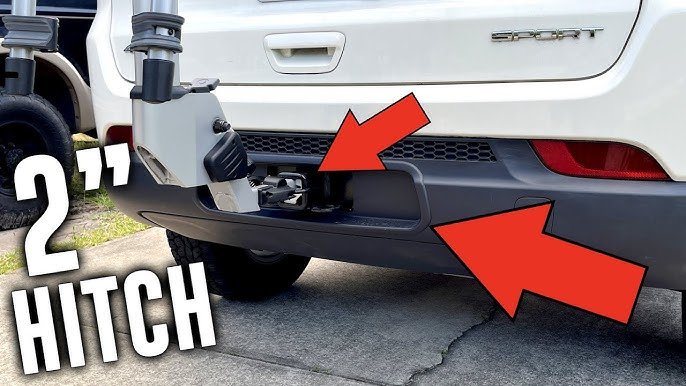
Most Compass hitches use a 1.25-inch or 2-inch receiver. Check your accessory’s compatibility before buying.
How Long Does Hitch Installation Take?
For most DIYers, installation takes 45–90 minutes. Professional shops may finish in under an hour.
Do I Need To Rewire My Lights For A Hitch?
Not for the hitch itself, but if you plan to tow a trailer, you’ll need a wiring harness for brake and turn signals. This is a separate step from hitch installation.