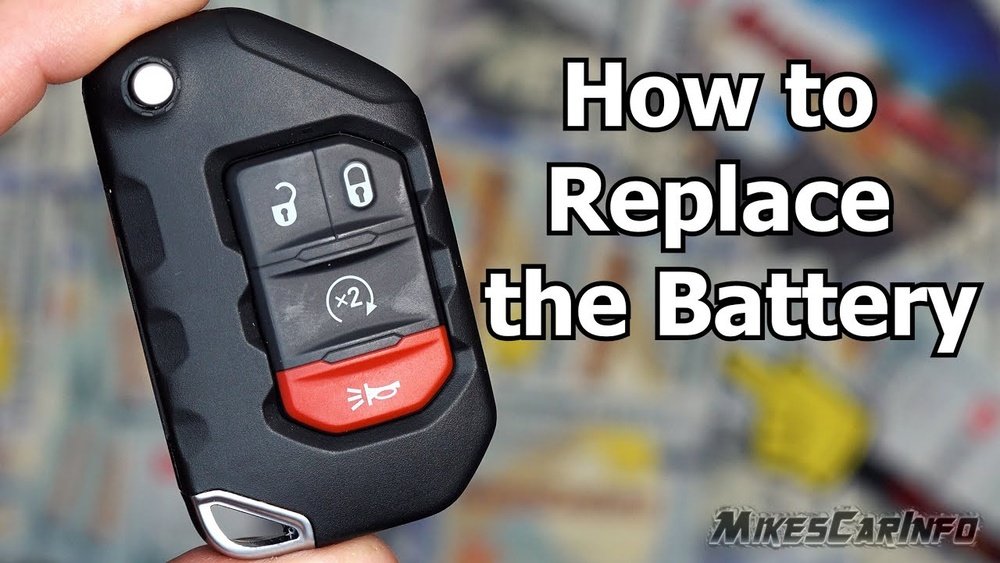
Buying a used Jeep can be exciting, especially if you love adventure and off-road driving. But used Jeeps often hide problems beneath their tough exterior.
Many buyers miss costly issues during inspections, leading to expensive repairs later. If you want to avoid surprises, you need to check carefully for hidden damage before paying.
This guide explains how to inspect a used Jeep, so you make a confident and smart decision.
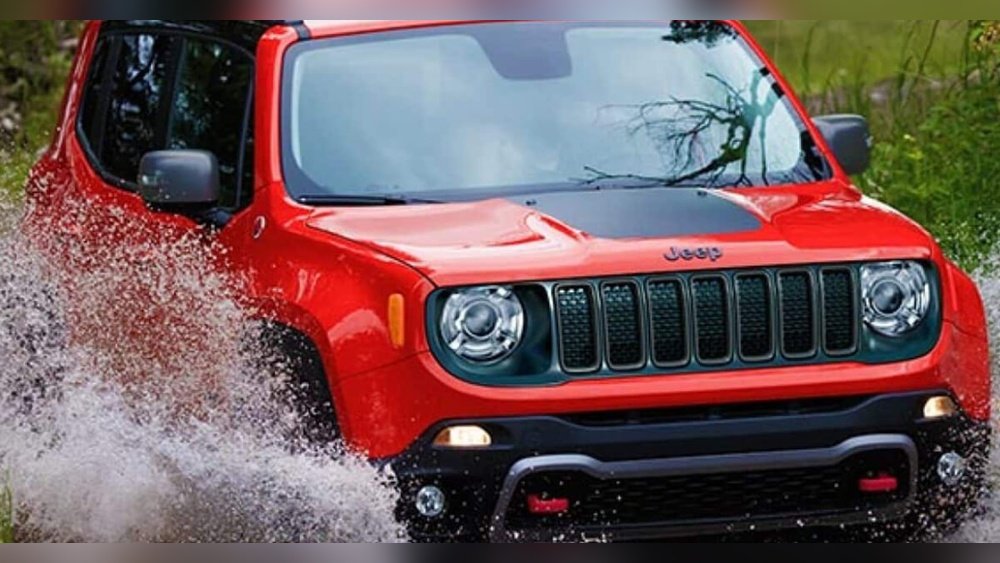
Exterior Inspection
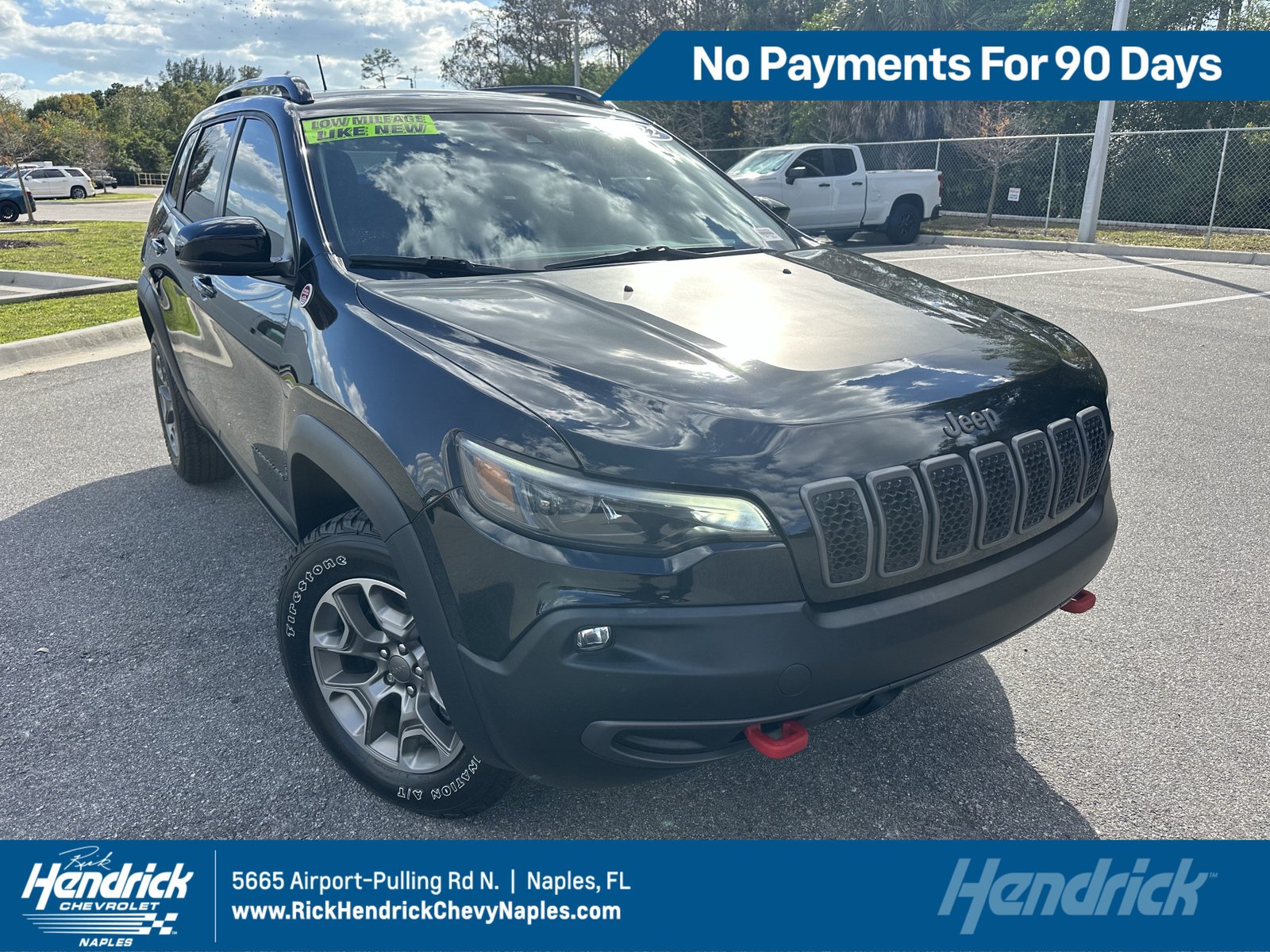
Start with a slow walk around the Jeep. Look for signs that the vehicle was in an accident or driven off-road. Pay close attention to:
- Paint mismatches: Different shades or texture on panels may mean repairs.
- Rust spots: Especially on the frame, door edges, under fenders, and hinges. Surface rust is common, but deep rust threatens safety.
- Body dents and scratches: Minor marks are normal, but look for dents in strange places. Large dents or ripples near doors or the hood could signal past collisions.
Check the glass for cracks, chips, or fogging. Examine the headlights and taillights for moisture inside, which often means leaks.
Comparing Rust Severity
Here’s a simple table to help you judge rust:
| Rust Type | Location | Impact |
|---|---|---|
| Surface Rust | Body panels | Cosmetic, easy fix |
| Deep Rust | Frame, undercarriage | Structural, costly repair |
| Rust Holes | Floor, wheel wells | Dangerous, major concern |
Under The Hood
Open the hood and check the engine area. Look for signs of leaks, corrosion, or improper repairs.
- Oil leaks: Inspect around the engine block, oil pan, and under the vehicle.
- Coolant leaks: Green or orange stains around hoses and radiator.
- Battery corrosion: White powder or rust on terminals.
- Belts and hoses: Check for cracks or bulges.
Ask the seller about maintenance history. A Jeep with regular oil changes and tune-ups is usually more reliable.
Comparing Engine Issues
Use this table to help spot trouble:
| Symptom | Possible Cause | Repair Cost |
|---|---|---|
| Blue smoke | Burning oil | High |
| Sweet smell | Coolant leak | Medium |
| Clicking noise | Valve issue | Medium to high |
Frame And Suspension
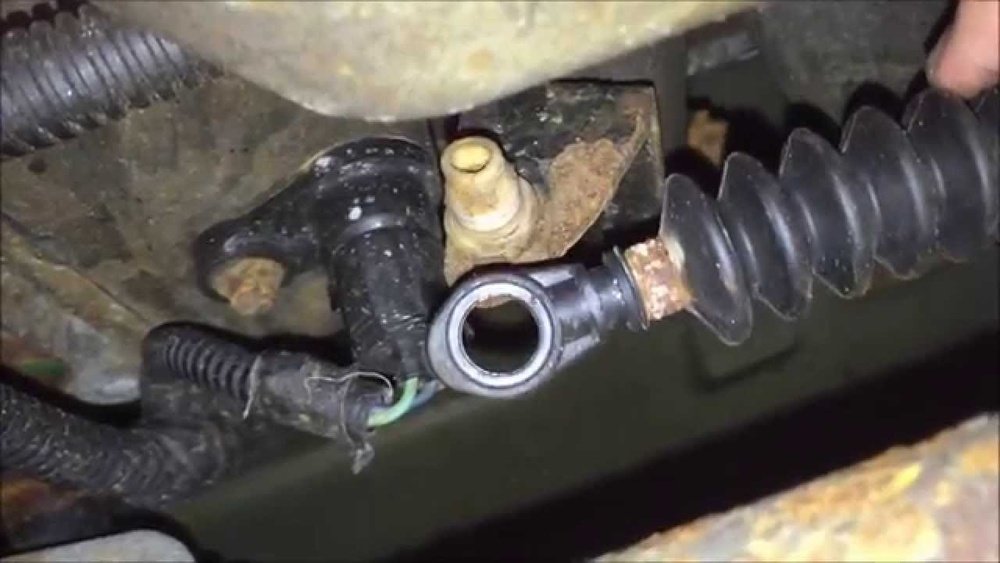
Jeeps are often driven off-road, so the frame and suspension may suffer. Crawl under the vehicle if possible.
- Bent frame: Look for uneven gaps between body panels. Measure wheel alignment if you can.
- Suspension wear: Check shocks and springs for leaks or damage.
- Steering components: Wiggle the steering wheel. Excess play means worn parts.
Many buyers ignore the frame, but deep rust or bends can make a Jeep unsafe to drive.
Off-road Use Vs. Daily Use
Jeeps are built for both city and rough terrain. Here’s a comparison:
| Usage | Common Damage | Inspection Focus |
|---|---|---|
| Off-road | Scrapes, bent frame, suspension wear | Undercarriage, suspension |
| Daily use | Minor dents, tire wear | Body, tires |
Interior And Electronics
Sit in the Jeep and test every feature.
- Seats and carpets: Look for stains, rips, or mold. Water damage may signal leaks or flood history.
- Dashboard lights: Turn the key and check if all lights work. Warning lights that stay on can mean trouble.
- Windows and locks: Test for smooth operation.
- Air conditioning and heater: Run both to check for unusual smells or noises.
Some Jeeps have removable tops or doors. Inspect seals and latches for wear.
Test Drive
Never skip the test drive. Drive on different roads and listen for odd sounds.
- Transmission: Check for smooth shifts. Jerks or delays signal problems.
- Brakes: Test for quick response. Listen for grinding or squealing.
- Steering: Should feel steady and precise. Wandering or vibration is a red flag.
Try sharp turns and quick stops. Watch for warning lights or changes in performance.
Non-obvious Tips For Jeep Buyers
- Check for aftermarket parts: Many Jeeps have custom parts. While they look cool, poorly installed modifications can hide damage or change safety.
- Inspect the VIN and paperwork: Make sure the VIN on the frame matches the documents. Some sellers swap parts after an accident, which can cause legal or insurance trouble.
- Look for flood damage: Jeeps used for off-roading may cross streams. Check under seats and carpets for mud or unusual smells.
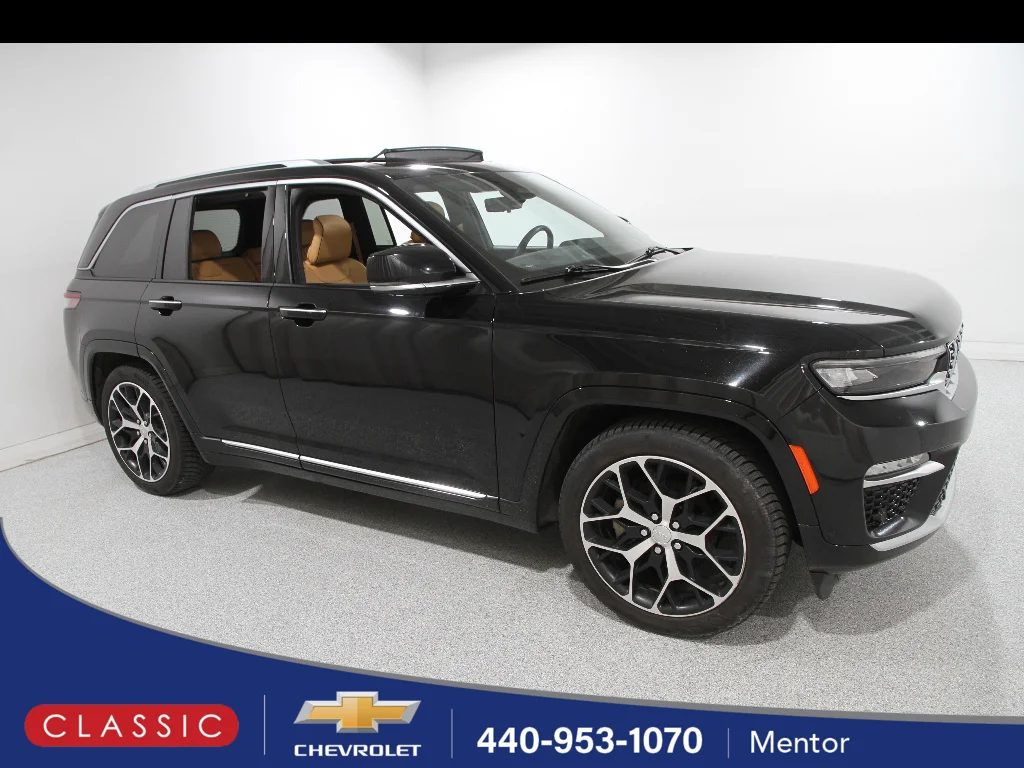
Common Mistakes To Avoid
- Trusting photos alone. Always inspect in person.
- Ignoring frame rust, which is more dangerous than body rust.
- Skipping a test drive, especially off-road if possible.
- Not verifying maintenance records.
If you’re unsure, hire a mechanic for a full inspection before buying.
Frequently Asked Questions
How Can I Tell If A Jeep Was Used Off-road?
Look for scratches on the undercarriage, worn suspension, and mud residue in hard-to-clean places. Off-road use often leaves hidden marks underneath.
Is Frame Rust A Deal-breaker?
Deep frame rust is serious. It can weaken the Jeep and make it unsafe. Surface rust is common, but holes or flaking metal should make you reconsider.
What Paperwork Should I Ask For?
Request the title, maintenance records, and accident history. Always check if the VIN on the Jeep matches the documents.
Are Aftermarket Parts Bad?
Not always, but aftermarket parts may hide damage or change safety. Ask who installed them and check for professional work.
Should I Use A Mechanic For Inspection?
If you don’t know what to look for, hiring a mechanic is smart. They can spot hidden damage and save you money.
Inspecting a used Jeep takes time and attention. If you follow these steps, you’ll spot hidden damage and avoid costly mistakes. Always trust your instincts and don’t rush. For more details on Jeep maintenance and care, visit Jeep Official Site. A careful inspection means you can enjoy your Jeep adventure with confidence.