If you drive a Jeep Wrangler, you know it’s not famous for great fuel economy. Still, many owners want more miles per gallon (mpg) without losing what makes the Wrangler special its rugged power and off-road fun.
The good news is, you can improve mpg with the right steps.
Let’s see what really works, why it matters, and how small changes can add up to real savings at the gas pump.
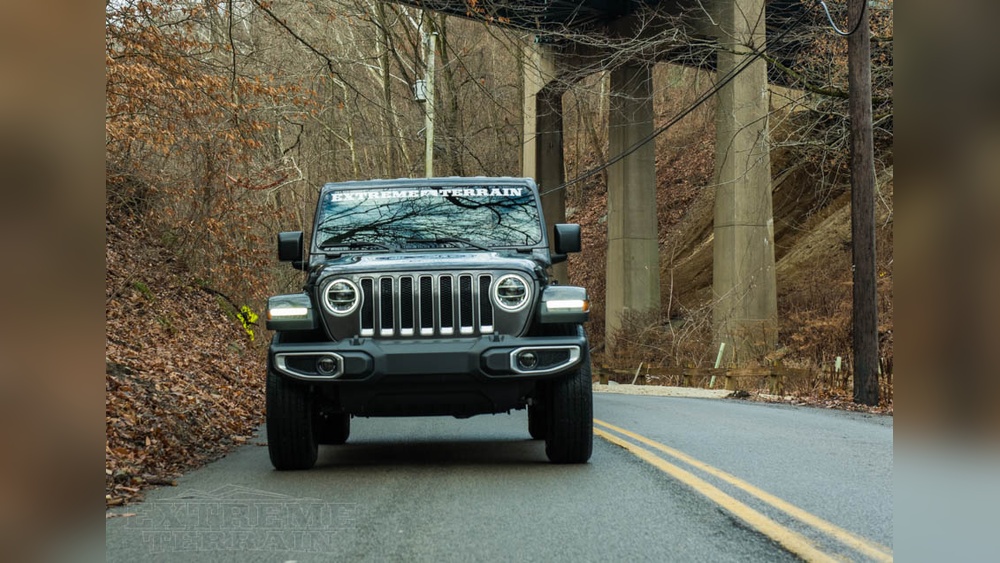
Why Jeep Wrangler Mpg Is Lower Than Most Suvs
The Jeep Wrangler is made for tough terrain, not highway cruising. Its boxy shape, heavy frame, and off-road tires all increase wind resistance and rolling drag. A 2022 Wrangler Unlimited with the V6 engine gets about 20 mpg city and 24 mpg highway. That’s less than many midsize SUVs.
But you’re not stuck with low numbers. Changing how you drive, maintain, and modify your Wrangler can push mpg higher, sometimes by 10 20%.
Top Ways To Increase Mpg On Your Jeep Wrangler
Many drivers focus only on one thing, like tires or oil. But real results come from combining several strategies. Here’s what makes the biggest difference:
1. Keep Tires Properly Inflated
Low tire pressure means more resistance, making your engine work harder.
- Check tire pressure at least once a month.
- Use the recommended pressure listed on your Jeep’s door sticker—usually 35 PSI for stock tires.
- Overinflated tires are unsafe, so always stay within the range Jeep suggests.
2. Choose The Right Tires
Big mud tires look great, but they eat up fuel.
- Stick with all-terrain or highway tires for daily driving.
- Smaller, lighter tires reduce drag and weight.
- If you want off-road tires, use them only when needed.
Example: Moving from 35-inch mud tires to 31-inch all-terrain tires can raise mpg by up to 3 points.
3. Remove Extra Weight
Every extra 100 pounds can lower mpg by about 1%.
- Take off roof racks, heavy bumpers, and unused gear.
- Empty your trunk of tools or supplies you don’t need every day.
4. Slow Down On The Highway
Wranglers are not aerodynamic. Higher speed = more wind resistance.
- Driving at 65 mph instead of 75 mph can save up to 2 mpg.
- Use cruise control for steady speed on flat roads.
5. Maintain Your Engine And Fluids
A well-tuned engine burns less fuel.
- Change oil every 5,000 miles.
- Replace air filters and spark plugs as Jeep recommends.
- Use the right oil grade (often 5W-20 or 0W-20 for newer Wranglers).
6. Upgrade Gearing If You’ve Added Larger Tires
When you install big tires, your factory gears may no longer match.
- Re-gearing brings your engine RPM back to an efficient range.
- This upgrade can pay off in smoother driving and better mpg.
Non-obvious insight: Many owners add big tires but skip re-gearing, which hurts both power and mileage.
7. Remove Unneeded Accessories
Lights, winches, and roof baskets all add drag.
- Take off light bars, roof racks, and accessories unless you use them often.
- Even small items on the roof can cut 1–2 mpg.
8. Avoid Long Idling
Idling gets 0 mpg.
- Turn off the engine if you’ll be stopped for more than a minute.
- Avoid warming up your Jeep for a long time—modern engines don’t need it.
9. Use Quality Fuel
Top-tier gasoline contains detergents that keep your engine clean.
- Poor-quality fuel can cause deposits and lower mpg over time.
- Check for gas stations that meet Top Tier standards.
10. Drive Smoothly
Sudden starts and stops waste fuel.
- Accelerate and brake gently.
- Try to “coast” to stops when you can.
How Much Can Each Change Save?
Here’s how different actions can impact your Jeep’s mpg:
| Change | Estimated MPG Gain |
|---|---|
| Proper tire pressure | +1 mpg |
| Switch to all-terrain tires | +2-3 mpg |
| Remove roof rack | +1 mpg |
| Drive 65 mph (vs. 75 mph) | +2 mpg |
| Re-gear for big tires | +1-2 mpg |
Changing just one thing helps, but combining several can boost mpg by 5 7 points.
Stock Wrangler Vs Modified Wrangler Mpg
Let’s compare estimated mpg for different setups:
| Wrangler Type | City MPG | Highway MPG |
|---|---|---|
| Stock (no mods) | 20 | 24 |
| Lifted, 35″ tires | 15 | 18 |
| Lifted, re-geared | 17 | 21 |
Notice how re-gearing after a lift helps recover lost mpg.

What Upgrades Hurt Fuel Economy Most?
Some mods look cool but are tough on fuel use.
| Modification | Typical MPG Loss |
|---|---|
| Big mud tires (35″+) | –2 to –4 mpg |
| Heavy steel bumpers | –1 mpg |
| Roof rack and light bar | –1 to –2 mpg |
Insight: Many small add-ons together can have the same effect as one big one.
A Few More Tips
- Use the hardtop instead of the soft top—less wind resistance.
- Keep windows up at highway speeds.
- Plan trips to combine errands and drive less.
For more technical details about Jeep Wrangler engines and fuel economy, the EPA offers thorough data: fueleconomy.gov.
Frequently Asked Questions
What Is The Average Mpg For A Jeep Wrangler?
Most modern Jeep Wranglers get 18–24 mpg depending on the model, year, and driving style. Older Wranglers usually get less.
Does Changing To Synthetic Oil Improve Mpg?
Yes, synthetic oil can reduce engine friction and improve mpg by 1–2%. The difference is small but adds up over time.
Will Removing The Rear Seat Improve Mpg?
Taking out the rear seat saves some weight, but unless you remove a lot of gear, the effect on mpg is usually less than 1%.
How Much Does A Lift Kit Affect Fuel Economy?
A lift kit increases wind resistance and weight. Most drivers see a drop of 2–3 mpg after lifting, especially with bigger tires.
Is It Worth Re-gearing After Adding Larger Tires?
Absolutely. Re-gearing helps restore lost power and mpg after installing bigger tires. It’s an investment, but many drivers find it pays off in smoother driving and better fuel economy.
Improving your Jeep Wrangler’s mpg isn’t about one magic trick. It’s about smart choices picking the right tires, driving with care, and keeping your Jeep in top shape.
The result? Fewer stops for gas, lower costs, and more time enjoying the open road.