If you own a Jeep JK, you probably love exploring off-road trails and testing what your vehicle can do. One of the most important factors for off-road performance is wheel travel—how far your suspension can move up and down.
More wheel travel means your Jeep keeps its tires on the ground over rocks, ruts, and dips, giving you better traction and a smoother ride. But what if you want to find or increase the wheel travel limit on your Jeep JK?
This guide explains what wheel travel is, how to measure it, the parts that affect it, and how you can safely get the maximum performance without damaging your vehicle.
What Is Wheel Travel And Why Does It Matter?
Wheel travel is the total distance that a wheel can move up (compression) and down (droop) from its resting position. On the trail, when one wheel hits a bump or hole, the suspension allows it to move up or down to keep the tire touching the ground. More wheel travel usually means:
- Better stability on rough terrain
- Less chance of getting stuck
- Smoother ride over obstacles
For Jeep JK owners, maximizing wheel travel is important for serious off-roading. But there are limits—if you push your suspension too far, you can damage shocks, driveshafts, or even the body itself.
How To Measure Wheel Travel On A Jeep Jk
Knowing your current wheel travel is the first step before making changes. Here’s a simple way to measure it:
- Park on a flat surface and measure the distance from the center of the wheel hub to the bottom of the fender flare (this is your “ride height”).
- Use a jack or a lift to raise one wheel until it’s just off the ground. Measure again from the hub to the fender. The difference is your droop travel.
- Lower the vehicle until the suspension compresses as far as it can go (often until the bump stop touches the axle). Measure again. The difference from ride height is your compression travel.
- Add droop and compression travel to get your total wheel travel.
Most stock Jeep JKs have 7-9 inches of wheel travel. Modified setups can achieve 12 inches or more, but only with the right parts and adjustments.
Key Parts That Limit Wheel Travel
Several components on your Jeep JK set the wheel travel limit. Understanding these is crucial before you start upgrading parts.
Suspension Arms
Control arms (front and rear) guide the axle as the suspension moves. Stock arms are short and limit movement. Aftermarket long-arm kits allow for more travel, but need other modifications.
Shocks
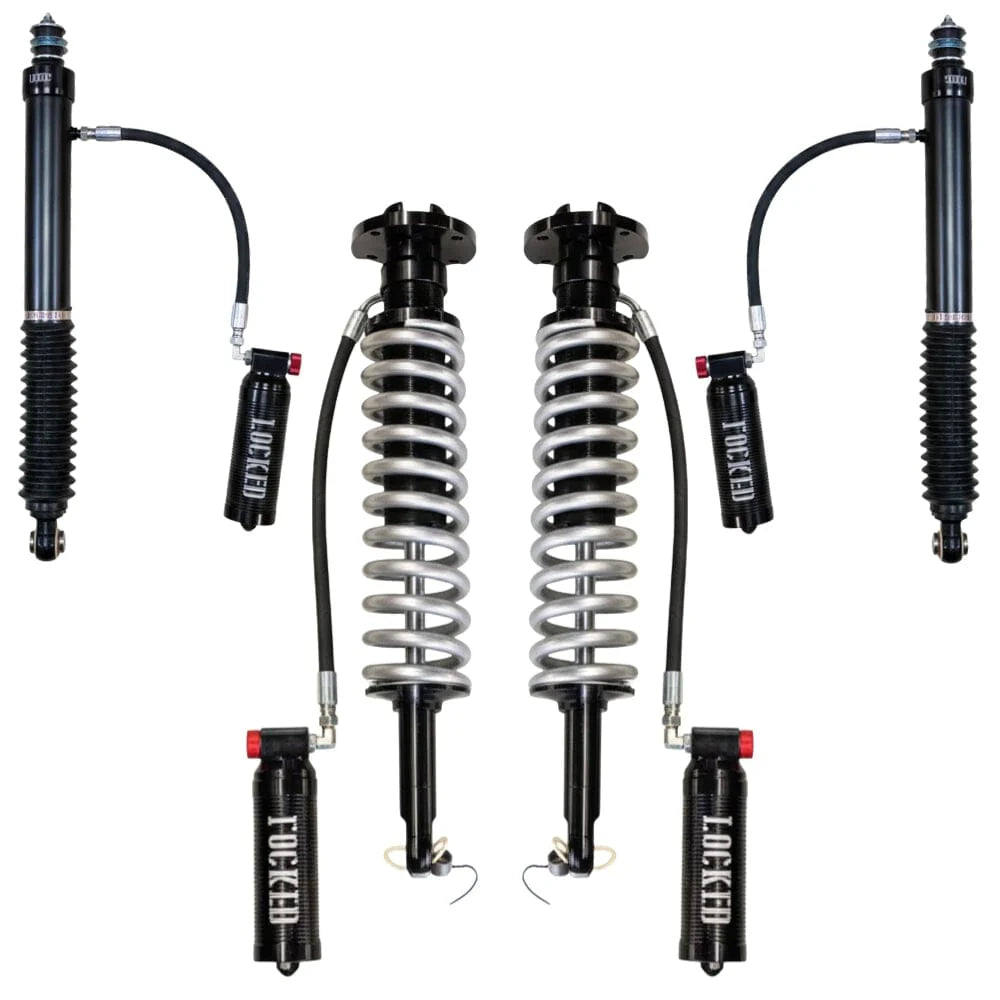
Shock absorbers control how fast the suspension moves. The length of your shocks is a major factor—if they are too short, they will “top out” or “bottom out” before the axle reaches its limit.
Bump Stops
Bump stops prevent the suspension from compressing too far and damaging parts. If you remove or shorten them, you risk breaking important parts.
Brake Lines
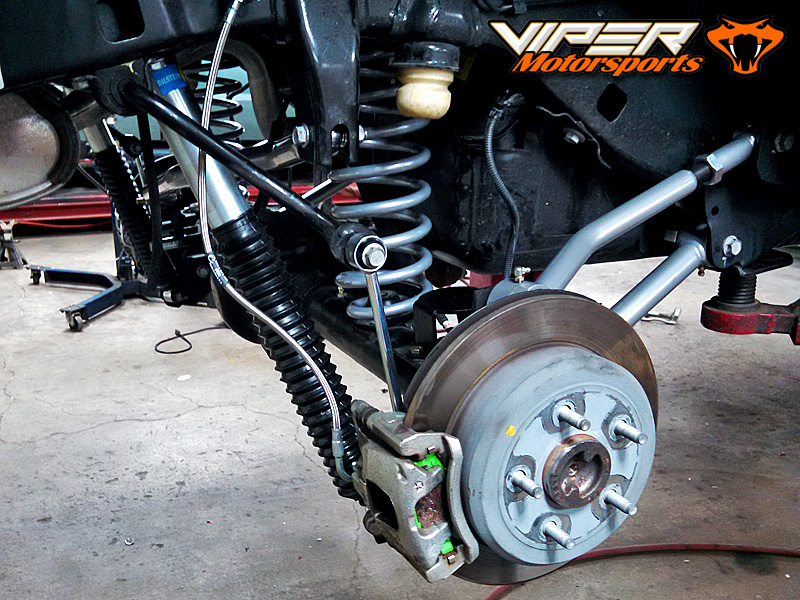
If your brake lines are too short, they can stretch and break with more droop travel. Extended lines are needed for more wheel movement.
Sway Bar Links
The sway bar connects the left and right sides of your suspension. Disconnecting or using quick-disconnect links allows more independent wheel movement off-road.
Driveshafts And Joints
Driveshaft angles can get too steep with more suspension travel, causing vibrations or damage. Upgraded driveshafts or high-angle joints are often needed.
The following table compares the main limiting factors for wheel travel in a stock vs. modified Jeep JK:
| Component | Stock Jeep JK | Modified Jeep JK |
|---|---|---|
| Control Arms | Short, limited flex | Long arms, more flex |
| Shocks | Standard length | Longer, custom length |
| Bump Stops | Fixed length | Adjustable or extended |
| Brake Lines | Factory length | Extended lines |
| Sway Bar Links | Connected | Quick disconnects |
| Driveshafts | Standard | Upgraded/high-angle |
How To Safely Increase Wheel Travel On Your Jeep Jk
If you want to improve wheel travel, you need a plan. Here are the main steps:
1. Set Your Goal
Decide how much wheel travel you really need. For light trails, a small lift may be enough. For rock crawling, you’ll need major changes.
2. Upgrade Suspension Components
- Control Arms: Swap stock arms for adjustable or long-arm kits. These allow the axle to move more freely.
- Shocks: Choose shocks with longer travel. Measure your suspension at full compression and full droop to pick the right length.
- Coil Springs: Longer or softer springs can help, but too soft will make your Jeep unstable.
3. Adjust Bump Stops
Add or adjust bump stops so your tires don’t hit the body and shocks don’t bottom out. This small step prevents expensive damage.
4. Extend Brake Lines
Install extended brake lines to avoid stretching or breaking them when the suspension is fully extended.
5. Sway Bar Disconnects
Install quick disconnects for the sway bar. On the trail, you can disconnect for more wheel movement, then reconnect for safe road driving.
6. Check Driveshafts
For lifts over 3 inches, you may need upgraded driveshafts with high-angle joints. Stock driveshafts can bind and fail with extra travel.
7. Test And Fine-tune
After upgrades, test your Jeep on a ramp or flex test. Check for:
- Tires rubbing the fender
- Shocks bottoming or topping out
- Brake lines stretching
- Driveshaft or suspension binding
Make small adjustments until everything works together.
Here’s a table showing some common Jeep JK upgrades and their effects on wheel travel:
| Upgrade | Approx. Added Wheel Travel | Cost Range |
|---|---|---|
| 2.5″ Lift Kit | +1-2 inches | $400–$900 |
| Long Arm Kit | +3-5 inches | $1,500–$3,000 |
| Extended Brake Lines | Safety only | $50–$150 |
| Shock Upgrade | +1-3 inches | $300–$1,000 |
| Sway Bar Disconnects | +1-2 inches (flex) | $80–$200 |
Common Mistakes And How To Avoid Them
Many Jeep owners try to get more wheel travel, but make mistakes that can cause problems. Watch out for these:
- Ignoring Bump Stops: Removing or shortening bump stops might give more travel, but risks breaking shocks, coils, or fenders.
- Forgetting Brake Lines: Stock brake lines can snap if stretched. Always check and upgrade if needed.
- Incorrect Shock Length: Too long or too short shocks can limit movement or damage the suspension.
- Not Checking Driveshaft Angles: More lift changes the angle. Upgrade driveshafts if you hear vibration or see binding.
- Unbalanced Springs: Very soft springs may help flex, but can make your Jeep unsafe on the road.
An often-missed detail: measuring full suspension travel without the sway bar connected. The sway bar restricts movement, so disconnect before testing. Another tip—always check tire clearance at full compression and droop, including when turning the steering wheel.
Real-world Example: Jeep Jk On A Ramp
Let’s say your Jeep JK has a 2. 5-inch lift and stock control arms.
On a flex ramp, you measure 8. 5 inches of wheel travel at the rear.
After installing long-arm suspension, extended shocks, and quick disconnects, you measure 12.
5 inches a 47% increase. This means your Jeep will perform much better on steep, uneven trails.
How Much Wheel Travel Is Too Much?
While more travel helps off-road, too much can hurt daily driving. Extreme setups may cause handling problems, wear out parts faster, and make the Jeep less safe at highway speeds. For most people, 10-12 inches of wheel travel is a good balance between off-road ability and street safety.
When To Seek Professional Help
Some upgrades, like long-arm kits or custom shocks, require welding, cutting, or precise measuring. If you’re not confident, it’s smart to ask a trusted shop for help.
They can check your setup, align everything, and make sure your Jeep is safe.
Summary: Getting The Most From Your Jeep Jk
Wheel travel is a key factor for off-road performance. Knowing your Jeep JK’s limits lets you upgrade safely and enjoy the trails. Always measure your setup, upgrade the right parts, check for clearance and safety, and test after every change. Don’t just follow what others do—focus on what works for your Jeep and your style of driving. For more technical data on off-road suspension, check resources like the SAE Technical Papers.
Frequently Asked Questions
How Much Wheel Travel Does A Stock Jeep Jk Have?
A stock Jeep JK usually has 7 to 9 inches of wheel travel, depending on the model and suspension condition. This is enough for light trails, but limits performance in serious off-roading.
Can I Increase Wheel Travel Without Lifting My Jeep?
Yes, small gains are possible with longer shocks and quick-disconnect sway bar links. However, most major increases require a suspension lift and longer control arms.
Will More Wheel Travel Make My Jeep Jk Less Safe On The Road?
If not done properly, yes. Too much travel can make handling unpredictable at high speeds.
Always balance off-road upgrades with safe street manners.
What Is The Best First Upgrade For More Wheel Travel?
The best first step is quick disconnect sway bar links. They’re affordable, easy to install, and allow more articulation off-road without major changes.
Do I Need To Change My Driveshafts For More Wheel Travel?
If you lift your Jeep more than 3 inches or use long-arm suspension, upgraded driveshafts are recommended to avoid binding and vibrations.
Getting the right wheel travel limit for your Jeep JK means understanding what each part does and making smart, safe upgrades. With careful planning, you’ll enjoy better traction, smoother rides, and more adventure without risking your Jeep’s reliability.