If your Jeep Compass suddenly slows down and the dashboard shows warning lights, you may be dealing with limp mode. This safety feature helps protect your vehicle when the computer detects a problem. But limp mode is frustrating—your Jeep loses power, and you can’t drive as normal. Understanding why this happens, and what to do next, can save time, money, and stress.
What Is Limp Mode And Why Does It Happen?
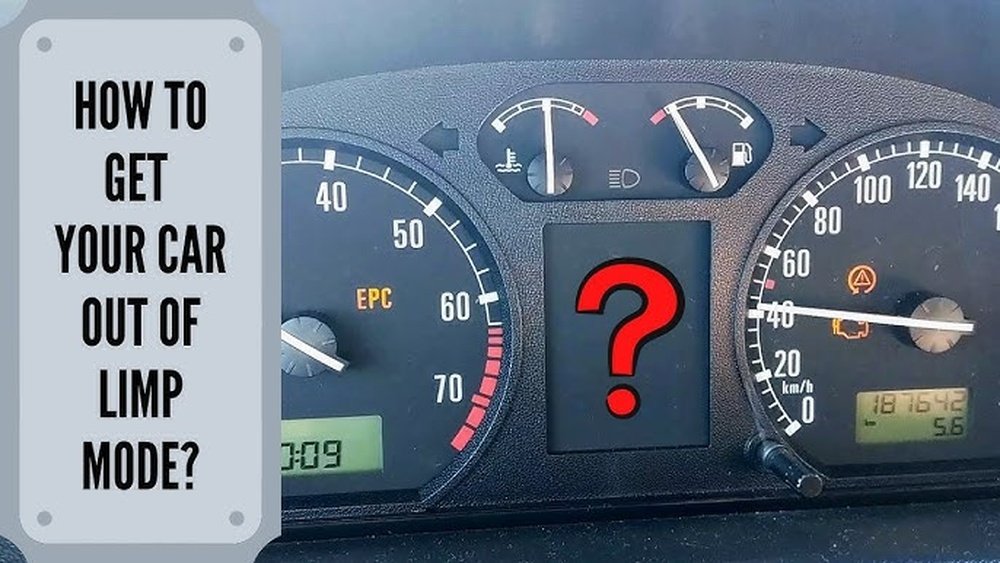
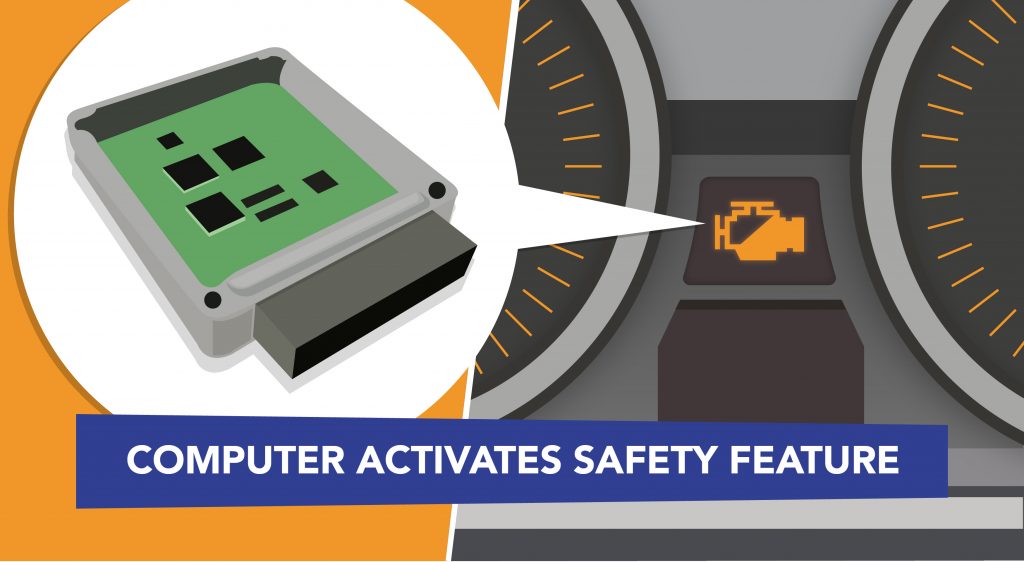
Limp mode is a built-in protection system in modern vehicles. When the car’s computer (ECU) senses a serious problem—like low transmission fluid, engine misfires, or electrical faults—it limits engine power. Usually, you can only drive at reduced speed. This helps prevent further damage until you fix the underlying issue.
Common triggers for limp mode:
- Transmission faults
- Faulty sensors (like MAF, throttle, or speed sensors)
- Engine overheating
- Low fluid levels
- Electrical short circuits
Signs Your Jeep Compass Is In Limp Mode
You might notice:
- Sudden loss of power
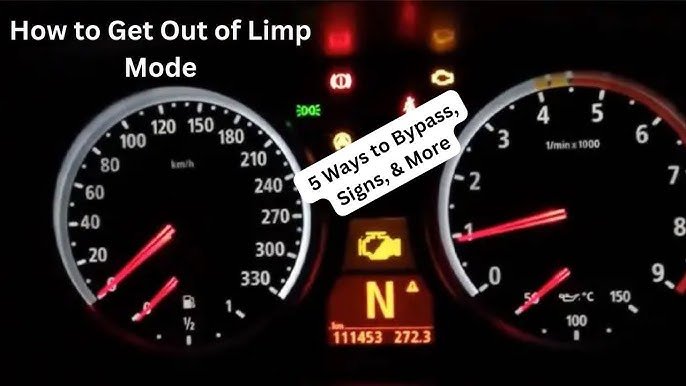
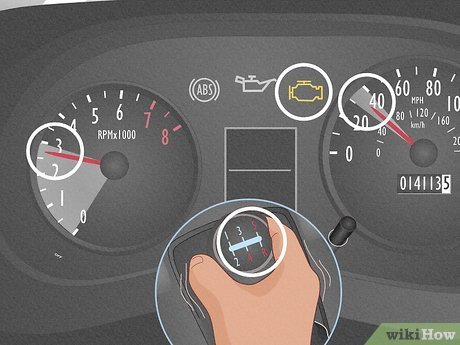
- The Check Engine Light or transmission light comes on
- Stuck in one gear (often 2nd or 3rd)
- Reduced acceleration
- Can’t go faster than 30–40 mph
These symptoms mean your Jeep’s computer is protecting the engine or transmission.
Step-by-step: Getting Your Jeep Compass Out Of Limp Mode
1. Pull Over Safely
As soon as you notice limp mode, slow down and find a safe place to stop. Turn on your hazard lights if needed.
2. Turn Off The Engine
Let your Jeep rest for a few minutes. This allows the system to reset minor glitches. Sometimes, simply restarting the engine clears temporary errors.
3. Check Fluid Levels
Low transmission fluid or engine oil can trigger limp mode. Open the hood and check levels using the dipsticks. Top up if low (use the correct type for your model).
4. Disconnect The Battery
For a deeper reset:
- Turn off the ignition.
- Open the hood and find the battery.
- Use a wrench to disconnect the negative terminal.
- Wait 15 minutes, then reconnect it.
This clears the ECU’s short-term memory, which may remove limp mode if the issue was temporary.
5. Scan For Trouble Codes
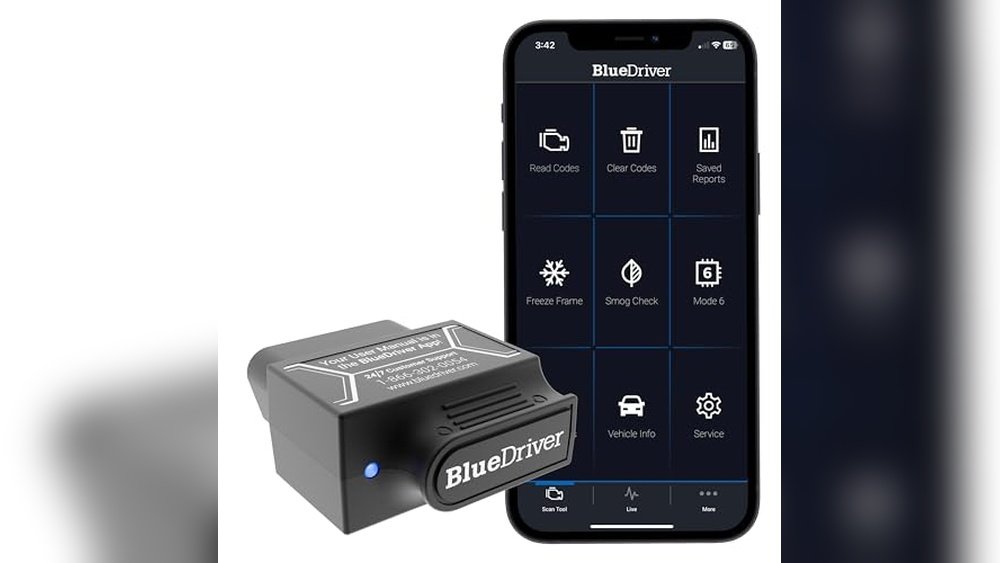
If limp mode stays, use an OBD-II scanner. Plug it into the port under the dashboard and read the error codes. These codes tell you what the computer detected.
Example codes:
- P0700: Transmission problem
- P0128: Coolant temperature below thermostat
- P2135: Throttle/pedal sensor issue
Write down the codes and look them up online or in your owner’s manual.
6. Fix The Root Cause
Temporary resets only work if the problem is minor. For ongoing limp mode, you must fix the real issue:
- Replace faulty sensors
- Top up or change fluids
- Check and fix wiring or connectors
- Repair damaged transmission or engine parts
A professional mechanic can help if you’re unsure.
Key Differences: Limp Mode Vs. Other Engine Problems
Understanding if your Jeep is in limp mode or facing a different issue is important. Here’s a quick comparison:
| Symptom | Limp Mode | Other Problems |
|---|---|---|
| Power Loss | Yes, sudden and severe | Maybe, often gradual |
| Warning Lights | Always on | Sometimes on |
| Stuck Gear | Yes, can’t shift | No, usually shifts |
| Speed Limit | 30–40 mph max | Varies |
Common Jeep Compass Limp Mode Causes
Knowing what often triggers limp mode can speed up repairs:
| Cause | How It Triggers Limp Mode |
|---|---|
| Low Transmission Fluid | Transmission overheats or shifts poorly |
| Failed Throttle Body | Computer detects poor throttle response |
| Faulty Speed Sensor | Incorrect gear or speed information |
| Wiring Issues | Broken signals, short circuits |
| Overheating | Engine or transmission gets too hot |
How To Prevent Limp Mode In The Future
Preventing limp mode is easier than dealing with it on the road. Here’s how:
- Regular maintenance: Change transmission fluid, engine oil, and filters as the manual recommends.
- Check warning lights: Don’t ignore the Check Engine Light. Scan for codes early.
- Inspect wires and connectors: Look for loose or corroded parts, especially after off-road trips.
- Use the right fluids: Always use fluids that meet Jeep’s specifications.
- Address issues early: Fix leaks, overheating, or strange noises right away.
Two Insights Most Owners Miss
First, limp mode can sometimes be triggered by something as small as a loose gas cap or a weak car battery. Always check these before visiting a mechanic.
Second, driving too long in limp mode even at low speeds can cause further damage. For example, transmission parts may overheat if you ignore the warning.
When To Call A Professional
If basic resets and fluid checks do not work, or if your Jeep enters limp mode repeatedly, it’s time for a qualified mechanic. Modern Jeeps have complex computer systems—sometimes, only dealer-level diagnostic tools can find the root cause.
For more details on vehicle safety systems, the Wikipedia article on limp mode explains the concept further.
Frequently Asked Questions
Why Does My Jeep Compass Keep Going Into Limp Mode?
Repeated limp mode usually means there’s an ongoing problem—like a failing sensor, low fluid, or wiring fault. Scan for codes and repair the root cause, not just reset the system.
Can I Drive My Jeep Compass In Limp Mode?
You can drive a short distance, but only to reach a repair shop or safe area. Long drives in limp mode may damage the engine or transmission further.
Will Disconnecting The Battery Always Reset Limp Mode?
Disconnecting the battery can clear temporary faults, but if the problem is still there, limp mode will return. Always fix the actual issue.
How Much Does It Cost To Fix Limp Mode?
Costs vary. A simple sensor or fluid top-up may cost $50 $150.
Transmission repairs or complex electrical issues can be $1,000 or more.
Is Limp Mode Dangerous?
Limp mode itself is not dangerous—it’s a safety feature. However, sudden loss of power can be risky in traffic. Pull over as soon as you can and address the underlying problem.
Dealing with Jeep Compass limp mode can be frustrating, but knowing what to do helps you get back on the road faster and avoid bigger repairs. Stay alert to warning signs, perform regular checks, and don’t ignore issues when they appear.