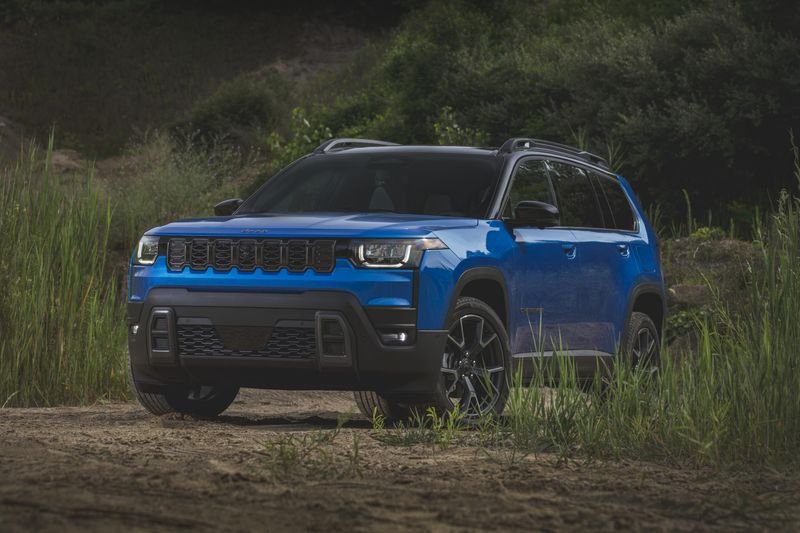
Flushing the heater core in your Jeep Wrangler can restore heat, improve engine cooling, and prevent costly repairs. Over time, rust, debris, and old coolant can block the small passages inside the heater core. This leads to weak heat or, worse, leaks. Many Wrangler owners think flushing is complicated, but with the right approach, it’s straightforward and can save you hundreds in repair bills.
This guide explains how to flush your heater core, including tools you need, step-by-step instructions, and what common mistakes to avoid.
Whether you’re a beginner or have some mechanical experience, this process will help you keep your Jeep’s heating system running strong.
Why Flush The Heater Core?
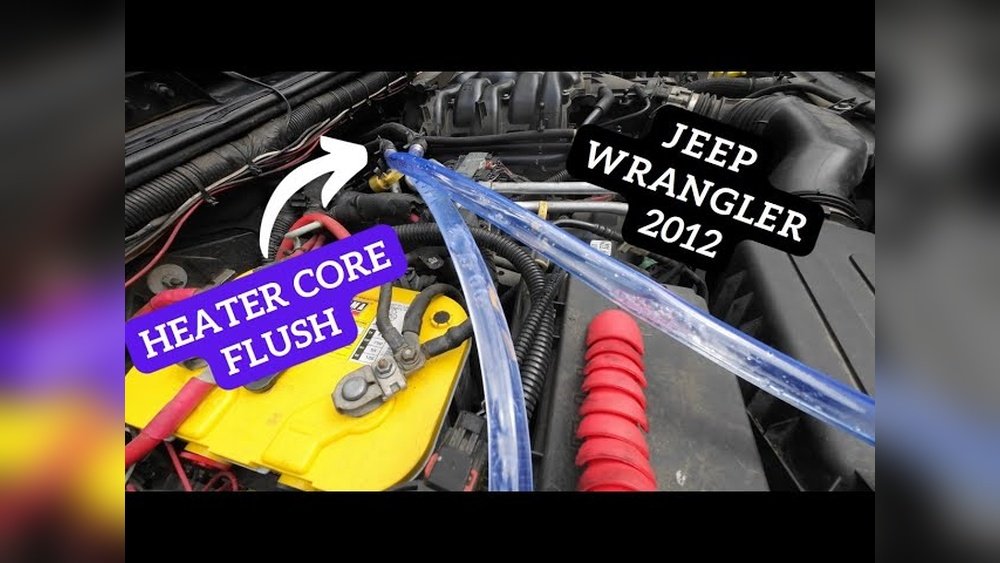
The heater core is a small radiator behind your dashboard. Hot coolant from the engine flows through it, and a fan blows warm air into the cabin. When it’s clogged, you might notice:
- Little or no warm air from the vents
- Foggy windows that won’t clear
- Coolant leaks inside the Jeep
- Engine overheating
A flush removes blockages, restores heat, and extends the life of your cooling system. Most experts recommend flushing the heater core every 2 3 years or if you notice heating problems.
Tools And Materials Needed
Before starting, gather these items:
- Protective gloves and glasses
- Pliers or screwdriver (for hose clamps)
- Two garden hoses (or one hose with two ends)
- Bucket or drain pan (to catch old coolant)
- Fresh coolant (check your Jeep’s manual for type)
- Funnel
- Rags or towels
Some Wrangler models may need extra tools, so check your owner’s manual before starting.
Step-by-step Heater Core Flush
Follow these steps for a safe and effective flush. Allow about 1 2 hours.
1. Let The Engine Cool
Never work on a hot engine. Wait until the engine and radiator are cool to avoid burns.
2. Locate Heater Core Hoses
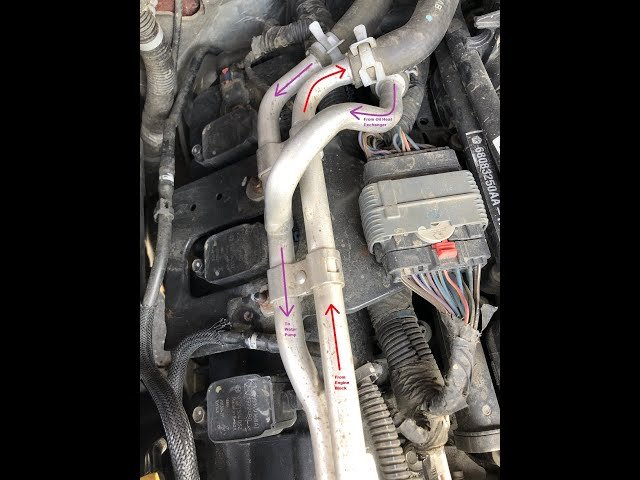
Open the hood and look for two small hoses going through the firewall (the metal wall at the back of the engine bay). These are your heater core inlet and outlet hoses.
3. Disconnect The Hoses
Place a bucket under the hoses. Use pliers or a screwdriver to loosen clamps, then gently twist and pull the hoses off the heater core pipes. Some coolant may spill this is normal.
4. Flush With Water
Connect a garden hose to the outlet hose (the one that returns coolant to the engine). Hold the other hose over the inlet pipe to catch water. Turn on the water gently. Dirty coolant and debris will flow out. Continue until clear water runs out.
For tougher clogs, flush in the reverse direction. Repeat the process if needed, but never use high pressure it can damage the heater core.
5. Reconnect Hoses And Refill Coolant
Remove the garden hoses and reconnect the heater hoses, tightening the clamps securely. Top off the coolant reservoir with fresh coolant. Use a funnel to avoid spills.
6. Start The Engine And Check For Leaks
Start your Jeep and let it run until it reaches normal temperature. Turn the heater on high.
Check for leaks at the hose connections and make sure warm air blows from the vents.
7. Dispose Of Old Coolant
Used coolant is toxic. Pour it into a sealed container and take it to a recycling center.
Key Tips And Common Mistakes
Flushing the heater core sounds simple, but many people make avoidable mistakes. Here are two important tips beginners often miss:
- Never use household chemicals or vinegar to flush the heater core. These can damage seals and metals inside the system. Use plain water.
- Bleed the cooling system after refilling. Air pockets can cause overheating. Run the engine with the radiator cap off until bubbles stop coming out.
Also, avoid using too much water pressure. The heater core is delicate.
Use only as much pressure as you’d use to water plants.
When To Seek Professional Help
If you notice coolant leaking inside the Jeep or the heater still doesn’t work after a flush, the heater core may be damaged. Replacing it requires removing part of the dashboard—a tough job best left to a mechanic.
Comparing Jeep Wrangler Heater Core Problems
Here’s a quick look at common heater core issues, symptoms, and solutions:
| Problem | Symptoms | Solution |
|---|---|---|
| Clogged core | No heat, weak airflow | Flush heater core |
| Leaking core | Coolant smell, wet carpet | Replace core |
| Air in system | Fluctuating temperature | Bleed cooling system |

Diy Vs. Shop: Cost And Time Comparison
Many Jeep owners wonder if it’s worth doing a heater core flush themselves. Here’s a simple comparison:
| Method | Cost | Time | Skill Level |
|---|---|---|---|
| DIY Flush | $10–$30 | 1–2 hours | Beginner–Intermediate |
| Shop Service | $100–$200 | 2–3 hours | Professional |
Preventing Future Heater Core Clogs
- Use only the recommended coolant for your Wrangler.
- Change coolant every 2–3 years.
- Check for leaks or low coolant at every oil change.
- If you drive in muddy or dusty conditions, flush the system more often.
A clean cooling system keeps your engine running smoothly and helps prevent expensive repairs.
Frequently Asked Questions
How Often Should I Flush The Heater Core?
Most experts suggest every 2 3 years or if you notice heating issues. Regular flushing prevents clogs and extends heater core life.
Can I Use A Chemical Flush Product?
It’s best to use plain water. Chemical flushes can harm seals and metals in your system.
Stick to a gentle water flush for safety.
What If I Still Have No Heat After Flushing?
If there’s still no heat, the heater core may be damaged or there could be air trapped in the system. Bleed the cooling system and check for leaks. If problems continue, consult a mechanic.
Is Flushing The Heater Core Different For Older Vs. Newer Jeep Wranglers?
The basic steps are similar for most models. However, hose locations and coolant types may vary. Always check your owner’s manual for details.
Where Can I Learn More About Jeep Wrangler Cooling Systems?
You can find more details on the official Jeep Wrangler Wikipedia page, which covers model specifics and maintenance tips.
Flushing your Jeep Wrangler’s heater core is a practical way to keep your heating and cooling system in top shape. With simple tools and a careful approach, you’ll save money and enjoy reliable heat on cold days.
Take your time, follow the steps, and your Wrangler will thank you with years of trouble-free driving.