If you own a lifted Jeep, you probably love how it looks and handles off-road. But you may also notice your steering wheel feels loose or sloppy, especially after driving on rough terrain.
A loose steering wheel doesn’t just make driving uncomfortable—it can be dangerous. Many Jeep owners experience this problem, but the good news is, you can fix it with the right steps and a bit of know-how.
In this guide, you’ll learn why your steering gets loose after a lift, how to diagnose the issue, and what you can do to make your Jeep feel solid and safe again.
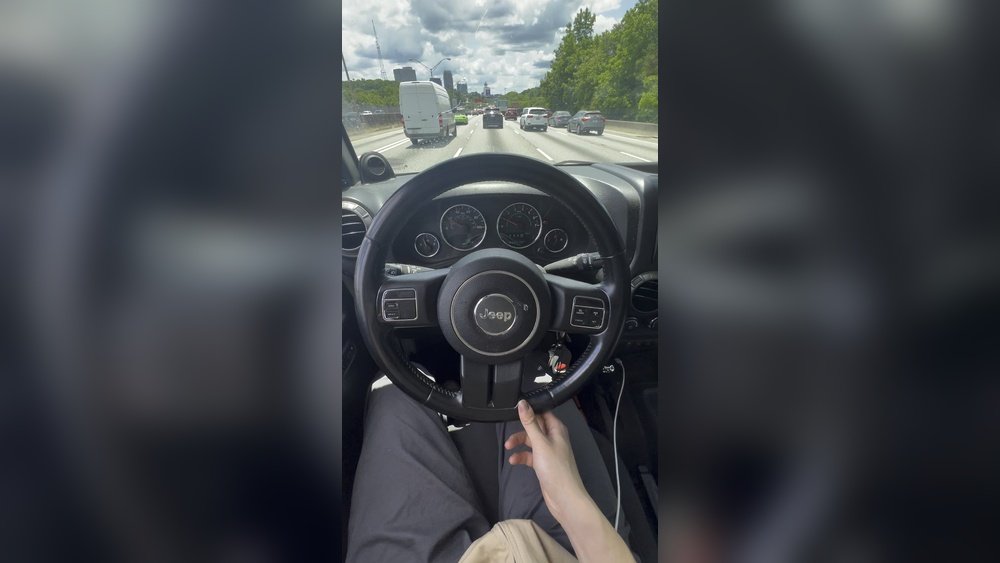
Why A Lifted Jeep Gets Loose Steering
Lifting a Jeep changes the geometry of the suspension and steering system. When you add a lift kit, bigger tires, or aftermarket parts, it puts more stress on the steering components. The angles of the track bar, drag link, and tie rods become steeper. Bushings, ball joints, and joints can wear out faster. Even a small change can lead to play in the steering wheel.
A common misunderstanding is thinking a loose steering wheel is “normal” for lifted Jeeps. It’s not.
With proper adjustments and maintenance, your lifted Jeep can feel almost as tight as stock.
Common Causes Of Loose Steering In Lifted Jeeps
Understanding the root causes is key to a good fix. Here are the main reasons your steering wheel might feel loose:
- Worn tie rod ends – These connect the steering system to your wheels. If they’re loose, your steering will feel vague.
- Loose track bar – The track bar centers the axle. If its bolts are loose or the bushings are worn, the axle moves side-to-side, making the wheel feel sloppy.
- Bad ball joints – These allow your wheels to move up and down. Worn ball joints create play.
- Steering gear box wear – The gear box translates your steering wheel movement. When it’s worn, you get more free play.
- Drag link issues – The drag link connects the steering box to the wheels. If it’s bent or loose, your Jeep won’t steer precisely.
- Improper alignment – Lifting alters alignment angles. Without an alignment, steering suffers.
- Out-of-spec caster angle – The caster angle keeps your steering wheel returning to center. A lift can reduce it, causing wandering or looseness.
Many Jeeps have more than one of these problems at once. The key is to check each part carefully.
Step-by-step Diagnosis
Before buying new parts, you need to know what’s wrong. Here’s how to check each component:
Visual Inspection
Start by parking on a level surface. Turn off the engine, and set the parking brake.
- Look under your Jeep for obvious damage or loose bolts.
- Check for leaking fluid around the steering gear box.
- Inspect bushings for cracks or excessive movement.
Hands-on Checks
- Tie rod ends: Grab the tie rod and try moving it up/down and side-to-side. Any movement means it’s worn.
- Track bar: Have a friend turn the steering wheel slightly back and forth while you watch the track bar bushings and bolts. If the bar or axle moves before the tires, the bushings or bolts are loose.
- Ball joints: Jack up the front end, grip the tire at 12 and 6 o’clock, and wiggle. Play means worn ball joints.
- Steering gear box: With the engine off, gently turn the steering wheel left and right. More than 1-2 inches of play at the rim is too much.
- Drag link: Move it by hand. Any movement at the joints means they should be replaced.
Alignment And Caster Angle
Most alignment shops can check and adjust toe and caster. After lifting, the caster angle often decreases, causing poor steering return and looseness. Check your Jeep’s specs and compare them to factory numbers.
Example Caster Angle Table
| Lift Height | Stock Caster Angle | Recommended After Lift |
|---|---|---|
| 0-2 inches | +7° to +8° | +6° to +7° |
| 2-4 inches | +7° to +8° | +4.5° to +6° |
| 4+ inches | +7° to +8° | +4° to +5° |
If your caster angle is too low, consider adding adjustable control arms or caster correction kits.
How To Fix A Loose Steering Wheel
Once you’ve found the problem, here’s how to fix each cause. Not every Jeep needs all these steps focus on the parts that failed your tests.
1. Tighten Or Replace Track Bar Bolts
Many lifted Jeeps develop a loose track bar first. Use a torque wrench to tighten the track bar bolts to factory specs (often 125-150 ft-lbs).
If the bushings look worn or the bar moves, replace it with a heavy-duty version.
Pro tip: Always tighten the track bar with the Jeep on the ground, under full weight. Tightening while lifted can lead to premature wear.
2. Replace Worn Tie Rod Ends
If you found play in the tie rod ends, replace them with quality parts. Aftermarket tie rods are often stronger and better for lifted setups.
Steps:
- Remove the cotter pin and castle nut.
- Use a tie rod separator to remove the joint.
- Install the new tie rod end and torque to spec.
Be sure to get a fresh alignment afterward.
3. Repair Or Replace Ball Joints
Worn ball joints are a safety issue. Use a ball joint press to remove the old ones and install replacements.
This is a labor-intensive job, but it makes a big difference in steering feel.
4. Adjust Or Replace The Steering Gear Box
You can adjust the steering gear box if there’s only a little play. On top of the box, there’s an adjustment screw.
- Loosen the lock nut.
- Turn the screw clockwise 1/8 turn at a time (never more than 1/4 turn without testing).
- Tighten the lock nut.
If the play remains, replace the gear box. Upgraded models are available for off-roaders.
5. Fix The Drag Link
If the drag link is bent or the joints are loose, replace it with a heavy-duty version. Adjustable drag links allow for more precise alignment.
6. Check Alignment And Adjust Caster
After fixing any worn parts, get a professional alignment. Make sure they adjust the caster angle as close to stock as possible.
Comparison Of Steering Components
Here’s a quick comparison of stock vs aftermarket steering parts:
| Component | Stock | Aftermarket (Heavy Duty) |
|---|---|---|
| Track Bar | Thin, rubber bushings | Thicker, polyurethane or heim joints |
| Tie Rods | 1″ steel, normal ends | 1.5″-2″ chromoly, oversized ends |
| Drag Link | Fixed length, mild steel | Adjustable, heavy-duty steel |
Upgraded parts last longer and handle larger tires and more extreme angles.
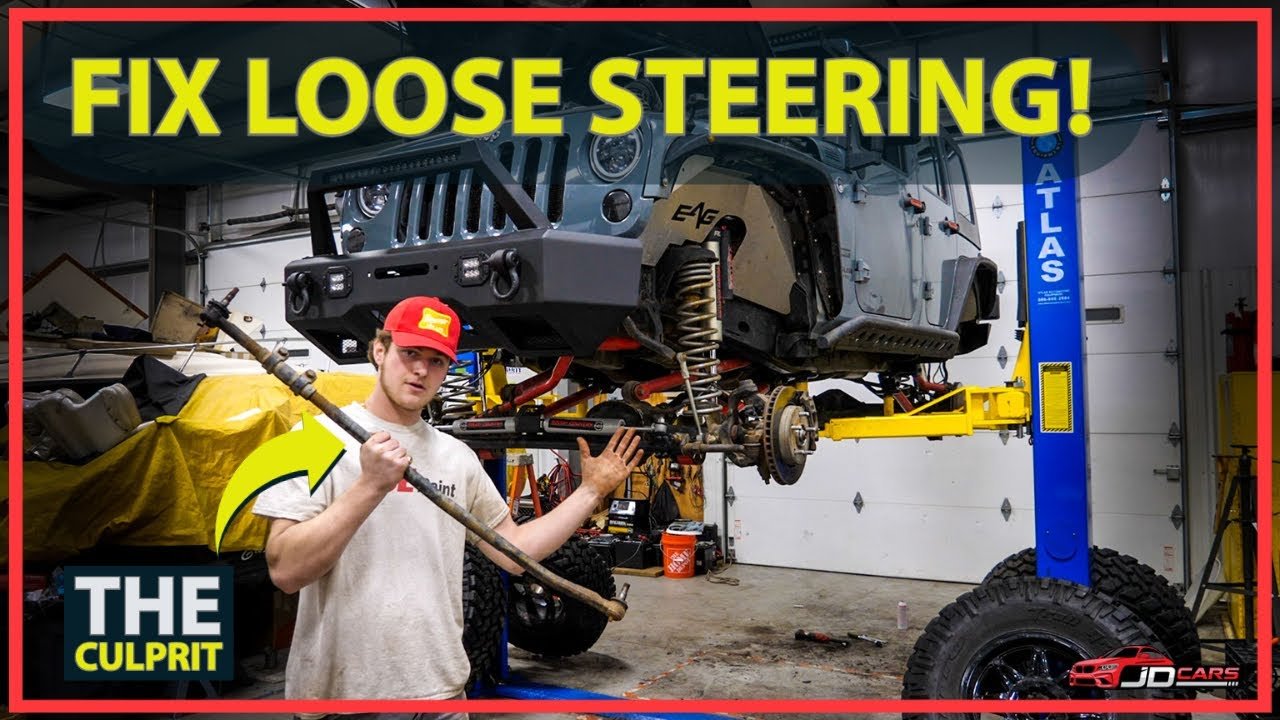
Practical Tips For A Tighter Steering Wheel
Here are some non-obvious tips that make a big difference for Jeep owners:
- Don’t ignore tire pressure. Over-inflated or under-inflated tires can make the steering feel loose or wander. Check pressures regularly, especially after off-roading.
- Check steering stabilizer. This shock absorber smooths steering movement. While it won’t fix worn parts, a bad stabilizer can make minor looseness feel worse.
- Inspect frame side track bar mount. Lifting can oval out the mounting hole. If the bolt is loose, use a weld-on washer kit to restore a tight fit.
- Use quality replacement parts. Cheap parts may fail quickly under the stress of a lifted Jeep. Brands like Synergy, Currie, or Moog are trusted for durability.
- Re-torque bolts after off-roading. Hard hits can loosen suspension bolts. Check them after every trip.
What Not To Do
Some fixes can cause more harm than good:
- Don’t overtighten the steering box. This can damage the gears and make steering bind.
- Don’t rely on a steering stabilizer to fix looseness. It’s a band-aid, not a cure.
- Don’t ignore small problems. Slight play can quickly become a major safety issue, especially at highway speeds.
When To See A Professional
If you’ve replaced worn parts and still have play, or if you’re not comfortable working with suspension components, it’s wise to see a qualified mechanic. Some issues, like frame cracks or severe steering box wear, need expert tools to repair. Never risk your safety.
Cost Of Fixing Loose Steering In Lifted Jeeps
Prices vary widely depending on what needs to be replaced. Here’s a general idea:
| Component/Service | DIY Cost | Professional Cost |
|---|---|---|
| Track Bar Replacement | $100–$250 | $250–$400 |
| Tie Rod Ends | $75–$200 | $200–$350 |
| Ball Joints | $150–$300 | $400–$700 |
| Steering Gear Box | $200–$600 | $500–$1,000 |
| Alignment | – | $80–$150 |
Always budget for an alignment after any steering or suspension work.
Preventing Future Steering Problems
A little maintenance goes a long way:
- Inspect steering parts every oil change.
- Re-torque all suspension bolts to spec every few months.
- Keep an eye on your alignment, especially after off-roading.
- Upgrade steering components if you add bigger tires or a higher lift.
Jeep steering systems can handle a lot, but they need more care as you modify them.
Final Thoughts
Fixing a loose steering wheel in a lifted Jeep is not just about comfort—it’s about safety. Most steering issues can be solved by methodical inspection and replacing worn parts. Sometimes, the solution is as simple as tightening a bolt; other times, you’ll need to upgrade to stronger components. Don’t assume steering looseness is just the price of a lifted Jeep. With the right steps, your Jeep can handle as confidently on the road as it does on the trail. For more in-depth information about Jeep steering systems, check out Quadratec’s steering guide.
Frequently Asked Questions
How Do I Know If My Jeep’s Steering Wheel Looseness Is Dangerous?
If you notice the steering wheel moves more than 1-2 inches before the tires respond, or if you hear clunking noises, it’s a serious safety concern. Address the issue immediately to prevent accidents.
Can I Drive My Lifted Jeep With Loose Steering?
It’s not recommended. Loose steering can lead to poor control, increased tire wear, and even accidents, especially at highway speeds. Fix the problem before driving long distances.
Will An Alignment Fix My Loose Steering Wheel?
An alignment helps with steering feel and tire wear, but it won’t fix worn or loose steering parts. Make sure to repair or replace any faulty components before getting an alignment.
How Often Should I Check My Steering Components?
Inspect all steering and suspension parts every oil change (about every 5,000 miles) or after every off-road trip. Early detection helps prevent bigger, costlier problems.
Do I Need Heavy-duty Steering Parts For My Lifted Jeep?
If you run larger tires (33 inches or more) or do heavy off-roading, heavy-duty steering components are highly recommended. They last longer and handle the extra stress better than stock parts.