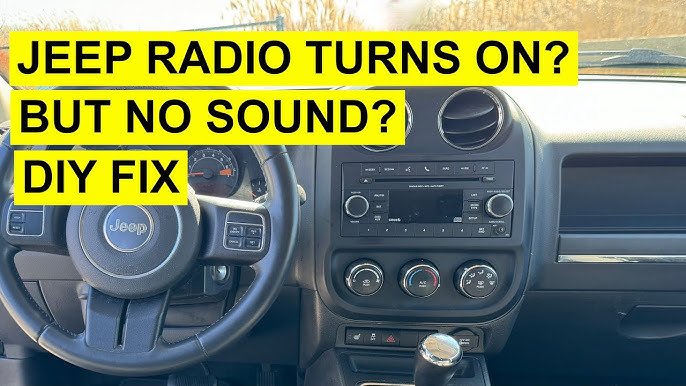
Fixing a Jeep can feel overwhelming if you’re new to car maintenance. Jeeps are tough vehicles, but they still break down and need repairs, just like any other car. Whether you own a Wrangler, Cherokee, or Grand Cherokee, you can solve many common issues yourself with a bit of know-how. This guide will help you identify problems, choose the right tools, and make simple repairs. You’ll learn practical steps, see useful comparisons, and find out what mistakes to avoid.
Diagnosing Common Jeep Problems
Every Jeep owner faces some issues sooner or later. You might notice strange noises, warning lights, or poor performance. Diagnosing the problem is the first step.
Some frequent problems include:
- Engine stalling or misfiring
- Transmission not shifting smoothly
- Electrical issues (like dead batteries)
- Suspension problems (bumpy ride or uneven tire wear)
- Overheating
You can start by checking the dashboard for warning lights. For example, if the check engine light appears, use an OBD-II scanner to read error codes. This simple tool helps you pinpoint what’s wrong.
Here’s a quick comparison of common Jeep issues and their signs:
| Problem | Common Signs | DIY Fix? |
|---|---|---|
| Engine Stalling | Shuts off unexpectedly | Yes |
| Transmission Slipping | Delays in shifting | Sometimes |
| Battery Dead | No start, dim lights | Yes |
| Suspension Worn | Bumpy ride | Yes |
| Overheating | High temp gauge | Yes |
Non-obvious tip: Many beginners overlook the importance of checking the battery terminals for corrosion. Dirty terminals can cause electrical issues even if the battery is good.
Essential Tools And Parts
Before you fix your Jeep, gather basic tools:
- Socket set
- Screwdrivers
- Wrenches
- Jack and jack stands
- OBD-II scanner
It’s also smart to keep spare parts like air filters, spark plugs, and fuses. These are affordable and easy to change.
Here’s a quick table comparing some basic tools and their uses:
| Tool | Main Use | Estimated Price |
|---|---|---|
| Socket Set | Remove bolts/nuts | $30-$80 |
| Screwdriver | Remove screws | $10-$20 |
| OBD-II Scanner | Read error codes | $25-$100 |
| Jack | Lift vehicle | $40-$150 |
Beginner mistake: Buying cheap, low-quality tools can make repairs harder. Invest in durable tools—they last longer and make jobs safer.
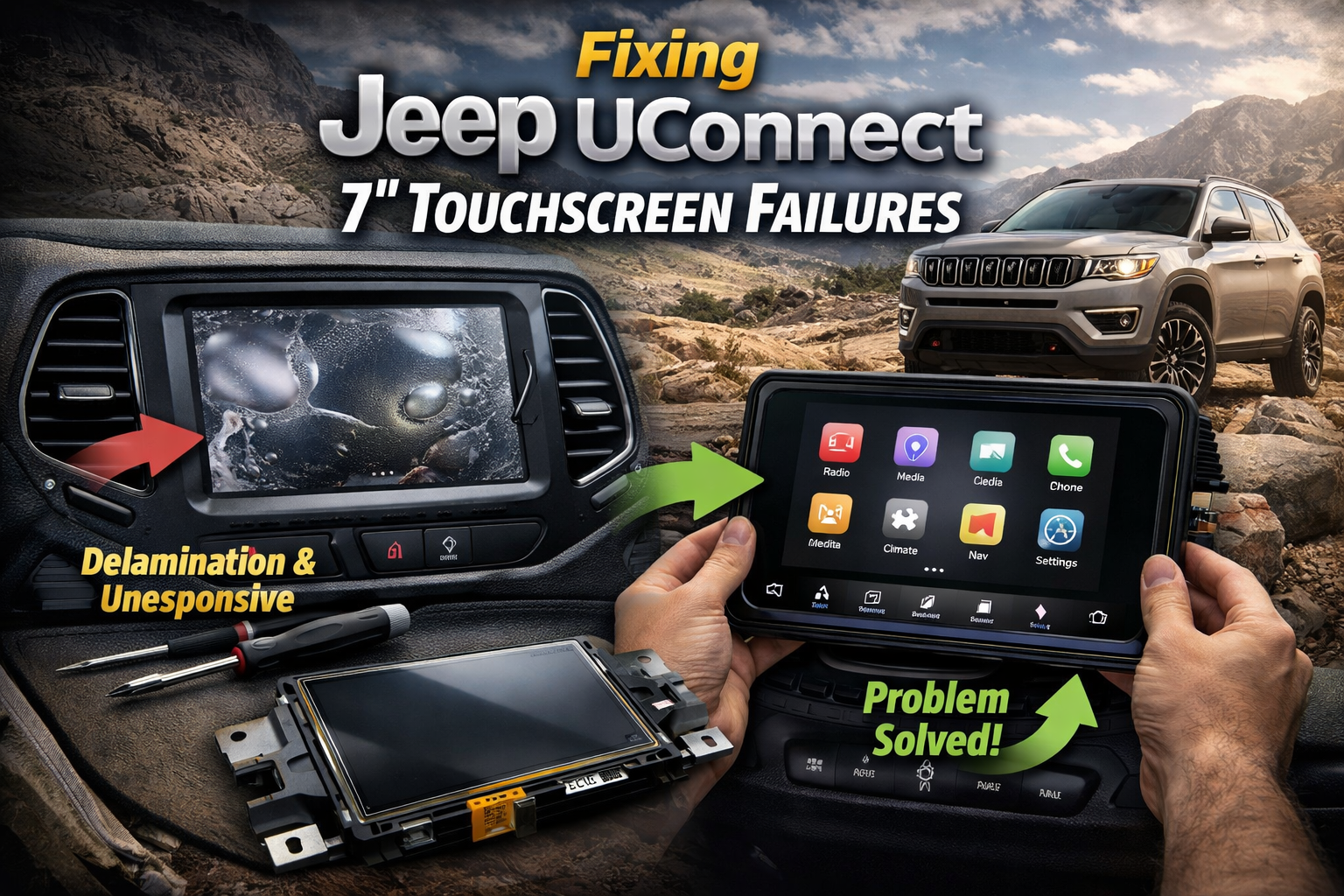
Step-by-step: Fixing Common Jeep Issues
Fixing your Jeep doesn’t always require a mechanic. Here are solutions for five typical problems.
1. Fixing A Dead Battery
- Turn off all electrical systems.
- Remove the old battery (disconnect negative, then positive terminal).
- Clean terminals with baking soda and water.
- Install the new battery (positive, then negative).
- Start the Jeep to check.
2. Changing Air Filters
- Locate the air filter box under the hood.
- Open the box (usually clips or screws).
- Remove the old filter and insert a new one.
- Close the box securely.
3. Replacing Spark Plugs
- Find spark plug location (usually on top of the engine).
- Remove spark plug wires.
- Use a spark plug socket to unscrew old plugs.
- Install new plugs; tighten firmly but not too hard.
- Reconnect wires.
4. Fixing Suspension Noise
- Jack up the Jeep and remove the wheel.
- Inspect suspension parts (bushings, shocks, control arms).
- Replace worn parts (use wrench/socket set).
- Reinstall wheel and lower vehicle.
5. Solving Overheating
- Let the engine cool completely.
- Check coolant level and top off if low.
- Inspect hoses and radiator for leaks.
- Replace damaged hoses or radiator.
- Run engine and monitor temperature.
Non-obvious insight: When replacing spark plugs, always check the gap using a feeler gauge. Incorrect gaps cause misfires, which many beginners miss.
Preventive Maintenance Tips
Regular care stops problems before they start. Here are smart tips:
- Change oil every 3,000–5,000 miles.
- Rotate tires every 6,000–8,000 miles.
- Check brakes and fluids monthly.
- Clean battery terminals twice a year.
- Inspect belts and hoses every oil change.
You can track maintenance using a notebook or smartphone app. This helps you remember what’s due and prevents expensive repairs.
Here’s a simple maintenance schedule:
| Task | Frequency | Estimated Cost |
|---|---|---|
| Oil Change | 3,000–5,000 miles | $40-$70 |
| Tire Rotation | 6,000–8,000 miles | $20-$40 |
| Brake Inspection | Monthly | $0 (DIY) |
| Coolant Check | Monthly | $10-$20 |
When To Visit A Mechanic
Some Jeep issues need expert help. If you notice:
- Strong burning smell
- Engine knocking
- Transmission fluid leaks
- Steering issues
Don’t risk DIY. Professional mechanics have the tools and experience. According to the National Highway Traffic Safety Administration, over 80% of car owners miss critical signs that need expert attention.
If you need more advanced guidance, visit the official Jeep repair page at Jeep Owners Service.
Frequently Asked Questions
How Do I Know If My Jeep Needs New Brakes?
Check for squeaking sounds, longer stopping distance, or a soft brake pedal. If you notice any of these, inspect brake pads immediately.
Can I Fix A Jeep Transmission Myself?
Simple fixes like fluid top-off are possible. But for internal issues or slipping gears, it’s best to see a mechanic.
What Is The Average Cost To Repair A Jeep?
Minor repairs like battery or air filter change cost $20-$100. Major repairs (engine, transmission) can cost $500-$3,000.
Is It Safe To Drive With A Check Engine Light?
It depends. If the Jeep drives normally, it might be a minor issue.
But if you notice poor performance, stop driving and check immediately.
How Often Should I Change My Jeep’s Oil?
Every 3,000–5,000 miles is best for most Jeeps. If you drive off-road or in harsh conditions, change more often.
Fixing your Jeep yourself saves money and builds confidence. With the right tools, knowledge, and regular care, you can handle most simple repairs.
Always know your limits when in doubt, seek expert help. This approach will keep your Jeep running strong for years to come.