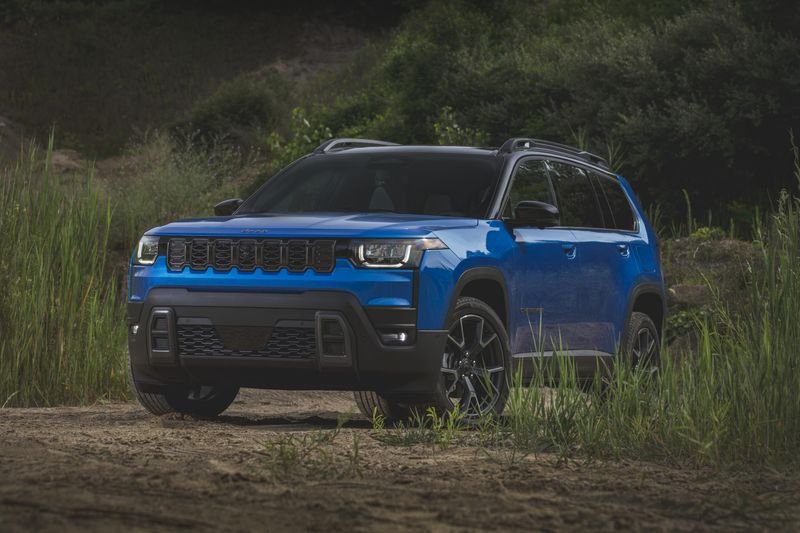
Many Jeep Grand Cherokee owners experience tail light problems at some point. These issues can range from a simple burnt-out bulb to more complex electrical faults.
If your tail lights are not working, it’s not just a safety risk it can also lead to a failed inspection or a traffic ticket.
Fixing these problems yourself can save money and increase your knowledge about your vehicle. This guide explains the common causes, step-by-step solutions, and key tips for fixing Jeep Grand Cherokee tail light problems.
Common Causes Of Tail Light Problems
Understanding what causes tail light failure is the first step to fixing it. The most frequent issues include:
- Burnt-out bulbs: The simplest and most common cause.
- Blown fuses: Protects the circuit, but if blown, stops power to the lights.
- Faulty wiring or connections: Damaged wires or loose connectors.
- Bad tail light assembly: Cracked housing or water intrusion can cause short circuits.
- Defective control modules: Newer models use electronic modules that can fail.
Older Jeep Grand Cherokees often suffer from wiring wear, while newer ones may have electronic issues. Let’s look at how to diagnose and fix each problem.
Diagnosing The Problem
Before replacing parts, you need to identify the real cause. Here’s a basic approach:
| Symptom | Likely Cause | Quick Check |
|---|---|---|
| One tail light out | Burnt-out bulb | Inspect and replace bulb |
| Both out | Blown fuse or wiring | Check fuse box |
| Intermittent light | Loose connector | Wiggle wires, check sockets |
| Moisture in lens | Cracked housing | Inspect for water |
A basic tool kit is usually enough: screwdriver, socket set, and a test light or multimeter.
Step-by-step Fixes For Jeep Grand Cherokee Tail Light Issues
Let’s walk through practical fixes, starting with the simplest.
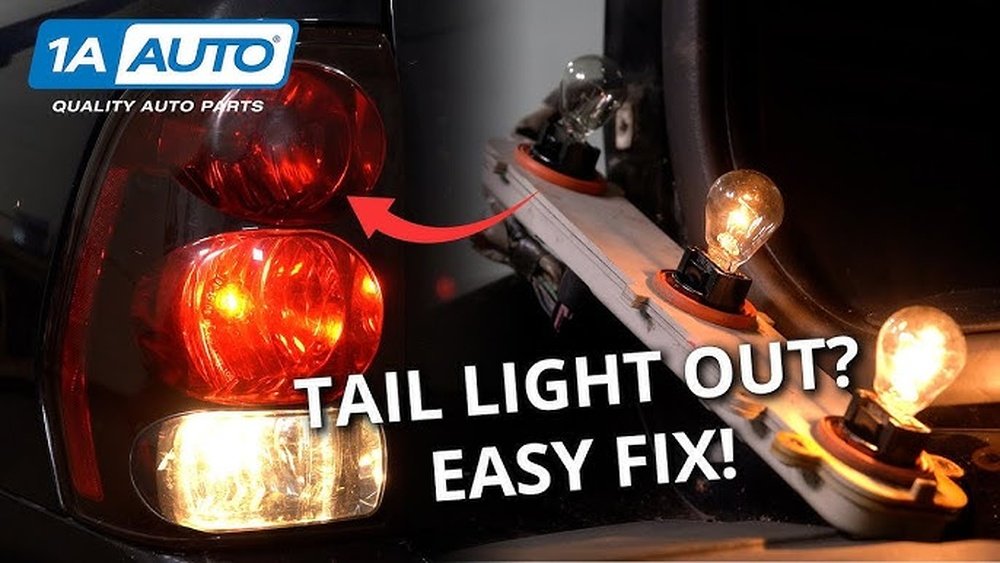
1. Replace A Burnt-out Bulb
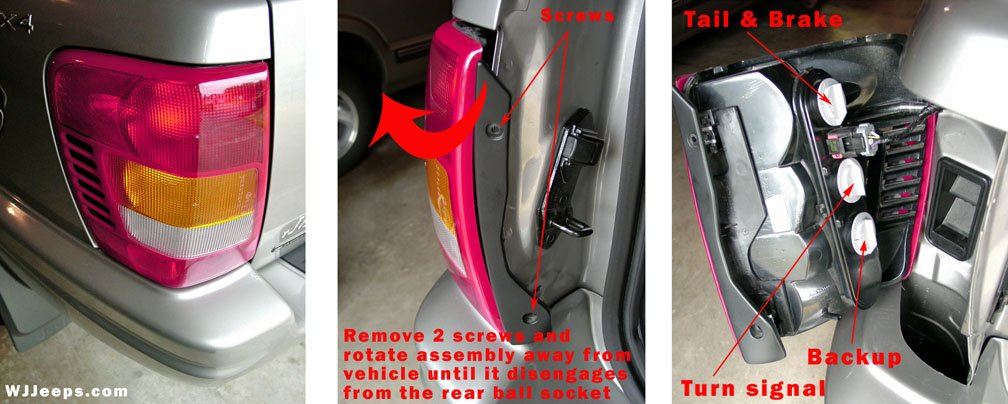
- Open the tailgate and locate the screws or clips holding the tail light assembly.
- Remove the assembly gently.
- Twist the bulb socket counterclockwise and pull it out.
- Inspect the bulb filament. If broken or dark, replace with the correct bulb type (check your manual).
- Reinstall everything in reverse order.
On average, bulbs cost under $10 and take less than 15 minutes to replace.
2. Check And Replace Fuses
- Locate the fuse box (usually under the dash or hood).
- Find the tail light fuse by reading the box diagram.
- Pull the fuse and check if the metal strip inside is broken.
- Replace with a fuse of the same amperage if needed.
A blown fuse may signal a bigger issue, like a short circuit.
3. Inspect Wiring And Connectors
- With the light assembly out, examine the wiring harness.
- Look for corrosion, broken wires, or loose connections.
- Spray electrical contact cleaner and tighten connections.
- If wires are frayed, splice and insulate with electrical tape.
Many owners miss hidden wiring damage, especially after rear-end accidents.
4. Fixing Water Intrusion
Water inside the tail light can cause repeated bulb failure or shorts.
- Dry the assembly fully.
- Seal cracks with clear automotive silicone.
- Consider replacing the assembly if damage is severe.
A small crack can let in enough water to corrode sockets and cause ongoing problems.
5. Replace The Tail Light Assembly Or Module
If none of the above works, the problem may be the assembly or, in newer models, the body control module (BCM).
- For the assembly: Remove the old unit, disconnect wiring, and install the new one.
- For BCM: This job is complex. It’s better to consult a mechanic or dealership for diagnosis and reprogramming.
The average cost of a new tail light assembly is $100 $300, while a BCM replacement can exceed $500.
Comparison: Common Tail Light Problems By Jeep Grand Cherokee Model Year
Not all models have the same issues. Here’s a quick comparison.
| Model Year | Frequent Issues | Repair Difficulty |
|---|---|---|
| 1999–2004 (WJ) | Bulbs, wiring corrosion | Low |
| 2005–2010 (WK) | Connectors, lens cracks | Medium |
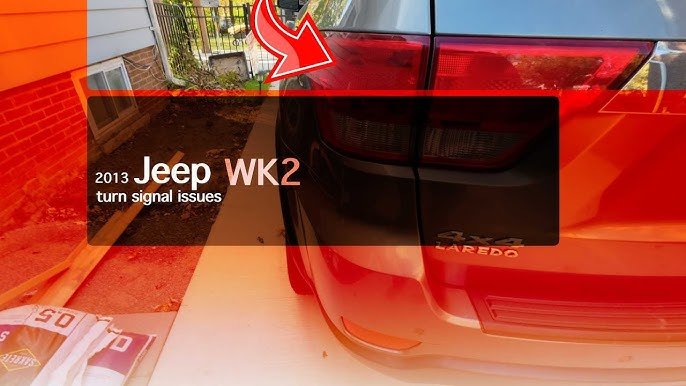
| 2011–2020 (WK2) | LED module, BCM faults | High |
Older models are usually easier and cheaper to repair, while newer models may require dealer equipment.
Tips To Prevent Tail Light Problems
- Check tail lights monthly—ask a friend to help or use a wall reflection.
- Use bulbs and fuses that match Jeep specifications.
- Keep tail light assemblies clean and dry.
- Fix cracks or seal leaks quickly to prevent water damage.
- If you tow trailers often, inspect wiring more frequently—trailer wiring is a common source of shorts.
Many owners overlook the impact of aftermarket modifications. Installing non-standard lights or wiring can introduce new problems, so stick with trusted brands and follow instructions carefully.
When To See A Professional
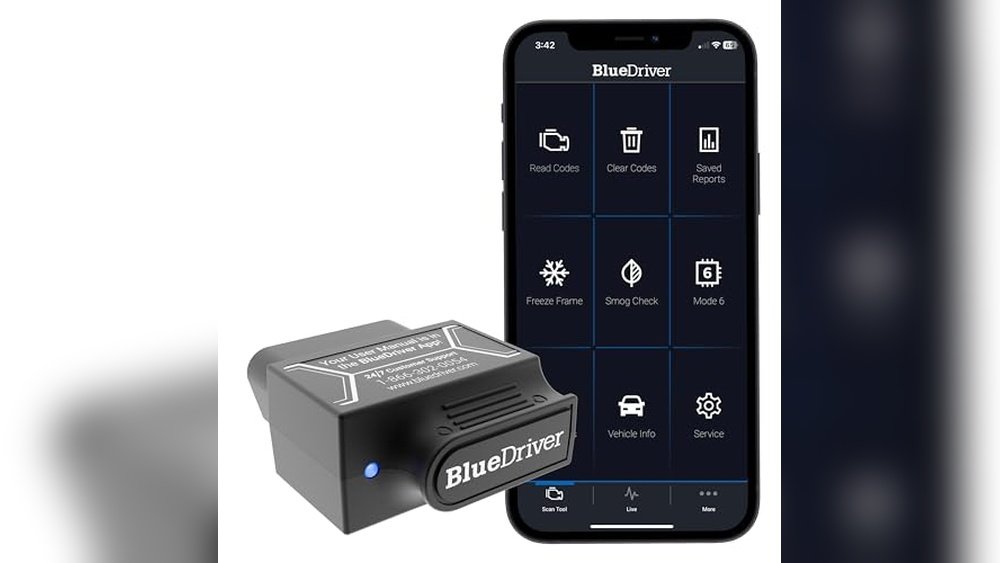
If you’ve tried the above and the tail light still doesn’t work, or if other electrical systems are acting up, it’s time to see a professional. Modern Jeeps can have complex electrical systems that require diagnostic tools.
Persistent electrical issues could also mean a bigger safety risk.
For more detailed technical guides, you can visit the official Jeep website.
Frequently Asked Questions
Why Do My Jeep Grand Cherokee Tail Lights Keep Burning Out?
Frequent bulb failure can mean poor-quality bulbs, excessive vibration, or water inside the assembly. Check for moisture and only use Jeep-approved bulbs.
Can I Use Led Bulbs Instead Of Standard Bulbs?
Yes, but you may need additional resistors or modules to avoid error messages or flickering. Always check compatibility before upgrading.
How Do I Know If The Tail Light Fuse Is Bad?
A bad fuse will look broken or burnt when pulled out. If you replace it and it blows again quickly, there may be a wiring short.
What Should I Do If Only One Side Isn’t Working?
Replace the bulb first. If that doesn’t help, inspect the socket and wiring for corrosion or loose connections.
Are Tail Light Problems Covered By Warranty?
If your Jeep is still under warranty and the problem is not due to damage or modifications, repairs are often covered. Check with your dealer for details.
Fixing your Jeep Grand Cherokee’s tail lights yourself is possible for most owners. With careful checks and the right parts, you can restore your lights and drive safely.
Catching problems early makes a big difference, so regular inspections are worth your time.