If you own a Jeep JK, you know how important reliable four-wheel drive is. The four-wheel disconnect system lets you switch between two-wheel and four-wheel drive, giving you better traction when driving off-road or in tough conditions. But what happens when this system fails? Many Jeep JK owners face problems with the four-wheel disconnect, such as warning lights, rough shifting, or loss of four-wheel drive. Fixing this issue can feel complex, but with the right steps and knowledge, you can get your Jeep back to peak performance.
This guide will walk you through how to diagnose, repair, and maintain the four-wheel disconnect on your Jeep JK. You’ll learn what causes common failures, how to fix them, and how to avoid mistakes that could lead to costly repairs.
Whether you’re a DIY enthusiast or just want to understand what your mechanic is doing, you’ll find practical advice here.
Understanding The Four Wheel Disconnect On Jeep Jk
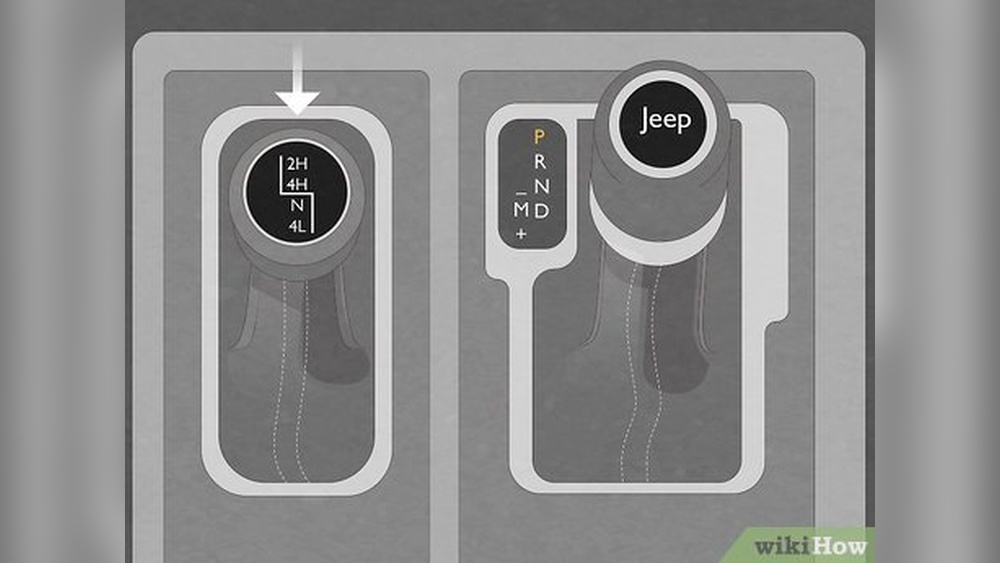
The Jeep JK uses a system known as the front axle disconnect (FAD) or axle disconnect system. This system helps improve fuel efficiency by disconnecting the front axle when four-wheel drive is not needed. When you shift into four-wheel drive, a collar inside the axle slides over, connecting the left and right axle shafts. This sends power to all four wheels.
Key Components
- Axle disconnect actuator: This electronic part moves the collar that connects or disconnects the axle shafts.
- Shift collar: This slides to connect or disconnect the shafts.
- Sensors: They report the position of the disconnect to your Jeep’s computer.
- Wiring harness: Delivers power and signals to the actuator and sensors.
If any of these parts fail, the four-wheel disconnect may not work.
Common Signs Of Four Wheel Disconnect Problems
Knowing the symptoms can save you time and money:
- Four-wheel drive warning light: This is the most common sign something is wrong.
- Grinding or clicking noises: Strange sounds from the front axle when shifting.
- Four-wheel drive won’t engage: You select 4WD, but the front wheels don’t get power.
- Vibration or rough ride: Especially after driving off-road.
- Error codes: Diagnostic codes like C140F, C1407, or C1408 may appear.
Catching these signs early can help prevent more serious damage.
Diagnosing The Problem
Before you start replacing parts, you need to know exactly what’s wrong. Follow these steps for a proper diagnosis:
1. Visual Inspection
- Check the wiring harness for loose or broken wires.
- Look for oil leaks around the front axle disconnect housing.
- Make sure the actuator connector is secure.
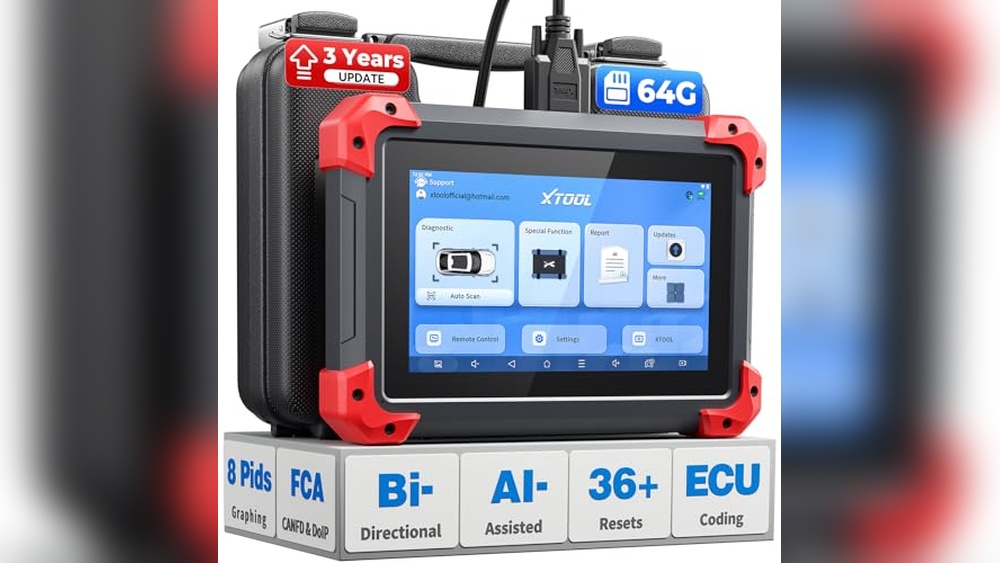
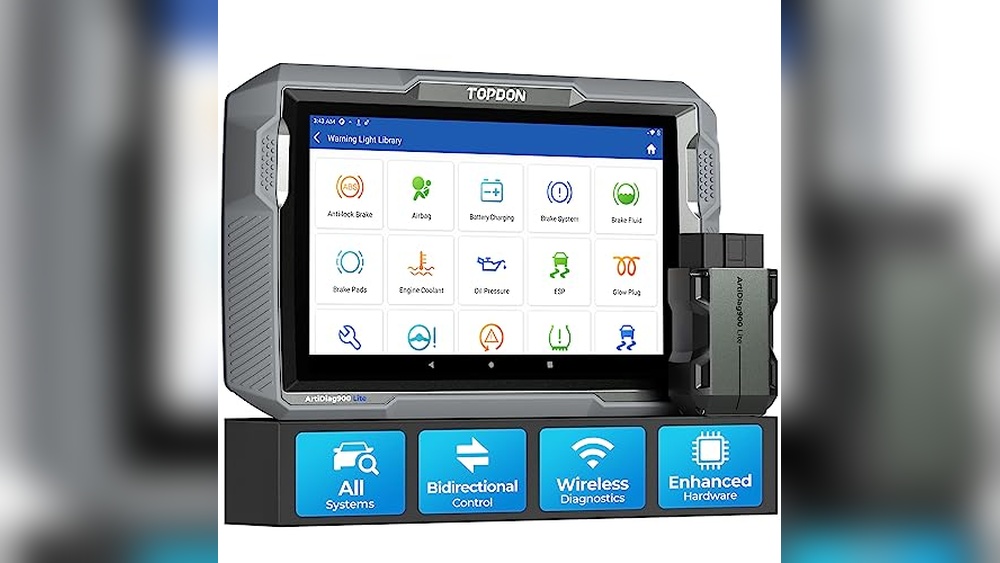
2. Use A Scan Tool
A scan tool can read error codes from your Jeep’s computer. Codes like C1407 or C1408 point to specific sensor failures, while C140F often means the actuator is not working.
3. Manual Operation Test
With your Jeep safely lifted and the ignition off:
- Disconnect the actuator.
- Try to move the shift collar by hand (with a screwdriver or small pry bar). It should move smoothly. If it’s stuck, the collar or gears may be damaged.
4. Check For Physical Damage
Look for broken gears, worn collars, or stripped splines inside the disconnect housing.
Tip: Some issues, like a stuck shift collar, may not trigger a warning light but will still prevent four-wheel drive from working.
Tools And Parts You’ll Need
Gather these before starting repairs:
- Socket set (metric and SAE)
- Screwdrivers
- Jack and jack stands
- Replacement actuator (if needed)
- New shift collar or gears (if damaged)
- RTV sealant or new axle disconnect gasket
- Torque wrench
- Scan tool (for clearing codes)
- Electrical contact cleaner
Optional but helpful:
- Shop manual for Jeep JK
- Axle fluid (if you need to top up or replace)
Step-by-step Guide: Fixing The Four Wheel Disconnect
Follow these steps to repair the most common problems. Always work safely support your Jeep with jack stands and wear gloves.
1. Disconnect The Battery
Before working on the electronics, disconnect the negative terminal to avoid shorts.
2. Lift The Vehicle
Use a jack to lift the front of your Jeep. Secure it with jack stands.
3. Remove The Front Axle Disconnect
- Locate the front axle disconnect housing on the passenger side of the axle.
- Remove the actuator’s electrical connector.
- Unbolt the disconnect housing (usually 5-6 bolts).
- Carefully pull the housing away from the axle.
4. Inspect Internal Components
- Check the shift collar for wear or damage.
- Inspect the gears and splines.
- Look for broken springs or debris inside.
If you see broken or worn parts, replace them. Most Jeep JK owners find the shift collar or actuator is the problem.
5. Replace The Actuator Or Shift Collar
If the actuator failed:
- Remove it from the housing.
- Install the new actuator, making sure the gasket or O-ring is in place.
If the shift collar or gears are damaged:
- Remove the damaged parts.
- Clean the housing with electrical contact cleaner.
- Install new parts, making sure they fit smoothly.
6. Reinstall The Housing
- Clean the gasket surface.
- Apply a new gasket or RTV sealant.
- Bolt the housing back to the axle (use a torque wrench to tighten to spec).
7. Reconnect Electrical Connections
Plug the actuator connector back in.
8. Lower The Jeep And Reconnect Battery
Take the Jeep off jack stands and reconnect the battery terminal.
9. Test The Repair
- Start the Jeep and shift into four-wheel drive.
- Watch for warning lights.
- Use a scan tool to clear any old error codes.
- Test drive to make sure four-wheel drive works properly.
Data: Common Jeep Jk Four Wheel Disconnect Issues
Here’s a comparison of common problems, symptoms, and fixes.
| Problem | Symptom | Fix |
|---|---|---|
| Failed actuator | 4WD light on, no engagement | Replace actuator |
| Worn shift collar | Grinding, hard shifting | Replace collar |
| Broken sensor | Error codes, light on | Replace sensor |
| Damaged wiring | Intermittent 4WD, no light | Repair wiring |
| Physical debris | Jammed mechanism | Clean and remove debris |
Tips For A Successful Repair
- Always use a torque wrench for housing bolts. Overtightening can crack the housing or cause leaks.
- Use OEM (original equipment manufacturer) parts for best fit and reliability.
- If you replace the actuator, make sure it is compatible with your Jeep JK’s year and model.
- Clean electrical connectors before reinstalling to prevent corrosion.
- If you see metal shavings inside the disconnect housing, flush the axle and replace fluid to prevent future wear.
Preventing Future Four Wheel Disconnect Problems
Proper care can save you from repeating the repair. Here are some maintenance tips:
- Inspect the front axle disconnect housing for leaks at every oil change.
- Avoid water crossings deeper than the axle housing—water can cause rust or short circuits.
- Use four-wheel drive regularly. This keeps the shift collar and gears moving, preventing them from sticking.
- After off-road trips, check for mud or debris around the disconnect housing.
- Keep the wiring harness clean and free from damage.
Non-obvious insight: Many owners forget that low axle fluid can cause the actuator to overheat and fail. Check and top up fluid regularly.
Cost Comparison: Diy Vs. Shop Repair
Fixing the four-wheel disconnect yourself can save money, but sometimes professional help is better. Here’s a simple cost comparison.
| Repair Type | DIY Cost (USD) | Shop Cost (USD) | Time Needed |
|---|---|---|---|
| Actuator replacement | $150–$300 | $400–$700 | 1–2 hours |
| Shift collar replacement | $80–$200 | $350–$600 | 2–3 hours |
| Sensor replacement | $30–$60 | $120–$250 | 30–60 min |
| Wiring repair | $10–$30 | $100–$200 | 1–2 hours |
Non-obvious insight: Many shops will replace the whole disconnect assembly when only the actuator or collar is bad. This costs more but is not always needed. Careful diagnosis can save you hundreds of dollars.
When To Seek Professional Help
While most Jeep JK owners can handle basic repairs, there are times when it’s best to call a professional:
- If you find major gear or axle damage
- If you don’t have the right tools or experience
- When error codes don’t clear after repairs
- If the problem returns quickly
A professional mechanic can use advanced diagnostic tools to pinpoint problems and ensure a lasting repair.
What Causes The Four-wheel Disconnect To Fail On A Jeep Jk?
The most common causes are actuator failure, worn shift collars, damaged sensors, or broken wires. Water, mud, or lack of use can also cause the system to stick or corrode.
Can I Drive My Jeep Jk If The Four-wheel Disconnect Is Broken?
You can usually drive in two-wheel drive if the disconnect is stuck open. However, driving with a stuck closed disconnect on dry pavement can damage your transfer case or front axle.
Always fix the problem as soon as possible.
How Do I Know If My Actuator Is Bad?
A failed actuator often triggers a four-wheel drive warning light or error codes like C140F. You may also notice the Jeep won’t shift into four-wheel drive or hear clicking noises from the front axle.
Is It Better To Use Oem Or Aftermarket Parts For Repair?
OEM parts fit best and are most reliable. Some aftermarket actuators are cheaper but may not last as long or work perfectly with your Jeep’s electronics.
Where Can I Find Official Repair Guides Or Diagrams?
Official repair manuals and diagrams are available from Mopar (Jeep’s parts brand) or on the Jeep Official Site. These resources offer step-by-step instructions and detailed images.
Restoring your Jeep JK’s four-wheel drive system is an achievable project with the right guidance.
By diagnosing the problem carefully and following these steps, you can fix the four-wheel disconnect, save money, and get back to enjoying your Jeep both on and off the road.
Remember to keep up with maintenance to avoid future issues your adventures depend on it.