Jeep XJ owners love their vehicles for off-road strength and reliability, but many fear one phrase: death wobble. This violent front-end shake can make your Jeep almost undrivable and scare even experienced drivers.
If you’ve ever felt your steering wheel shake uncontrollably after hitting a bump, you know the feeling. Fixing death wobble isn’t just about comfort; it’s about safety.
This guide will show you practical steps to diagnose, fix, and prevent death wobble in your Jeep XJ.
What Is Death Wobble?
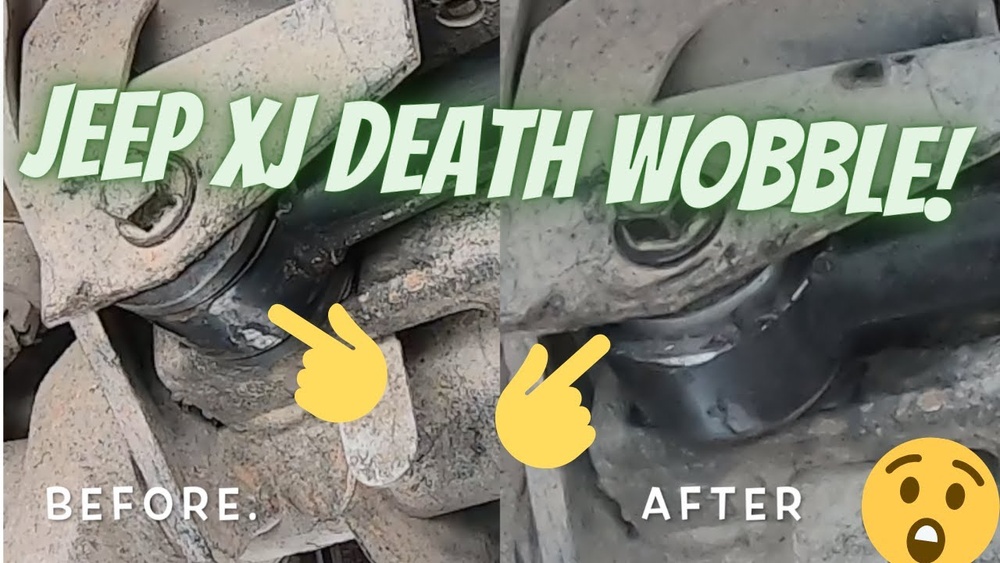
Death wobble is a severe vibration or shaking in the front suspension and steering. It usually happens at speeds above 45 mph after hitting a bump or pothole.
The steering wheel may shake so hard it feels like the Jeep will fall apart. Death wobble is not just annoying; it can be dangerous if not fixed.
Common Causes Of Death Wobble In Jeep XJ
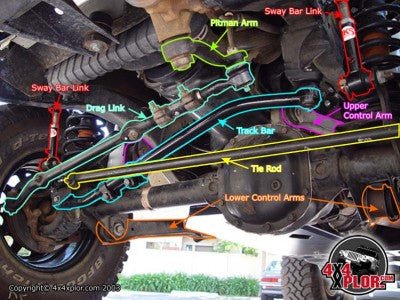
Several problems can cause death wobble. Most involve worn or loose parts in the suspension and steering systems.
| Cause | How It Contributes |
|---|---|
| Worn Track Bar Bushings | Allows excessive axle movement |
| Loose Tie Rod Ends | Reduces steering stability |
| Bad Wheel Bearings | Creates play in wheel assembly |
| Unbalanced Tires | Triggers vibration at speed |
| Faulty Shocks | Fails to control suspension movement |
Step-by-step Guide To Fixing Death Wobble
Addressing the death wobble requires careful checks and sometimes replacing parts. Follow these steps for a systematic fix.
1. Inspect And Tighten All Bolts
Loose bolts are a top cause. Start with the track bar (both axle and frame side). Also check the control arms, sway bar, and steering box.
- Use a torque wrench for correct tightness.
- Don’t forget the lug nuts on all wheels.
2. Check Track Bar And Bushings
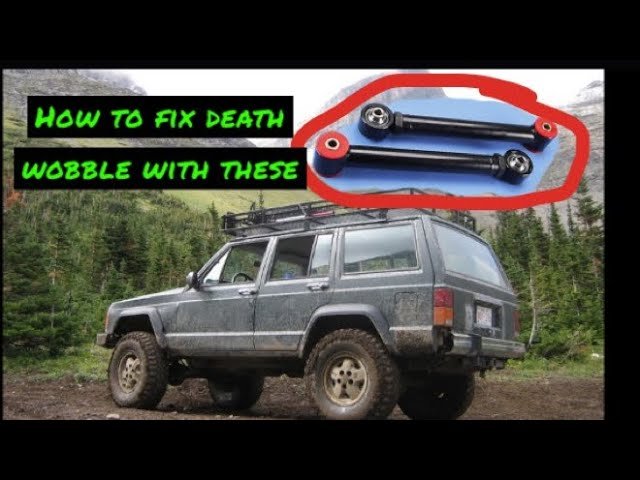
The track bar keeps the axle centered. Worn bushings or a loose track bar let the axle move sideways.
- Have someone turn the steering wheel back and forth.
- Watch for side-to-side movement at the track bar ends.
- Replace bushings or the bar if you see movement.
3. Inspect Tie Rod Ends And Drag Link
Worn tie rod ends or drag links cause sloppy steering.
- Grab the tie rod and try to move it by hand.
- Any play means it’s time for new parts.
4. Examine Ball Joints And Wheel Bearings
Lift the front end and grab the tire at 12 and 6 o’clock.
- Wiggle the tire; movement means bad ball joints or wheel bearings.
- Replace any worn components.
5. Balance And Align Tires
Unbalanced or misaligned tires can trigger death wobble.
- Get tires professionally balanced.
- Request a front-end alignment after replacing parts.
6. Check Shocks And Steering Stabilizer
Shocks and stabilizers don’t cause death wobble, but can make it worse.
- Replace any leaking or weak shocks.
- A fresh steering stabilizer can improve ride, but it won’t cure death wobble alone.
7. Inspect Control Arm Bushings
Old bushings can let the axle shift.
- Replace cracked or soft bushings.
8. Look For Bent Or Damaged Parts
Off-roading can bend steering or suspension parts.
- Compare the left and right side components visually.
- Replace any visibly bent part.
How Much Does It Cost To Fix Death Wobble?
Costs depend on which parts are bad. Here’s a general comparison:
| Part | DIY Cost (USD) | Shop Cost (USD) |
|---|---|---|
| Track Bar | $50–$150 | $200–$350 |
| Tie Rod Ends | $40–$100 | $150–$300 |
| Ball Joints | $80–$200 | $250–$600 |
| Wheel Alignment | – | $70–$120 |
| Steering Stabilizer | $30–$80 | $100–$200 |
Tip: Fixing the cause is more important than adding parts like dual steering stabilizers. These only mask the problem.
Preventing Death Wobble After Repairs
Once you fix death wobble, keep it from coming back with these habits:
- Inspect suspension and steering parts at every oil change.
- Avoid cheap lift kits—use quality components.
- Balance tires after off-road trips or tire changes.
- Retorque bolts regularly, especially after rock crawling.
Some Jeep owners ignore small vibrations. Don’t wait fix issues before they get worse.
Common Mistakes To Avoid
- Only replace the steering stabilizer. This rarely fixes the root problem.
- Ignoring small parts like bushings and bolts. Minor wear can lead to big problems.
- Using used or low-quality replacement parts. Always choose trusted brands.
- Skipping an alignment after repairs.
Real-world Example
One Jeep XJ owner replaced only his shocks and steering stabilizer. The wobble improved for a week, then returned worse.
After inspecting, he found a loose track bar bolt and worn tie rod ends. Replacing these finally solved the problem.
This shows the importance of careful inspection and fixing the real cause.
When To See A Professional
If you’re not comfortable working under your Jeep, or if death wobble persists after basic repairs, take your vehicle to a 4×4 specialty shop. Some problems require advanced tools or alignment equipment. Investing in expert help can save time, money, and keep you safe.
You can find more detailed technical information at the official Jeep Cherokee (XJ) Wikipedia page.

Frequently Asked Questions
What Is The Main Cause Of Death Wobble In A Jeep Xj?
The main cause is usually a loose or worn track bar or its bushings. Other parts like tie rod ends, ball joints, or unbalanced tires can also cause or worsen death wobble.
Will A Steering Stabilizer Fix Death Wobble By Itself?
No, a steering stabilizer can reduce the shake but does not fix the underlying problem. Always address loose or worn suspension and steering parts first.
How Dangerous Is Death Wobble?
Death wobble is very dangerous. It can make you lose control of your Jeep, especially at highway speeds.
Always slow down and pull over safely if it happens.
Can I Drive With Death Wobble Until I Fix It?
It’s risky to keep driving with death wobble. Continuing to drive can damage more parts and put you and others at risk. Fix it as soon as possible.
How Can I Prevent Death Wobble From Coming Back?
Regularly inspect and maintain your suspension and steering systems. Use quality parts, keep tires balanced, and retorque bolts often, especially after off-roading.
Death wobble can feel overwhelming, but it’s fixable. With careful steps and attention to detail, your Jeep XJ can run smooth and safe for years to come.