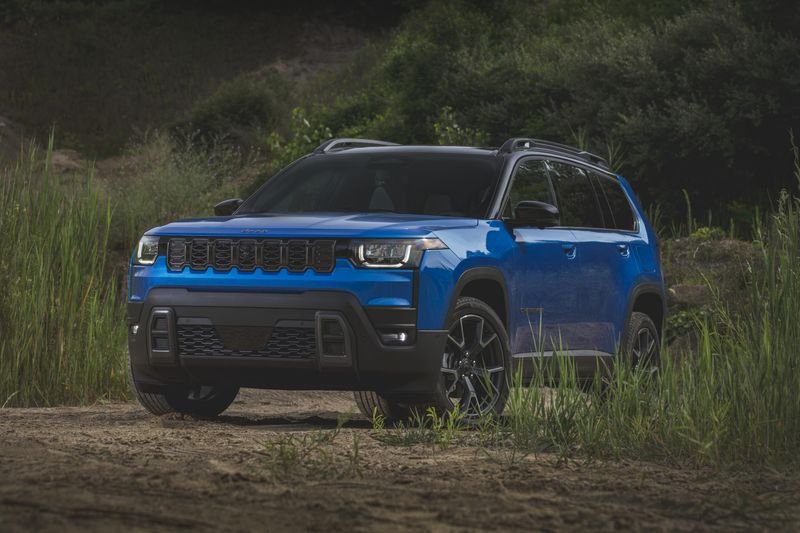
A leaking Jeep soft top can ruin your driving experience. Water gets inside, seats get wet, and sometimes there’s a musty smell.
Many Jeep owners face this problem, especially as their vehicle ages. The good news?
You can often fix leaks yourself using simple tools and careful steps.
This guide will show you how to identify and repair leaks, avoid common mistakes, and keep your Jeep dry even in heavy rain.
Common Causes Of Soft Top Leaks
Jeep soft tops are designed to withstand tough weather, but they aren’t invincible. Most leaks happen because of:
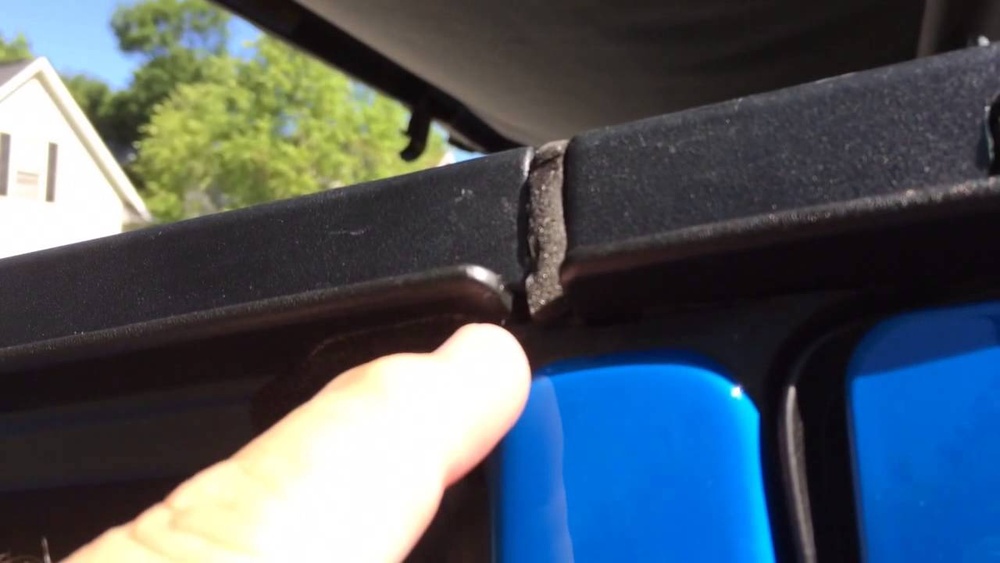
- Worn or cracked seals around doors and windows
- Loose or misaligned hardware connecting the top to the body
- Tears or holes in the fabric or plastic windows
- Poor installation after removing or replacing the top
Older Jeeps, or those exposed to sun and wind, are more likely to develop leaks. Surprisingly, even a new soft top can leak if not installed correctly.
Locating The Leak
Finding the exact spot where water enters is often the hardest step. Here are the most effective methods:
- Visual Inspection: Check all seams, zippers, and window edges for gaps or damage.
- Water Test: Use a hose or a bucket of water. Pour water slowly over one section at a time. Sit inside and watch for drips.
- Talcum Powder Trick: Dust the inside seams with powder. When water leaks in, it leaves a visible trail.
Don’t rush this process. Leaks can travel along surfaces and drip far from the entry point.

Tools And Materials You’ll Need
Before starting repairs, gather these essentials:
- Weatherproof adhesive or sealant (silicone-based for flexibility)
- Rubbing alcohol for cleaning
- Microfiber cloths
- Replacement seals (if needed)
- Vinyl or canvas repair kit (for patching fabric)
- Plastic window cleaner
- Screwdriver and wrench (for hardware adjustments)
Optional but helpful: a friend to pour water while you watch inside.
Step-by-step Repair Guide
1. Tighten Or Realign Hardware
Check all connection points where the soft top frame meets the Jeep’s body. Use the right tools to tighten loose screws or bolts.
Even small gaps at these spots can lead to major leaks.
2. Clean And Inspect Seals
Wipe down door and window seals with rubbing alcohol. Dirt and debris can stop seals from closing tightly.
Look for cracks or flat spots. If the seal is damaged, replace it with a new one designed for your Jeep model.
3. Seal Small Gaps
If you find tiny gaps (less than 1/8 inch), apply a thin bead of weatherproof sealant. Let it cure fully before getting the area wet again.
4. Patch Tears Or Holes
For fabric or vinyl tops:
- Use a repair kit patch and adhesive as directed.
- Cut the patch slightly larger than the hole.
- Press firmly and let it dry at least 12 hours.
For plastic windows, use a specialty window repair patch. Never use duct tape it fails in sunlight and rain.
5. Replace Severely Damaged Parts
If the window or section of fabric is too damaged, replacement is the only real fix. Compare the cost of repair kits versus new panels using the comparison below:
| Repair Type | Average Cost | Durability |
|---|---|---|
| Patch Kit | $15 – $40 | 6-12 months |
| Sealant | $8 – $20 | 6-18 months |
| New Panel | $120 – $300 | 3-7 years |
For frequent leaks or large tears, a new panel is a better investment.
Preventing Future Leaks
Prevention saves time and money. Here are the best strategies:
- Lubricate seals every 2-3 months. Use a silicone-based product.
- Remove debris after off-roading or storms.
- Store the Jeep in shade to prevent seal cracking.
- Inspect after each season for wear or mold.
Many Jeep owners overlook regular cleaning. Even small bits of sand or leaves can damage seals over time.
Real-world Example
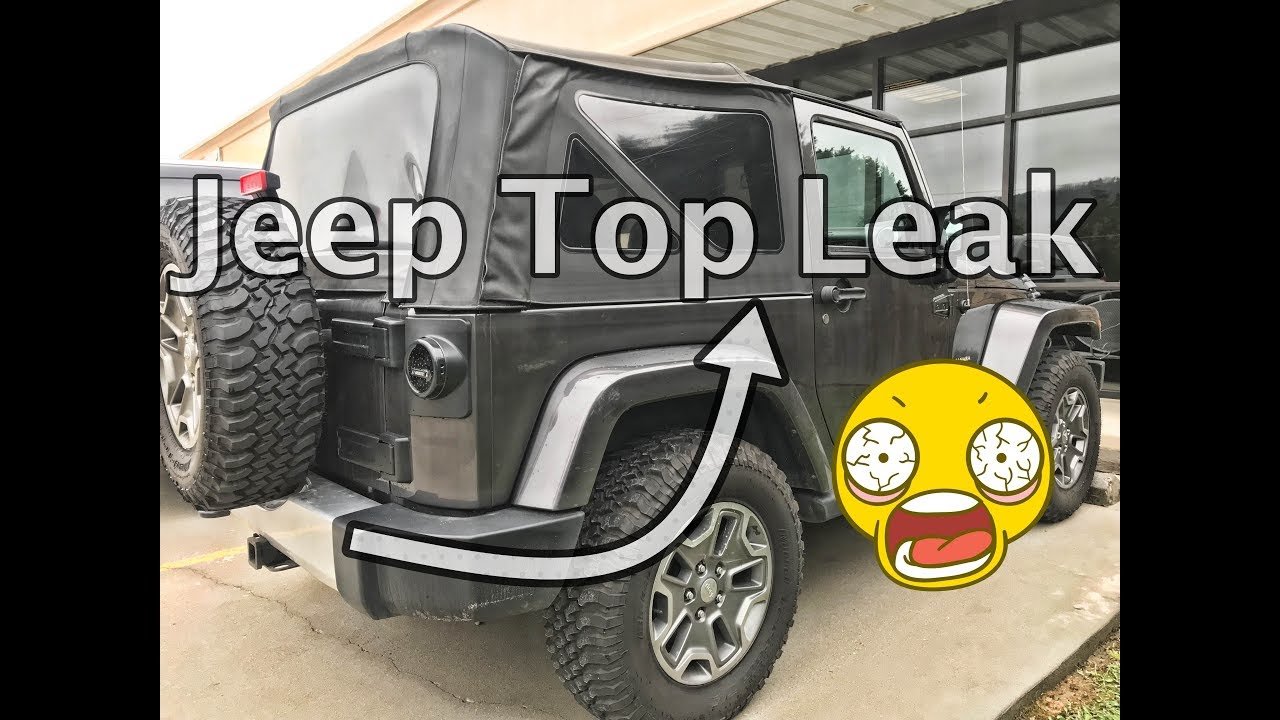
Consider a 2015 Jeep Wrangler with a leaking rear window. The owner found a tiny tear near the zipper. After cleaning, they patched the tear with a vinyl kit. They also realigned the window frame using a screwdriver. The leak stopped completely, and the repair lasted two years.
This shows that careful inspection and the right materials make a big difference.
Comparing Soft Top Materials
Different Jeep soft tops have different leak risks. Here’s a quick comparison:
| Material | Leak Resistance | Typical Lifespan |
|---|---|---|
| Vinyl | Good | 3-5 years |
| Canvas | Excellent | 5-8 years |
| Hybrid (vinyl/canvas) | Very Good | 4-7 years |
Canvas tops last longer and resist UV damage better, but cost more upfront.
When To Seek Professional Help
DIY repairs work for small leaks and minor damage. However, seek a professional if:
- The leak is large or hard to find
- The frame is bent or rusted
- Replacement parts are expensive or hard to install
Shops can pressure test your Jeep to find hidden leaks. They also offer warranties on major repairs.

Frequently Asked Questions
Why Does My Jeep Soft Top Still Leak After Sealing?
Often, leaks continue because the source wasn’t found. Water can travel along seams and drip far from the entry point. Double-check for hidden holes or loose hardware.
Can I Use Household Sealant Or Glue?
No. Always use automotive-grade sealants designed for soft tops. Household products often crack or peel in outdoor weather.
How Often Should I Replace My Jeep Soft Top?
Most soft tops last 3-7 years depending on material and care. Replace sooner if there are frequent leaks or sun damage.
Is It Safe To Drive With A Leaking Soft Top?
Yes, but it’s not comfortable. Wet interiors can cause mold and damage electronics. Fix leaks quickly to avoid bigger problems.
Where Can I Find Official Repair Guides?
The official Jeep website and forums like WranglerForum offer model-specific guides and tips.
A leaking Jeep soft top is frustrating, but it’s usually fixable with patience and the right approach. Regular inspection and care help prevent leaks before they start.
When in doubt, don’t hesitate to consult a professional keeping your Jeep dry means more fun, less hassle, and a longer life for your vehicle.