Towing a vehicle is not as simple as attaching a tow rope and hitting the road. One of the most crucial steps is to disengage the transmission properly.
Failing to do this can cause severe damage, expensive repairs, or even total transmission failure. Whether you drive an automatic or manual car, knowing the right way to prepare your vehicle for towing is essential for safety and car health.
This guide explains, in clear steps, how to disengage your transmission for towing, the tools you’ll need, and the common mistakes to avoid.
Why Disengaging Transmission Matters
Modern transmissions are complex and sensitive. When a car is towed with the transmission engaged, parts inside can spin without proper lubrication. This can cause overheating, wear, and sometimes even permanent damage. Manufacturers often include specific instructions in the owner’s manual because every car is a bit different.
Key reasons to disengage transmission:
- Prevents costly internal damage
- Keeps warranty valid
- Ensures smooth movement during towing
Types Of Transmissions And Towing
Not all transmissions are the same, and the way you prepare for towing depends on your car’s system. Here’s a quick comparison:
| Transmission Type | Best Towing Method | Disengagement Needed? |
|---|---|---|
| Manual | Neutral, flat towing | Yes |
| Automatic (2WD) | Neutral, dolly or flatbed | Yes |
| Automatic (AWD/4WD) | Flatbed only | Special steps |
| Electric/Hybrid | Flatbed only | Usually not possible |
Manual transmissions are generally more forgiving, while automatics and hybrids can be easily damaged if towed incorrectly.

Step-by-step: Disengaging Your Transmission
The process for disengaging transmission for towing depends mainly on your vehicle’s transmission type. Here’s how you can do it safely.
1. Manual Transmission
- Turn off the engine.
- Press the clutch pedal fully.
- Move the gear shifter to neutral.
- Release the clutch.
- Confirm that the vehicle rolls freely—this means the transmission is disengaged.
2. Automatic Transmission
- Start the vehicle and press the brake pedal.
- Move the gear selector to neutral (N).
- For most cars, leave the key in the accessory position to unlock the steering.
- If the car has an electronic shifter or push-button start, check the manual for special procedures. Some require a “shift lock release” button.
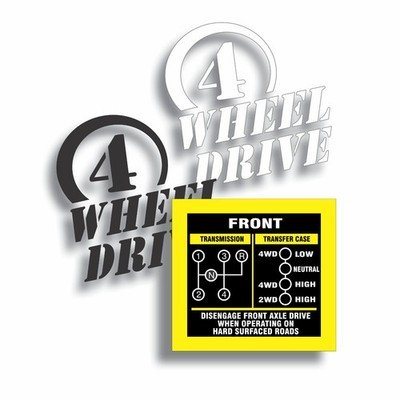
3. All-wheel Drive (awd) And 4wd Vehicles
AWD and 4WD cars often require extra care. Most cannot be towed with wheels on the ground unless the transfer case is in neutral. Some newer models do not allow this at all.
- Always check the owner’s manual.
- If your vehicle has a transfer case, set it to neutral (usually a lever or switch).
- For most AWD/4WD automatics, use a flatbed tow truck.
4. Electric And Hybrid Vehicles
Most electric and hybrid cars should never be towed with the wheels on the ground, as this can damage the electric motor and battery system. Flatbed towing is the safest method.
Tools And Preparations
Before you start, make sure you have:
- Owner’s manual (for vehicle-specific steps)
- Tow rope or bar rated for your vehicle’s weight
- Wheel chocks to prevent rolling during prep
- Gloves (optional, for safety)
Here’s a quick look at the typical tools and their use:
| Tool | Purpose |
|---|---|
| Owner’s manual | Reference for correct steps |
| Tow rope/bar | Connects vehicles safely |
| Wheel chocks | Prevents car from moving |

Common Mistakes To Avoid
Many drivers make small errors that can lead to big problems. Here are the most frequent mistakes:
- Forgetting to check the owner’s manual: Every car is a bit different. Always read your manual before towing.
- Leaving the car in park or gear: This can drag the engine and transmission, causing damage.
- Towing an AWD/4WD car with wheels on the ground: Unless the transfer case is neutral, this can destroy the drivetrain.
- Ignoring the steering lock: If the steering is locked, the wheels won’t follow the tow vehicle, leading to tire or suspension damage.
- Not using the right tow equipment: Using ropes or bars not rated for your vehicle’s weight is dangerous.
Practical Tips For Safe Towing
- If possible, always use a flatbed tow truck—it’s safer for most modern vehicles.
- For automatic transmissions, let the car idle for a few minutes before and after towing to help move fluid around.
- If you must tow with wheels on the ground, keep speeds under 25 mph and drive less than 50 miles.
- Make sure all lights on both vehicles are working and visible.
- Double-check that the transmission is truly in neutral—sometimes, especially with electronic shifters, the dashboard may not match the actual gear.

When To Call A Professional
If you are unsure at any step, or your vehicle is equipped with complex features (like smart key systems or electronic parking brakes), it’s safest to call a professional towing service. Incorrect towing can void warranties and lead to repair costs far greater than a tow bill. You can find more technical details on the Wikipedia Towing page.
Frequently Asked Questions
How Do I Know If My Car Can Be Flat Towed?
Check your owner’s manual for specific instructions. Some cars, especially older manuals, are designed for flat towing.
Many new automatics, hybrids, and AWD vehicles are not.
What Happens If I Tow My Car Without Disengaging The Transmission?
Towing with the transmission engaged can lead to overheating, gear damage, or even total transmission failure. It can also void your warranty.
Is Putting My Automatic In Neutral Enough For Safe Towing?
Sometimes, but not always. Some automatics need extra steps or even cannot be towed with wheels on the ground. Always verify with your manual.
Can I Tow My Car Backwards?
Never tow a vehicle backwards unless the manual specifically allows it. Most cars are designed to be towed facing forward to avoid drivetrain or steering issues.
What’s The Safest Way To Tow An Electric Or Hybrid Car?
A flatbed truck is the only safe way for most electric or hybrid vehicles. Towing with wheels on the ground can damage the electric motor and battery.
Towing seems simple, but modern cars need careful handling. Taking the time to disengage the transmission the right way will protect your vehicle, your wallet, and your peace of mind.