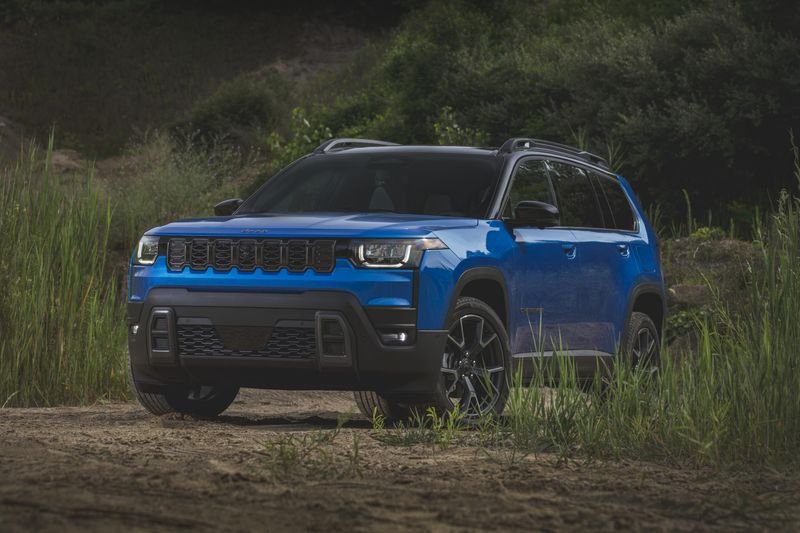
Switching your Jeep Wrangler from 2H (Two-Wheel Drive High) to 4H (Four-Wheel Drive High) is simple, but doing it the right way keeps your vehicle safe and your drive smooth. Many owners are unsure when and how to use these modes, especially if they're new to four-wheel drive systems.
Knowing the right process can prevent damage and give you more control in different road conditions.
Understanding 2h And 4h In Your Jeep Wrangler
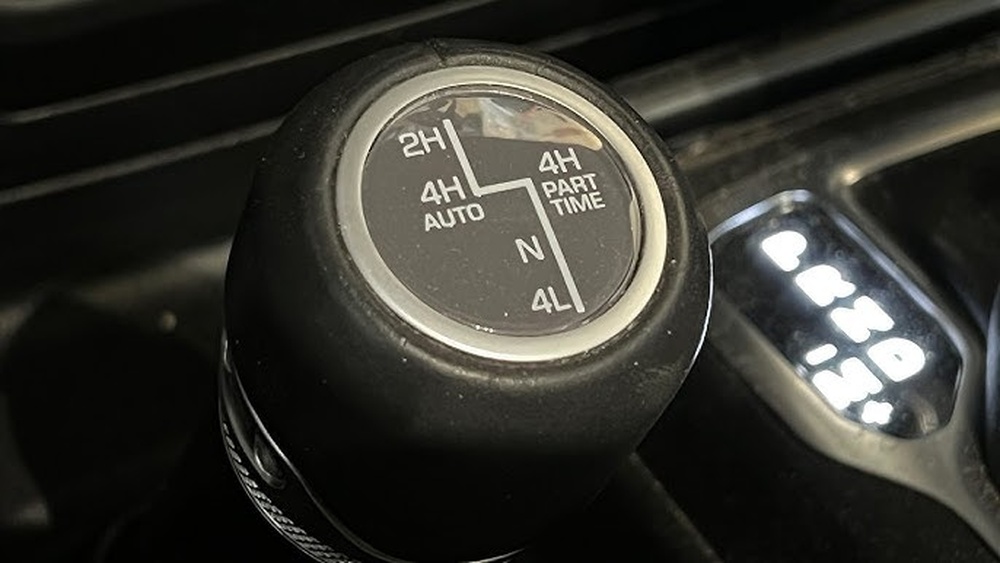
2H means power goes only to the rear wheels. This is best for dry pavement and normal driving. It offers better fuel economy and less noise. 4H, on the other hand, sends power to all four wheels. Use this setting for loose surfaces like snow, sand, gravel, or muddy roads. Switching between these modes helps your Wrangler adapt to changing conditions.
Key Differences At A Glance
| Mode | Wheel Power | Best For | Fuel Economy |
|---|---|---|---|
| 2H | Rear wheels only | Dry pavement | Better |
| 4H | All four wheels | Slippery/loose surfaces | Lower |
When Should You Switch To 4h?
Changing from 2H to 4H is useful when you need extra traction. Here are common situations:
- Driving on snowy or icy roads.
- Traveling on muddy or wet fields.
- Crossing loose gravel or sandy terrain.
- Handling steep or uneven back roads.
It’s important not to use 4H on dry pavement. This can cause drivetrain binding, leading to expensive repairs.
Step-by-step: How To Change 2h To 4h
Switching from 2H to 4H in a Jeep Wrangler is designed to be easy, but there are important steps to follow.
Steps For Most Jeep Wrangler Models
- Drive Straight: Make sure your wheels are straight and you’re driving at a low, steady speed. Speeds under 45 mph (72 km/h) are ideal.
- Light Throttle: Keep your foot lightly on the gas pedal. Avoid sudden acceleration.
- Move the Lever: Without stopping, move the transfer case lever from 2H directly to 4H. You do not need to stop the vehicle.
- Listen and Feel: You may hear a small click or feel a slight change as the system engages.
- Check Indicator: Look at the dashboard. A 4H light should appear, showing the mode is active.
For newer Wranglers with electronic switches, the process is similar, but you turn a knob instead of moving a lever.
Important: Do Not Switch On Dry Pavement
Switching to 4H on high-traction surfaces can damage your Jeep. Always check the road before shifting.
Example Scenario
Imagine you are driving on a paved road and see a stretch of snow ahead. Slow down, keep driving straight, and shift from 2H to 4H before you reach the slippery part.
This keeps you ready for changing road conditions.
Common Mistakes And How To Avoid Them
Many Jeep owners make small errors when switching between drive modes. Here are mistakes to watch for:
- Switching at high speed: Always shift below 45 mph.
- Turning the steering wheel sharply while shifting: This can stress the system. Try to shift while driving straight.
- Forgetting to return to 2H: After leaving slippery roads, switch back to 2H for better fuel economy.
- Using 4H on dry pavement: This increases tire and drivetrain wear.

How 2h And 4h Affect Your Jeep
Changing drive modes changes how your Jeep handles and uses fuel.
| Setting | Handling | Fuel Use | Wear & Tear |
|---|---|---|---|
| 2H | Normal | Lower | Minimal |
| 4H | More stable on slippery roads | Higher | Increased on dry pavement |
Using 4H on suitable surfaces can improve safety but will use more fuel. Always switch back to 2H when you return to normal roads.
Practical Tips For Smooth Shifting
- Practice in a safe area before driving in bad weather.
- Keep your tires matched—different tire sizes can affect the 4WD system.
- Listen for unusual noises after shifting; this can warn you of a problem.
- Follow the owner’s manual for your specific Jeep model.
- Service your 4WD system regularly to keep it working smoothly.
A non-obvious tip: if your Wrangler feels stiff or hard to shift between modes, try rolling forward a few feet in neutral (if safe) before trying again. This can help the gears align and prevent damage.

What If 4h Doesn’t Engage?
Sometimes, 4H will not engage right away. Here’s what you can do:
- Double-check your speed; slow down if needed.
- Move the gear lever firmly but do not force it.
- Try rolling forward or backward slightly.
- If the dashboard light does not come on, stop and try again.
- If it still does not work, there may be a mechanical issue. Get your Jeep inspected by a professional.
When Not To Use 4h
Never use 4H on dry, paved roads. This is because your Jeep’s 4WD system is part-time, not full-time. Using 4H when there’s too much grip can cause:
- Drivetrain binding (sometimes called “crow hopping”)
- Increased tire wear
- Possible transfer case damage
Always switch back to 2H as soon as you return to good road conditions.
Comparing Jeep Wrangler 4wd Systems
Not all Jeep Wranglers use the same 4WD system. Here’s a quick comparison:
| Model Year | 4WD Type | Switching Method |
|---|---|---|
| Older (TJ, YJ) | Manual lever | Mechanical shift |
| Newer (JK, JL) | Electronic or manual | Lever or knob |
Always check your owner’s manual for your Jeep’s specific shifting process. For more details, the official Jeep 4×4 Guide offers a clear overview.
Frequently Asked Questions
How Fast Can I Drive In 4h?
You can drive up to about 45 mph (72 km/h) in 4H. Going faster can put extra stress on your 4WD system and is not recommended.
Can I Switch From 2h To 4h While Moving?
Yes, you can shift from 2H to 4H “on the fly” at low speeds. Make sure you are driving straight and not turning sharply.
Why Is My 4h Light Flashing?
A flashing 4H light usually means the system is trying to engage but hasn’t done so fully. Slow down, drive straight, and try shifting again.
Is It Bad To Drive In 4h All The Time?
Yes, using 4H all the time, especially on dry pavement, can cause drivetrain damage and increase fuel use. Use 4H only when extra traction is needed.
Do I Need To Stop To Switch From 4h Back To 2h?
No, you can usually switch back to 2H while driving at low speeds. Make sure the road is not slippery when you do so.
Switching your Jeep Wrangler from 2H to 4H is simple once you know the process. Practice in safe conditions and always pay attention to road surfaces.
This keeps your Jeep running smoothly and protects your vehicle’s drivetrain for years to come.