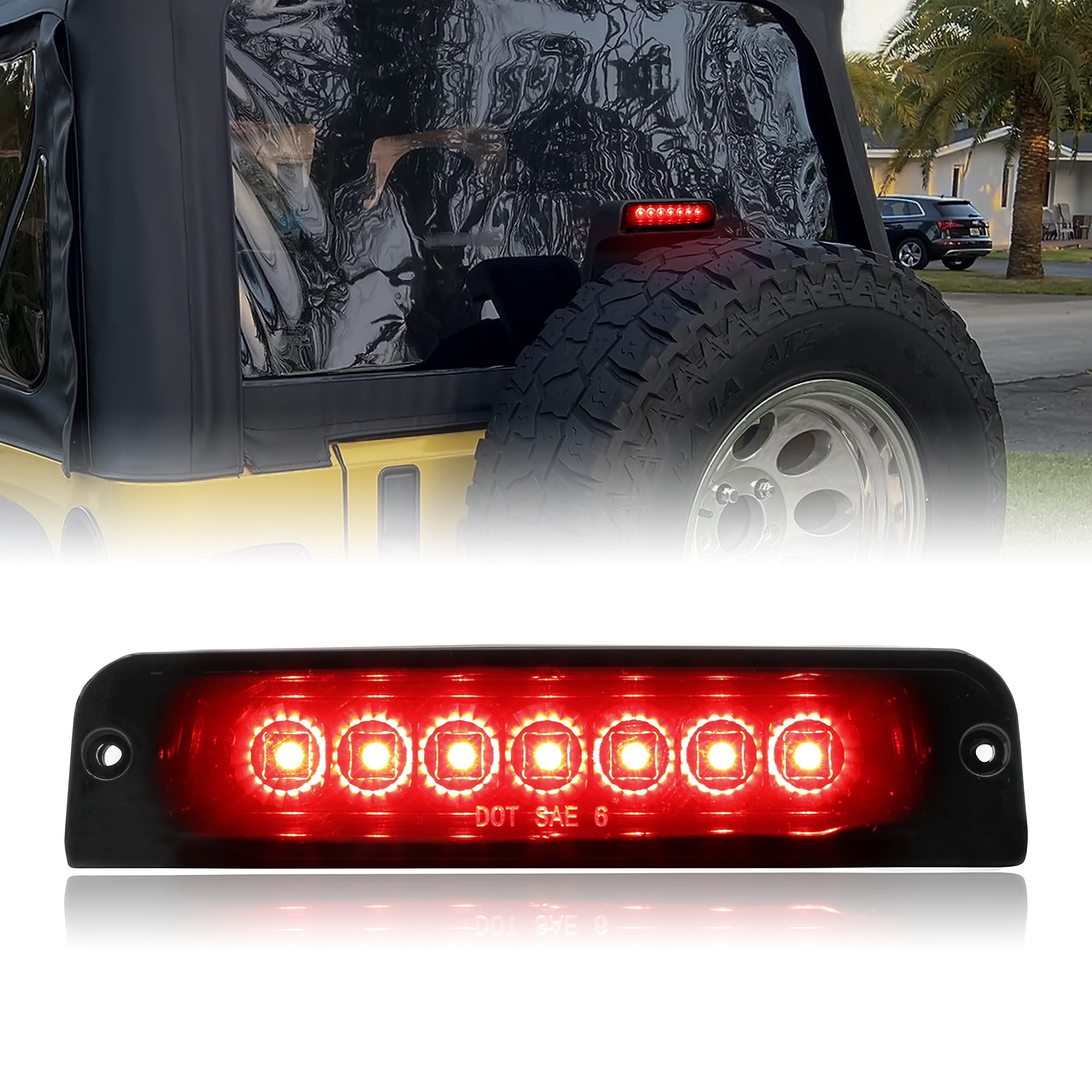
If your 1997 Jeep Cherokee brake light isn’t working, you’re not alone. Many owners face this problem at some point. A brake light is more than a bulb—it’s your main safety signal to drivers behind you. When it fails, you risk a ticket or, worse, an accident. Fixing it can look tricky, but with the right steps, anyone can do it. Whether you’re good with cars or just starting, this guide will help you fix your brake light quickly and safely.
Why Brake Lights Matter
Brake lights are required by law in all states. They tell other drivers when you’re slowing down or stopping. If even one brake light fails, it can confuse drivers behind you. According to the National Highway Traffic Safety Administration, rear-end collisions make up 29% of all car accidents in the US. Many of these accidents happen when brake lights are not working. Fixing your brake light is a simple but important job.
What You Need Before You Start
Before you fix the brake light, gather these tools:
- New brake light bulb (Check your owner’s manual for the right type—usually 3157 or 1157 for a 1997 Jeep Cherokee)
- Screwdriver (Phillips and flathead)
- Socket wrench set
- Work gloves
- Clean cloth
- Multimeter (for electrical testing, optional but helpful)
Having the right tools makes the job faster and avoids damage to your car’s parts.
Step-by-step Guide To Fixing The Brake Light
1. Check Which Brake Light Is Out
First, find out which brake light isn’t working. Ask a friend to press the brake pedal while you check the lights, or use a wall or garage door to reflect the lights back to you.
2. Access The Brake Light Assembly
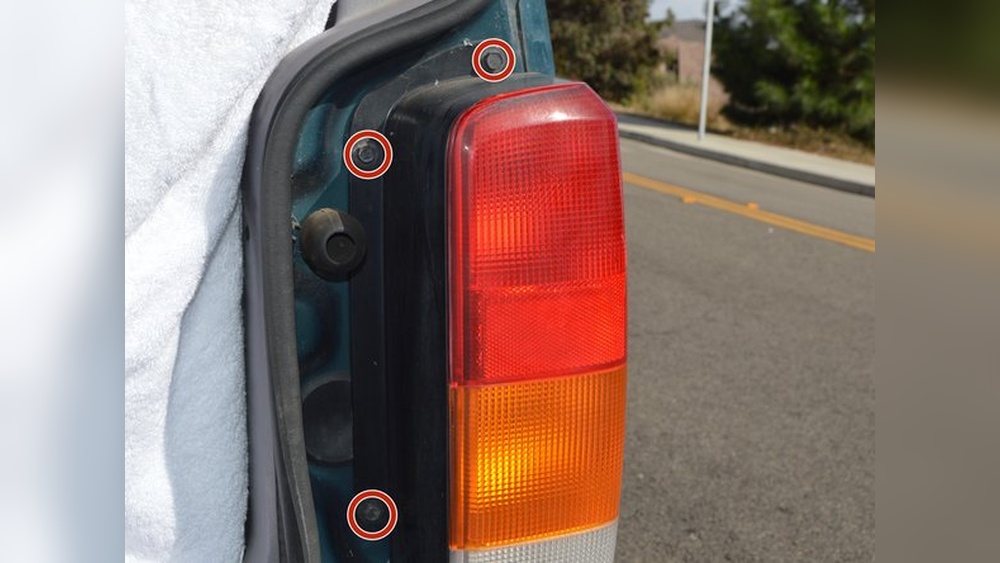
Open your rear hatch. In the 1997 Jeep Cherokee, the brake light assembly is on the outside corners of the back of the vehicle. Use your screwdriver or socket wrench to remove the screws holding the light assembly in place.
Keep the screws safe.
3. Remove The Old Bulb
Gently pull the light assembly out. You’ll see the bulb sockets at the back. Twist the socket counterclockwise to remove it. Pull the old bulb straight out. If it’s stuck, wiggle it gently don’t use too much force.
4. Inspect The Bulb And Socket
Look at the old bulb. If the filament inside looks broken or the glass is black, the bulb is dead. Also, check the socket for corrosion or dirt. Clean it with a dry cloth. If the socket is rusty, it may need to be replaced.
5. Install The New Bulb
Hold the new bulb with clean gloves or cloth (oils from your fingers can shorten its life). Push it straight into the socket. Twist the socket back into the assembly.
6. Test The Brake Light
Before you put the assembly back, ask a friend to press the brake pedal. If the new bulb lights up, you’ve fixed it. If not, there could be a wiring or switch issue.
7. Reinstall The Light Assembly
Once you’re sure the brake light works, line up the assembly and screw it back into place.
Common Problems And How To Solve Them
Sometimes, changing the bulb doesn’t fix the brake light. Here are other common issues:
Faulty Brake Light Switch
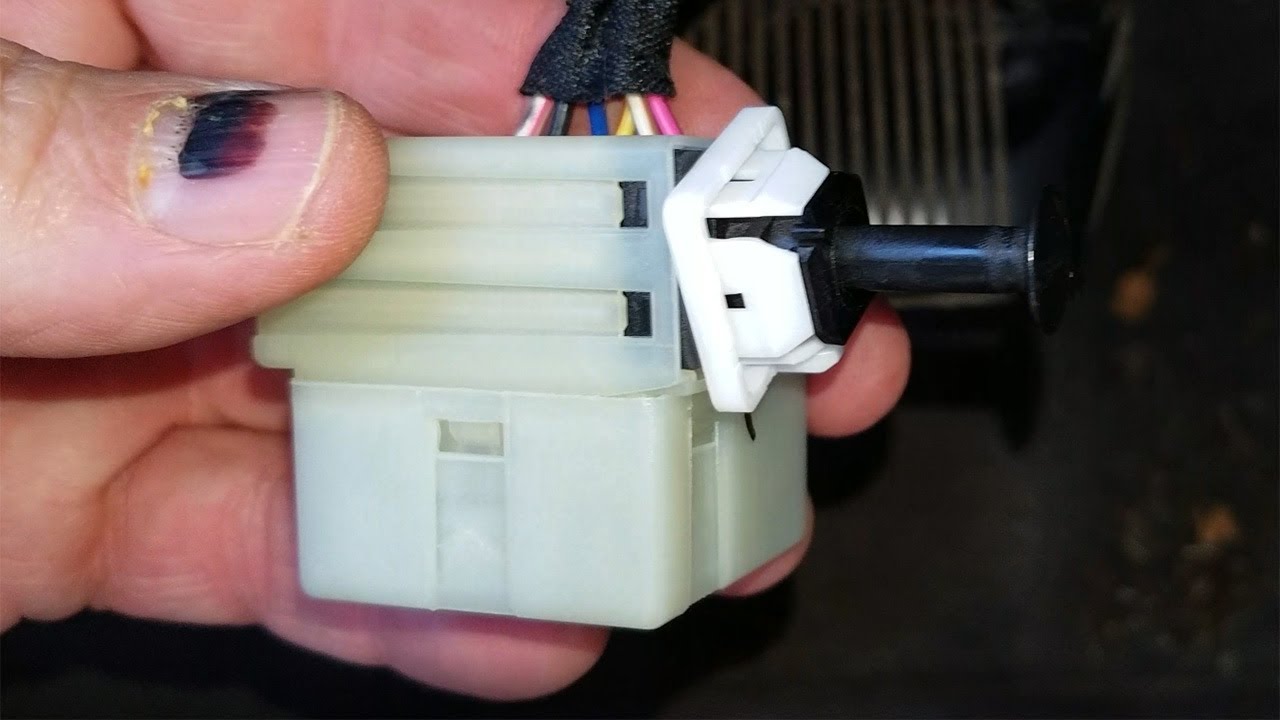
The brake light switch is near the top of the brake pedal. If none of your brake lights work, this switch could be bad. Use a multimeter to test it, or look for loose wires.
Blown Fuse
Check the fuse box under the dashboard or hood. Look for the fuse labeled “Stop” or “Brake. ” Replace it with the same amperage if it’s blown.
Bad Wiring Or Ground
Wires can get old or break. If the socket looks clean and the bulb is good, check the wires leading to the assembly. Look for frayed or disconnected wires. Check the ground connection (where the wire meets the car body) for rust or looseness.
Socket Damage
If the socket is melted or cracked, you’ll need to replace it. Sockets can be bought at auto parts stores.
How To Replace The Brake Light Switch
If your brake lights don’t work at all, the switch might be the problem. Here’s how to replace it:
- Disconnect the negative battery cable.
- Locate the switch near the top of the brake pedal arm.
- Disconnect the wiring harness.
- Unscrew the old switch.
- Screw in the new switch and reconnect the wiring.
- Reconnect the battery and test the lights.
Replacing this part usually takes less than 30 minutes.
Bulb Types And Comparison
The 1997 Jeep Cherokee commonly uses 3157 or 1157 bulbs. Here’s a quick comparison:
| Bulb Type | Brightness (Lumens) | Average Lifespan (Hours) | Cost (USD) |
|---|---|---|---|
| 3157 | 402 | 1,200 | $2-3 |
| 1157 | 402 | 1,200 | $2-3 |
| LED Replacement | 700+ | 30,000 | $8-15 |
LED bulbs are brighter and last much longer, but they cost more upfront.
Preventing Future Brake Light Issues
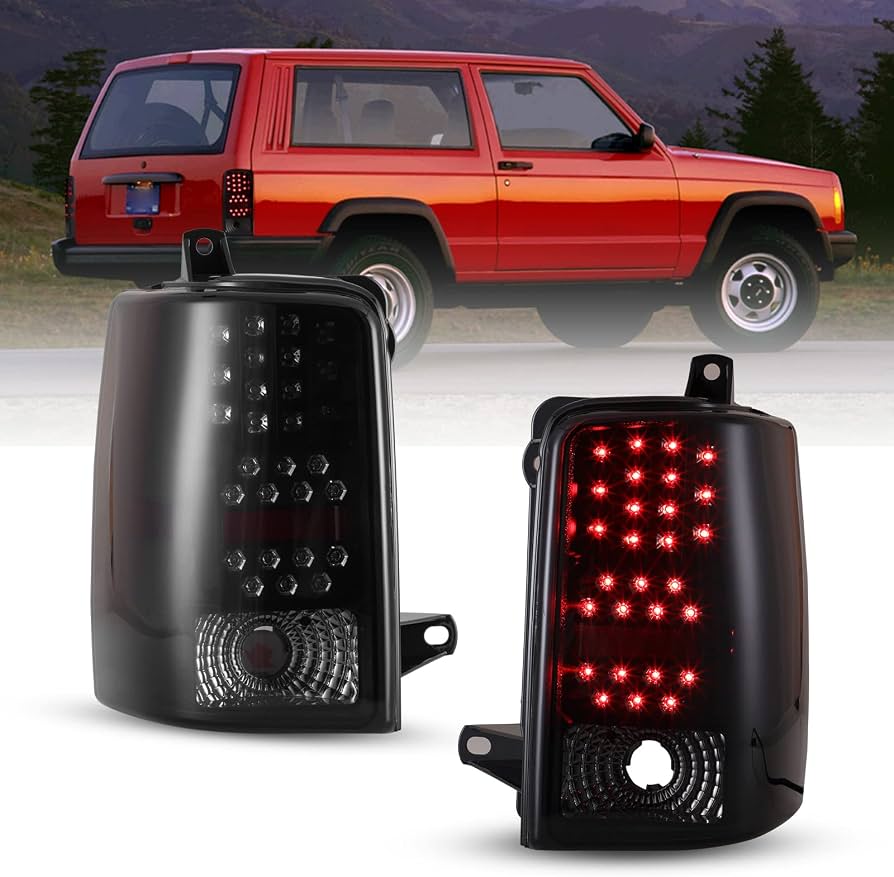
Most brake light issues happen because of old bulbs, bad sockets, or wiring problems. Here’s how to avoid them:
- Check your brake lights every few months.
- Clean the sockets before installing new bulbs.
- Use bulbs from trusted brands.
- If one bulb goes out, consider replacing both (they age at the same rate).
Real-world Example
A 1997 Jeep Cherokee owner noticed his left brake light was out. He replaced the bulb, but it still did not work.
After checking the socket, he found corrosion. Cleaning the socket fixed the problem.
This shows it’s important to check more than just the bulb.
Data: Brake Light Failure Rates
A study by the Insurance Institute for Highway Safety found that about 3% of vehicles on the road have at least one brake light out. In older vehicles like the 1997 Jeep Cherokee, the rate may be higher due to age.
Quick Troubleshooting Table
Here’s a helpful guide if your brake light still isn’t working:
| Problem | Possible Cause | Solution |
|---|---|---|
| Brake light out | Burned-out bulb | Replace bulb |
| Brake light still out | Corroded socket | Clean or replace socket |
| All brake lights out | Blown fuse or bad switch | Replace fuse or switch |
| Lights flicker | Loose wiring | Tighten or repair wires |

Two Non-obvious Tips
- Check the bulb orientation: Bulbs like 1157 can fit in backward, causing only one filament to work. Make sure the pins line up with the socket slots.
- Test the ground connection: A bad ground can make your brake light dim or not work at all. Connect a wire from the socket ground directly to the car body to test.
When To Ask A Professional
If you’ve changed the bulb, checked the fuse and switch, but the light still won’t work, it may be time to see a mechanic. Electrical problems can get complex, and special tools may be needed.
Don’t risk your safety sometimes a pro is the best choice.
For more detailed wiring diagrams, you can check the official Jeep Owner’s Site.
What Bulb Type Does A 1997 Jeep Cherokee Use For Brake Lights?
The most common types are 3157 or 1157 bulbs. Always check your owner’s manual or look at the old bulb to be sure.
My Brake Light Works Sometimes But Not Always. What’s Wrong?
This is usually caused by a loose connection or a corroded socket. Remove the bulb and clean the socket. Also, check the wiring for any signs of damage.
Can I Use Led Bulbs Instead Of Regular Bulbs?
Yes, LED bulbs work in most 1997 Jeep Cherokees and last much longer than standard bulbs. However, some LEDs may need a resistor to avoid fast blinking.
Where Is The Brake Light Fuse Located?
The fuse box is under the dashboard on the driver’s side. Look for the fuse labeled “STOP” or “BRAKE.” Your owner’s manual will show the exact location.
How Often Should I Check My Brake Lights?
It’s smart to check them every few months or before long trips. Brake light failure can happen suddenly, and regular checks improve safety.
Fixing the brake light on your 1997 Jeep Cherokee is a simple task if you follow these steps. It helps you avoid accidents, tickets, and keeps your Jeep safe and legal on the road.
Don’t wait take a few minutes to check and fix your brake lights today.