Filling gas in your Jeep Compass might seem simple, but doing it the right way can save you money, prevent damage, and keep you safe. Many drivers overlook small details that make a big difference, like choosing the right fuel type and knowing what to do if you overfill the tank. In this article, you’ll learn every step to fill gas in your Jeep Compass, avoid common mistakes, and understand the best practices. This guide will help both new and experienced drivers get the job done efficiently, without stress or confusion.
Understanding Your Jeep Compass Fuel System
Before you pull up to the gas station, it helps to know a little about the fuel system in the Jeep Compass. Most Jeep Compass models use a capless fuel filler system, meaning there’s no twist-off gas cap. This design reduces fuel evaporation and makes fueling easier.
Jeep Compass vehicles sold in the US since 2017 typically have:
- Gasoline engine (87 octane recommended)
- 13.5-gallon tank (some models up to 13.7 gallons)
- Capless fuel filler
Always check your owner’s manual for the specific details about your model. Using the wrong fuel can damage your engine or void your warranty.
Fuel Types: What’s Best For Your Jeep Compass?
Most Compass models run best on regular unleaded gasoline with an octane rating of 87. Higher octane fuels (89 or 91) are not necessary unless your engine knocks or pings. Diesel options are rare in the US but available in some international markets—be sure you know your engine type.
Here’s a quick comparison of fuel types for Jeep Compass:
| Fuel Type | Octane Rating | Availability | Notes |
|---|---|---|---|
| Regular Unleaded | 87 | High | Recommended for most models |
| Midgrade | 89 | Medium | Rarely needed |
| Premium | 91+ | Low | Not required |
| Diesel | N/A | Very Low | Check engine type first |
Insight: Some drivers believe premium gas is “better.” For the Compass, using higher octane than recommended does not improve performance or fuel economy.
What To Do Before Arriving At The Pump
A little preparation goes a long way. Here’s what to check before you stop for gas:
- Know your fuel gauge: The Compass fuel gauge is on your dashboard. When the needle is near “E” (empty) or the low fuel light is on, it’s time to fill up.
- Check which side the fuel door is on: Look for the small arrow near the fuel icon on your dashboard. It points to the side of the car where the fuel door is located—usually the left (driver’s) side on the Compass.
- Plan for payment: Most gas stations accept credit/debit cards, cash, or app payments. Some require pre-payment inside, especially late at night.
- Turn off your engine: Always stop your engine before refueling.
Non-obvious tip: Don’t wait until your tank is almost empty. Running very low on fuel can strain your fuel pump and stir up debris in the tank.
Step-by-step: How To Fill Gas In A Jeep Compass
Let’s break down the exact steps to fill your Jeep Compass safely and correctly.
1. Park Safely At The Pump
Pull up so the pump nozzle will reach your fuel filler. Make sure you’re close enough to avoid stretching the hose, but leave room for other drivers.
2. Unlock The Fuel Door
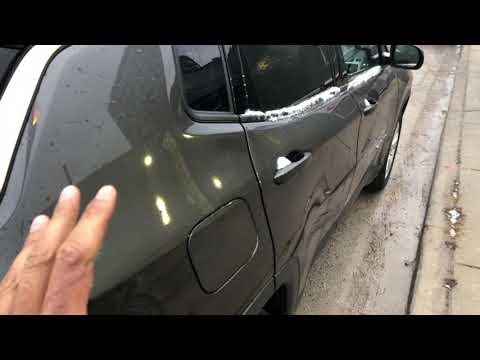
On most Jeep Compass models, the fuel door unlocks automatically when you unlock the car. Some models have a button or lever near the driver’s seat. Walk to the rear left side and press on the fuel door—it should pop open.
3. Open The Capless Fuel Filler
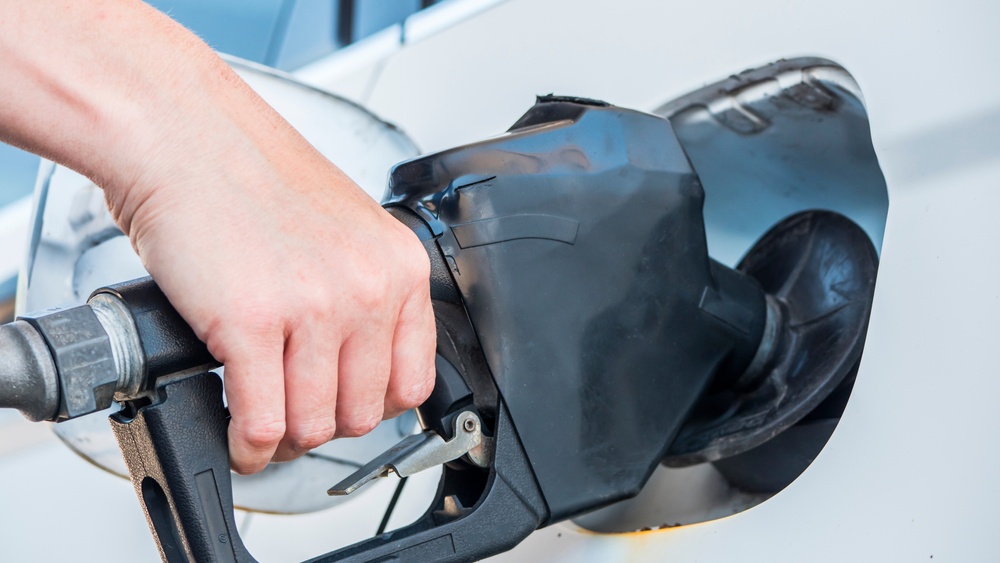
There is no traditional gas cap. Insert the gas pump nozzle directly into the opening.
Push firmly to open the spring-loaded door inside the filler neck.
Insight: The capless system helps prevent fuel theft and reduces mistakes like forgetting to replace a gas cap.
4. Select The Correct Fuel
Choose 87 octane regular gasoline unless your manual says otherwise. Make sure the nozzle is for gasoline, not diesel. (Diesel pumps and nozzles are usually green and larger.)
5. Start Pumping Fuel
- Squeeze the handle on the nozzle to start the flow.
- Set the latch on the pump to hold the nozzle if available.
- Watch the meter to see how much fuel you’re adding.
How Much To Fill?
You don’t have to fill the tank completely every time. For a Jeep Compass, a full tank is about 13.5 gallons.
6. Stop When The Pump Shuts Off
The pump will automatically stop when your tank is full. Do not force more gas in “topping off” can damage the vapor system and cause leaks.
7. Remove The Nozzle And Close The Fuel Door
Wait a few seconds to let extra fuel drip, then gently remove the nozzle. Close the fuel door until it clicks shut.
8. Check For Spills
If any fuel spills, wipe it off with a paper towel. Gasoline can damage paint and is a fire hazard.
Important Safety Tips For Refueling
Refueling is usually safe, but a few key rules keep you protected:
- Never smoke or use open flames near the pump.
- Turn off your engine before refueling.
- Don’t use your cell phone while pumping gas. (Static electricity is rare, but distraction is common.)
- Don’t let children operate the pump.
Non-obvious insight: Touch a metal part of your car before grabbing the nozzle to discharge any static electricity from your body.
Common Mistakes To Avoid
Even experienced drivers sometimes make errors. Here are mistakes to watch out for:
- Choosing the wrong fuel: Accidentally using diesel instead of gasoline can damage your engine.
- Overfilling the tank: “Topping off” after the pump shuts off can cause leaks and harm the vapor recovery system.
- Forgetting to close the fuel door: This can let dirt or water into the system.
- Leaving the car running: Increases fire risk.
- Not clearing up spills: Gas on paint can cause stains or rust.
Real-world Example: Overfilling And Its Cost
A Jeep Compass driver once ignored the automatic pump shut-off and kept adding fuel. Over time, this caused a “Check Engine” light due to damage in the evaporative emissions system. Repairing this system can cost from $200 to $500. This shows why you should never “top off” your tank.
How Much Does It Cost To Fill A Jeep Compass?
The cost depends on local gas prices. Here’s an example assuming $4 per gallon and a 13.5-gallon tank:
| Gas Price (USD/gallon) | Tank Size (gallons) | Total Cost (USD) |
|---|---|---|
| $3.50 | 13.5 | $47.25 |
| $4.00 | 13.5 | $54.00 |
| $4.50 | 13.5 | $60.75 |
Tip: Fuel prices often rise before holidays. Fill up midweek or early morning for the best prices.
What To Do If You Accidentally Use The Wrong Fuel
Mistakes happen. If you put diesel in a gasoline Compass, or vice versa:
- Do not start the engine.
- Alert the station attendant.
- Call roadside assistance or your dealership for guidance.
Starting the engine can pull the wrong fuel into the system and cause expensive damage.

Fuel Efficiency Tips For The Jeep Compass
Maximize your miles per gallon (MPG) with these tips:
- Keep tires properly inflated.
- Avoid rapid starts and stops.
- Remove heavy cargo from the roof or trunk.
- Use cruise control on highways.
- Follow the maintenance schedule from your owner’s manual.
Fact: The 2024 Jeep Compass averages about 25 city/32 highway MPG. Driving smoothly and using the right fuel helps you get the best economy.
When To Fill Your Tank: Timing Matters
Most experts recommend filling up when your tank is about one-quarter full. This keeps your fuel pump cool and avoids running out unexpectedly.
Driving with very low fuel can also damage the pump over time.
Non-obvious insight: Filling up in the morning can help, since gas is denser when it’s cooler. You might get a little more energy for the same price, though the effect is small.
The Capless Fuel System: How It Works
Jeep Compass uses a capless system for convenience and safety. Here’s how it helps:
- No lost gas cap: No more worrying about losing or forgetting the cap.
- Cleaner hands: No need to touch a dirty cap.
- Better sealing: Reduces fuel vapors and pollution.
If the flap inside the filler neck gets stuck or damaged, visit a dealership for repair. Never try to force objects into the opening.
Environmental Considerations
Spilled fuel is not just a waste it’s a pollutant. Always wipe up spills and avoid overfilling.
Many gas stations in the US use vapor recovery nozzles to reduce emissions.
To learn more about fuel system safety and best practices, check the EPA’s official information.
Frequently Asked Questions
How Do I Open The Fuel Door On My Jeep Compass?
Most models unlock the fuel door with the central locking system. Just unlock your car, walk to the rear left side, and press on the fuel door.
Some models have a button or lever near the driver’s seat.
What Type Of Gas Does A Jeep Compass Use?
The Jeep Compass uses regular unleaded gasoline (87 octane) for most models sold in the US. Always check your owner’s manual to confirm.
Is It Bad To “top Off” My Tank After The Pump Stops?
Yes, topping off can damage your car’s vapor recovery system and cause leaks. Stop filling when the pump automatically clicks off.
What Should I Do If I Spill Gas On My Jeep Compass?
Wipe up the spill immediately with a paper towel. Gasoline can damage paint and is a fire hazard.
Avoid touching your face or eyes until you wash your hands.
How Can I Improve My Jeep Compass’s Fuel Efficiency?
Maintain tire pressure, drive smoothly, avoid heavy loads, and use cruise control. Follow the maintenance schedule in your owner’s manual for best results.
Filling gas in your Jeep Compass is easy when you know the right steps.
By understanding your car’s fuel system, choosing the correct fuel, and following safety tips, you’ll save money, protect your vehicle, and drive with confidence every time you hit the road.


















